

Scammers are constantly coming up with new ways to deceive unsuspecting individuals and steal their personal information. One such scam that has been on the rise is the ‘Your Mailbox Quota Is Full’ email phishing scam. This article will provide a detailed overview of what this scam is, how it works, what to do if you have fallen victim, and other relevant information to help you stay safe online.
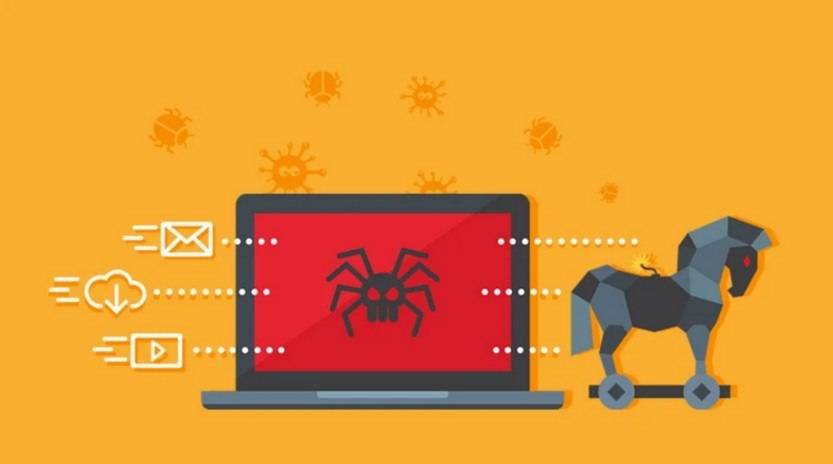
What is the ‘Your Mailbox Quota Is Full’ Email Phishing Scam?
The ‘Your Mailbox Quota Is Full’ email phishing scam is a type of cyber attack where scammers send emails to unsuspecting individuals claiming that their mailbox is full and they need to take immediate action to avoid losing important emails. The email typically appears to be from a legitimate email service provider, such as Gmail or Yahoo, and includes a link or attachment for the recipient to click on or download.
How Does the Scam Work?
Once the recipient clicks on the link or downloads the attachment, they are directed to a fake login page that looks identical to the legitimate email service provider’s login page. The scammers then capture the victim’s login credentials, which they can later use to gain unauthorized access to the victim’s email account.
Alternatively, the link or attachment may contain malware that is automatically downloaded onto the victim’s device. This malware can then be used to steal sensitive information, such as passwords, credit card details, or personal identification information.
Example:
Let’s say you receive an email from what appears to be your email service provider, informing you that your mailbox is full and you need to take immediate action. The email includes a link for you to click on to resolve the issue. You click on the link, which takes you to a login page that looks identical to your email service provider’s login page. You enter your login credentials, thinking you are logging into your account, but in reality, you have just handed over your username and password to the scammers.
What to Do If You Have Fallen Victim?
If you have fallen victim to the ‘Your Mailbox Quota Is Full’ email phishing scam, it is important to take immediate action to minimize the potential damage:
- Change your email account password: As soon as you realize you have been scammed, change your email account password to prevent further unauthorized access.
- Scan your device for malware: Use a reliable antivirus software, such as Malwarebytes Free, to scan your device for any malware that may have been downloaded.
- Enable two-factor authentication: Set up two-factor authentication for your email account to add an extra layer of security.
- Monitor your accounts: Keep a close eye on your email account and other online accounts for any suspicious activity. Report any unauthorized transactions or changes immediately.
- Report the scam: Report the phishing email to your email service provider and to the appropriate authorities, such as the Federal Trade Commission (FTC) or your local law enforcement agency.
How to Spot a Phishing Email?
Being able to identify phishing emails is crucial in protecting yourself from falling victim to scams like the ‘Your Mailbox Quota Is Full’ email phishing scam. Here are some signs to look out for:
- Generic greetings: Phishing emails often use generic greetings like “Dear Customer” instead of addressing you by name.
- Urgent or threatening language: Phishing emails often use urgent or threatening language to create a sense of urgency and prompt you to take immediate action.
- Misspellings and grammatical errors: Phishing emails often contain spelling mistakes and grammatical errors, which can be a red flag.
- Unusual sender email address: Check the sender’s email address carefully. Phishing emails often use email addresses that are similar to, but not exactly the same as, legitimate email addresses.
- Requests for personal information: Legitimate organizations will never ask you to provide personal information, such as passwords or social security numbers, via email.
Summary
The ‘Your Mailbox Quota Is Full’ email phishing scam is a dangerous cyber attack that aims to steal personal information and gain unauthorized access to email accounts. It is important to be vigilant and cautious when dealing with emails, especially those that claim your mailbox is full. Remember to never click on suspicious links or download attachments from unknown sources. If you have fallen victim to this scam, take immediate action to protect yourself and report the incident to the appropriate authorities. By staying informed and following best practices for online security, you can reduce the risk of falling victim to phishing scams.

Join the discussion
0 commentsShare your experience or ask a question about this article.
Discussion
Start the conversation
Have a question or something useful to share? Add the first comment.