

The internet is flooded with flashy ads promising miracle cures. One of the latest? The so-called “7-Second Gabapentin Ice Hack.” These ads claim that a simple at-home trick can erase neuropathy, nerve pain, and even prevent amputation. They feature a cream called Kymezol, promoted by a supposed doctor named Alexander Bradford.
At first glance, it looks convincing. There’s medical language, authoritative figures, and bold promises. But once you look closer, the story falls apart. This isn’t a breakthrough treatment. It’s a scam.
In this article, we’ll expose exactly how the 7-Second Gabapentin Ice Hack scam works, why Kymezol is not what it seems, and how to protect yourself if you’ve already been targeted.
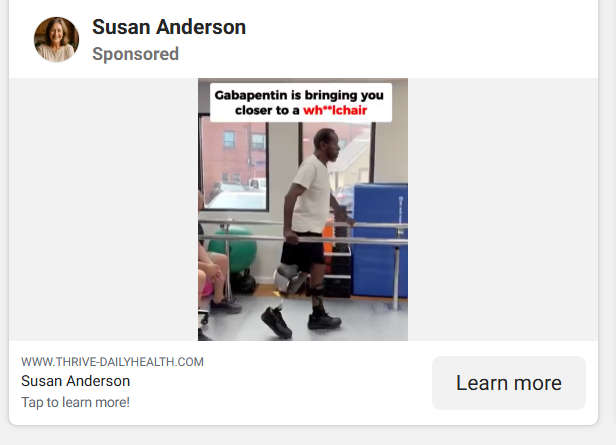
What Makes the Gabapentin Ice Hack So Deceptive
The Gabapentin Ice Hack scam has become one of the most aggressive neuropathy supplement and cream scams online. Its power comes from combining fake authority, pseudoscience, and fear tactics.
The Fake Doctor Problem
The ads lean heavily on “Dr. Alexander Bradford.” He’s shown in videos passionately promoting Kymezol Cream as if he’s discovered a revolutionary solution for nerve pain.
But here’s the catch: Dr. Bradford doesn’t exist.
- There’s no record of him in medical registries.
- No publications under his name in legitimate medical journals.
- His image and voice appear to be AI-generated deepfakes, crafted to look and sound like a credible physician.
This is a classic scam tactic: inventing an authority figure to build trust.
The Kymezol Website Red Flags
The official site is full of mistakes and red flags:
- Label errors: The packaging even spells “lumbar discomfort” as “lumbar disconfoort.” No real pharmaceutical or medical-grade product would make such sloppy errors.
- Suspicious address: Orders ship from 19655 E 35th Drive, Suite 100, Aurora, CO 80011. This is not a real medical headquarters but a known fulfillment center tied to other shady supplement operations.
- Refund gimmicks: They advertise a “money-back guarantee,” but customers report never receiving refunds. It’s designed to lower skepticism, not to actually honor returns.
False Promises
The scam claims Kymezol can:
- Erase neuropathy in days
- Reverse nerve damage
- Replace prescription medications like Gabapentin
- Prevent amputations in diabetics
None of these claims are backed by peer-reviewed research, FDA approval, or legitimate clinical trials.
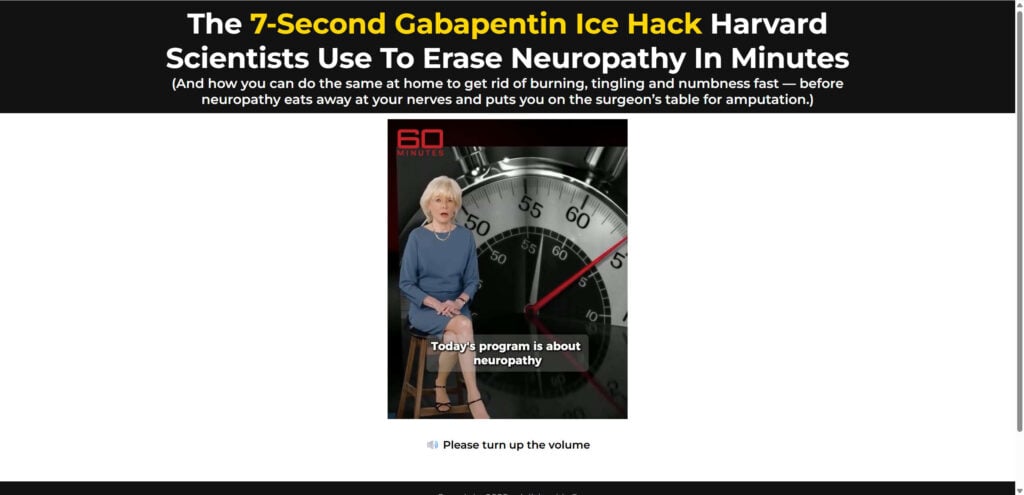
Emotional Manipulation
The ads often show:
- Elderly people in pain finding sudden relief
- “News clips” with fabricated CNN or 60 Minutes logos
- Emotional testimonials of people who “avoided amputation” thanks to the cream
These elements are carefully staged to manipulate vulnerable audiences — especially older adults dealing with real pain.
How the Gabapentin Ice Hack Scam Works
Step 1: The Viral Ad
The scam begins with attention-grabbing ads on Facebook, Instagram, and YouTube. Headlines include:
- “7-Second Ice Hack Erases Neuropathy”
- “Harvard Scientists Discover Gabapentin Alternative”
- “Doctors stunned by this nerve pain breakthrough”
These ads often feature dramatic video clips, stock footage of doctors, and even stolen hospital images.
Step 2: The Fake Authority
Viewers are introduced to “Dr. Alexander Bradford,” the supposed medical mind behind Kymezol. The narrative often says he discovered the formula after helping a family member or patient recover from debilitating nerve pain.
This fabricated story creates emotional connection and trust.
Step 3: The Pseudoscience
The video then introduces medical-sounding explanations:
- References to “nerve-regenerating compounds”
- Mentions of “Harvard scientists” and “hidden studies”
- Overuse of terms like “neuropathic reset” and “cellular repair”
No actual studies or links to medical research are ever provided.
Step 4: The Product Reveal
After 20–40 minutes of storytelling, the solution is revealed: Kymezol Cream. It’s pitched as the only product with the right blend of “ice hack” ingredients to fix neuropathy.
Step 5: Scarcity Pressure
At checkout, consumers face high-pressure tactics:
- “Only 12 jars left in stock”
- Countdown timers forcing immediate decisions
- Bulk offers like “Buy 3, Get 2 Free”
The product is priced at $59–$79 per jar — far more than standard over-the-counter creams.
Step 6: The Checkout Trap
Many buyers report being auto-enrolled into recurring subscriptions without clear consent. Their cards are charged monthly for new shipments they didn’t agree to.
Step 7: The Aftermath
After purchase:
- Products may arrive, but with poor labeling and generic packaging.
- Refund requests are ignored.
- Customer service numbers lead nowhere.
- Victims may begin receiving new scam offers, as their data is resold.
What to Do if You’ve Fallen Victim
- Stop Future Charges
- Call your bank or card provider immediately.
- Request a chargeback citing fraudulent or deceptive marketing.
- Cancel Subscriptions
- Look for recurring billing authorizations and cancel them.
- Ask your bank to block further charges from the company.
- Report the Scam
- Federal Trade Commission (FTC): reportfraud.ftc.gov
- Better Business Bureau (BBB): bbb.org
- Your state Attorney General’s office
- Keep Records
- Save receipts, screenshots of ads, and email confirmations.
- These help support your dispute claims.
- Monitor Accounts
- Check for suspicious activity on bank and credit accounts.
- Consider a fraud alert with credit bureaus if your data was exposed.
- Warn Others
- Report the scam ads on social media platforms.
- Share your experience to help others avoid it.
- Avoid Secondary Scams
- Be cautious of “refund recovery” services contacting you after the fact. Many are scams themselves.
FAQ: 7-Second Gabapentin Ice Hack Scam
What is the 7-Second Gabapentin Ice Hack scam?
The 7-Second Gabapentin Ice Hack scam is an online marketing scheme promoting Kymezol Cream as a miracle cure for neuropathy and nerve pain. Ads falsely claim that Harvard scientists and doctors endorse it, while using fake authority figures like “Dr. Alexander Bradford,” who does not exist.
Does Kymezol Cream really work for neuropathy?
There is no scientific evidence that Kymezol Cream can repair nerves or erase neuropathy. The product is not FDA-approved, lacks peer-reviewed studies, and relies on exaggerated claims. At best, it may contain standard pain-relief ingredients found in cheaper over-the-counter creams.
Who is Dr. Alexander Bradford?
“Dr. Alexander Bradford” is a fabricated character used in scam ads. No such doctor exists in medical registries, research databases, or professional health networks. Videos of him are likely AI-generated or acted by paid actors to create false authority.
Why do the ads look so convincing?
The scam ads are designed to mimic real journalism and medical endorsements. They often:
- Display logos from CNN, Harvard, or 60 Minutes without permission
- Use deepfake videos or AI-generated voices
- Include emotional testimonials and stock photos
- Employ fear-based language about amputations and disability
How much does Kymezol Cream cost?
Kymezol Cream is usually sold for $59–$79 per jar, with “bulk discounts” like buy three, get two free. Many victims report being auto-enrolled into recurring subscriptions, leading to hundreds in unauthorized charges.
Is the Gabapentin Ice Hack dangerous?
Yes, in multiple ways:
- Financially — through recurring charges and data harvesting
- Physically — if people delay proven medical care while relying on it
- Emotionally — by exploiting fear of neuropathy, pain, and amputation
How can I tell if a Gabapentin Ice Hack ad is fake?
Look for these red flags:
- Miracle claims of curing neuropathy in seconds
- Fake or unverifiable doctors
- Spelling errors on labels or websites
- Pressure tactics like countdown timers and “limited stock” warnings
- No clear company contact details or return policy
What should I do if I already bought Kymezol Cream?
If you’ve purchased from this scam:
- Call your bank immediately and request a chargeback.
- Cancel recurring subscriptions linked to your card.
- Save documentation of the purchase for disputes.
- Report the scam to the FTC and BBB.
- Monitor your financial accounts for further fraud.
Why do scams like this keep coming back?
Once exposed, scammers simply rebrand. Kymezol could be renamed and relaunched with the same formula and a new “doctor” endorsement. This cycle keeps money flowing while avoiding detection.
How can I protect myself from neuropathy scam ads?
- Be skeptical of miracle cures promoted on social media
- Research the product name plus the word “scam” before buying
- Look for FDA approval and peer-reviewed clinical evidence
- Consult a licensed healthcare provider before trying any supplement or cream
The Bottom Line
The 7-Second Gabapentin Ice Hack and Kymezol Cream are not medical breakthroughs — they’re scams. By inventing a fake doctor, abusing medical jargon, and playing on people’s fears, the creators of this scheme trick vulnerable consumers into overpaying for an unproven product.
No cream can replace prescription medications like Gabapentin or erase neuropathy overnight. Real treatments require medical evaluation, evidence-based therapies, and ongoing care.
If you see ads promoting “miracle hacks” with bold promises and fake authority figures, treat them as red flags. Always verify with trusted medical sources before spending your money or risking your health.
Stay skeptical, stay informed, and protect yourself from falling victim to scams like the Gabapentin Ice Hack.

Join the discussion
0 commentsShare your experience or ask a question about this article.
Discussion
Start the conversation
Have a question or something useful to share? Add the first comment.