Exposed: Don’t Fall for the Pegasus Spyware Extortion Scam Email
Written by: Thomas Orsolya
Published on:
A deceptive new scam email has emerged threatening victims that the powerful Pegasus spyware was used to infect their devices and record illicit videos through their webcam. The message then demands Bitcoin payment to avoid sending the supposed videos to your contacts.
This viral extortion scheme is completely fabricated, with no truth behind its bold claims and threats meant to scare victims into paying. The scammers are leveraging the notoriety of real Pegasus malware to make their espionage charade seem plausible.
This article provides an in-depth look at how the Pegasus spyware scam operates, why their threats are empty, and most crucially, how to protect yourself.
Overview of the Pegasus Spyware Scam
The Pegasus spyware scam email starts by claiming that the notorious Pegasus malware was secretly installed on all of your devices, allowing the sender total access to monitor your activity without you realizing it. The email pretends they’ve been watching you for months through your webcam, microphone, and by logging your calls, messages, browsing history, and more.
Leveraging Pegasus’ real capabilities for sophisticated monitoring, the email tries to convince recipients that their privacy has been utterly compromised over an extended period of time. The message then claims that during this surveillance, the sender recorded inappropriate or embarrassing videos of you as blackmail material.
Threatening to spread edited together clips of you in compromising positions to all your contacts, the scammer demands payment of around $1,200 in untraceable Bitcoin within 48 hours. They insist that sending this hush money will cause them to delete the supposed videos, uninstall the Pegasus malware from your devices, and disappear from your life forever.
To create urgency, they warn not to contact authorities or try factory resetting devices, making vague but ominous threats about destroying your life if their demands aren’t met exactly. The email tries to create an aura of being an unstoppable omniscient force that has total power over you through technology.
In reality, of course, this is all an elaborate bluff, with no truth behind the supposed access or video recordings. The criminals have no leverage over you or ability to monitor your devices – it is all smoke and mirrors. However, the Pegasus name lends this scam a feeling of plausibility that tricks victims into fearing their data has been breached.
Pegasus spyware is real malware developed by the NSO Group that can infiltrate iOS and Android devices. Once installed, it grants complete remote access to hack phones and computers without the owner’s knowledge. However, distributing Pegasus requires exploiting rare vulnerabilities and costs millions of dollars only accessible to nation-states.
These random scammers do not possess the sophistication or resources to distribute Pegasus malware. Their claims of infecting all your gadgets and recording you for months are technologically implausible fiction. The real Pegasus is used for targeted monitoring of high-profile figures, not broad webcam blackmail schemes.
By piggybacking off Pegasus spyware’s dangerous real-world reputation, the scammers hope victims will believe their devices were compromised and urgent payment is needed. But in reality, remote installation of professional military-grade malware is highly unlikely. The threats in this viral scam are empty fabrications relying entirely on tricking you with fictional warnings.
As long as you take time to scrutinize instead of reacting hastily out of fear, the total lack of evidence supporting their supposed access or videos of you becomes clear. Do not allow scammers to intimidate you with technological espionage fiction or vague threats of life destruction. By reporting these attempts and warning others, we can shut down these schemes that rely on trickery and deception around the Pegasus name.
How the Pegasus Spyware Scam Unfolds
To avoid falling victim when targeted by online extortion schemes, it helps to dissect how the criminals strategically operate. Understanding the anatomy of viral scams enables you to see through their tricks. Here is a step-by-step breakdown of how the Pegasus spyware email scam typically operates:
Step 1: Send Mass Emails Impersonating Hackers
The scammers obtain lists of email addresses and use disposable accounts to send the Pegasus malware message en masse. Recipients are selected indiscriminately, with no actual prior knowledge or access to their devices or accounts. This shotgun style blanketing of inboxes maximizes reach.
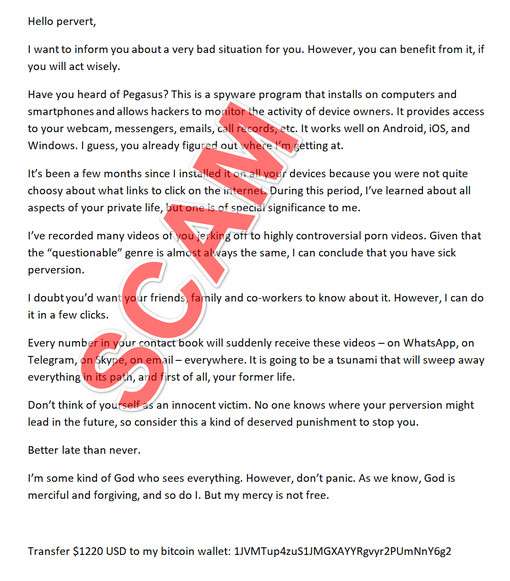
Here is how the email scam looks:
Hello pervert, I want to inform you about a very bad situation for you. However, you can benefit from it, if you will act wisely. Have you heard of Pegasus? This is a spyware program that installs on computers and smartphones and allows hackers to monitor the activity of device owners. It provides access to your webcam, messengers, emails, call records, etc. It works well on Android, iOS, and Windows. I guess, you already figured out where I’m getting at. It’s been a few months since I installed it on all your devices because you were not quite choosy about what links to click on the internet. During this period, I’ve learned about all aspects of your private life, but one is of special significance to me. I’ve recorded many videos of you jerking off to highly controversial porn videos. Given that the “questionable” genre is almost always the same, I can conclude that you have sick perversion. I doubt you’d want your friends, family and co-workers to know about it. However, I can do it in a few clicks. Every number in your contact book will suddenly receive these videos – on WhatsApp, on Telegram, on Skype, on email – everywhere. It is going to be a tsunami that will sweep away everything in its path, and first of all, your former life. Don’t think of yourself as an innocent victim. No one knows where your perversion might lead in the future, so consider this a kind of deserved punishment to stop you. Better late than never. I’m some kind of God who sees everything. However, don’t panic. As we know, God is merciful and forgiving, and so do I. But my mercy is not free.
Transfer $1220 USD to my bitcoin wallet: 1JVMTup4zuS1JMGXAYYRgvyr2PUmNnY6g2
Once I receive confirmation of the transaction, I will permanently delete all videos compromising you, uninstall Pegasus from all of your devices, and disappear from your life. You can be sure – my benefit is only money. Otherwise, I wouldn’t be writing to you, but destroy your life without a word in a second.
I’ll be notified when you open my email, and from that moment you have exactly 48 hours to send the money. If cryptocurrencies are unchartered waters for you, don’t worry, it’s very simple. Just google “crypto exchange” and then it will be no harder than buying some useless stuff on Amazon.
I strongly warn you against the following: ) Do not reply to this email. I sent it from a temp email so I am untraceable. ) Do not contact the police. I have access to all your devices, and as soon as I find out you ran to the cops, videos will be published. ) Don’t try to reset or destroy your devices. As I mentioned above: I’m monitoring all your activity, so you either agree to my terms or the videos are published.
Also, don’t forget that cryptocurrencies are anonymous, so it’s impossible to identify me using the provided address. Good luck, my perverted friend. I hope this is the last time we hear from each other.
And some friendly advice: from now on, don’t be so careless about your online security.
Step 2: Make Bold Claims of Comprehensive Access
The email leverages the real capabilities of Pegasus spyware to assert complete backdoor monitoring access to all your devices. The message pretends the sender has logged everything – calls, messages, camera, browsing history – depicting total breach of privacy over months.
Step 3: Threaten Exposure Through Intimate Videos
The scammers then threaten to create embarrassment and scandal by claiming they recorded inappropriate videos of you as blackmail material. The details are left vague, allowing victims’ imagination to fill in the worst.
Step 4: Warn Against Contacting Authorities
The email insists that involving law enforcement will trigger the automatic release of the supposed sex tapes to all your contacts. This scare tactic aims to deter scrutiny from authorities who could expose the scam.
Step 5: Demand Untraceable Ransom Payment
Payment in anonymous cryptocurrency allows scammers to avoid tracking or consequences for their extortion racket, while quickly moving funds abroad. The short 48 hour deadline adds urgency.
Step 6: Vaguely Threaten Severe Retaliation
Ominous but unspecified warnings of destroying your life or similar consequences for non-compliance help generate fear of grave harm if demands aren’t met exactly as dictated.
Step 7: Pretend to Be Untraceable
The scammers pretend the temporary email account makes them digital ghosts who can’t be pursued or identified. This is more fiction to avoid scrutiny.
Step 8: Give Warning Before Going Silent
After the initial email, the scammers go silent and cease all communication, relying on fear already instilled doing the work for them.
Step 9: Quietly Collect Any Ransoms Paid
The scammers monitor their Bitcoin payment address to collect ransoms from anyone scared into compliance, while leaving the majority who wisely ignored empty threats unaffected.
Step 10: Vanish Without a Trace
With Bitcoin in hand, the scammers disappear back into internet obscurity, ready to target more victims. No real effort to follow through on threats is ever made.
As you can see, most of the scam’s power derives from dramatic fiction designed to instill fear – not any actual leverage over victims. By merely sending a mass email, the scammers hope to trick a percentage of recipients into urgent action by piggybacking on Pegasus spyware’s dangerous reputation.
What to Do if You Receive the Pegasus Spyware Email
If targeted by this viral extortion scheme, following these steps protects you without giving in to fabricated threats:
Do not communicate with the sender in any way. Completely ignore all future contact attempts.
Avoid paying anything being demanded. Funding criminals enables more scamming and could lead to further extortion.
Run malware and virus scans using security software to check for anything suspicious. Update passwords if concerned.
Report the scam attempt to the FBI IC3 at www.ic3.gov and forward email headers to authorities.
Warn contacts about the scam email in case they also receive it.
File a report about the scam with the Anti-Phishing Working Group to aid tracking of these schemes.
Remember, alleged recordings of you do not exist. The scammers’ only leverage is smoke and mirrors. Avoid reactionary choices and instead take steps to protect yourself and others from this scam.
Is Your Device Infected? Run a Free Malware Scan
Slow performance, constant pop-ups, or strange behavior? These are classic signs of a malware infection. The fastest way to find out is to scan your device with Malwarebytes Anti-Malware Free — one of the most trusted malware removal tools available.
The free version detects and removes the most common threats, including:
Adware — the cause of those annoying pop-ups
Browser hijackers — unwanted redirects and changed homepages
Trojans and spyware — hidden programs stealing your data
Potentially unwanted programs (PUPs) — software you never asked for
👉 Select your device below — Windows, Mac, or Android — then follow the simple steps to download Malwarebytes, scan your system, and remove any threats it finds. The whole process takes about 5 minutes.
Malwarebytes for WindowsMalwarebytes for MacMalwarebytes for Android
Run a Malware Scan with Malwarebytes for Windows
Malwarebytes is one of the most popular and trusted anti-malware tools for Windows — and it’s completely free for removing infections. It catches threats that many antivirus programs miss, including adware, browser hijackers, and trojans. Follow the steps below to scan and clean your PC in just a few minutes.
Download Malwarebytes
Click the button below to download the latest version of Malwarebytes for Windows from the official source. The free version is all you need — it will scan your computer and remove adware, browser hijackers, and other malicious software at no cost.
(The link opens in a new page where your download will start)
Install Malwarebytes
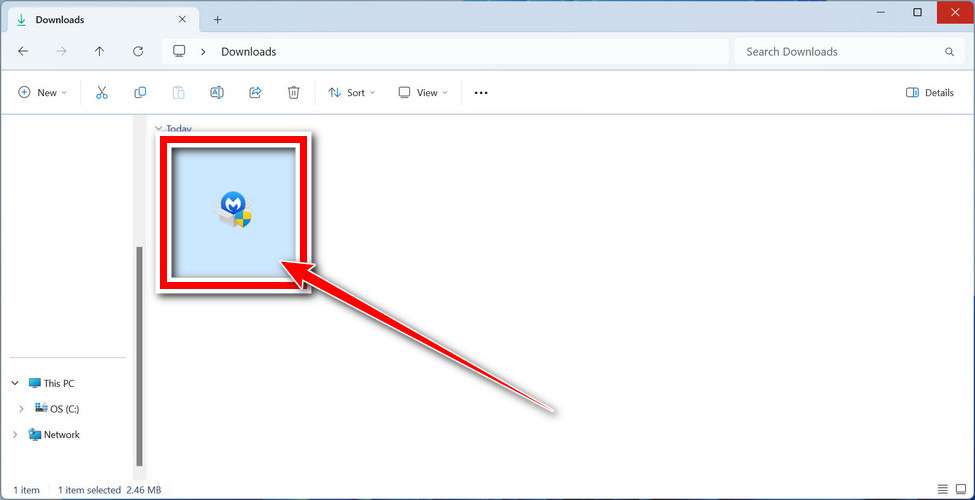
When the download finishes, open your Downloads folder and double-click the MBSetup file. If Windows shows a User Account Control pop-up, click “Yes” to allow the installation.
Follow the On-Screen Prompts to Install Malwarebytes
The setup wizard will walk you through a few quick screens:
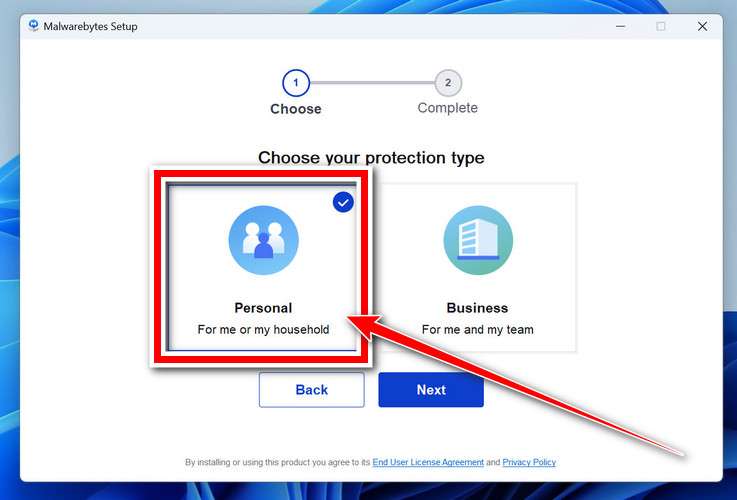
Choose where you’re installing the program — “Personal Computer” or “Work Computer” — then click Next.
Malwarebytes will now install on your device. This usually takes under a minute.
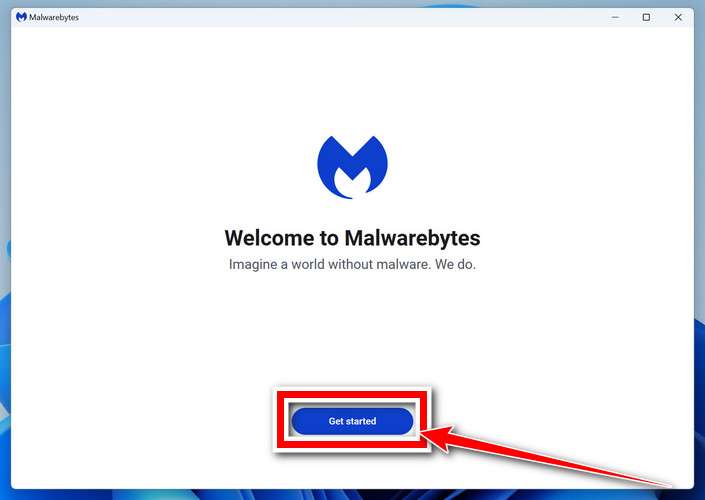
When installation is complete, the “Welcome to Malwarebytes” screen will open automatically.
On the final screen, click Open Malwarebytes to launch the program.
Enable “Scan for Rootkits”
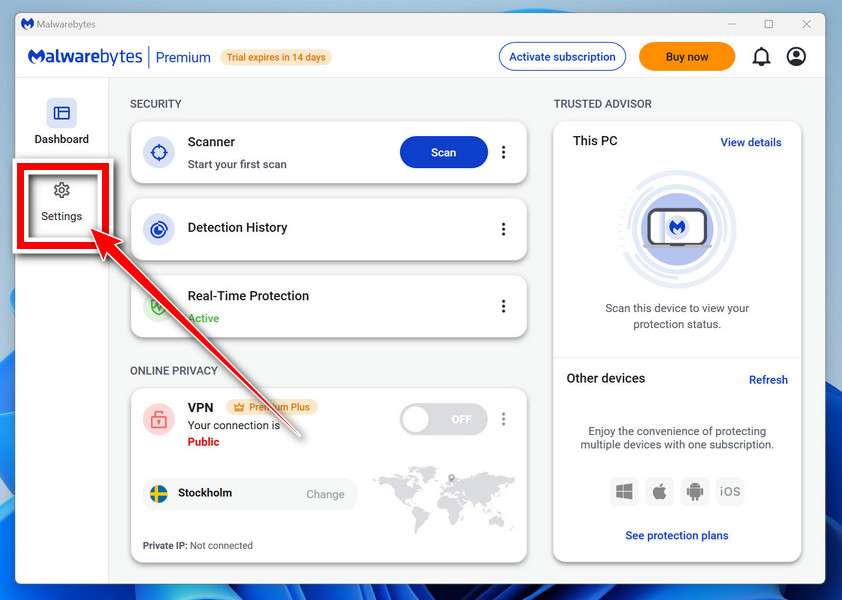
Before scanning, turn on rootkit detection so Malwarebytes can find even the most hidden threats. Click the Settings gear icon on the left side of the screen.
In the settings menu, find “Scan for rootkits” and click the toggle so it turns blue.
Done? Click “Dashboard” in the left pane to return to the main screen.
Start the Scan
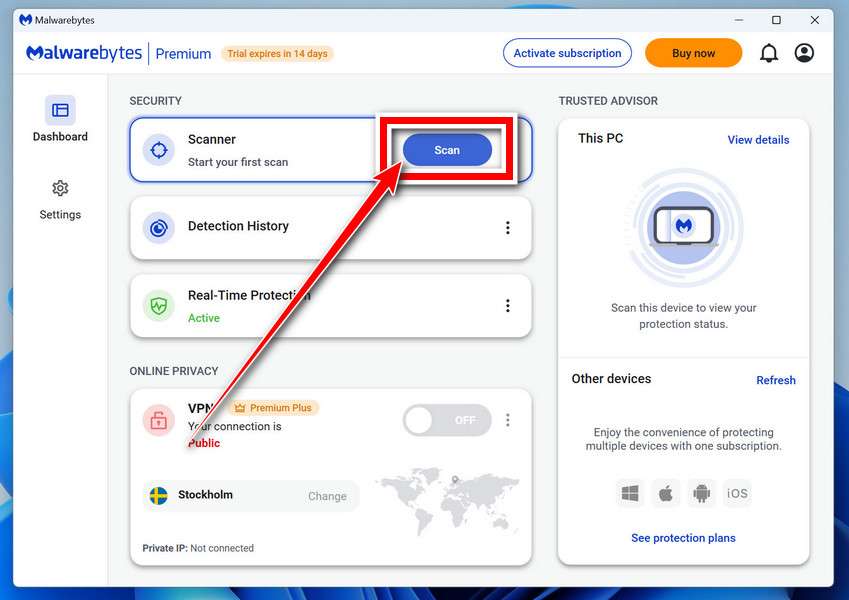
Click the blue Scan button. Malwarebytes will automatically update its virus database and start checking your computer for malware.
Wait for the Scan to Finish
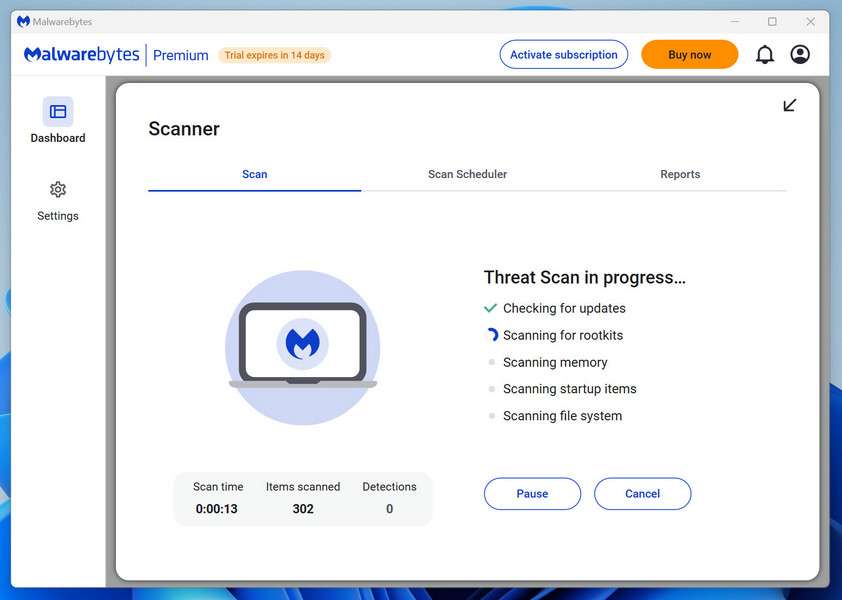
The scan checks your entire system for browser hijackers and other malicious programs, so it can take several minutes. Feel free to do something else — just check back occasionally to see the progress.
Quarantine the Detected Threats
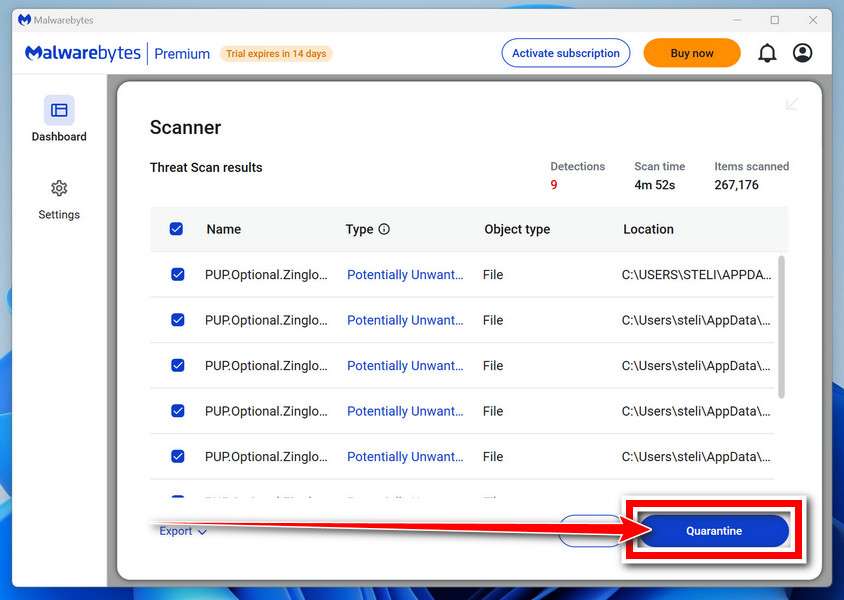
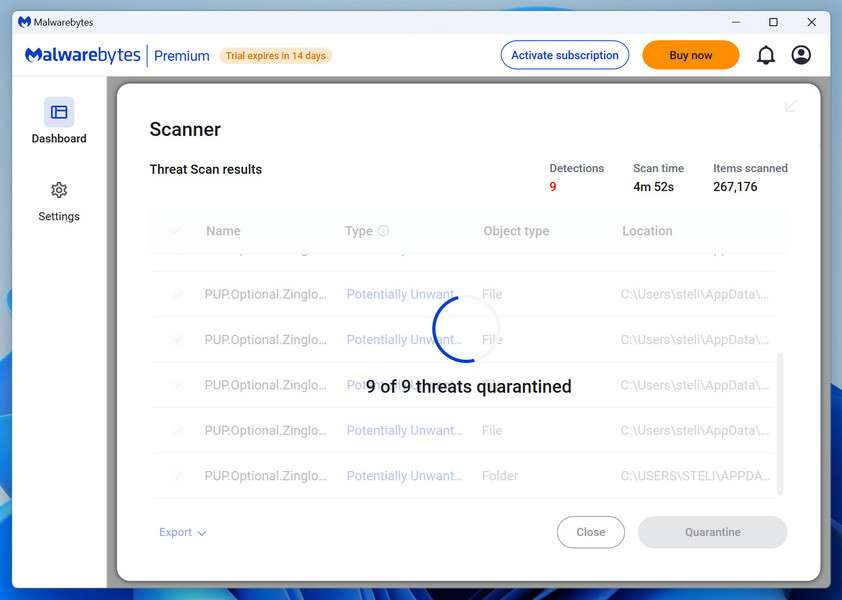
When the scan is done, you’ll see a list of everything Malwarebytes found — malware, adware, and potentially unwanted programs. Click the “Quarantine” button to remove all of them at once.
Malwarebytes will now remove the malicious files and registry entries and move them safely into quarantine.
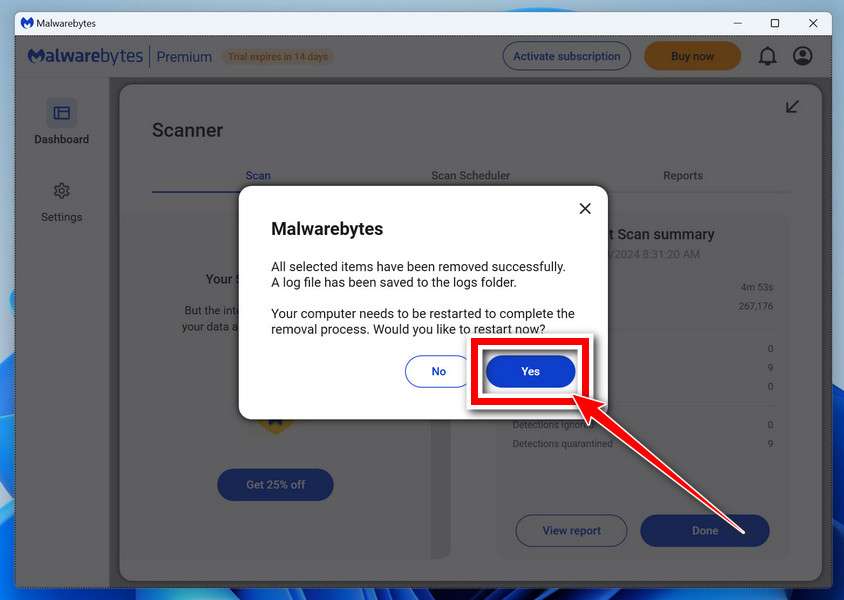
Restart Your Computer
Some threats can only be fully removed after a reboot. If Malwarebytes asks you to restart, click Yes. Once you’re logged back in, your PC is clean and you can continue with the next steps in this guide.
When the scan finishes, click Quarantine to remove everything Malwarebytes found. That’s it — your Windows PC is now clean of trojans, adware, and other malware, and should be back to running smoothly.
If your current antivirus allowed this malicious program on your computer, you may want to consider purchasing Malwarebytes Premium to protect against these types of threats in the future. If you are still having problems with your computer after completing these instructions, then please follow one of the steps:
Malwarebytes for Mac is a free on-demand scanner that removes the malware other security software tends to miss — adware, browser hijackers, and unwanted programs included. Cleaning an infected Mac with Malwarebytes has always been completely free, and it’s our go-to recommendation. Follow the steps below to scan and clean your Mac in just a few minutes.
Download Malwarebytes for Mac
Click the button below to download the latest version of Malwarebytes for Mac.
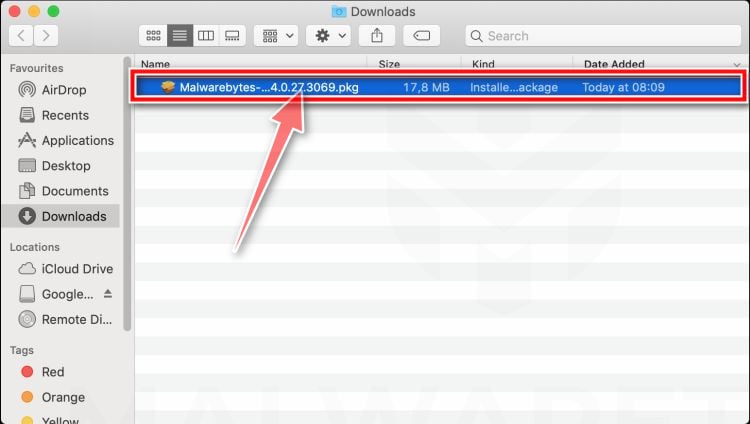
When the download finishes, open your Downloads folder and double-click the setup file to begin the installation.
Follow the On-Screen Prompts to Install Malwarebytes
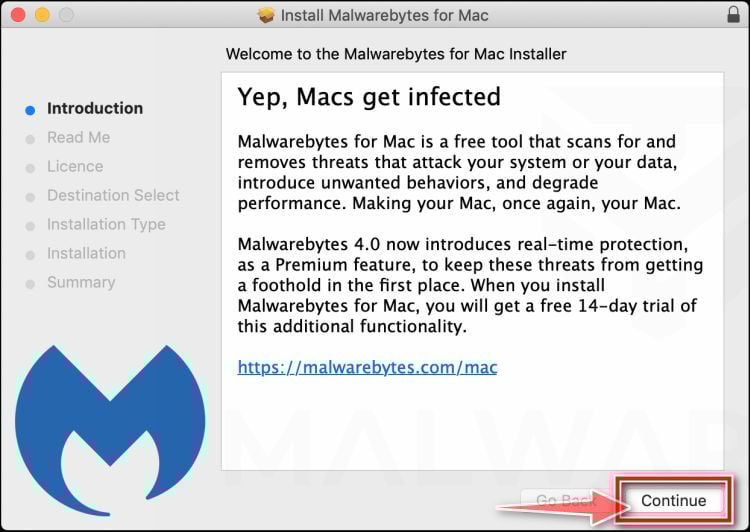
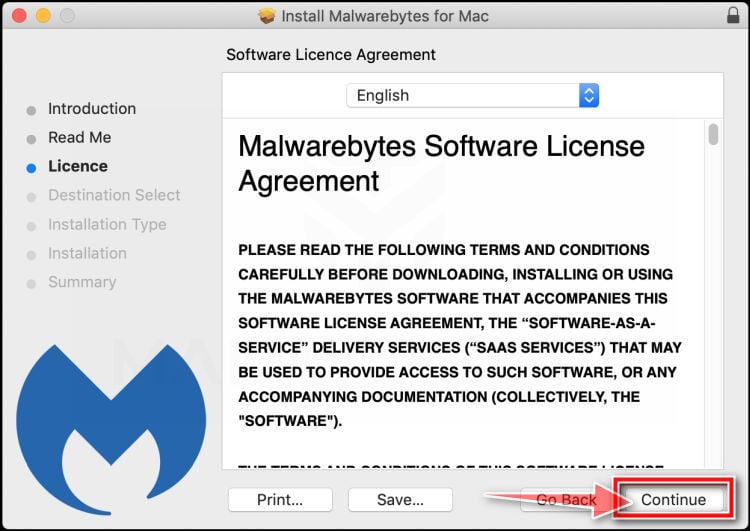
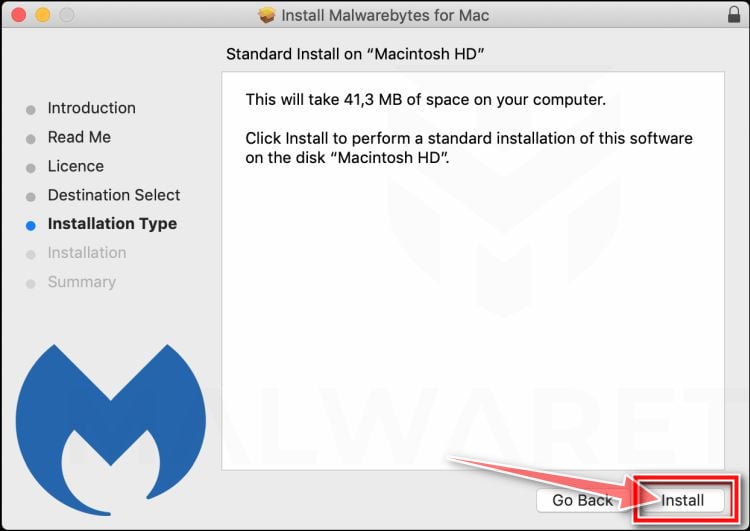
The Malwarebytes for Mac Installer will guide you through a few quick screens. Click “Continue” and keep following the prompts until the installation completes.
When the installation is complete, Malwarebytes opens to the Welcome to Malwarebytes screen. Click “Get started“.
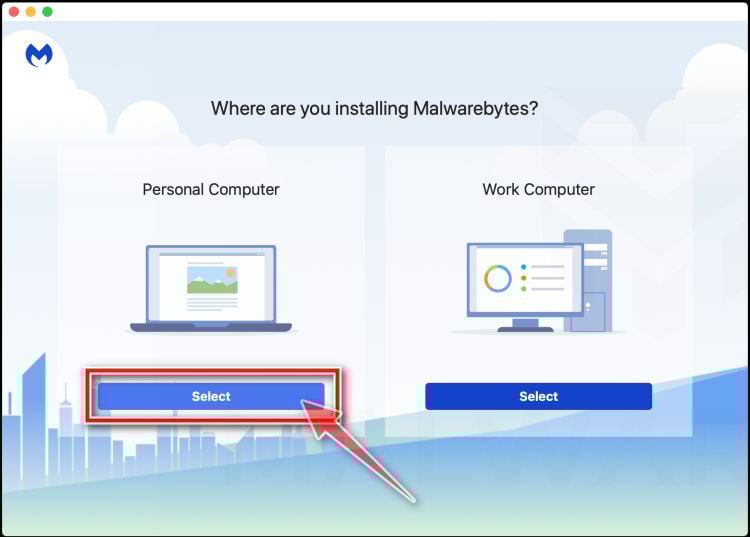
Select “Personal Computer” or “Work Computer”
Malwarebytes will ask what type of computer you’re installing it on. Click either Personal Computer or Work Computer, whichever applies.
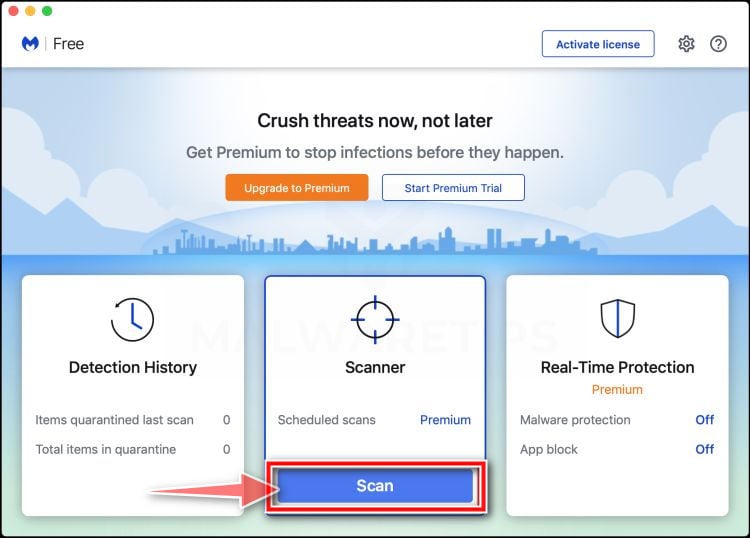
Start the Scan
Click the “Scan” button. Malwarebytes will automatically update its detection database and begin checking your Mac for malware.
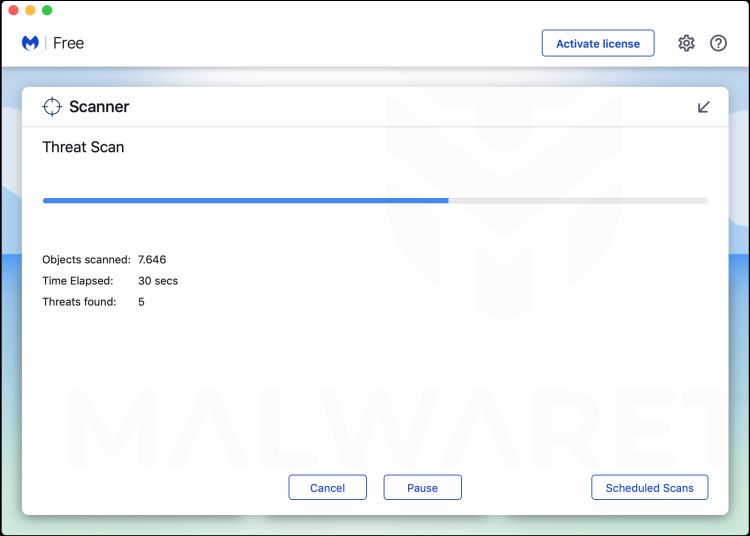
Wait for the Scan to Finish
Malwarebytes will scan your Mac for adware, browser hijackers, and other malicious programs. This can take a few minutes, so feel free to do something else — just check back occasionally to see the progress.
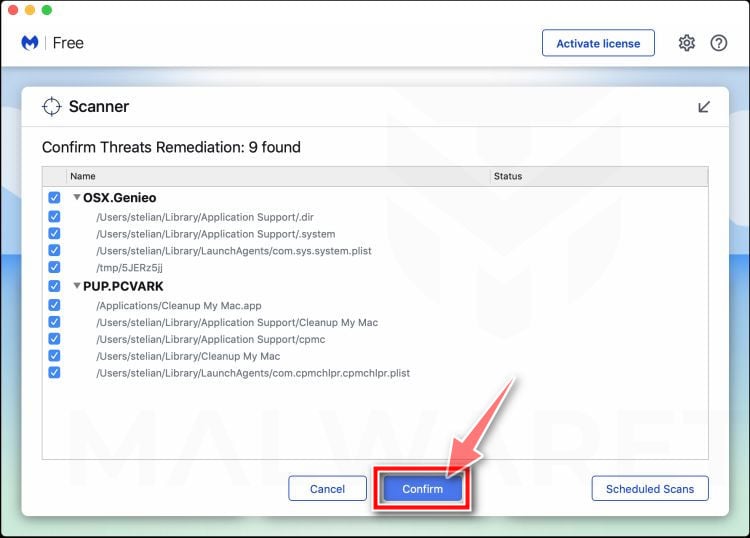
Quarantine the Detected Threats
When the scan is done, you’ll see a list of everything Malwarebytes found. Click the “Quarantine” button to remove all the threats at once.
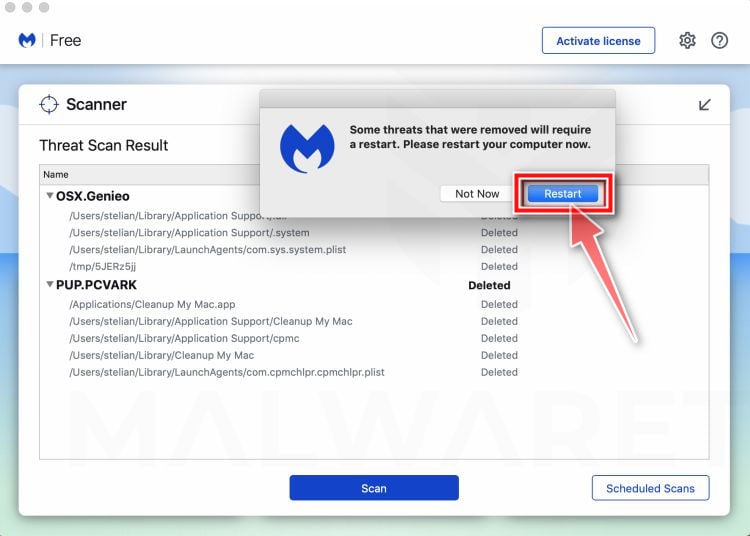
Restart Your Mac
Malwarebytes will now remove all the malicious files it found. Some threats can only be fully removed after a reboot — if Malwarebytes asks you to restart, allow it. Once you’re logged back in, your Mac is clean.
Once the scan is done, remove every threat it detected. Your Mac is now free of adware, rogue browser extensions, and other potentially harmful software.
If your current antivirus allowed a malicious program on your computer, you might want to consider purchasing the full-featured version of Malwarebytes Anti-Malware to protect against these types of threats in the future. If you are still experiencing problems while trying to remove a malicious program from your computer, please ask for help in our Mac Malware Removal Help & Support forum.
Run a Malware Scan with Malwarebytes for Android
Malwarebytes for Android automatically detects and removes dangerous threats like malware and ransomware so you don’t have to worry about your most-used device being compromised. Aggressive detection of adware and potentially unwanted programs keeps your Android phone or tablet running smooth.
Download Malwarebytes for Android.
You can download Malwarebytes for Android by clicking the link below.
In the Google Play Store, tap “Install” to install Malwarebytes for Android on your device.
When the installation process has finished, tap “Open” to begin using Malwarebytes for Android. You can also open Malwarebytes by tapping on its icon in your phone menu or home screen.
Follow the on-screen prompts to complete the setup process
When Malwarebytes will open, you will see the Malwarebytes Setup Wizard which will guide you through a series of permissions and other setup options. This is the first of two screens that explain the difference between the Premium and Free versions. Swipe this screen to continue. Tap on “Got it” to proceed to the next step. Malwarebytes for Android will now ask for a set of permissions that are required to scan your device and protect it from malware. Tap on “Give permission” to continue. Tap on “Allow” to permit Malwarebytes to access the files on your phone.
Update database and run a scan with Malwarebytes for Android
You will now be prompted to update the Malwarebytes database and run a full system scan.
Click on “Update database” to update the Malwarebytes for Android definitions to the latest version, then click on “Run full scan” to perform a system scan.
Wait for the Malwarebytes scan to complete.
Malwarebytes will now start scanning your phone for adware and other malicious apps. This process can take a few minutes, so we suggest you do something else and periodically check on the status of the scan to see when it is finished.
Click on “Remove Selected”.
When the scan has been completed, you will be presented with a screen showing the malware infections that Malwarebytes for Android has detected. To remove the malicious apps that Malwarebytes has found, tap on the “Remove Selected” button.
Restart your phone.
Malwarebytes for Android will now remove all the malicious apps that it has found. To complete the malware removal process, Malwarebytes may ask you to restart your device.
After the scan, tap Remove Selected to delete all detected threats. Your Android phone is now clean — no more malicious apps, adware, or browser redirects.
If your current antivirus allowed a malicious app on your phone, you may want to consider purchasing the full-featured version of Malwarebytes to protect against these types of threats in the future. If you are still having problems with your phone after completing these instructions, then please follow one of the steps:
Restore your phone to factory settings by going to Settings > General management > Reset > Factory data reset.
Now that your device is clean, keep it that way. Most infections start with a malicious ad or a fake download button — so blocking them at the source is your best defense.
We recommend AdGuard, which blocks malicious ads, phishing pages, and dangerous redirects before they can reach you.
Frequently Asked Questions About the Pegasus Spyware Scam Email
1. How do I know if a Pegasus malware email I received is a scam?
Real Pegasus warnings come from software companies or authorities, not unknown senders making threats and demands. Scam emails have no proof of device access and threaten consequences for not paying an untraceable ransom.
2. Could my phone really be infected with Pegasus spyware?
It’s extremely unlikely. Distributing Pegasus costs millions and requires exploiting rare vulnerabilities. Random scammers do not possess the sophistication to remotely hack your devices and monitor your activity.
3. I’m scared. Should I pay the ransom just in case?
We understand the fear, but paying incentivizes more criminal scams and could lead to further extortion attempts down the line. The threats are a bluff – protect yourself and others by reporting instead.
4. What will happen if I don’t pay the ransom?
Nothing. The scammers cannot follow through on threats of leaking videos or destroying your life since they have no access. Their only leverage is smoke and mirrors deception. Simply ignore their demands.
5. How can I avoid falling for tech support scams?
Never open emails from unknown senders
Use strong unique passwords and enable two-factor authentication
Don’t believe bold claims in messages without proof
Keep devices updated and run regular malware scans
Cover your webcam when not in use
6. What should I do if I already paid the ransom?
Contact your bank immediately to possibly stop the transaction, then report the incident to the FBI IC3 at www.ic3.gov. Notify contacts who could also receive scam emails. Do not communicate with the scammer anymore.
The Bottom Line on the Pegasus Spyware Extortion Scam
Being targeted by online criminals using real malware like Pegasus to fabricate threats can be disconcerting. However, arming yourself with knowledge on their tactics helps avoid hasty decisions.
This scam exploits Pegasus’ dangerous reputation to make invasive threats seem real. But critical thought exposes the lack of any actual evidence or access to you.
Don’t let them intimidate you with technological espionage fiction. Stop their scheme by reporting the attempt and warning your loved ones. Sharing awareness protects the public from falling for this deception.
By scrutinizing the signs of sextortion scams, understanding their empty threats, and refusing to be pressured, you can stand up to extortionists misusing Pegasus’ name. Your power comes through seeing past their false warnings and acting wisely.
10 Rules to Avoid Online Scams
Here are 10 practical safety rules to help you avoid malware, online shopping scams, crypto scams, and other online fraud. Each tip includes a quick “if you already got hit” action.
Stop and verify before you click, log in, download, or pay.
Most scams win by creating urgency. Verify using a trusted method: type the website address yourself, use the official app, or call a known number (not the one in the message).
If you already clicked: close the page, do not enter passwords, and run a malware scan.
Keep your operating system, browser, and apps updated.
Updates patch security holes used by malware and malicious ads. Turn on automatic updates where possible.
If you saw a scary “update now” pop-up: close it and update only through your device settings or the official app store.
Use layered protection: antivirus plus an ad blocker.
Antivirus helps block malware. An ad blocker reduces scam redirects, phishing pages, and malvertising.
If your browser is acting weird: remove unknown extensions, reset the browser, then run a full scan.
Install apps, software, and extensions only from official sources.
Avoid cracked software, “keygens,” and random downloads. During installs, choose Custom/Advanced and decline bundled offers you do not recognize.
If you already installed something suspicious: uninstall it, restart, and scan again.
Treat links and attachments as untrusted by default.
Phishing often impersonates delivery services, banks, and popular brands. If it is unexpected, do not open attachments or log in through the message.
If you entered credentials: change the password immediately and enable 2FA.
Shop safely: research the store, then pay with protection.
Be cautious with brand-new stores, “closing sale” stories, and prices that make no sense. Prefer credit cards or PayPal for dispute options. Avoid wire transfers, gift cards, and crypto payments.
If you already paid: contact your card issuer or PayPal quickly to dispute the transaction.
Crypto rule: never pay a “fee” to withdraw or recover money.
Common patterns include fake profits, then “tax,” “gas,” or “verification” fees. Another is a “recovery agent” who demands upfront crypto.
If you already sent crypto: stop paying, save evidence (wallet addresses, TXIDs, chats), and report the scam to the platform used.
Secure your accounts with unique passwords and 2FA (start with email).
Use a password manager and unique passwords for every account. Enable 2FA using an authenticator app when possible.
If you suspect an account takeover: change passwords, sign out of all devices, and review recent logins and recovery settings.
Back up important files and keep one backup offline.
Backups protect you from ransomware and device failure. Keep at least one backup on an external drive that is not always connected.
If you suspect infection: do not connect backup drives until the system is clean.
If you think you are a victim: stop losses, document evidence, and escalate fast.
Move quickly. Speed matters for disputes, account recovery, and limiting damage.
Stop payments and contact: do not send more money or respond to the scammer.
Call your bank or card issuer: block transactions, replace the card if needed, and start a dispute or chargeback.
Secure your email first: change the email password, enable 2FA, and remove unfamiliar recovery options.
Secure other accounts: change passwords, enable 2FA, and log out of all sessions.
Scan your device: remove suspicious apps or extensions, then run a full malware scan.
Save evidence: screenshots, emails, order pages, tracking pages, wallet addresses, TXIDs, and chat logs.
Report it: to the payment provider, marketplace, social platform, exchange, or wallet service involved.
These rules are intentionally simple. Most online losses happen when decisions are rushed. Slow down, verify independently, and use payment methods and account controls that give you recourse.
About Thomas Orsolya
Thomas is an expert at uncovering scams and providing in-depth reporting on cyber threats and online fraud. As an editor, he is dedicated to keeping readers informed on the latest developments in cybersecurity and tech.