

The ad begins with something millions of people already do every morning: pour a cup of coffee. Then a familiar television doctor appears to promise that adding one overlooked ingredient can make stubborn fat disappear.
That is the appeal of the Dr. Oz “coffee trick” scam. It turns an ordinary routine into a mystery, uses an altered celebrity video to make the claim feel credible, and hides the real destination until the viewer is ready to buy a weight-loss supplement.
Overview
What the Coffee Trick Ads Promise
The Dr. Oz coffee trick scam is a rotating advertising campaign, not a single recipe or brand. Social media posts and advertorials use manipulated footage of Dr. Mehmet Oz to claim that a tiny addition to coffee can trigger rapid weight loss without meaningful changes to diet or activity.
Some ads mention a “7-second coffee trick,” “coffee loophole,” “metabolism switch,” or spice added before breakfast. Others connect the story to celebrities who supposedly lost a dramatic amount of weight. The names, ingredients, and promised results change, but the path to the checkout is remarkably consistent.
Dr. Oz Did Not Endorse the Promotion
Dr. Oz did not make the statements heard in these altered promotions. Independent fact-checkers have traced versions to authentic video clips whose original sound was replaced with AI-generated narration. His image, voice, and television history are used to give an unrelated supplement pitch borrowed authority.
The promised recipe is usually not revealed in a useful form. Instead, a long video gradually reframes the “ingredient” as something that has to be concentrated, protected, or combined in a proprietary formula. The final answer is a bottle of capsules or powder.
One Script Can Sell Many Supplements
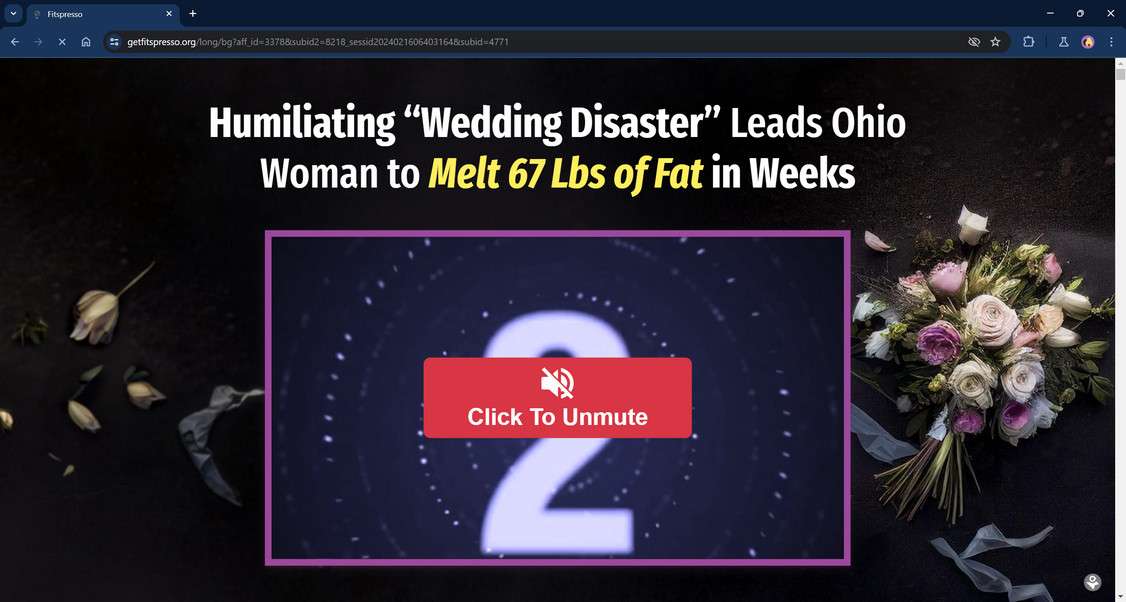
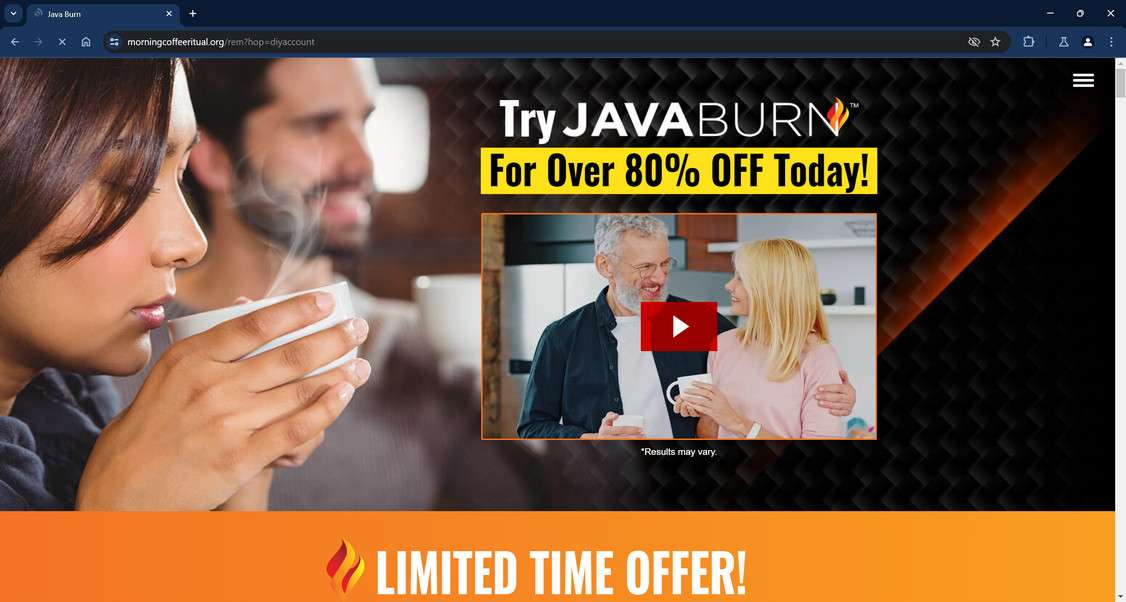
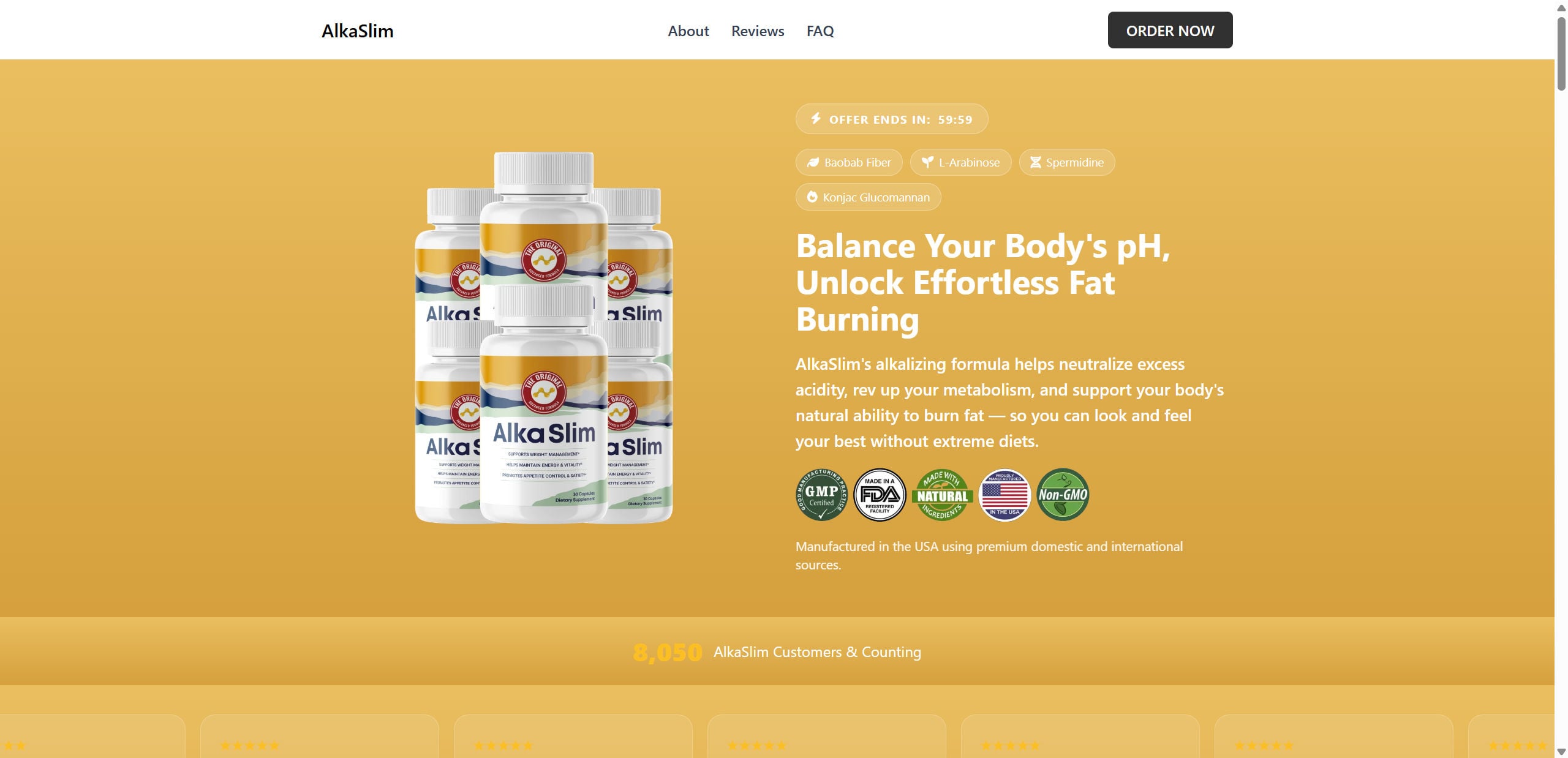
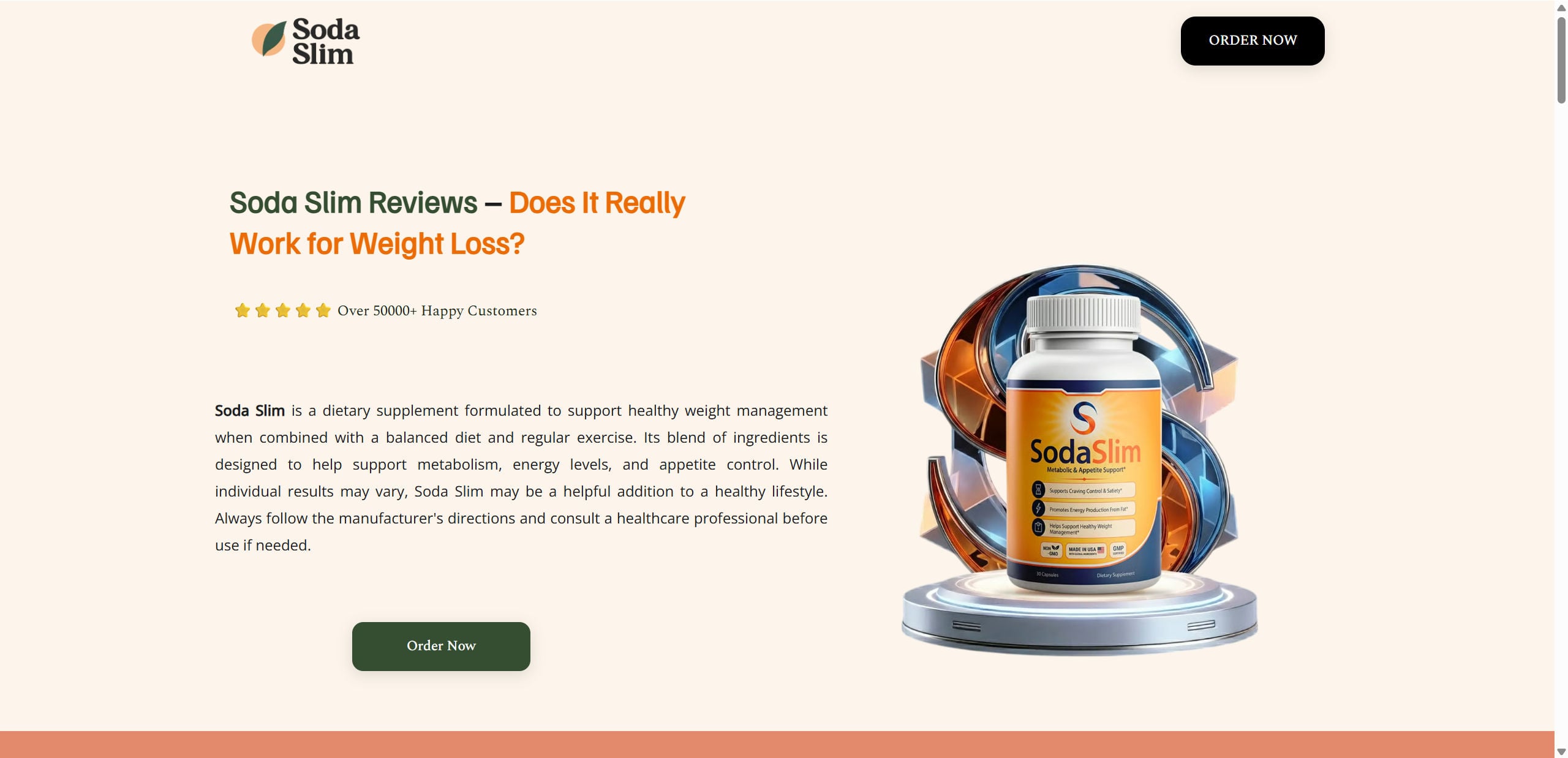
That bottle may be branded FitSpresso, Java Burn, Alka Slim, Soda Slim, or another weight-management name. These examples are not proof that every coffee-themed product shares one owner. They demonstrate why consumers should evaluate the marketing funnel, checkout, and responsible company rather than trusting the story attached to a label.
MalwareTips has previously examined the FitSpresso coffee loophole offer, the Java Burn coffee trick, and newer weight-loss products such as Alka Slim and Soda Slim.
What the Real Evidence Shows
A polished video is not proof of an endorsement. Modern editing can take an unrelated interview, preserve the face on screen, and replace the audio with a script the person never read. Lip-sync tools can then make the mouth roughly match the synthetic voice.
One widely circulated coffee-weight-loss video used genuine footage of Dr. Oz discussing an unrelated subject. The promotional version replaced the original audio and falsely connected him to a supplement. Similar ads have inserted celebrities such as Adele into the narrative even though they did not endorse the offer.
The safest verification method is simple: leave the ad and look for the statement on the public figure’s official website or verified account. Then search the official network or program archive. If the only copies come from sponsored posts, unfamiliar domains, and affiliate sales pages, the endorsement should not be trusted.
There is another important distinction. Dr. Oz has discussed many health topics during his media career, including coffee and weight-loss ingredients. That history does not authorize marketers to edit old footage into a new endorsement. A real clip about one subject cannot validate a different product sold years later.
How the Dr. Oz Coffee Trick Scam Works
The Entire Sales Funnel at a Glance
- A fake Dr. Oz video runs as a social media ad. AI audio makes an old or fabricated clip promise a coffee trick that supposedly melts fat.
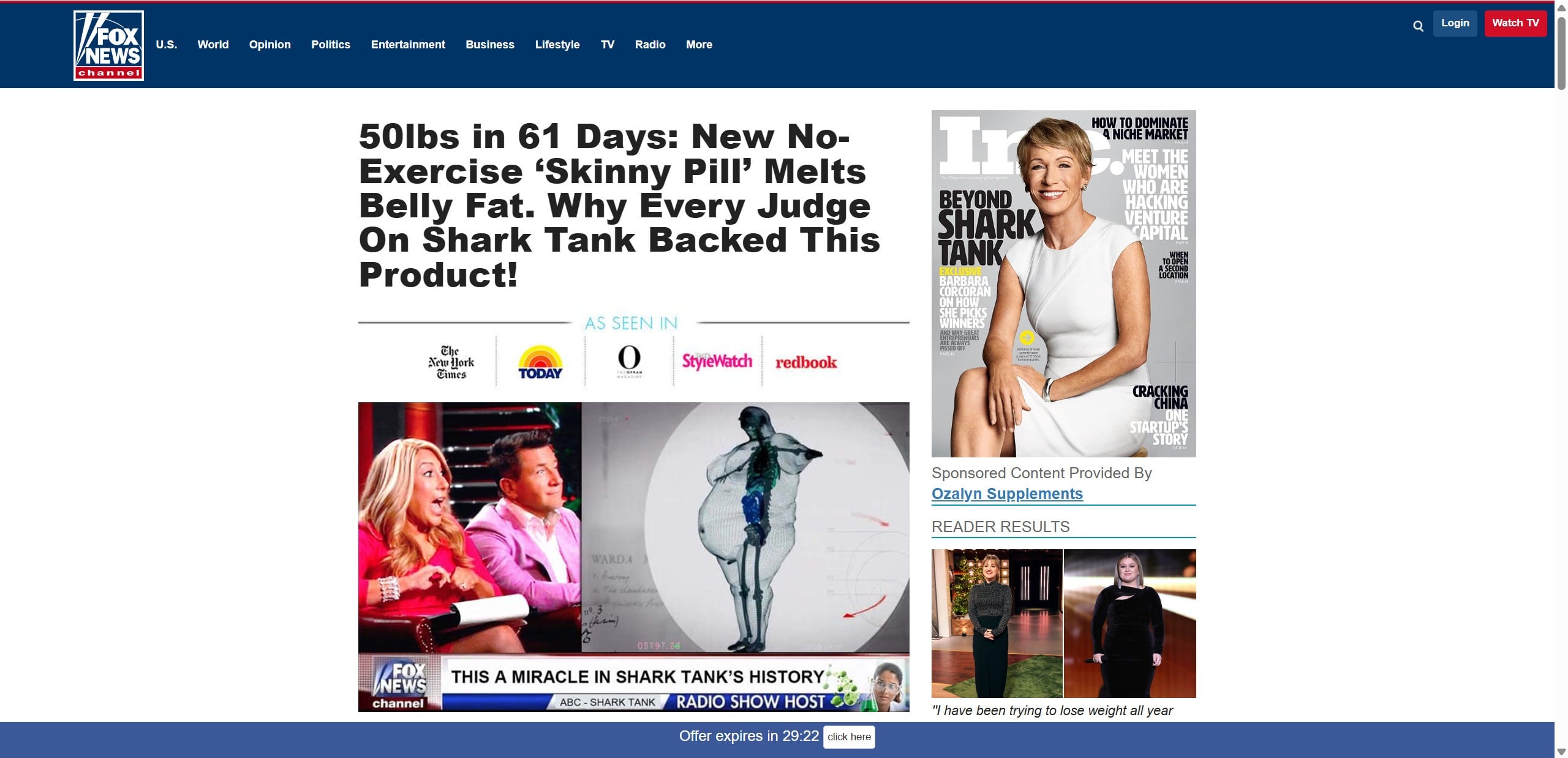
- The click leads to a fake news advertorial. The page copies Fox News, CNN, Today, or a lifestyle magazine so the sales claim looks independently reported.
- A long presentation redirects to a supplement landing page. The coffee ingredient is never properly revealed; FitSpresso, Java Burn, Alka Slim, Soda Slim, or another product becomes the answer.
- The customer thinks they are trying one bottle. A low per-bottle figure and preselected package can make the real order quantity easy to misunderstand.
- A six-bottle bundle arrives instead. The card is charged for the full package, not merely the single-bottle amount that dominated the page.
- Refill charges can follow and cancellation becomes a struggle. Buyers may face recurring shipments, hard-to-reach support, return-authorization requirements, and delays when asking for a refund.
This sequence is a common worst-case version of the funnel, not a claim that every seller uses identical billing. Before paying, the buyer must confirm quantity, complete charge, auto-ship status, and how future orders can be stopped.
Step 1: The Ad Starts With a Habit That Feels Effortless
Coffee is the perfect hook because the audience already drinks it. The ad does not ask viewers to begin a difficult program. It suggests that their routine is almost correct and only lacks one secret addition.
Phrases such as “before your first sip” or “add this for 7 seconds” make the method feel specific without providing enough information to test it.
Step 2: Altered Dr. Oz Footage Supplies Instant Authority
The video may look like a television interview, podcast, or casual phone recording. A cloned voice attributes dramatic statements to Dr. Oz, while subtitles repeat the promise for viewers watching without sound.
Scammers benefit even when the synchronization is imperfect. Many people recognize the face, hear the name, and process the endorsement before noticing visual inconsistencies.
Step 3: Another Celebrity Is Added as a Success Story
A singer, actor, or television personality may be described as proof that the trick works. Before-and-after images are placed beside invented quotes about weight dropping quickly and naturally.
Those photographs may come from different dates, health programs, or completely unrelated articles. The ad rarely provides a verifiable interview in which the celebrity names the exact product.
Step 4: The Visitor Lands on a Page That Looks Editorial
The click may open a fake news page, lifestyle article, or quiz rather than an obvious store. Familiar colors and logos are used to lower resistance while repeated buttons all lead deeper into the same funnel.
Check the domain before reading the headline. A page can copy the Fox News, CNN, Today, or magazine layout without having any connection to that organization.
Step 5: A Long Video Delays the Recipe
The narrator promises that the ingredient will be revealed shortly, then introduces a personal transformation, a supposedly suppressed study, and a theory about metabolism. New open loops keep the viewer waiting.
If the recipe were the real offer, it could be explained in a few sentences. The delay exists because attention is being converted into purchase intent.
Step 6: Ordinary Biology Is Rewritten as a Secret Discovery
The presentation may talk about GLP-1, fat cells, hormones, pH, inflammation, ketosis, or a “metabolic switch.” Scientific words are mixed with oversimplified explanations so the pitch sounds researched.
Real evidence for weight management depends on the exact ingredient, dose, population, outcomes, and study quality. A diagram and laboratory coat do not establish that the product at checkout produces the promised result.
Step 7: The Pantry Ingredient Quietly Becomes a Supplement
At the turning point, viewers are told that home ingredients are too weak, contaminated, or difficult to combine. The seller’s formula allegedly contains the precise ratio needed to activate the effect.
The coffee trick has now done its job. What sounded like a free kitchen tip becomes a multi-bottle order.
Step 8: The Brand Can Change Without Changing the Script
A campaign can redirect traffic to whichever offer currently pays the best commission. Product names, bottle artwork, and ingredient lists can rotate while the Dr. Oz footage and coffee narrative remain largely unchanged.
This is why one person may remember Java Burn while another reaches FitSpresso, Alka Slim, Soda Slim, or a product that did not exist a month earlier.
Step 9: The Checkout Pushes a Larger Bundle
Price cards are commonly arranged so the six-bottle option appears to offer the greatest savings. The amount in the largest type is often the cost per bottle, not the total charged today.
Buyers may also encounter handling fees, shipping protection, digital guides, or post-purchase upsells. Read the final total before confirming anything.
Step 10: Refill Terms Can Turn One Order Into Many
Some offers are one-time purchases. Others use auto-ship, continuity, or negative-option terms that authorize future deliveries unless the customer cancels. The difference must be visible before payment, not discovered on a later card statement.
Search the checkout and terms for “monthly,” “subscription,” “recurring,” “auto-renew,” “membership,” and “cancel.” A vague guarantee is not a substitute for clear billing terms.
Why Coffee Trick Ads Are So Convincing
The pitch removes friction one layer at a time. Coffee feels safe and familiar. Dr. Oz feels recognizable. The extra ingredient sounds inexpensive. A celebrity transformation supplies social proof, while the fake news page makes the story appear independently verified.
Then the presentation introduces scarcity: the video may be removed, the stock may run out, or the discounted batch may expire. Urgency prevents the viewer from pausing to search for the original clip or read the checkout terms.
The strongest defense is not becoming an expert in deepfakes. It is refusing to buy a medical or weight-loss product through a chain that begins with an unverifiable endorsement.
Company, Address, and Fulfillment Red Flags
The Brand Name Is Not the Company Name
FitSpresso, Java Burn, Alka Slim, or Soda Slim may be the name printed on the bottle, but another entity can own the website, process the card, handle support, and ship the parcel. Compare every company name in the checkout, terms, receipt, and statement. A trail of unrelated names is a warning, not harmless paperwork.
Disposable supplement funnels can replace a brand quickly while keeping the same merchant operation. If no legal owner can be identified before payment, a celebrity story and glossy label should not fill that gap.
A Fulfillment Center Is Not a Headquarters
Search the listed address on a map and in business records. Many returns go to third-party warehouses that ship products for dozens of sellers. Other addresses may be virtual offices, mail drops, private homes, or properties belonging to unrelated companies.
A warehouse proves only that someone can move boxes. It does not identify who created the Dr. Oz ad, who manufactured the powder, or who has authority to approve a refund.
Test the Phone and Email Before You Pay
Call support and ask three direct questions: Is this a one-time order? What is the complete total? Where are opened bottles returned? A number that never answers, an agent who cannot identify the brand, or an email that produces only automated replies tells you what cancellation may look like later.
Unknown Private-Label Supply Chains Can Be Dangerous
Weight-loss capsules can be mass-produced for private labels through domestic or overseas suppliers, including factories in China. The country alone does not establish safety. What matters is whether the seller identifies the real manufacturer, importer, ingredient source, lot number, and independent laboratory results.
When those records are hidden, no buyer can verify potency, allergens, contamination, or undeclared pharmaceutical ingredients. That uncertainty matters especially for weight-loss products, which regulators have repeatedly found adulterated with hidden drug substances.
Red Flags That Expose the Funnel
- Dr. Oz appears in a sponsored post, but the clip cannot be found on his official channels.
- The voice sounds smooth yet emotionally flat, or the lips do not consistently match the words.
- The ad claims a celebrity lost an extreme amount of weight in an unusually short time.
- A fake news page uses a domain unrelated to the logo displayed at the top.
- The coffee ingredient is promised repeatedly but never given with usable measurements.
- The pitch says doctors or drug companies are trying to censor the video.
- A supplement suddenly replaces the supposedly free recipe.
- The seller provides dramatic claims but no trial for the exact finished product.
- Only the per-bottle price is prominent, while the order total is easy to miss.
- Refund and refill terms are harder to locate than the order button.
How to Check a Dr. Oz Endorsement Before You Buy
Start with the original source, not the sponsored post. Search Dr. Oz’s verified website and social accounts for the exact product name and the exact sentence used in the ad. A real endorsement should be traceable without following an affiliate’s order link.
Next, search for a longer version of the clip. Scam ads often borrow a few seconds from a legitimate interview, remove the real audio, and place the edited segment inside a new frame. Finding the original frequently reveals that coffee supplements were never discussed.
Check the company separately from the celebrity. Look for a legal business name, a physical address that belongs to that company, a support number that answers with the same brand, and a return policy that identifies where opened and unopened bottles must go. A fulfillment warehouse is not necessarily the seller’s headquarters.
Finally, read the complete label and billing terms before considering any purchase. Confirm the serving size, ingredient amounts, warnings, total order value, shipping cost, renewal status, and cancellation method. If those basic facts are hidden behind a video or only appear after card details are entered, the offer has not earned trust.
Take your time. A legitimate health seller will not require an immediate decision before you can verify its claims and costs.
What to Do if You Have Fallen Victim to This Scam
- Write down the complete transaction. Record the product name, amount, date, website, order number, advertised price, and the merchant descriptor on the statement. They may not match, and that mismatch can be important when tracing a charge.
- Cancel in writing. Tell the seller to cancel the order, all unshipped items, any membership, and every future refill. Ask for written confirmation. Keep the sent message and any response instead of relying only on a phone conversation.
- Call the bank or card company. Use the official number on the card. Describe the altered celebrity endorsement, any price difference, and whether recurring billing was disclosed. Ask about blocking future charges from the merchant and about the deadline for a dispute.
- Preserve the ad and checkout evidence. Screenshot the Dr. Oz video, account that posted it, fake news domain, order page, terms, confirmation, and refund policy. Save packaging and emails. Do this before reporting the ad because the platform may remove it.
- Monitor for rebilling. Turn on transaction alerts and review statements carefully. A later charge may use a new company name. If the card issuer replaces the card, ask whether recurring payment updater services could still pass the new number to the merchant.
- Speak with a healthcare professional. Stop treating the sales video as medical guidance. If you took the supplement or changed medication because of the ad, tell a qualified clinician what happened and show the label. Seek prompt help for concerning symptoms.
- Report the campaign. Report the social media account and ad for impersonation, manipulated media, fraud, or misleading health claims. U.S. consumers can also report the transaction to the FTC and the Internet Crime Complaint Center.
- Ignore paid recovery offers. A caller who already knows the product name may have obtained a buyer list. Do not pay an upfront fee or provide remote access to your device. Work with the card issuer and official agencies directly.
Frequently Asked Questions
Is the Dr. Oz coffee trick a genuine recipe?
The viral “7-second” or “coffee loophole” presentation is not a verified Dr. Oz recipe. It commonly withholds the promised ingredient and redirects viewers to capsules, powder, or another paid weight-loss product.
Did Dr. Oz endorse the supplement shown in the ad?
Do not treat an edited clip as an endorsement. Scam ads can replace the audio in genuine footage and create new lip movement. The exact product recommendation should appear on a verifiable official channel before it is trusted.
Why do different people see different product names?
Affiliates can connect the same coffee script to FitSpresso, Java Burn, Alka Slim, Soda Slim, or another offer. The destination may change according to commission, inventory, or payment processing while the fake celebrity story remains.
Does adding something to coffee cause rapid weight loss?
A dramatic claim requires evidence for the exact ingredient, dose, and finished formula. A testimonial, metabolism animation, or celebrity before-and-after image does not prove that a coffee additive produces the advertised result.
Will the checkout automatically create a subscription?
Not every seller uses recurring billing, but some pages include auto-ship, continuity, membership, or negative-option terms. Search for those words and confirm the complete charge and shipment schedule before entering a card.
How can I stop charges after ordering?
Send a written cancellation covering all refills and memberships, then contact the card issuer. Keep the ad, checkout, terms, receipt, and merchant descriptor because the billing company may not match the brand on the bottle.
The Bottom Line
The Dr. Oz coffee trick is not a verified recipe or endorsement. It is a flexible sales story that can be attached to different supplements, from coffee-branded capsules to newer weight-loss formulas.
If a video with Dr. Oz leads through a fake article, withholds the promised ingredient, and ends at a pressured multi-bottle checkout, close the page. The morning routine is familiar; the authority, miracle, and urgency are manufactured.








