

An ad shows Oprah in a bright kitchen, speaking candidly about weight, injections, and a simple drink she supposedly uses every morning. The scene feels personal enough to lower your guard.
But the Oprah “baking soda shot” is not a genuine recommendation. The video is fabricated or manipulated, the dramatic weight-loss quotes are invented, and the promised household recipe is a bridge to a supplement checkout.
Overview
What the Baking Soda Shot Story Claims
The Oprah baking soda shot scam uses AI-generated or deepfake media to claim that Oprah Winfrey lost a large amount of weight with a drink made from baking soda and a few common ingredients. Some versions call it a baking soda water shot, a $1 recipe, or a GLP-1 activating morning ritual.
The story often appears on a page styled to resemble the Today show or another familiar media outlet. A headline may claim a Yale doctor revealed the method that helped Oprah lose 43, 56, or another eye-catching number of pounds without injections.
Oprah Did Not Endorse the Recipe or Products
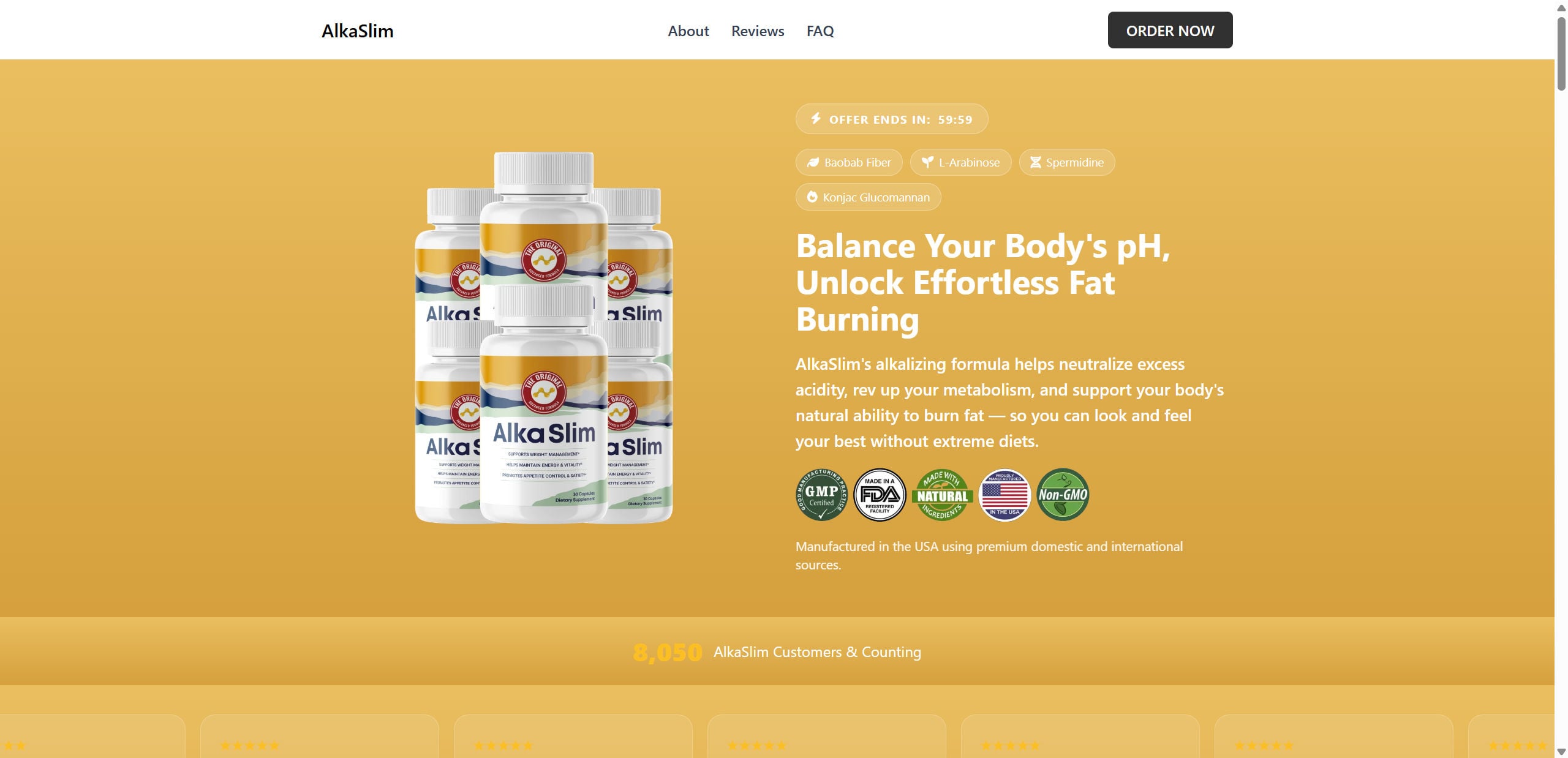
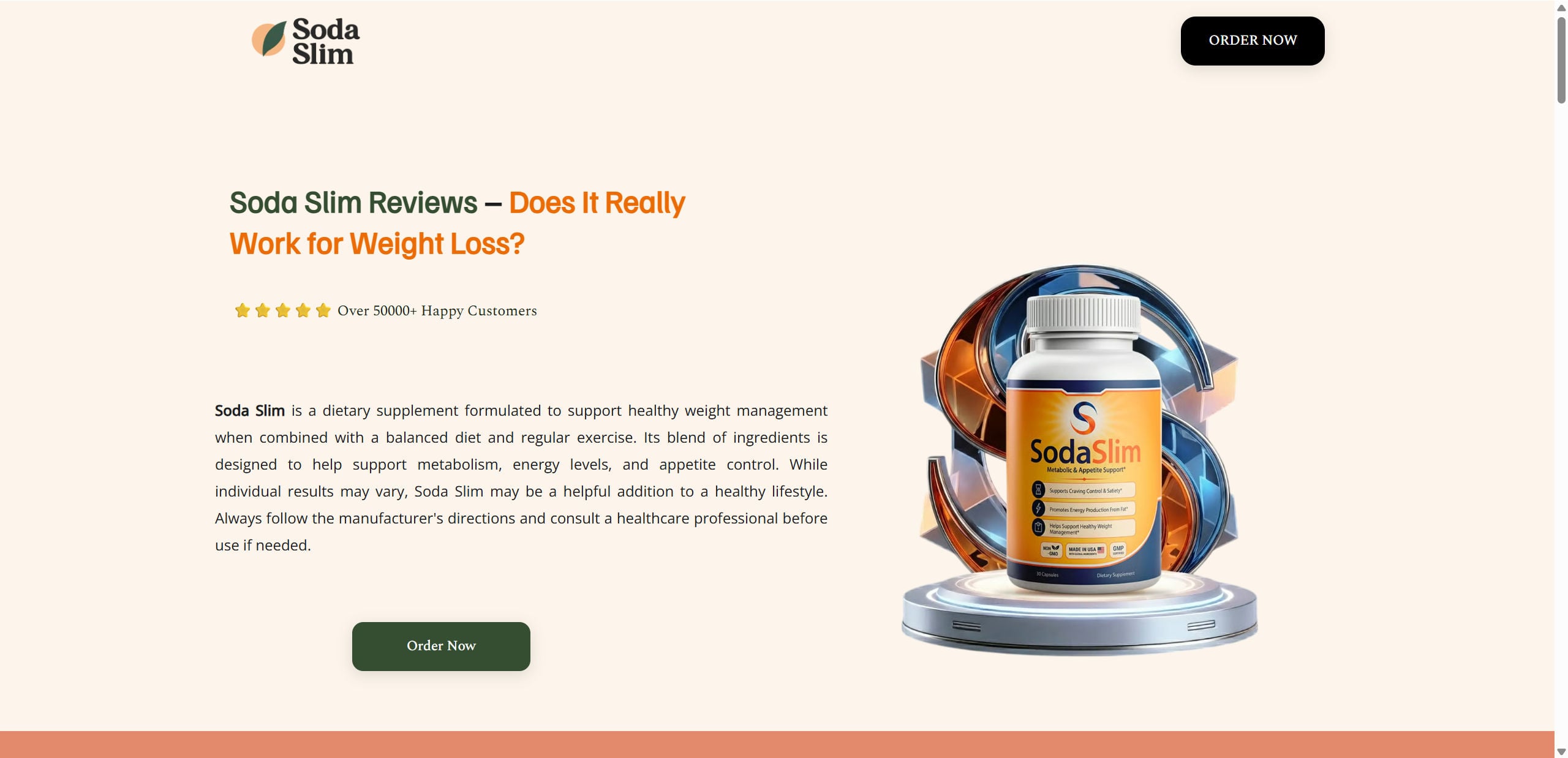
Oprah did not endorse Alka Slim, Soda Slim, or a miracle baking soda drink. The kitchen clips attributed to her can be created entirely with AI, while other versions use authentic photographs or video fragments with new audio and captions.
The product is not always named in the opening ad. Viewers are encouraged to watch a long presentation for exact ingredients. The promised measurements keep moving farther away until the narrator says a concentrated formula is the only reliable way to reproduce the effect.
The Recipe Ends at a Rotating Supplement Offer
That is when the bottle appears. The destination may be Alka Slim, Soda Slim, Lean Peak, a gummy product, drops, or another weight-loss label. The campaign can swap offers without giving up the Oprah storyline that attracts clicks.
MalwareTips has a separate investigation of the broader baking soda water shot funnel, along with product-focused reviews of Alka Slim and Soda Slim.
Why Oprah Is So Effective as the Hook
Oprah has discussed weight publicly for decades. Many viewers feel they know her story, which gives scammers a ready-made emotional connection. An invented first-person confession can sound plausible because it is attached to a real and familiar history.
The fraudulent video may claim that Oprah stopped injections, found a gentler method, or finally decided to reveal what powerful interests wanted hidden. Those statements are not made credible by an AI voice that resembles hers.
The ad also uses vulnerability as sales pressure. It addresses women who feel tired of dieting, frustrated by changing hormones, or worried about the cost and side effects of legitimate treatment. The message is crafted to sound like one woman quietly helping another.
That warmth is precisely why the source matters. A recognizable face can be generated on demand, and subtitles can place any sentence beneath it. The endorsement should be considered false unless it can be found through Oprah’s verified channels or a genuine program archive.
Why a Familiar Ingredient Does Not Make the Claim Safe
Baking soda has legitimate household and medical uses, but that does not make every online dosing suggestion appropriate. The amount, frequency, a person’s health conditions, and interactions with medicines matter. A sponsored video cannot evaluate those factors for an individual viewer.
The scam blurs the difference between an ingredient and a proven treatment. It asks the audience to reason that because baking soda is inexpensive and common, a weight-loss claim built around it must also be harmless. That conclusion does not follow.
Some presentations even warn that the “wrong” version causes nausea or bloating, then use that warning to sell their proprietary formula. This is not responsible safety communication. It is a way to make the advertised bottles appear necessary after curiosity was created with a free recipe.
The same caution applies to badges on the product page. Phrases such as “natural,” “GMP certified,” or “made in an FDA registered facility” do not mean the FDA approved a supplement for weight loss. Dietary supplements are not preapproved by the agency for effectiveness in the way the ad may imply.
The FDA also warns that some products marketed for weight loss have contained hidden drug ingredients. That warning does not prove that every bottle shown in these campaigns is contaminated, but it is a strong reason not to treat an anonymous social media funnel as a substitute for transparent manufacturing and professional advice.
If a method truly produced the extraordinary results claimed in the Oprah video, credible evidence would identify the intervention precisely, disclose risks, and allow independent experts to examine the data. It would not depend on a disappearing advertorial, an AI celebrity, and a countdown timer.
Do not experiment with large or repeated amounts simply because the ingredient is in a kitchen cupboard. People with heart, kidney, digestive, or blood-pressure concerns may face additional risks, and a clinician or pharmacist can give guidance based on the person’s actual medicines and health history. Never let urgency replace careful, independent verification.
How the Oprah Baking Soda Shot Scam Works
The Entire Sales Funnel at a Glance
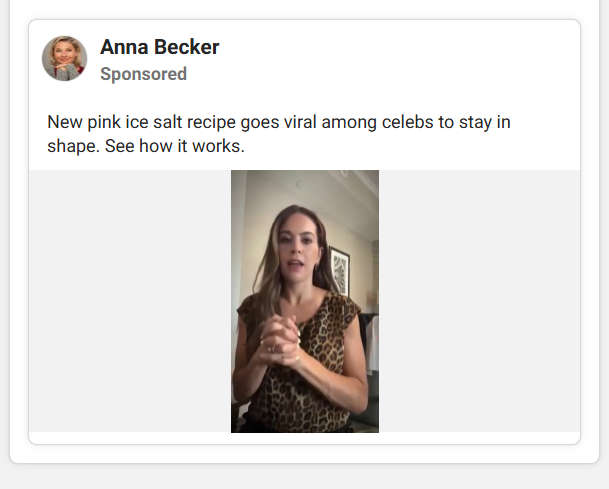
- An AI Oprah video appears in a sponsored social post. The synthetic clip claims a baking soda shot produced dramatic weight loss without injections.
- The post opens a fake trusted-site advertorial. A copied Today, CNN, or magazine layout makes the unauthorized story look like real reporting.
- The advertorial funnels viewers to a supplement landing page. Instead of giving a usable recipe, it introduces Alka Slim, Soda Slim, gummies, drops, or another rotating formula.
- The buyer believes they selected one bottle or a modest trial. The page highlights one low price while a larger multi-bottle option may already be selected.
- The actual delivery can contain six bottles. The full bundle charge appears on the card, leaving the customer with far more product and a much higher bill than expected.
- Automatic refills can be hard to cancel. The seller may point to small-print terms, require repeated calls, delay return instructions, or deny a refund after another shipment is processed.
Some checkouts are one-time purchases, while others follow this full subscription-trap pattern. The safe approach is to treat quantity, total price, future shipments, and cancellation terms as four separate facts that must all be clear before ordering.
Step 1: A Sponsored Post Promises an Easy Morning Ritual
The first message avoids talking about pills. It says a small baking soda shot before breakfast can activate natural fat-burning, replace injections, or fix the reason diets stopped working.
Because baking soda is cheap and familiar, the viewer expects practical instructions rather than a large purchase.
Step 2: An AI Oprah Video Creates a Personal Connection
The ad may show Oprah holding a glass, speaking from a kitchen, or warning viewers that other recipes online are wrong. Her synthetic voice describes a rapid transformation and credits a doctor with the “correct” formula.
Fully generated scenes may show overly smooth skin, inconsistent jewelry, warped kitchen labels, changing fingers, or a background that shifts between frames. Deepfakes built from real footage may be harder to spot.
Step 3: The Story Attacks Legitimate Treatments
Some versions contrast the recipe with prescription injections and claim the drink activates GLP-1 naturally. The language suggests that established options are unnecessary, dangerous, or promoted only for profit.
This is a serious warning sign. Treatment decisions belong with a licensed healthcare professional who knows the patient’s history, not an anonymous advertiser using a celebrity avatar.
Step 4: A Fake Today-Style Article Confirms the Fiction
After the click, a page may copy a television network’s design and claim that a host interviewed Oprah or a weight-loss specialist. Logos, navigation bars, and newsroom colors make the video look independently reported.
Check the full domain. Scam pages frequently use unrelated addresses, while menu items either fail or route to the same video and checkout.
Step 5: The Video Withholds the Exact Recipe
The narrator says the order, temperature, timing, or ratio matters. Viewers are warned that popular versions cause bloating, nausea, or even weight gain, so they continue watching for the safe method.
A real safety explanation would disclose the ingredients and risks immediately. Delaying them for 30 to 60 minutes shows that the mystery is part of the sales design.
Step 6: Pseudo-Science Makes the Claim Sound Clinical
The script may mention stomach pH, GIP, GLP-1, insulin, fat cells, or metabolism. Real biological terms are arranged into a simple story in which one drink supposedly corrects a universal cause of weight gain.
That does not demonstrate that the advertised formula is safe or effective. Evidence would require transparent ingredients, doses, controlled studies, meaningful outcomes, and independent review.
Step 7: Testimonials Replace Verifiable Evidence
The viewer sees comments from women who allegedly lost weight in days, before-and-after photographs, and a count of customers purchasing in real time. These elements can be invented, copied, or generated.
A testimonial cannot establish what caused a change, and an unverified review is especially weak when the page already uses a false celebrity endorsement.
Step 8: The Baking Soda Shot Turns Into Capsules
Eventually, the video claims ordinary baking soda is incomplete. The supplement allegedly supplies rare supporting ingredients in the exact proportions used by Oprah.
This is the central bait-and-switch. The viewer receives no dependable recipe and is asked to order bottles instead.
Step 9: The Checkout Emphasizes Savings, Not the Total
A six-bottle package may be marked “best value,” while a large $ amount describes the price of one bottle. The complete charge appears in smaller text or only on the next step.
Timers and stock counters discourage comparison shopping. A legitimate seller should let customers review the total, ingredient panel, return terms, and company information without artificial pressure.
Step 10: Upsells and Auto-Ship Terms Increase the Cost
Additional offers can appear immediately after payment. Some checkouts may also include recurring refills or membership language in the terms. Not every seller uses a subscription, so the actual checkout must be read carefully.
Look for future shipment dates, cancellation deadlines, and the merchant’s legal name. If those details are unclear, do not enter payment information.
The Product May Change, but the Story Stays the Same
The Oprah baking soda narrative is valuable to affiliates because it can promote almost any weight-loss supplement. Once the audience is convinced that a secret exists, the product only has to be presented as the easiest way to obtain it.
Alka Slim fits the theme through its “Alka” name and pH language. Soda Slim uses an even more direct connection to the pantry hook. Another campaign can replace both with gummies or drops and keep most of the video intact.
Consumers should not assume that a new label represents a new discovery. Compare the script, fake media page, testimonials, price cards, and checkout structure. Reused wording and identical claims often reveal that the bottle is simply the latest ending to an older story.

Company, Address, and Fulfillment Red Flags
A Polished Bottle Can Front an Untraceable Seller
Alka Slim and Soda Slim are product labels, not proof of who is legally responsible. Locate the entity accepting the payment and compare it with the names in the terms, privacy policy, receipt, return instructions, and card statement. If the identity changes at every step, getting a refund may become a game of passing responsibility.
The Listed Address May Belong to Someone Else
Check the address before ordering. It may be a fulfillment warehouse, rented mailbox, residence, virtual office, or an unrelated company whose details were copied onto the page. A fulfillment center can receive returns and still know nothing about the Oprah deepfake, formula, subscription, or seller.
Ask for the actual headquarters and manufacturing location. If support supplies only a returns depot, the business has not answered either question.
Silent Support Makes the Guarantee Meaningless
Test the phone number and email while no money is at stake. Warning signs include endless hold music, disconnected numbers, generic agents handling multiple brands, unanswered messages, and refusal to put cancellation terms in writing. A 60-day guarantee is only advertising if the customer cannot reach anyone authorized to honor it.
Private-Label Supplements May Have an Invisible Supply Chain
Some fast-changing weight-loss products can be mass-produced through brokers or overseas factories, including facilities in China, then relabeled for different campaigns. Being made in China does not automatically make a product unsafe. Hiding the manufacturer, importer, test results, and lot history does.
Without transparent batch testing, the customer cannot rule out incorrect ingredient amounts, contamination, undeclared allergens, or hidden drug compounds. That risk is far more serious than the harmless kitchen-drink image used to attract the click.
Red Flags You Can Check in Less Than a Minute
- Oprah appears to recommend a product, but the clip is absent from her verified accounts.
- The video promises extreme weight loss without normal tradeoffs or medical supervision.
- The page claims injections can be replaced by a household drink.
- A Today, CNN, or other media logo appears on an unrelated domain.
- The exact recipe is always “coming next” but never arrives.
- AI artifacts appear in hands, teeth, background labels, voice cadence, or lip movement.
- The product name is hidden until late in the presentation.
- Clinical language appears without a study of the exact finished supplement.
- The price per bottle is much more visible than the total order amount.
- Refund, cancellation, and recurring billing terms are difficult to locate.
What to Do if You Have Fallen Victim to This Scam
- Pause additional transactions. Do not accept follow-up calls offering a larger discount, extra bottles, or a special companion formula. Do not provide the card number again to someone who claims the first payment failed.
- Send a clear cancellation request. Ask the merchant to cancel unshipped goods, future refills, memberships, and recurring billing. State that the purchase followed an unauthorized Oprah endorsement. Request a cancellation number and written response.
- Contact the payment provider quickly. Call the official number on the card or use the bank’s secure app. Explain the advertised amount, actual amount, and any subscription you did not knowingly accept. Ask what evidence is needed for a billing dispute.
- Collect the complete funnel. Save the sponsored post, profile name, video, fake news URL, checkout, terms, receipt, emails, shipping label, and card descriptor. A screen recording can preserve claims that disappear when the page reloads.
- Review the next several statements. Future charges may appear under a fulfillment company rather than Alka Slim or Soda Slim. Enable real-time alerts and report unfamiliar transactions immediately.
- Get appropriate medical advice. If you used the product, experienced symptoms, or stopped a prescribed treatment, contact a qualified healthcare professional. Bring the ingredient label and lot number. Urgent symptoms require urgent care, not customer support.
- Report the impersonation. Report the ad to the platform for fraud, manipulated media, and unauthorized celebrity use. U.S. consumers can also file reports with the FTC and IC3. A side effect can be reported through FDA MedWatch.
- Warn family members without blaming them. These campaigns are designed to exploit trust and frustration. A calm explanation of the fake video and hidden checkout is more useful than ridicule, especially if an older relative made the purchase.
Frequently Asked Questions
Did Oprah endorse a baking soda shot for weight loss?
No verified Oprah statement supports the viral baking soda shot or the supplements sold after these videos. The kitchen scene, voice, captions, or entire person can be generated or altered with AI.
Is a baking soda weight-loss drink safe to try?
Baking soda is not automatically safe in any amount or frequency. Sodium intake, medical conditions, and medication interactions matter. Do not follow dosing instructions from an anonymous sponsored video; ask a qualified clinician or pharmacist.
What products are connected to the Oprah storyline?
Versions can lead to Alka Slim, Soda Slim, Lean Peak, gummies, drops, or another rotating formula. A product appearing after the video does not prove Oprah used, recommended, or even knew about it.
Why does the video keep delaying the exact recipe?
The missing recipe keeps viewers watching. Near the end, the narrator says ordinary ingredients are incomplete and presents a supplement as the convenient solution. The delay is a sales mechanism, not responsible instruction.
Can the offer include six bottles or automatic refills?
Some checkouts use larger preselected packages or recurring terms, while others do not. Confirm bottle count, total charged today, future shipment dates, and the cancellation method before approving the transaction.
What should I save if I need a refund?
Save screenshots of the Oprah video, fake media page, price cards, selected package, terms, confirmation, shipping label, and card descriptor. Written evidence helps the bank understand an unexpected bundle or undisclosed renewal.
The Bottom Line
Oprah did not endorse a baking soda shot, Alka Slim, Soda Slim, or another supplement as a shortcut to rapid weight loss. Her image is the emotional hook, the recipe is the delay, and the bottles are the commercial destination.
When a sponsored video turns a household ingredient into a miracle and a celebrity into a salesperson, verify the original clip before believing anything that follows. If the endorsement is fake, the checkout does not deserve your card.








