

The “Baking Soda Water Shot” weight loss recipe is spreading through viral ads that promise fast fat loss, better blood sugar, and a cheap morning ritual that supposedly works like expensive medication.
The pitch sounds simple: mix baking soda with water, drink it at the right time, and watch your body start burning fat.
But that is not what is really happening.
In many cases, the baking soda recipe is just bait. The real goal is to push viewers toward supplement bottles, “metabolism formulas,” or products like Lean Peak through fake celebrity clips, fake doctor endorsements, and high-pressure checkout pages.
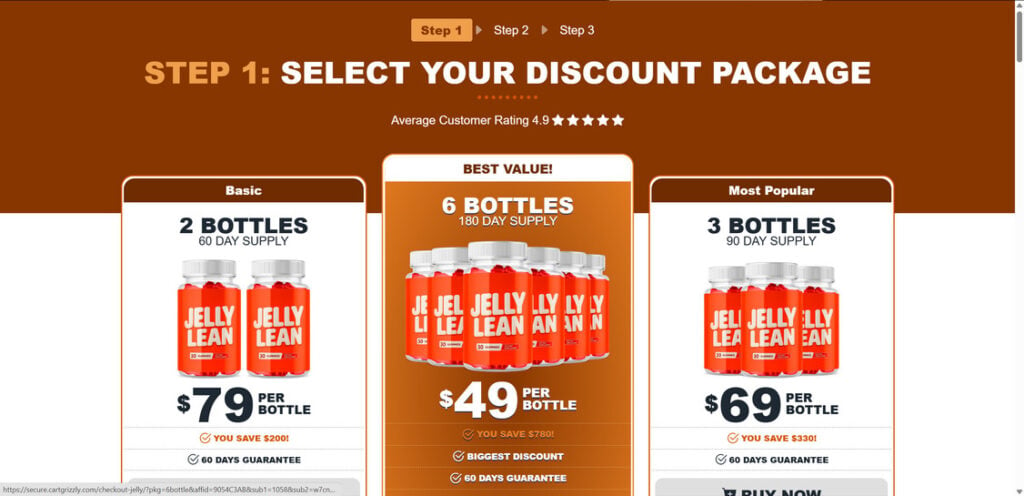
Scam Overview
The Baking Soda Water Shot scam follows a familiar pattern.
It starts with a cheap kitchen ingredient that feels harmless. Baking soda is already in many homes, so the claim does not sound as suspicious as a random diet pill at first.
That is exactly why the hook works.
The ad makes the viewer think:
“If this is just baking soda and water, maybe it’s worth trying.”
Then the pitch slowly turns into something much bigger.
The ad may claim the baking soda shot can:
- melt stubborn belly fat
- activate GLP-1 or other fat-burning hormones
- balance blood sugar
- reduce cravings
- replace expensive weight loss medications
- work without real diet or lifestyle changes
Those claims are the problem.
Baking soda is not a proven weight loss treatment. It does not magically activate fat burning. It does not replace prescription medication. It does not fix diabetes. It does not work like medical obesity treatment.
The scam takes a basic household ingredient and wraps it in modern medical buzzwords to make it sound powerful.
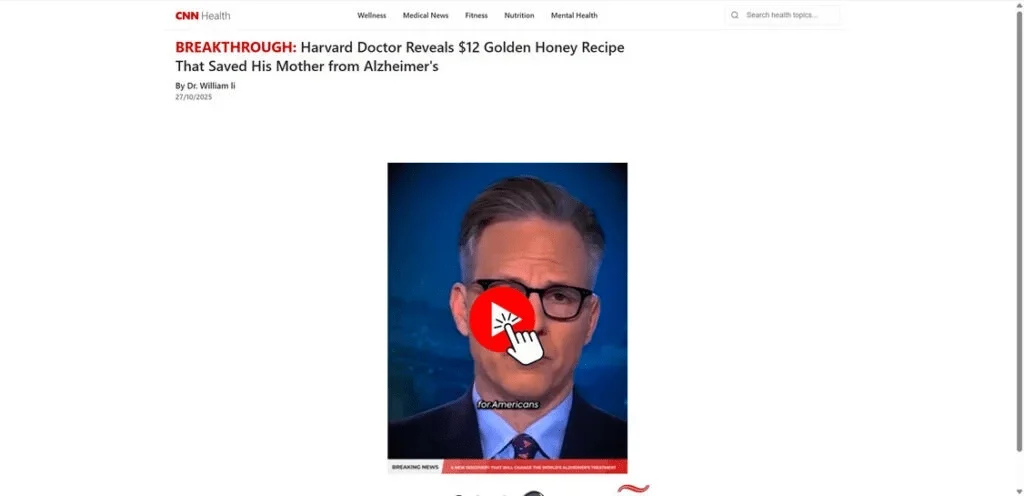
The recipe is usually bait
A legitimate recipe is simple.
It gives you ingredients, measurements, instructions, and realistic expectations.
These scam ads usually do something different.
They tease the recipe, delay the details, and push you into a long video. The video may keep repeating that the “real reason” this works will be revealed soon.
That delay is intentional.
The longer you watch, the more invested you become. By the time the supplement appears, you may already feel like you have discovered something valuable.
That is when the page shifts.
Suddenly, the baking soda shot is not enough. Now you are told you need a special supplement, formula, capsule, gummy, or dropper bottle to “unlock” the full effect.
That is the bait-and-switch. You clicked for a cheap recipe. You are being sold a product.
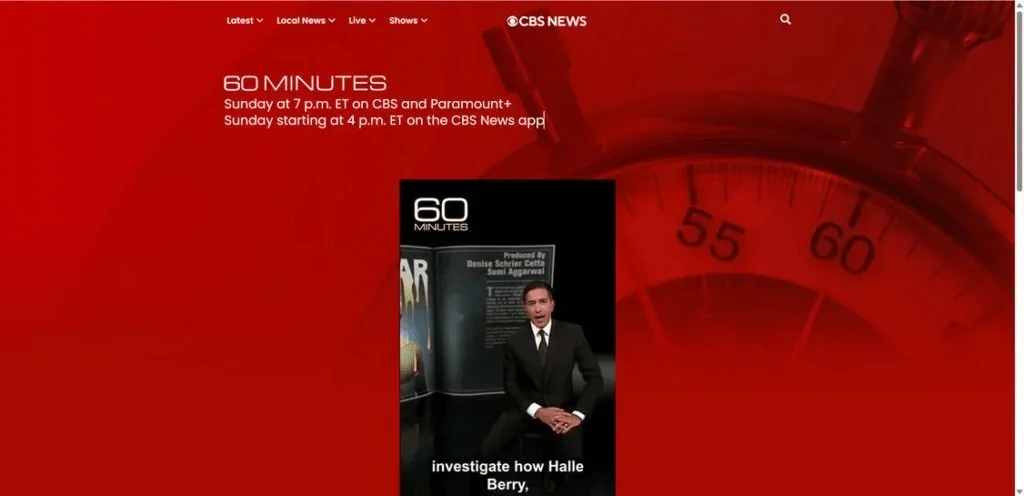
The celebrity clips are often fake
Many versions of this scam use familiar names to make the pitch feel trustworthy.
You may see ads suggesting that Oprah Winfrey, Dr. Ania Jastreboff, Dr. Mehmet Oz, Dr. Peter Attia, or other well-known public figures discussed or endorsed the baking soda trick.
These clips are often manipulated.
Some use AI-generated voices. Some use edited video. Some use fake interviews. Some place a real person’s face next to claims they never made.
The goal is not truth. The goal is instant trust.
When a viewer sees a famous person or doctor-like figure, they are less likely to question the claim. That is why these ads use recognizable names.
A convincing video is not proof. A familiar face is not proof. A dramatic voiceover is not proof.
Why Lean Peak and similar products show up
The Baking Soda Water Shot campaign is often tied to supplement funnels.
Lean Peak is one product name that may appear in this style of promotion, but the name can change. One day it may be Lean Peak. Another day it may be gummies, drops, capsules, or a completely different “fat-burning” formula.
That is common with this type of scam.
The product is replaceable.
The funnel is the real system.
The same ad structure can sell different bottles by changing the label, domain, and checkout page.
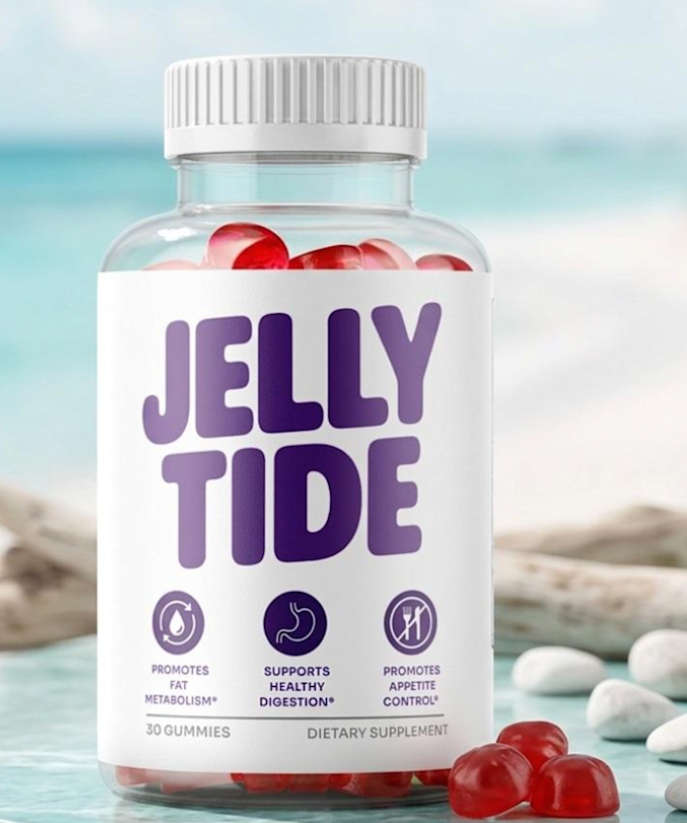
The “natural” language is used to lower suspicion
These pages often use phrases like:
- natural
- safe
- doctor recommended
- plant-based
- gentle
- clinically tested
- made in the USA
- GMP certified
- FDA registered facility
These phrases are designed to make the product feel safe and official.
But they do not prove the product works.
They do not prove the celebrity endorsement is real.
They do not prove the ingredients are safe for every person.
They do not prove the checkout terms are fair.
In scam-style supplement funnels, official-sounding language often functions as decoration. It creates trust without giving real proof.
Baking soda is not harmless for everyone
The ads make baking soda sound completely safe because it is common.
That is misleading.
Baking soda is sodium bicarbonate. It contains sodium. Taking too much can cause problems, especially for people with high blood pressure, kidney disease, heart issues, fluid retention, or people taking certain medications.
Possible problems from too much baking soda can include:
- nausea
- vomiting
- stomach discomfort
- bloating
- thirst
- electrolyte imbalance
- high sodium intake
- blood pressure issues
- kidney strain
This matters because scam ads rarely explain risks clearly.
They present the “shot” as a simple trick anyone can do, which is not responsible health advice.
The billing trap is often the real damage
For many victims, the biggest problem is not just the false recipe claim.
It is what happens after checkout.
People may think they are ordering one bottle, but later discover:
- they were charged more than expected
- multiple bottles were added
- an upsell was accepted accidentally
- shipping was higher than advertised
- they were enrolled in a refill subscription
- another charge appeared weeks later
- the merchant name on the statement looks unfamiliar
- customer support is slow or unhelpful
That is why these campaigns are so risky.
They do not just sell exaggerated health claims. They often use checkout flows that are confusing by design.
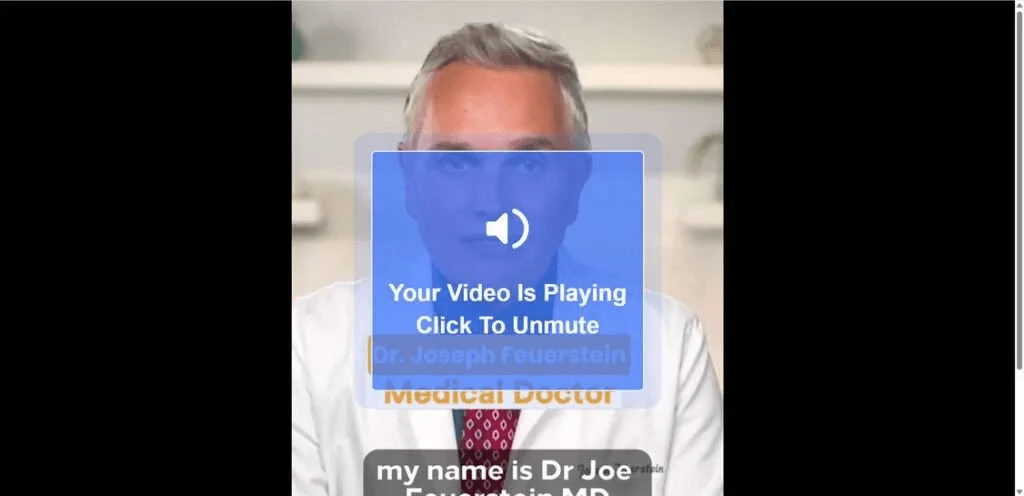
How The Scam Works
Step 1: The ad stops your scroll
The scam usually starts with a short video ad.
It may appear on Facebook, Instagram, TikTok, YouTube, or a random website.
The ad uses a bold claim to grab attention fast:
- “Baking soda water shot melts fat”
- “This morning ritual activates GLP-1”
- “Doctors are shocked”
- “Oprah’s secret weight loss trick”
- “This replaces expensive injections”
- “Watch before it gets removed”
The goal is not to educate you.
The goal is to make you click.
Step 2: A famous name creates instant trust
The ad may include a clip or headline involving a celebrity, doctor, or medical expert.
The person may appear to explain the recipe or endorse the supplement.
But the clip may be fake, edited, AI-generated, or taken out of context.
This is the trust trigger.
The scam wants you to think:
“If this doctor or celebrity is talking about it, it must be real.”
That emotional shortcut is the foundation of the funnel.
Step 3: You land on a fake health page
After clicking, you may land on a page that looks like a health article or news report.
It may include:
- a dramatic headline
- a video player
- a “tap to listen” prompt
- fake comments
- official-looking logos
- a recent date
- staged testimonials
- buttons that lead to checkout
The page may look informational, but it is built to sell.
Every section moves you closer to the product.
Step 4: The baking soda recipe is delayed
The page promises the recipe, but it does not give it clearly.
Instead, it says things like:
- “Watch this first”
- “You need to understand why this works”
- “This will be removed soon”
- “Doctors do not want this shared”
- “Stay until the end”
This delay keeps you engaged.
If the recipe were the real point, it would be shown immediately.
Step 5: The fake science begins
The video then uses medical-sounding language.
It may mention:
- GLP-1
- GIP
- insulin
- blood sugar
- fat-burning hormones
- metabolism reset
- inflammation
- toxins
- stubborn belly fat
Some of these words are real medical terms.
But the scam uses them in a misleading way.
It takes complex health topics and turns them into a simple story where one cheap drink or one supplement supposedly fixes everything.
That is not real medical guidance.
That is sales copy.
Step 6: The product appears
At some point, the page introduces a supplement.
This may be Lean Peak or another product name.
The pitch may say the supplement:
- boosts the effect of the baking soda shot
- activates fat-burning hormones
- supports blood sugar
- reduces cravings
- improves metabolism
- helps the body burn fat faster
This is the switch.
The page started with baking soda and water.
Now it wants your credit card.
Step 7: The offer uses urgency
The sales page may show:
- countdown timers
- limited stock warnings
- today-only discounts
- popups saying someone just ordered
- “people watching now” counters
- low inventory alerts
These tools are designed to rush you.
They reduce the chance that you will stop, search the product name, read complaints, or check whether the endorsement is real.
Step 8: The bundles increase the price
The page usually offers packages like:
- 1 bottle at a high price
- 3 bottles as the popular choice
- 6 bottles as the best value
This is designed to make the larger order feel smarter.
But if the product is being sold through fake claims, buying more does not make it a better deal.
It just increases your risk.
Step 9: Checkout can hide the real terms
The checkout page may include:
- pre-selected quantities
- hidden shipping fees
- upsells that look like required steps
- refill subscription terms
- small-print cancellation rules
- confusing order confirmation pages
This is where many people get caught.
They think they placed one simple order.
Then they see more bottles, a higher total, or another charge later.
Step 10: Refunds become difficult
After purchase, the smooth sales process often disappears.
You may run into:
- slow email support
- unclear return instructions
- strict refund windows
- partial refund offers
- unanswered cancellation requests
- continued rebilling
This is why many victims say these offers are easy to buy but hard to escape.
What To Do If You Bought From This Scam
1) Save all evidence immediately
Take screenshots of:
- the ad
- the video page
- the landing page
- the product page
- the checkout total
- the terms and conditions
- your confirmation email
- your bank or card statement
Do this quickly because scam pages often change or disappear.
2) Check the amount you were charged
Compare the advertised price, confirmation email, and bank statement.
Look for:
- a higher total than expected
- multiple charges
- duplicate charges
- hidden shipping fees
- unfamiliar merchant names
3) Search for subscription terms
Check your confirmation email and seller terms for words like:
- autoship
- subscription
- membership
- monthly
- refill
- continuity
- next shipment
If you see those terms, act quickly.
4) Email the seller to cancel
Send a short, direct message.
Include:
- your full name
- the email used for the order
- your order number
- a request to cancel any subscription
- a request to stop all future charges
- a request for written confirmation
Keep the email as proof.
5) Contact your bank or card issuer
If the charge was higher than expected or you see repeat billing, contact your card provider.
Ask about:
- disputing the charge
- blocking future charges
- replacing the card if needed
- marking the transaction as deceptive or unauthorized, if appropriate
Do not wait if a second charge appears.
6) Monitor your statement for at least 60 days
Watch for:
- refill charges
- monthly fees
- small test charges
- new merchant names
- shipping charges you did not approve
Some rebills appear weeks later.
7) Stop using the product if you feel unwell
If you drank baking soda water or took the supplement and felt unwell, stop and seek medical guidance.
This is especially important if you have:
- diabetes
- kidney disease
- heart disease
- high blood pressure
- fluid retention
- digestive issues
- prescription medications
8) Report the ad
Report the ad on the platform where you saw it.
Use categories like:
- scam
- fake endorsement
- impersonation
- misleading health claim
- deceptive product
- AI-generated manipulation
9) Warn others calmly
These scams are designed to look believable.
If someone you know shares the video, do not mock them. Explain that the celebrity clips are fake, the baking soda claim is unsupported, and the supplement funnel may lead to unwanted charges.
The Bottom Line
The Baking Soda Water Shot weight loss recipe is not a real breakthrough.
It is usually a scam-style supplement funnel built around a cheap kitchen ingredient, fake celebrity clips, fake doctor endorsements, and unrealistic claims about fat loss, blood sugar, GLP-1, and medication replacement.
There is no proven baking soda drink that melts fat or replaces medical treatment.
If you already bought a product like Lean Peak or another supplement through one of these ads, focus on damage control: save evidence, cancel in writing, monitor for refill charges, and contact your bank if anything looks deceptive.
FAQ
What is the “Baking Soda Water Shot” weight loss scam?
It is a viral supplement funnel that claims a simple baking soda and water drink can melt fat, improve blood sugar, activate weight loss hormones, or replace expensive medication. The recipe is usually used as bait to sell supplements like Lean Peak or similar rotating products.
Does baking soda water actually cause weight loss?
No. Baking soda water is not a proven weight loss treatment. It does not melt belly fat, activate GLP-1, or create rapid fat loss the way these ads claim.
Why do the ads mention Oprah or famous doctors?
The ads use celebrity names and doctor figures to create instant trust. Many of these clips are fake, edited, AI-generated, or taken out of context.
Is Lean Peak connected to the baking soda shot ads?
Lean Peak is one product name that may appear in this type of funnel, but the product name can change. The same scam structure can promote different bottles, gummies, capsules, or drops.
What are the biggest red flags?
Major red flags include “watch before removed” warnings, fake celebrity endorsements, impossible weight loss claims, GLP-1 buzzwords, countdown timers, fake testimonials, and checkout pages pushing multi-bottle bundles.
Can baking soda be risky to drink?
Yes, especially in large amounts or for people with high blood pressure, kidney disease, heart problems, fluid retention, or medication use. Baking soda contains sodium and is not harmless for everyone.
Why do these pages tease the recipe but then sell supplements?
That is the bait-and-switch. The baking soda recipe gets attention, but the real goal is to push viewers toward a paid supplement offer.
How do people end up with unwanted charges?
Checkout pages may include pre-selected quantities, hidden shipping fees, upsells, or refill subscription terms. Some buyers think they placed a one-time order, then see repeat charges later.
What should I do if I already bought?
Save screenshots and receipts, check for subscription terms, email the seller to cancel in writing, monitor your card statement, and contact your bank if charges look unauthorized.
Should I stop medication because of a baking soda weight loss ad?
No. Do not replace medical care or prescribed medication with a recipe from an online ad. Speak with a qualified healthcare professional before making any health changes.









Have just been scammed exactly like as above using Oprah as a fervent supporter to the tune of $375.
Yikes, LOOK OUT AI is HERE!!!
$375 is a painful lesson, and you have put your finger on why it worked. Oprah Winfrey has publicly stated more than once that she does not endorse weight-loss or supplement products and that any ad using her name or voice for one is fake – and the ones circulating now are AI-generated video and cloned audio, which is why they no longer look like the crude fakes people learned to spot.
Worth doing now: dispute the $375 with your card issuer as misleadingly sold – a fabricated celebrity endorsement is strong grounds – and ask them for a new card number, because these checkouts almost always hide a recurring charge. Then report it at reportfraud.ftc.gov and to your state Attorney General. And expect a call or email offering to recover your money for a fee; that is a second scam working from the same list of buyers.
Yikes!! I was thisclose to ordering this after watching a long video supposedly done on the Today Show with Oprah as the guest. It looked SO REAL. So convincing. Luckily, I didn’t place an order. I went to Amazon who is selling the same “Soda Shot” but under a different manufacture (which said manufacturer was hoping to scam a person like me into thinking I could get the SAME soda shot but for far cheaper). What is this world coming to where practically EVERYTHING is a scam. How can we ever be sure of what we’re seeing?
You dodged it, which is the main thing. Those Today Show clips are synthetic now – the studio footage is real, but the presenter’s mouth and voice are generated, and Oprah has spent years publicly denying endorsements she never gave. Two quick habits defeat almost all of them: search for the segment on the programme’s own site or official channel, because if it aired it will be there, and look at the domain on the checkout page, which is usually nothing to do with the brand in the video. The copycat listings you found are the second wave, when other sellers pile in with the same product under new names once a funnel goes viral. Trust the instinct that made you check in the first place.