

If you have seen videos claiming Dr. Sanjay Gupta revealed a gelatin and collagen recipe that helps people lose up to 3 pounds a day, be careful.
These ads are not normal weight loss tips. They are part of a scam-style supplement funnel using fake celebrity clips, AI-manipulated videos, impossible weight loss promises, and pressure tactics to push people toward questionable products.
The names in the videos may change, but the playbook is the same: borrow trust, promise a miracle, delay the “recipe,” then sell bottles.
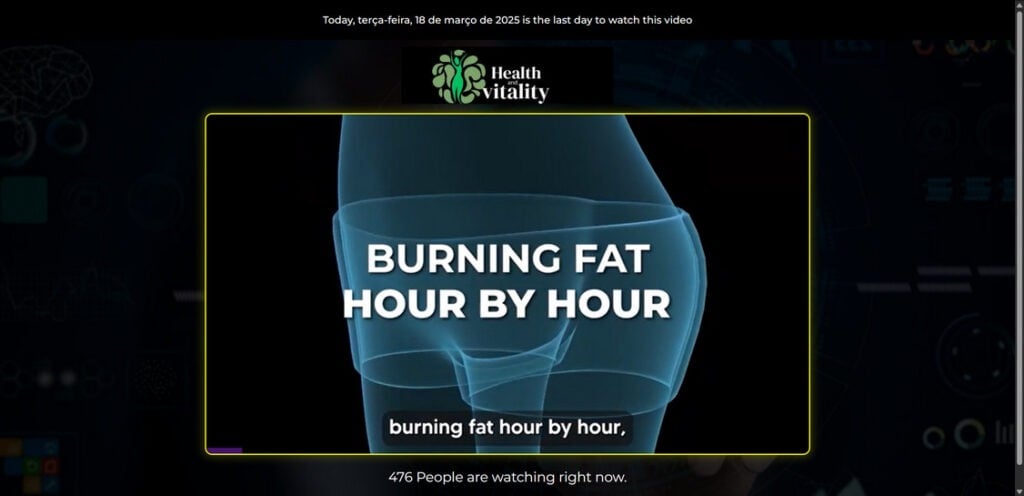
Scam Overview
The “Dr. Gupta Gelatin Recipe” scam is the latest version of a familiar weight loss trick campaign. It usually appears as a social media video, fake news-style health report, or long sales presentation claiming that a simple mix of gelatin and collagen can trigger extreme fat burning.
The claim is often framed in a very specific way.
You are told that unflavored gelatin, collagen, or a “bariatric gelatin trick” can reset your metabolism, activate fat burning, and help you lose up to 3 pounds per day.
That number is not there by accident.
“3 pounds a day” is shocking enough to stop people scrolling, but specific enough to sound planned and scientific. It creates curiosity before the viewer has time to think critically.
That is exactly how this funnel works.
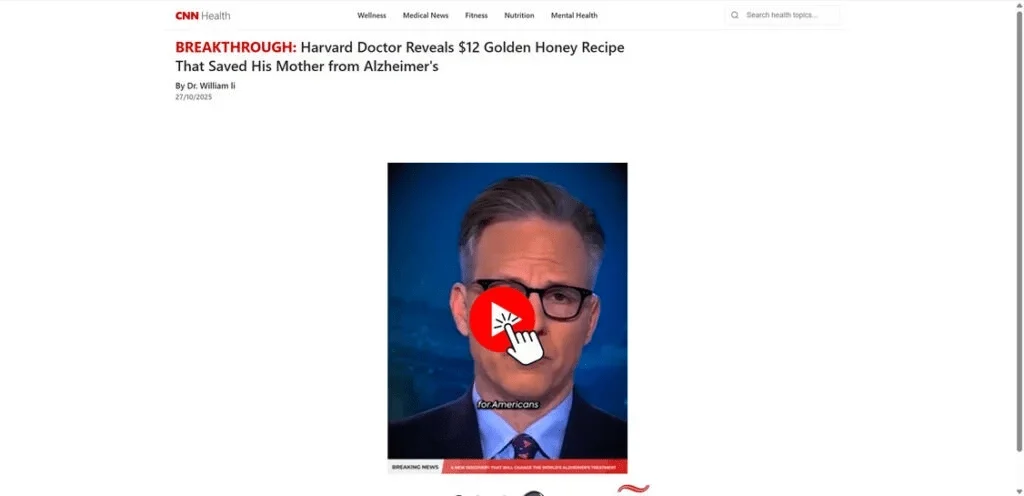
The central claim is not medically credible
Losing 3 pounds of body fat per day is not a realistic or healthy expectation from any kitchen recipe. Claims like that should immediately trigger skepticism.
Gelatin and collagen are common dietary proteins. They are used in food, drinks, supplements, and some medical diet contexts. But they do not magically unlock extreme fat loss.
The FTC warns that weight loss ads promising miraculous results, effortless fat loss, or results without diet and exercise are false promise patterns. The FTC also says there is no magic way to lose weight without a sensible diet and regular exercise.
That warning applies directly here.
A gelatin recipe may sound harmless. But when it is marketed as a rapid fat-loss breakthrough, the problem is no longer gelatin. The problem is deception.
The Dr. Gupta endorsement is the credibility trap
The scam works because it borrows authority.
Dr. Sanjay Gupta is a real physician and CNN’s chief medical correspondent, so his name carries weight. That makes him valuable to scammers.
A user watching quickly may think:
“If Dr. Gupta is explaining it, it must be real.”
But reports on this specific scam say the videos falsely claim Dr. Gupta endorsed a miracle gelatin weight loss recipe involving common pantry ingredients. Those reports also describe inauthentic depictions of Dr. Gupta and other public figures, including Michelle Obama and Jimmy Kimmel, being used in the scam content.
CNN-related clips have also shown Dr. Gupta speaking out after scammers used his likeness in AI deepfake videos and doctored images to sell bogus health cures and fake health products.
That is the key point.
A video that appears to show Dr. Gupta is not proof he said it. In the AI era, a familiar face can be manufactured, edited, or taken out of context.

Michelle Obama and Jimmy Kimmel are used the same way
The scam does not stop with Dr. Gupta.
Some versions add names like Michelle Obama and Jimmy Kimmel to make the story feel bigger, more mainstream, and more believable.
This is a familiar manipulation tactic.
The more recognizable names the video includes, the more the viewer feels like the claim has been validated by multiple public figures.
But the same scam reporting noted that Michelle Obama, Jimmy Kimmel, and other famous people were included in inauthentic depictions tied to this gelatin recipe pitch.
That does not make the claim stronger.
It makes the red flag brighter.
Deepfake-style health scams are now a major problem
This scam is part of a much larger trend.
Health fraud used to rely mostly on fake before-and-after photos and invented testimonials. Now scammers can create fake videos that appear to show real doctors, celebrities, and media personalities saying things they never said.
The FTC warns that scammers use fake celebrity and influencer endorsements, including doctored video and audio that can seem real. The agency advises people to pause, verify endorsements independently, and resist pressure to buy quickly.
This is why the Dr. Gupta gelatin recipe scam feels convincing.
It is not just a fake claim. It is a fake claim wrapped in a video that looks like trusted authority.
The “recipe” is usually bait
A real recipe page is simple.
It gives you:
- ingredients
- measurements
- preparation steps
- safety notes
- realistic expectations
The Dr. Gupta gelatin recipe scam usually does the opposite.
It teases the recipe, tells you to keep watching, adds dramatic backstory, and delays the actual instructions. Then the video or page shifts toward a supplement product, often presented as the “concentrated” version of the trick.
That is the bait-and-switch. You clicked for a recipe. You are pushed toward a bottle.
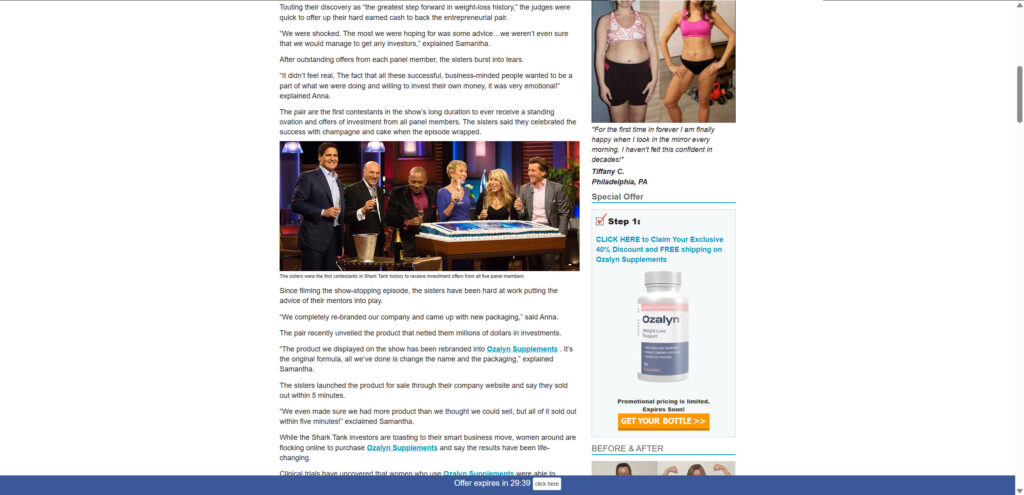
The supplement is usually the real goal
Most of these scam campaigns are not created to teach people how to mix gelatin and collagen.
They are created to sell:
- weight loss drops
- gummies
- capsules
- metabolism boosters
- “natural GLP-1” supplements
- collagen formulas
- fat-burning blends
The product name can change quickly. One campaign might point to one bottle today and a completely different label next week.
That does not mean the scam ended. It usually means the funnel was cloned.
The funnel is the asset.
The supplement is replaceable.
“Natural” does not mean safe
Many pages use comforting language like:
- natural
- plant-based
- gentle
- doctor-formulated
- clean ingredients
- made in the USA
Those phrases are designed to make the product feel safe.
But the FDA warns that many products claiming to help with weight loss, including diet pills, fat-burning pills, supplements, pills, and teas, are likely to be contaminated with dangerous hidden ingredients. The FDA also says these contaminated weight loss products are a type of medication health fraud and are often falsely advertised as dietary supplements or all-natural treatments.
That matters because a scam funnel can say “natural” all day long.
It still does not prove what is actually inside the bottle.
The billing trap is often worse than the product
Many victims of weight loss supplement funnels report that the financial problem is bigger than the health claim.
They may think they are buying one bottle, then discover:
- more bottles were added
- the total was higher than expected
- upsells were accepted accidentally
- a refill subscription was created
- the merchant name on the card statement looks unfamiliar
- customer support is slow or unhelpful
This pattern is common in scam-style supplement funnels.
The sales page is designed to be fast and emotional. The return path is often slow and frustrating.
That is why people should treat these ads as both a health risk and a billing risk.
How The Scam Works
Step 1: The ad stops your scroll with a shocking claim
The scam usually begins with a short video on Facebook, Instagram, TikTok, YouTube, or an ad network.
The claim is designed to be extreme:
- “Lose 3 pounds a day”
- “Dr. Gupta reveals gelatin trick”
- “This collagen recipe burns fat fast”
- “Doctors are stunned”
- “Watch before it gets removed”
The goal is not to educate.
The goal is to interrupt your scrolling and make you curious.
Step 2: Dr. Gupta is used as the authority trigger
Once the ad has your attention, it uses Dr. Gupta’s name or likeness to create trust.
You may see:
- a clip that appears to show him speaking
- a fake health segment
- a headline claiming he revealed the recipe
- a narrator using his credibility as proof
This is the psychological shortcut.
Instead of proving the claim, the scam borrows someone’s reputation.
Step 3: Other public figures are added to widen the trust effect
Some versions add Michelle Obama, Jimmy Kimmel, or other recognizable names.
This makes the claim feel like it is part of a bigger public discussion.
But these names are often used without permission and without any real connection to the product or recipe.
The purpose is simple: make the viewer feel surrounded by credibility.
Step 4: The video feels like a real report
The scam video may look like:
- a CNN-style segment
- a health interview
- a podcast clip
- a documentary
- a “breaking discovery” report
- a medical explanation video
This style is intentional.
A plain product ad would be easier to ignore. A fake health report feels more serious.
Step 5: The recipe is teased, but not clearly delivered
The viewer expects a simple gelatin and collagen recipe.
Instead, the page stretches the story.
It may say:
- “You need to understand why this works first”
- “Do not try this until you watch this”
- “The recipe is revealed at the end”
- “This information may be taken down”
This delay creates commitment.
Once someone has watched for several minutes, they are more likely to keep watching.
Step 6: A “hidden cause” story reframes weight gain
The video usually claims weight gain has a hidden cause.
Common themes include:
- metabolism shutdown
- hormone imbalance
- gut bacteria
- inflammation
- toxins
- GLP-1 activation
- fat-storage mode
Some of those words are connected to real health topics.
But the scam version oversimplifies them into a dramatic story where one recipe supposedly fixes everything.
That is not science. It is sales copy.
Step 7: The “3 pounds a day” claim creates urgency
The promise of losing 3 pounds a day is designed to make the viewer feel like ordinary weight loss advice is outdated.
It reframes healthy, gradual progress as too slow.
That is dangerous because it pushes people toward extreme expectations and impulsive purchases.
Step 8: The bait-and-switch happens
After enough suspense, the page pivots.
The recipe is no longer the main solution.
Now the video claims the supplement contains the “active ingredients” or “concentrated formula” needed for the trick to work.
This is where the checkout begins.
The product may be drops, gummies, capsules, or another weight loss supplement.
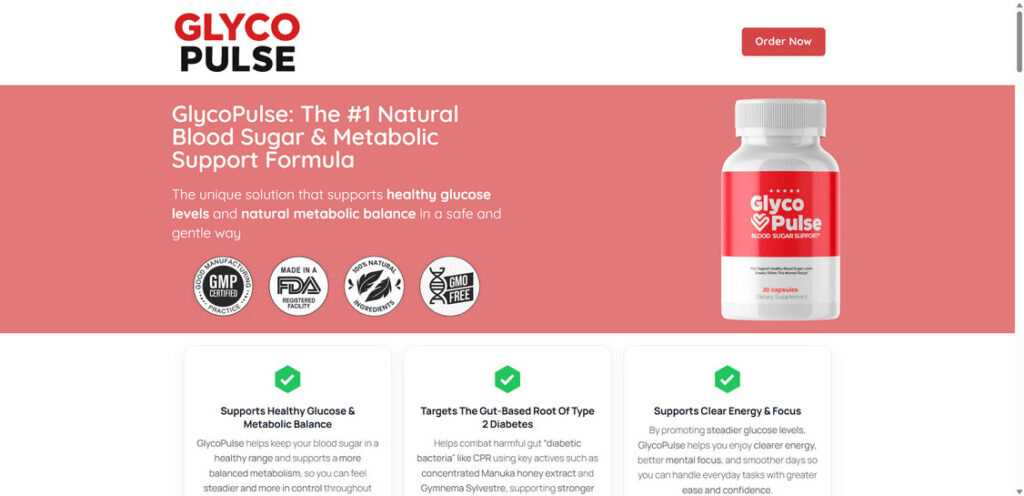
Step 9: Trust badges appear near the order form
The sales page often stacks official-looking claims near the buy button.
You may see:
- clinically tested
- doctor recommended
- FDA registered facility
- GMP certified
- lab tested
- made in the USA
- natural ingredients
These phrases are designed to reduce hesitation.
But the FDA warns that products claiming to help with health issues are not reviewed the same way approved drugs are before they hit the market, and some products may contain hidden dangerous ingredients
A badge is not proof.
A seal is not evidence.
Step 10: Urgency tools push you to buy now
The page may show:
- countdown timers
- limited stock warnings
- “discount ends today”
- purchase popups
- “people watching now” counters
These tools are not proof of popularity.
They are conversion devices designed to stop you from researching.
Step 11: Bundle pricing increases your order size
Most supplement funnels use the same pricing structure:
- 1 bottle at a high price
- 3 bottles as the “popular” choice
- 6 bottles as the “best value”
The largest package is framed as the smartest decision.
That increases how much money a buyer risks before they know whether the product is real, safe, or useful.
Step 12: Checkout confusion creates billing surprises
This is where many buyers get hurt.
Checkout flows may include:
- pre-selected quantities
- hidden shipping fees
- upsells that look like required steps
- “free bottle” language that increases the total
- refill or autoship terms in small print
- merchant names that do not match the product
A buyer may think they placed a one-time order.
Weeks later, another charge appears.
Step 13: Support becomes difficult after payment
After purchase, the smooth sales experience often disappears.
People may encounter:
- email-only support
- delayed replies
- unclear return addresses
- partial refund offers
- cancellation requests that are ignored
- repeated charges after trying to cancel
That is why these funnels feel so predatory.
They are simple to enter and hard to exit.
Step 14: The same campaign relaunches under a new name
When one product gets complaints, the funnel can be reused.
Scammers can change:
- the product name
- the domain
- the bottle image
- the celebrity names
- the video voiceover
The structure stays the same.
That is why the phrase “Dr. Gupta gelatin recipe” may lead to different products at different times.
What To Do If You Fell for This Scam
If you already bought something after seeing a Dr. Gupta gelatin recipe ad, act quickly and calmly.
1) Save all evidence
Take screenshots of:
- the ad
- the video page
- the product page
- the checkout page
- the final total
- any subscription terms
- your confirmation email
- your bank or card statement
These pages can disappear quickly.
2) Check what you were actually charged
Compare the advertised price, confirmation email, and card statement.
Look for:
- a higher total than expected
- split charges
- shipping fees
- duplicate charges
- unfamiliar merchant names
3) Search for subscription language
Check your confirmation email and terms for words like:
- autoship
- subscription
- membership
- refill
- continuity
- monthly
- next shipment
If you see any of these, act immediately.
4) Email the seller to cancel in writing
Send a short message that includes:
- your full name
- the email used to order
- your order number
- a clear request to cancel any subscription
- a clear request to stop all future charges
- a request for written confirmation
Keep a copy.
Do not rely only on phone calls.
5) Contact your bank or credit card provider
If the charge is higher than expected or you see repeat billing, contact your card issuer.
Ask about:
- disputing the charge
- blocking future charges
- replacing the card if rebilling continues
- documenting the purchase as deceptive if appropriate
Do this quickly.
6) Monitor statements for at least 60 days
Watch for:
- refill charges
- small test charges
- recurring monthly fees
- charges under different merchant names
Some rebills appear weeks later.
7) Stop using the product if you feel unwell
If you took the supplement and experienced side effects, stop using it and seek medical advice.
This is especially important if you take medication or have heart, blood pressure, diabetes, liver, or kidney issues.
8) Report the fake endorsement
Report the ad on the platform where you saw it.
Use categories like:
- scam
- fake celebrity endorsement
- impersonation
- misleading health claim
- AI-generated deception
9) Report suspicious products
The FDA says consumers can report suspicious products to be tested for hidden ingredients, and it notes that its database covers only a small fraction of contaminated or fraudulent products on the market.
10) Warn others who may be targeted
These ads often target people who feel frustrated, embarrassed, or desperate for weight loss help.
If someone you know shares one of these videos, do not shame them.
Send them clear information and explain that the video is designed to look real.
The Bottom Line
The Dr. Gupta gelatin recipe scam is not a real weight loss breakthrough.
It is a high-pressure supplement funnel built around fake authority, deepfake-style videos, and an impossible “3 pounds a day” promise.
Dr. Gupta did not endorse a miracle gelatin recipe. Michelle Obama and Jimmy Kimmel are not connected to it. Reports on this scam specifically describe inauthentic depictions of these public figures being used to sell the pitch.
If you already ordered, focus on practical protection: save evidence, cancel in writing, monitor your bank statement, and contact your card issuer if charges look deceptive.
The product name may change, but the pattern does not.
FAQ
What is the Dr. Gupta Gelatin Recipe scam?
It is a fake weight loss supplement funnel that claims Dr. Sanjay Gupta revealed a gelatin and collagen “recipe” that can help people lose up to 3 pounds per day. The ads use fake authority, manipulated videos, and exaggerated claims to push questionable supplements.
Did Dr. Gupta really endorse the gelatin recipe?
No credible evidence shows Dr. Gupta endorsed any “3 pounds a day” gelatin weight loss recipe. These campaigns often use AI-generated or manipulated clips to make it look like he supports the claim.
Are Michelle Obama and Jimmy Kimmel connected to this recipe?
No. Their names and likenesses are being used as fake trust signals. They did not endorse a gelatin weight loss recipe or the supplements tied to these ads.
Can gelatin and collagen make you lose 3 pounds per day?
No. Gelatin and collagen are common dietary proteins, but they do not magically trigger extreme fat loss. Losing 3 pounds of fat per day is not realistic or healthy.
Why do the ads look so convincing?
The scam uses deepfake-style videos, fake news layouts, celebrity names, medical language, and urgency tactics. The goal is to make the viewer trust the ad before checking if the claims are real.
What is the real purpose of the “gelatin recipe” story?
The recipe is usually bait. The video teases a simple trick, delays the explanation, then pivots into selling a supplement, drops, gummies, capsules, or an “exclusive formula.”
What are the biggest red flags?
Major red flags include “lose 3 pounds a day” claims, fake Dr. Gupta endorsements, celebrity deepfakes, “watch before removed” warnings, countdown timers, fake testimonials, and checkout pages pushing multi-bottle bundles.
Can these supplements be unsafe?
Potentially, yes. Weight loss supplements sold through deceptive funnels may contain unknown ingredients, hidden substances, or interact with medications. Stop using the product and seek medical advice if you feel unwell.
What should I do if I already bought it?
Save screenshots and receipts, check for subscription terms, email the seller to cancel in writing, monitor your bank statement, and contact your card issuer if charges look unauthorized or higher than expected.
How can I avoid similar scams?
Do not trust weight loss ads that use celebrity names, miracle timelines, fake news pages, or “secret recipe” hooks. Search the claim independently before entering payment information.








