

If you have seen videos claiming Steve Martin revealed an Alzheimer’s cure connected to Bill Gates, a honey recipe, or a “dementia protocol,” stop before clicking.
These ads are not real health reports. They are part of a scam-style supplement funnel that uses fake celebrity clips, emotional memory-loss claims, and AI-manipulated videos to make a product look trustworthy.
The names change. The bottles change. The script stays the same: scare people, borrow a famous face, promise a miracle, then push them toward checkout.
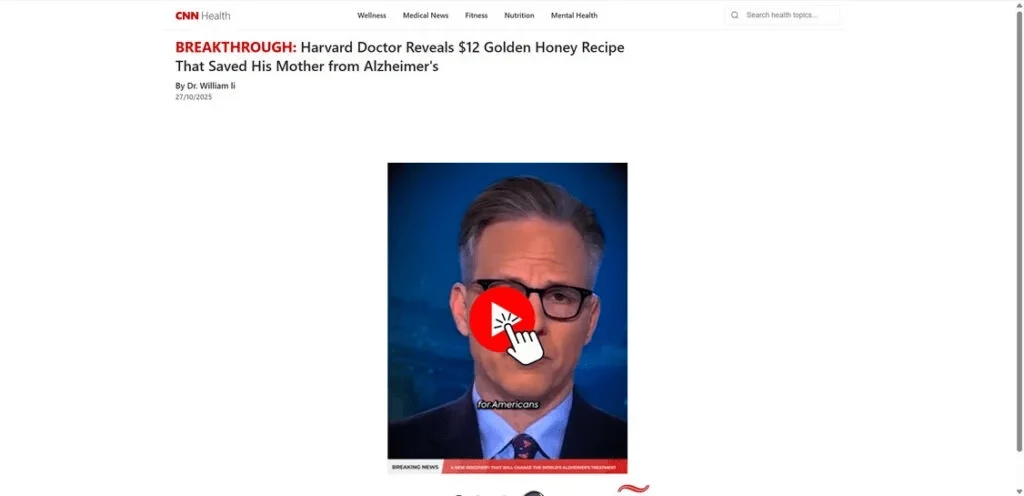
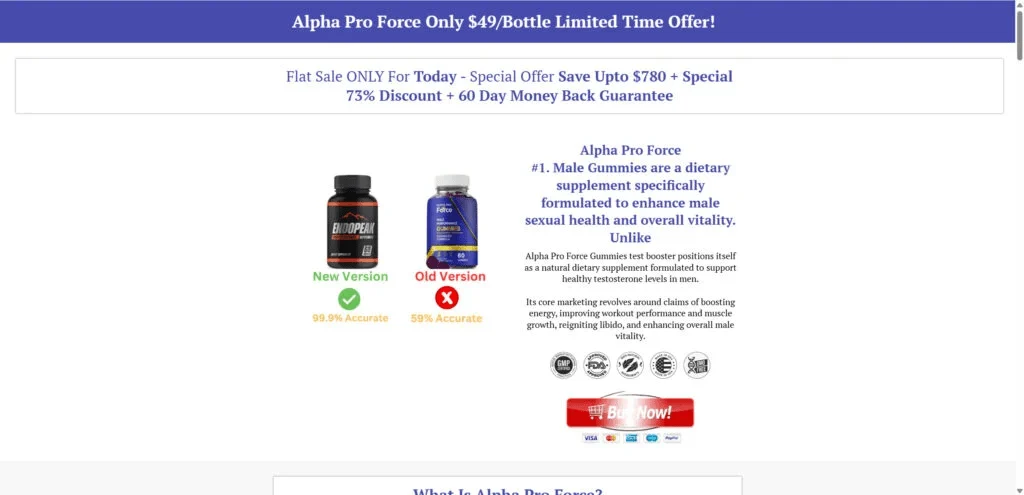
Scam Overview
The Steve Martin Alzheimer’s cure scam is built around one of the most emotionally manipulative health claims online: the promise that a simple natural recipe can reverse dementia, Alzheimer’s disease, or serious memory loss.
The campaign usually appears as a social media video, fake news-style article, or “special report.” It claims a famous person discovered, used, or endorsed a natural brain remedy. In this version, Steve Martin is falsely tied to a story involving Bill Gates and a so-called dementia recipe.
The pitch may mention:
- a honey recipe
- a coffee and honey protocol
- a “golden memory ritual”
- a “Bill Gates Alzheimer’s Foundation”
- a supplement bottle with names like Memo Genesis, Brain Vex, or similar labels
- a fake interview or TV segment
- a story about reversing memory loss without drugs
The core promise is always the same: memory loss is not what doctors say it is, and a simple pantry ingredient or supplement can supposedly restore the brain. That is not credible.
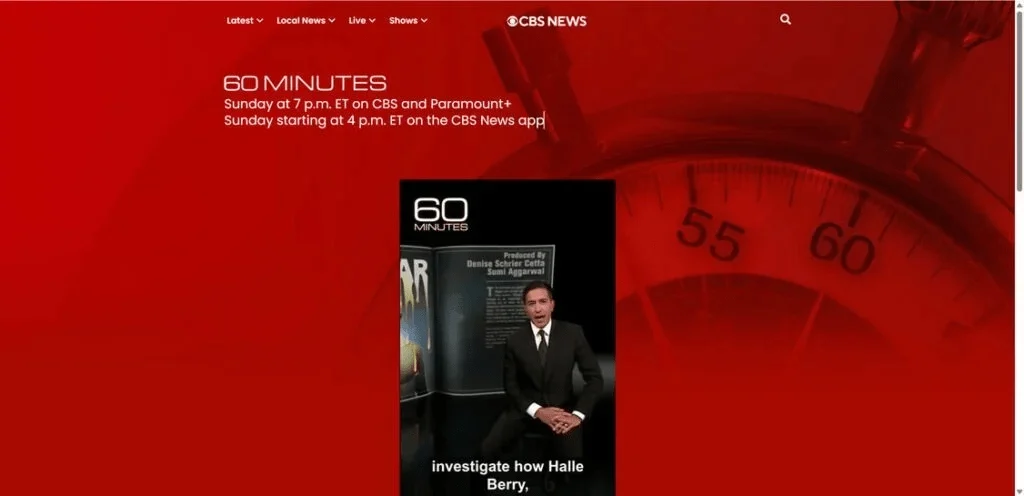
Steve Martin did not endorse a dementia cure
The celebrity angle is the bait.
Scam pages use Steve Martin because he is instantly recognizable, familiar, and trusted. The viewer is meant to think, “If this person is talking about it, maybe it is real.”
The scam does not need Steve Martin to actually endorse anything. It only needs people to believe he might have.
Bill Gates is used as a fake authority signal
Bill Gates is another credibility shortcut.
The scam may claim Gates funded the discovery, created a secret protocol, or backed research into a natural memory-loss cure. Some versions mention a fake “Bill Gates Alzheimer’s Foundation” or suggest his work in medical philanthropy led to a breakthrough.
This is a psychological trick.
Bill Gates is widely associated with technology, philanthropy, and health-related funding, so scammers use his name to make the story feel more legitimate.
When a page uses Gates as proof, that is not reassurance. It is a warning sign.
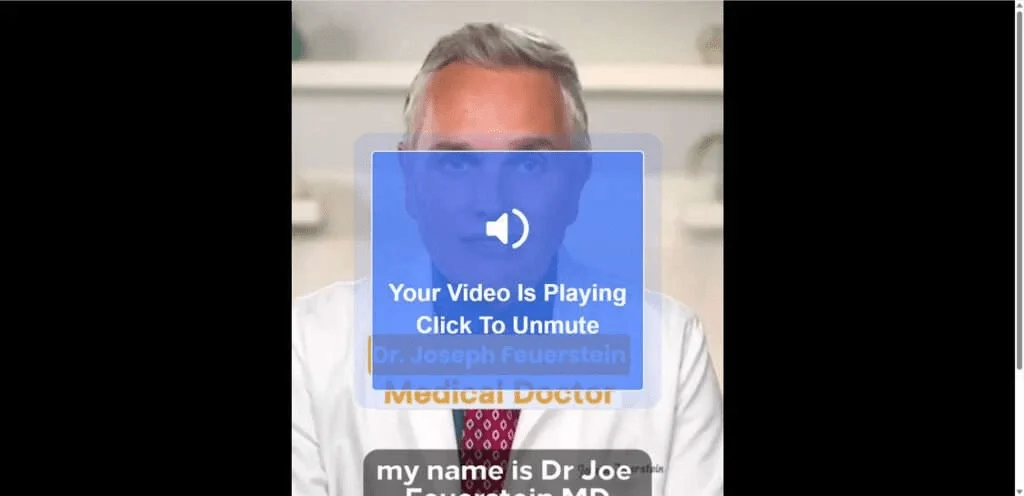
The “dementia recipe” is usually bait
The recipe angle is designed to lower your guard.
A “dementia recipe” sounds less threatening than a pill. Honey, coffee, cocoa, cinnamon, or turmeric feel familiar. They sound natural. They sound safe.
That is why scammers use them.
The ad makes the viewer think:
“Maybe this is just a simple home remedy.”
But the page usually does not provide a clear, medically responsible recipe. Instead, it teases the idea, stretches the story, pushes a long video, then introduces a supplement as the “real” solution.
That is the bait-and-switch.
You clicked for a recipe.
You are sold a bottle.
AI deepfakes make the scam more dangerous
These scams are harder to spot now because many use AI-generated or manipulated video.
The person in the video may look like Steve Martin. The voice may sound familiar. The mouth movements may appear synced. The clip may look like it came from a talk show, news broadcast, or interview.
That does not make it real.
The FTC has warned that scammers use fake celebrity and influencer endorsements with doctored video and audio that can seem real. It recommends pausing, verifying the endorsement independently, and resisting pressure to buy quickly.
That is exactly the environment these Steve Martin and Bill Gates dementia recipe ads are exploiting.
Why this scam targets dementia and Alzheimer’s fears
This scam is especially cruel because it targets people who are already vulnerable.
Memory loss is frightening. Families dealing with dementia often feel helpless. Caregivers are exhausted. People want hope, and scammers know that.
That is why these ads use emotional stories like:
- “He forgot his family, then recovered”
- “Doctors gave him no hope”
- “A simple recipe restored his memory”
- “This works even in late-stage dementia”
- “Pharmaceutical companies do not want this exposed”
These lines are designed to bypass critical thinking and activate fear, hope, and urgency.
The FTC and FDA have warned about products making false promises for Alzheimer’s disease and dementia, conditions for which there is no cure.
That does not mean dementia research is hopeless. It means a social media supplement funnel is not a treatment plan.
How The Scam Works
Step 1: A shocking video appears in your feed
The scam usually begins with a short video on Facebook, Instagram, TikTok, YouTube, or an ad network.
The video may look like:
- a late-night talk show clip
- a breaking news report
- a celebrity interview
- a medical segment
- a documentary-style memory-loss story
The headline often mentions Steve Martin, Bill Gates, Alzheimer’s, dementia, or a “memory recipe.”
The goal is to stop your scroll immediately.
Step 2: The ad creates urgency
The video may say things like:
- “Watch before this is removed”
- “Doctors are furious”
- “This discovery is being hidden”
- “This simple recipe is changing memory loss”
- “Families are finally getting hope”
This pressure is intentional.
If you slow down, search the claim, or check trusted medical sources, the story falls apart.
Step 3: A famous person is used as the trust trigger
Next comes the celebrity hook.
Steve Martin may appear in a manipulated video. Bill Gates may appear as the supposed funder or creator. Other public figures, anchors, or doctors may also be added to make the story feel bigger.
This is borrowed credibility.
The scam wants you to trust the face, not verify the claim.
Step 4: The fake “dementia recipe” is introduced
The page then teases a natural protocol.
Common variations include:
- honey and coffee
- cocoa and honey
- a “golden memory ritual”
- a pantry ingredient mix
- a brain detox recipe
- a “neuro honey blend”
The idea is simple: make the cure sound natural, cheap, and accessible.
But in scam funnels, the recipe is rarely the final destination.
It is the hook that keeps you watching.
Step 5: The story attacks normal medical care
The script often claims doctors only manage symptoms and ignore the “root cause.”
It may criticize medications, claim Big Pharma is hiding the cure, or suggest that mainstream medicine has failed families on purpose.
This is a common manipulation tactic.
It isolates the viewer from trusted medical advice and positions the scam page as the only source of truth.
Step 6: Fake science is used to make the claim sound believable
The video may mention:
- brain plaques
- insulin resistance in the brain
- “type 3 diabetes”
- toxins
- inflammation
- blocked pathways
- brain cell shutdown
- memory receptors
Some of these terms exist in real research contexts.
The scam comes from the leap: it takes complex science and claims one recipe or supplement can reverse dementia.
That leap is not supported.
Step 7: The product is revealed
After enough fear and hope are built, the supplement appears.
It may be called Memo Genesis, Brain Vex, Brain Honey, or another rotating name.
The page may claim the supplement:
- supports memory
- restores clarity
- targets the root cause
- helps reverse brain fog
- rebuilds cognitive function
- works better than prescriptions
This is where the funnel turns from story into sale.
Step 8: Badges and official-sounding claims appear
Near the buy button, the page may display:
- “FDA registered facility”
- “GMP certified”
- “clinically tested”
- “doctor recommended”
- “made in the USA”
- “lab tested”
These phrases do not prove the product can treat Alzheimer’s or dementia.
The FDA has taken action against companies selling unapproved products, many labeled as dietary supplements, that claim to prevent, treat, or cure Alzheimer’s disease and other serious diseases.
Step 9: Checkout pressure increases
The order page often uses:
- countdown timers
- “limited stock”
- “today only” discounts
- multi-bottle bundles
- popups showing recent purchases
- “people watching now” counters
These are sales pressure tools.
They are meant to make you buy before you think.
Step 10: Billing surprises may follow
Many scam-style supplement funnels use confusing checkout flows.
Victims often report:
- being charged for more bottles than expected
- upsells added after checkout begins
- hidden refill or autoship subscriptions
- merchant names that do not match the product name
- difficulty canceling repeat charges
This is why saving screenshots and contacting your bank quickly matters.
What To Do If You Already Bought
1) Save evidence immediately
Take screenshots of:
- the ad
- the landing page
- the video page
- the checkout page
- the product label
- the final price
- the terms and conditions
- your confirmation email
- your bank statement
These pages can disappear quickly.
2) Check for subscription terms
Search your confirmation email for words like:
- autoship
- refill
- subscription
- monthly
- continuity
- membership
- next shipment
If you see any of these, act fast.
3) Email the seller to cancel in writing
Send a direct email with:
- your full name
- the order number
- the email used for purchase
- a clear request to cancel all subscriptions
- a clear demand to stop future charges
- a request for written confirmation
Keep the email.
4) Contact your bank or card issuer
If the charge was higher than expected or you see repeat billing, call your bank or credit card provider.
Ask about:
- disputing the transaction
- blocking future charges
- replacing your card if needed
- documenting the charge as deceptive if appropriate
Do not wait for a second or third refill.
5) Do not use the product as dementia treatment
Do not stop or delay medical care because of a supplement ad.
If you or a loved one has memory loss, confusion, personality changes, getting lost, repeated questions, or worsening cognitive symptoms, speak with a qualified healthcare professional.
6) Report the ad
Report the video on the platform where you saw it.
Use categories like:
- scam
- fake celebrity endorsement
- impersonation
- misleading health claim
- AI-generated deception
7) Warn vulnerable relatives
If you saw the ad, others may be seeing it too.
Warn older relatives, caregivers, and anyone searching for memory-loss help. These scams are designed to target people under stress.
The Bottom Line
The Steve Martin Alzheimer’s cure scam is fake.
Steve Martin did not endorse a dementia cure. Bill Gates did not create a secret memory-loss recipe. And products with names like Memo Genesis, Brain Vex, Brain Honey, or similar labels should not be trusted based on social media videos or fake celebrity clips.
The pattern is clear: AI-generated celebrity manipulation, emotional Alzheimer’s claims, a fake natural recipe, and a supplement checkout designed to move fast.
If you already bought, focus on practical protection: save evidence, cancel in writing, watch for refill billing, and contact your card issuer if anything looks deceptive.
Most importantly, do not let a scam ad replace real medical care.
FAQ
What is the Steve Martin Alzheimer’s cure scam?
It is a fake online supplement campaign that claims Steve Martin endorsed or revealed a dementia or Alzheimer’s cure. The ads usually use AI-manipulated videos, fake celebrity claims, and emotional health stories to push questionable memory supplements.
Did Steve Martin endorse Memo Genesis or any Alzheimer’s supplement?
No credible evidence shows Steve Martin endorsed Memo Genesis, Brain Vex, Brain Honey, or any similar memory-loss supplement. Ads claiming otherwise should be treated as fake unless verified through official sources.
Is Bill Gates connected to the “dementia recipe”?
No credible evidence shows Bill Gates created, funded, or endorsed a secret dementia recipe involving honey, coffee, cocoa, or supplements. His name is being used to create false trust.
Can a honey recipe cure Alzheimer’s or dementia?
No. A honey recipe, coffee recipe, or “natural brain protocol” cannot cure Alzheimer’s disease or dementia. These are serious medical conditions that require qualified medical evaluation.
Why do scammers use Steve Martin and Bill Gates?
They use recognizable names to make the story feel believable. A familiar celebrity or billionaire name can make people lower their guard, especially when the ad looks like a real interview or news report.
Are the videos real?
Many of these videos appear to use AI manipulation, edited clips, fake voiceovers, or deepfake-style content. A video that looks convincing is not proof that the endorsement is real.
What are the biggest red flags?
Red flags include miracle dementia cure claims, fake celebrity endorsements, “watch before removed” urgency, fake news-style pages, vague science language, supplement bottles with rotating names, and pressure to buy multi-bottle packages.
What is Memo Genesis?
Memo Genesis is one of the supplement names that may appear in these scam-style memory-loss funnels. The product name can change, but the pattern usually stays the same.
What should I do if I already bought?
Save screenshots and receipts, check for subscription or refill terms, email the seller to cancel in writing, monitor your card statement, and contact your bank if charges look unauthorized.
Should I use these supplements instead of medical care?
No. Do not rely on social media ads or supplement funnels for Alzheimer’s, dementia, or serious memory symptoms. Speak with a qualified healthcare professional.









I see no where that gates, martin or freeman have done anything to disassociate form this scam or sue? Why is that?
Steven, we do not have verified information about what action those individuals or their representatives may have taken, so I would not speculate about their reasons. The absence of a public statement does not establish an endorsement. Any claimed endorsement should be checked against the person’s own official channels rather than the advertisement.
How do they get away with using AI-generated fake celebrities??
I had the same question.
Can’t these celebrities sue to remove the ads and claim compensation?!
Hi Randall – in principle yes. Using someone’s name, face or voice in an ad without permission can be a right-of-publicity and false-endorsement claim, and public figures have gone to court over fake endorsements before. The practical problem is enforcement: the ads are usually placed by affiliate marketers operating through shell companies abroad, using throwaway domains and payment processors, so there is often nobody local to sue and no assets to collect from. That’s why the usual remedy is a takedown and demonetisation request to the platform running the ad rather than a lawsuit. Reporting the ad when you see it genuinely helps, since platforms act faster on volume of reports than on anything else.
Mostly because enforcement is slower than production. Using a real person’s face or voice in an advert without consent is unlawful in most places – right of publicity, false endorsement, and straightforward deceptive advertising – but the ads are placed by affiliates behind shell companies and disposable domains, often outside the reach of the courts that would hear the claim. Platforms remove them when reported, then near-identical versions appear from new accounts, because generating the video now costs almost nothing. Practically speaking, reporting the advert where you saw it is the fastest lever anyone has.