

If you’ve stumbled across viral ads claiming that a simple “baking soda trick” can boost male vitality, improve blood flow by 342%, and cure erectile dysfunction (ED) naturally, you might be wondering: is this real? The short answer is no. These ads are part of a growing trend of deceptive marketing schemes aimed at selling unproven supplements like Beast Force or Boostaro, exploiting sensitive health issues for profit.
In this detailed article, we will break down exactly how the Baking Soda Trick for Men Scam works, why it’s so convincing, what red flags to watch for, and what to do if you’ve already fallen victim. Let’s get into the full breakdown.
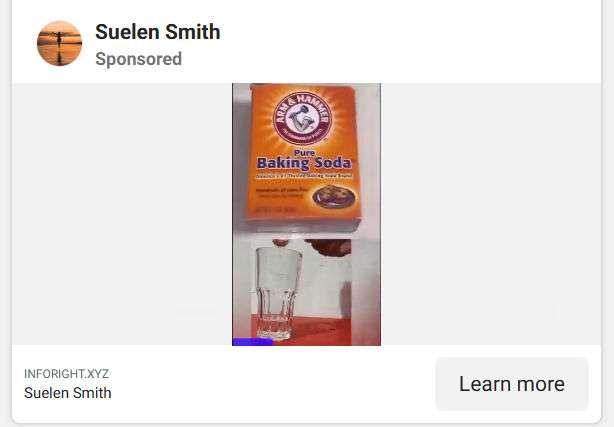
Understanding the Baking Soda Trick for Men Scheme
The “Baking Soda Trick for Men” is a misleading marketing scam that plays heavily on emotional and physical insecurities. It falsely promises miraculous results with a common household item—baking soda—while ultimately pushing expensive, unproven supplements.
1. Fake Scientific Credibility
One of the biggest hooks in the scam is the false mention of “Harvard scientists.” The ads suggest that elite researchers discovered a “simple baking soda trick” that boosts blood flow by up to 342% and cures ED. However, no credible studies or scientific bodies have validated these claims.
Baking soda has legitimate uses—such as neutralizing acid—but it has no proven ability to cure erectile dysfunction or dramatically improve circulation. Citing prestigious institutions without legitimate backing is a textbook scam tactic.
2. Exaggerated Health Promises
The scam claims this trick is:
- More effective than prescription medications
- Used secretly by adult film stars
- Effective for men of all ages
- A “natural alternative” to pills and pumps
These sweeping claims sound appealing but are completely unsupported by any verified medical research.
3. Endless Sales Funnels
When users click on the ads, they are funneled into long, drawn-out video presentations that promise to reveal the baking soda trick “in just a few minutes.” Instead, these videos drag on for nearly an hour without providing any real information.
Viewers are kept emotionally invested with stories of “miraculous recoveries” and “secrets the pharmaceutical industry doesn’t want you to know,” only to be hit with a pitch for supplements like Beast Force or Boostaro at the very end.
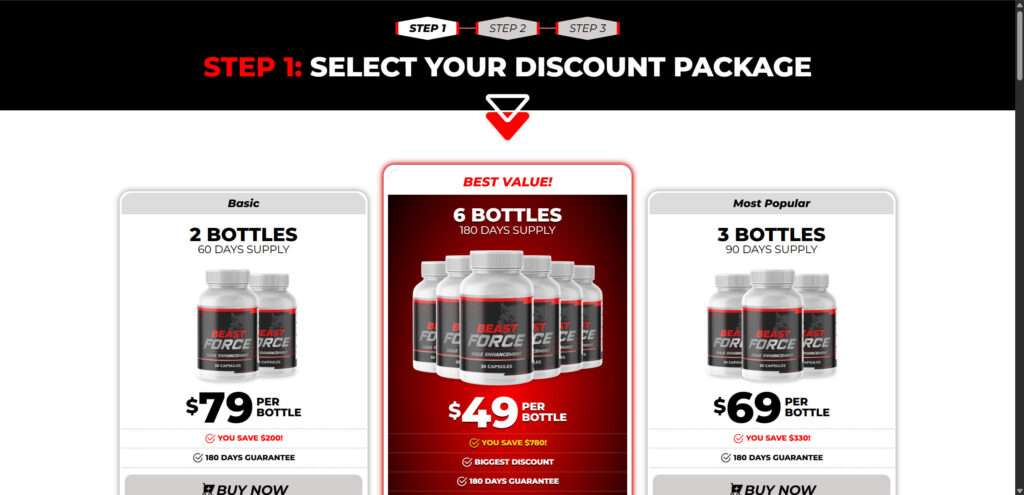
4. Misleading Product Associations
Rather than actually explaining a baking soda-based method, the real aim of these videos is to sell overpriced supplements with exaggerated claims of effectiveness. The scam uses the initial “trick” as bait to upsell products that have little to no scientific backing.
5. Fake Scarcity and Urgency
Tactics like “Only a few bottles left!” or “This offer expires soon!” are used to create panic and push immediate purchases without careful consideration.
The Baking Soda Trick for Men scam combines false authority, emotional manipulation, and psychological pressure to drive sales—leaving many consumers disappointed, out of money, and without results.
How the Scam Works: Step-by-Step Breakdown
Understanding the mechanics behind the scam is crucial. Here’s exactly how the scheme typically unfolds:
Step 1: Viral Ad on Social Media or Search Engines
You encounter an ad with bold claims like:
- “15-Second Bathroom Trick for Men Revealed!”
- “Boost Male Vitality by 342% Using Baking Soda!”
- “Harvard Scientists Shock the World with New Discovery!”
These ads use flashy imagery, emotional appeals, and exaggerated promises to grab attention.
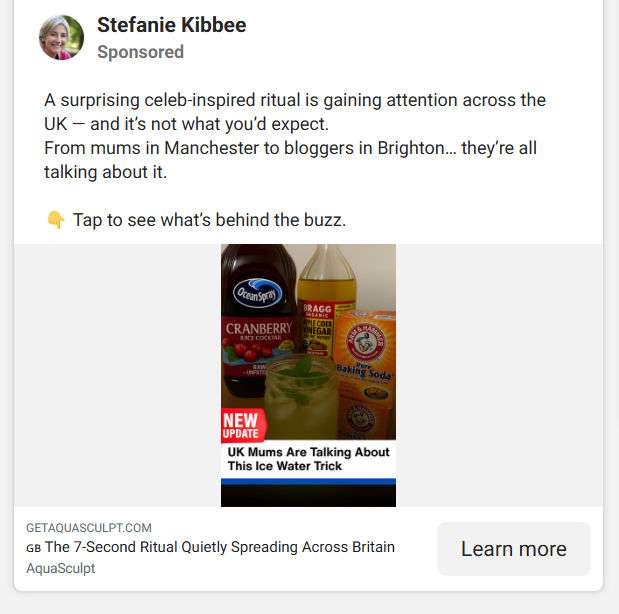
Step 2: Clicking the Ad Leads to a Video Landing Page
Once you click, you’re directed to a website like getbeastforce.com or similar domains. A video immediately begins to play, promising a revolutionary health breakthrough for men.
Step 3: Endless Teasing Without Delivering Information
The video:
- Teases the “baking soda trick” but never actually reveals it
- Presents emotional testimonials
- Claims big pharma is trying to silence this method
- Builds false credibility with references to Harvard and other respected organizations
The goal is to keep you emotionally hooked long enough to accept the pitch that follows.
Step 4: Product Pitch for Beast Force or Boostaro
After almost an hour of buildup, you’re told the “solution” is to purchase a supplement. They claim that supplements like Beast Force or Boostaro contain the necessary ingredients to achieve what the baking soda allegedly does.
Prices are often framed as “limited-time offers,” with bulk packages costing hundreds of dollars. The idea is to pressure you into buying immediately.
Step 5: Hidden Subscription Traps
Purchasing the supplement often enrolls you into hidden subscription plans where you are charged monthly for new shipments without clear consent. Canceling is difficult, and refunds are rare.
Step 6: Continued Upsells and Spam
After your purchase, your email and personal information may be sold to third-party marketers. Expect:
- More emails pushing dubious health products
- Calls offering additional “special deals”
- Continuous marketing harassment
This step ensures the scam extracts as much money from victims as possible.
What to Do If You Have Fallen Victim to the Baking Soda Trick Scam
If you’ve been scammed, quick action is essential. Follow these steps:
1. Contact Your Bank or Credit Card Company
- Report the charge as fraudulent.
- Request a chargeback.
- Cancel any recurring payments linked to the scam.
2. Cancel Any Subscription Agreements
- Check for hidden “terms and conditions” you may have accidentally agreed to.
- Contact customer service to cancel subscriptions immediately (though it may be difficult).
3. Save All Documentation
- Take screenshots of the ads, checkout pages, and email confirmations.
- Keep copies of all communications with the company.
This evidence can support your chargeback claim or legal action if necessary.
4. Report the Scam
- File a complaint with the Federal Trade Commission (FTC) at www.ftc.gov.
- Report the scam to your country’s consumer protection agency.
- Alert social media platforms where the ad appeared.
5. Monitor Your Financial Accounts
- Regularly check your bank statements.
- Watch for unauthorized charges.
- Consider freezing your credit if you shared sensitive information.
6. Share Your Experience
- Post reviews on sites like Trustpilot, Better Business Bureau, and scam reporting forums.
- Warn others on social media to reduce future victims.
FAQ: Baking Soda Trick for Men Scam
What is the Baking Soda Trick for Men?
The Baking Soda Trick for Men is a deceptive marketing tactic that claims using baking soda can boost blood flow by 342%, cure erectile dysfunction (ED), and enhance male performance naturally. In reality, these claims are baseless, and the ads ultimately push viewers to purchase expensive, unproven supplements like Beast Force or Boostaro.
Does baking soda really help with erectile dysfunction?
No. There is no credible scientific evidence showing that baking soda can cure erectile dysfunction or significantly improve blood flow. ED is a complex condition often requiring medical diagnosis and evidence-based treatments, not home remedies based on misinformation.
Are the claims about Harvard scientists true?
No. The advertisements falsely reference Harvard scientists to create fake credibility. There is no verified research from Harvard University supporting the claim that a simple baking soda trick can resolve ED or boost blood flow.
Why do the videos never actually reveal the baking soda trick?
The videos are intentionally designed to hook viewers emotionally while delaying real information. The ultimate goal is not to reveal a working “trick” but to pitch expensive supplements by the end of a long, drawn-out sales presentation.
What products are being pushed through the scam?
Supplements such as Beast Force and Boostaro are commonly promoted. They are marketed as “solutions” to male performance issues, but there is no solid scientific backing for their extravagant claims.
Is Beast Force a legitimate product?
Beast Force is marketed aggressively through deceptive sales tactics and exaggerated claims. There is no strong clinical evidence supporting its effectiveness. Many consumers report dissatisfaction, poor customer service, and difficulty obtaining refunds.
What are the signs that the Baking Soda Trick is a scam?
Major red flags include:
– Unrealistic promises of instant results
– False endorsements from Harvard or other prestigious organizations
– Extremely long videos that never reveal the promised information
– Urgent calls to action suggesting limited availability
– Hard sells for supplements after emotional storytelling
What should I do if I purchased a product after watching one of these ads?
Immediately contact your bank or credit card provider to dispute the charge. Cancel any ongoing subscriptions associated with the purchase, save all documentation, and report the scam to the FTC and other consumer protection agencies.
Can I get my money back if I was scammed?
You may be able to recover your money by filing a chargeback with your bank or credit card company. Acting quickly, documenting all communications, and emphasizing the deceptive nature of the purchase increases your chances of a successful refund.
How can I protect myself from scams like this in the future?
Always research health claims thoroughly before making a purchase. Be skeptical of any product promising fast, dramatic results without credible medical backing. Consult your doctor before trying new treatments for sensitive health issues.
The Bottom Line
The “Baking Soda Trick for Men” is nothing more than a carefully crafted scam designed to manipulate, mislead, and profit from people seeking help for sensitive health concerns. There is no credible scientific evidence that baking soda can cure erectile dysfunction or dramatically enhance blood flow.
Instead of falling for miracle fixes marketed through deceptive tactics, real solutions involve consulting healthcare professionals, addressing underlying health issues, and following medically approved treatments.
Stay cautious, stay informed, and remember—if it sounds too good to be true, it almost always is.
If this guide helped you, share it with others. The more people know about these scams, the harder it becomes for fraudsters to succeed.

Join the discussion
7 commentsShare your experience or ask a question about this article.
Discussion
There are these adds on Facebook with long videos talking about ED cure using baking soda. Their product for you to buy is Soda Honey Boost. They brag that this is the horse trick that the horse community uses for their stallions to breed. Actors; Sylvester Stallone and Kevin Costner give wonderful testimonials about this product. A doctor gives medical talk on how it breaks up plaque, like cement, that hardens up your spongey tissue so that it does not fill up with blood and get erection. He claims that people get results in days to two weeks. He says the causes of ED, is what is in our food. He quotes RFK Jr. This doctor says that the chemical glysophate, found in Round Up, is used in aggriculture and gets in to our food, and that causes the plaque buildup in the spongey tissue in the penis. He says that if not treated, ED becomes permanent, and you will no longer get erection. He says that once this plaque gets completely hardened, that it can not get broken up and cleared out, so, you will not get healed, and be permanently flaccid. What about well known actors giving testimonials? If this product does not work, would they not lose credibility?
If it sounds way too good to be true, it is! Caveat emptor. Or as PT Barnum once stated, “There is a sucker born every minute.”
In reply to WILL
Thanks for reading, Will. Taking a moment to check the evidence behind a dramatic promise can prevent an expensive mistake. These ads can be persuasive, so we also encourage anyone who has already purchased to keep their records and seek help without embarrassment.
These scams are fictional as ever never fall for them!Never listen to them for they are fake forever!!!!
In reply to Mal-Capone
Thanks for the comment. The one thing worth adding is that reporting them does more than ignoring them: a quick report at reportfraud.ftc.gov, or to the platform running the ad, is what eventually gets these campaigns pulled. Warning friends and family who are more likely to click helps too.
The worst part is these ads are common on FB and YouTube. Another one is Nitcoin miners that dont do anything.
You would think these internet companies might be interested in protecting users?! I don’t think they care.
In reply to Mark
That is a reasonable frustration, and the honest answer is that the incentives are pointing the wrong way. The platforms are paid to show the ad, the review happens after the money has changed hands, and enforcement is mostly automated – so a page gets pulled and the same operation is running the next day under a fresh domain and a new advertiser account, often the same file re-uploaded. Some of it is genuinely hard to catch at that volume; much of it would be caught if catching it were free.
On the crypto-mining gadgets specifically, that category deserves its own warning. A device costing under a hundred dollars cannot mine any meaningful amount of anything, and the newer versions are worse than useless: they ask you to connect a wallet or enter a seed phrase to “receive your earnings”, which is how the wallet gets emptied. Never enter a seed phrase into a device or a site, for any reason.
Reporting the ads does more than it feels like it does – advertiser accounts get suspended on complaint volume, and reportfraud.ftc.gov feeds cases that eventually reach the platforms with legal weight behind them. It is slow, and it is not as satisfying as the platforms simply caring, but it is the lever available.