

A familiar face, a spoonful of honey, and the promise that one forgotten kitchen ritual can restore a fading memory: the Bill Gates “Honey Shield” ad is designed to feel hopeful before it feels commercial.
But the story is not a medical breakthrough. It is a carefully staged advertising funnel that borrows Bill Gates’ identity, delays the sales pitch, and eventually steers viewers toward expensive brain-support supplements and possible recurring refills.
Overview
What the “Honey Shield” Ads Claim
The Bill Gates “Honey Shield” scam is not one fixed website or one permanent product. It is a reusable marketing story. Ads claim that Gates discovered, funded, or personally used a honey-based method that protects the brain from memory loss, dementia, or Alzheimer’s disease.
Some versions call it a “Honey Shield,” “neuro honey blend,” “brain honey,” or an Okinawan honey protocol. Others say the recipe was suppressed by drug companies, exposed during an interview, or shared after a celebrity experienced a dramatic recovery.
The Bill Gates Endorsement Is Fabricated
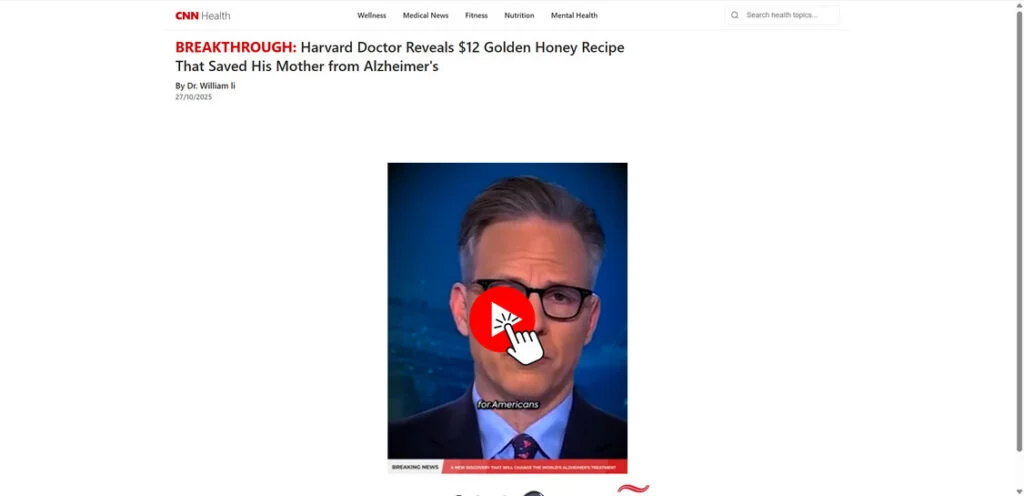
There is no credible evidence that Bill Gates created or endorsed such a recipe. The videos and quotes attributed to him are fabricated, manipulated, or generated with AI. The supposed news pages are not genuine reports from CNN, CBS, AARP, or another recognizable publisher.
The most important detail is what happens at the end. The viewer is promised a simple recipe made from ordinary ingredients, yet the full measurements never arrive. Instead, the presentation pivots to capsules, drops, or gummies sold under a brand name that may be replaced as soon as complaints accumulate.
The Product Can Change While the Story Stays
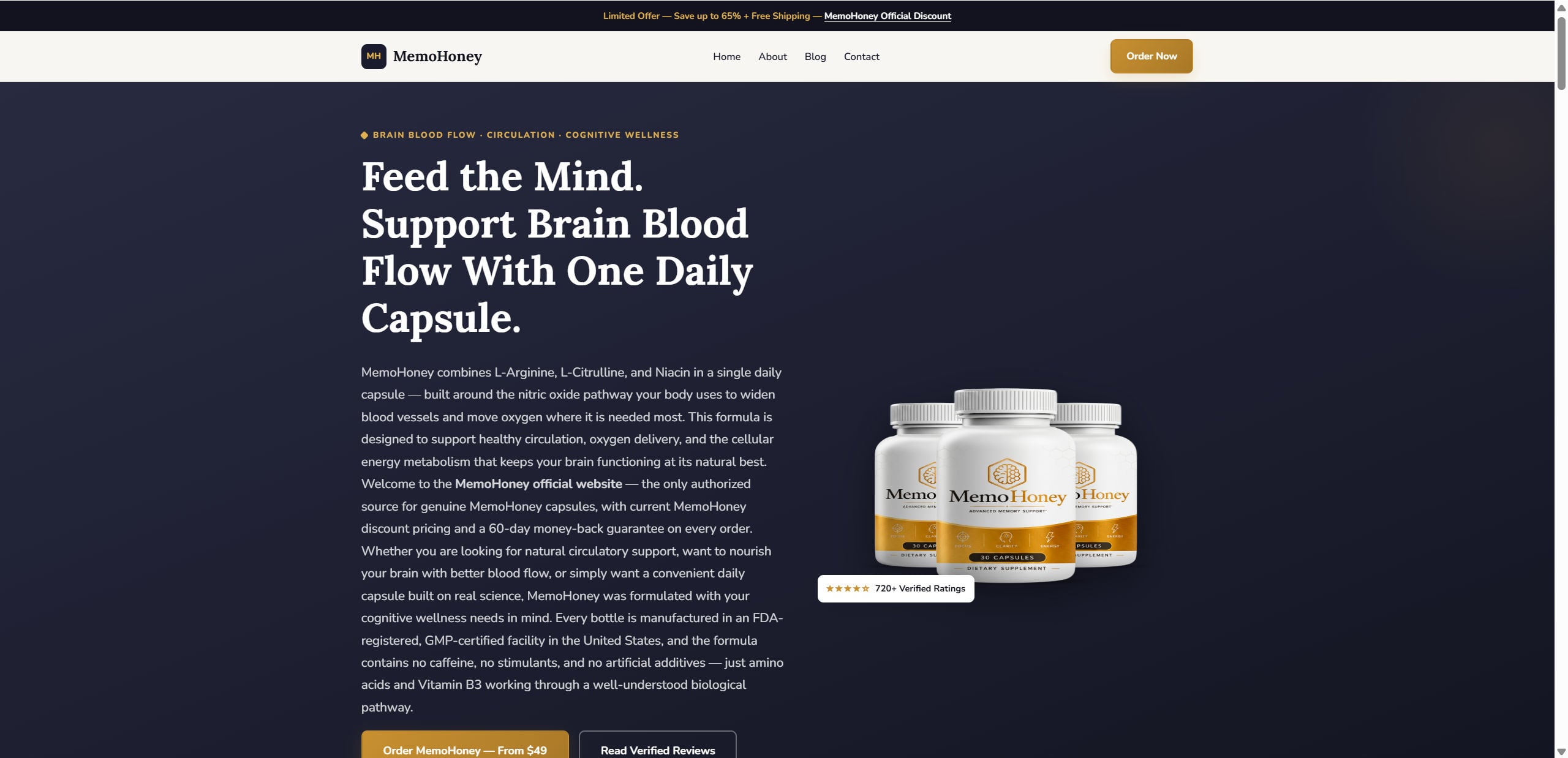
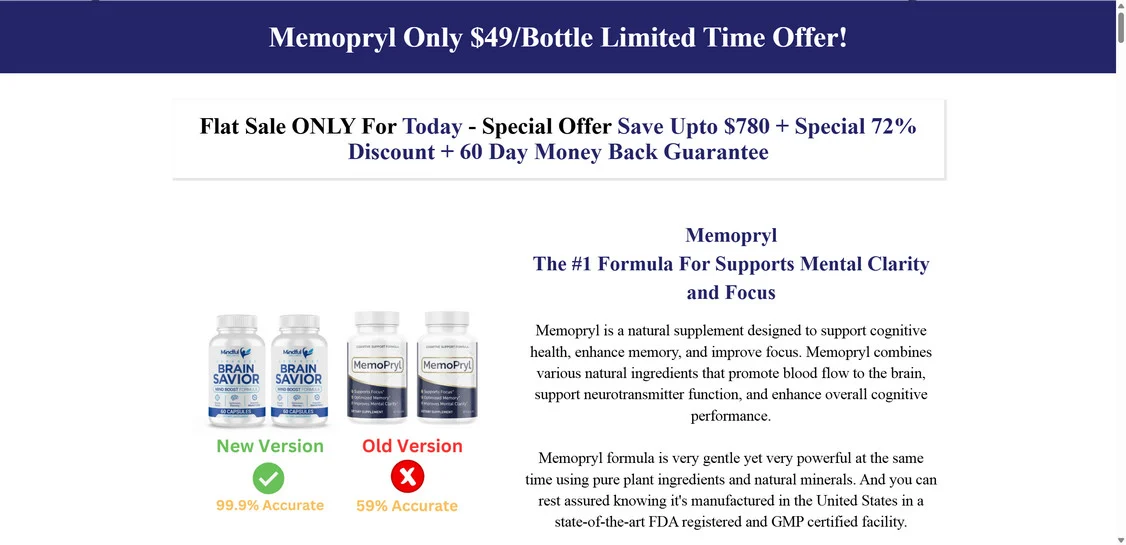
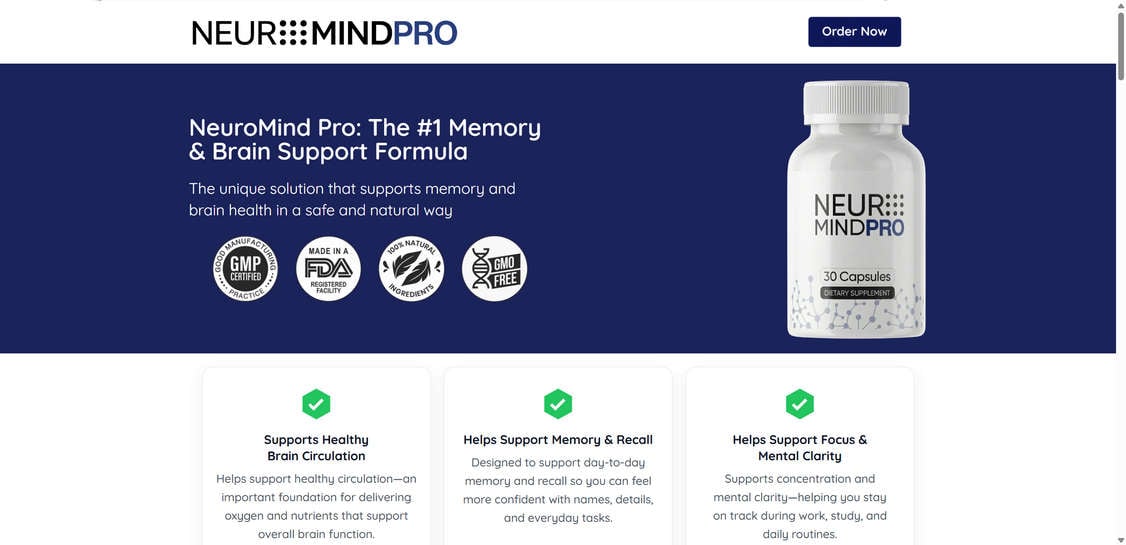
Products connected to similar memory funnels have included names such as MemoHoney, MemoPryl, Neuro Mind Pro, Brain Honey, and other short-lived labels. That does not mean every bottle with a similar name comes from the same seller. It means the story is flexible enough to promote many different offers.
MalwareTips has separately examined the MemoHoney sales offer, MemoPryl supplement marketing, and Neuro Mind Pro promotions. Those product investigations help show why the same emotional memory story can end at different checkout pages.
What Makes the Bill Gates “Honey Shield” Story Misleading?
The ad combines several true-looking pieces into one false conclusion. Bill Gates is publicly associated with science and philanthropy. Honey is a familiar food. Memory loss is frightening, and families understandably look for anything that might help.
The scammers connect those unrelated facts with an invented narrative. A video may show Gates apparently speaking, but the voice can be cloned and the lip movement altered. A second clip may use an AI-generated presenter, a stolen interview, or a still image animated to look alive.
The page then adds borrowed authority. It may copy a news logo, mention a university, refer to an unnamed clinical trial, or claim that a television network tried to remove the report. None of those visual signals proves that the underlying claim is real.
The U.S. Food and Drug Administration has warned consumers about unproven products sold with claims that they can prevent, treat, or cure Alzheimer’s disease. A supplement offer does not become an approved treatment because its page uses medical language, a laboratory image, or an “FDA registered facility” badge.
The Product Is Often Hidden Until Late in the Video
If the ad opened by saying, “Buy several bottles of an unfamiliar supplement,” many viewers would leave. The honey recipe gives them a reason to stay. It sounds inexpensive, practical, and available in the kitchen.
The video may promise to reveal the recipe “in the next few minutes,” then detour into long stories about toxins, parasites, proteins, blood flow, or a discovery allegedly ignored by doctors. Each delay increases the time the viewer has invested.
By the time the bottles appear, the presentation has already built urgency and fear. The product is framed not as an ordinary dietary supplement, but as the convenient form of the secret viewers were waiting to learn.
How the Bill Gates “Honey Shield” Scam Works
The Entire Sales Funnel at a Glance
- An AI video ad appears on social media. A fake Bill Gates voice introduces a “Honey Shield” or memory recipe and urges viewers to watch before the discovery is removed.
- The ad opens a fake trusted-site advertorial. The page imitates CNN, CBS, AARP, or another familiar publisher, although its address is unrelated to the real organization.
- The advertorial moves the visitor to a supplement landing page. The promised honey recipe fades away, and MemoHoney, MemoPryl, Neuro Mind Pro, or another rotating product takes its place.
- The buyer believes the order is small. A prominent $49-style price can look like the cost of one bottle, while the selected offer may actually contain a larger bundle.
- One expected bottle can become six bottles. The card may be charged for the complete six-bottle package, and a large box arrives even though the buyer thought they chose a single trial or starter supply.
- Recurring refills become difficult to stop. Hidden or unclear continuity terms can trigger more shipments, while cancellation involves long calls, unanswered messages, strict return rules, or disputed refund requests.
Not every checkout uses every variation, but this is the subscription-trap path consumers should actively check for. The critical moment is before payment: verify the selected quantity, today’s total, future refill schedule, and exact cancellation method.
Step 1: A Social Media Ad Targets a Personal Fear
The first ad is usually short and emotional. It may ask whether you forget names, lose your train of thought, or worry about a parent. Another version claims a famous person reversed years of decline with a teaspoon of honey before bed.
The goal is not to explain a product. It is to make the viewer recognize a private fear and click before checking who paid for the ad.
Step 2: Bill Gates Is Used as a Shortcut to Trust
The ad presents Gates as the inventor, funder, whistleblower, or grateful user of the method. Sometimes he appears beside another celebrity or a doctor so that each borrowed identity seems to confirm the others.
Look closely and the signs of manipulation may appear: stiff facial movement, an unnatural voice rhythm, changing teeth, blurred fingers, unreadable background text, or words that do not quite match the lips. Better fakes may show fewer obvious flaws, so visual quality alone is not a reliable test.
Step 3: The Click Opens a Fake News or Health Page
Instead of a normal store, the visitor lands on a page styled like CNN, CBS, AARP, or a health magazine. The logo, colors, navigation bar, and reporter photograph create the impression that an independent newsroom investigated the claim.
The address bar tells a different story. The domain is not the official news organization’s domain, and navigation links may do nothing or send every click to the same sales video.
Step 4: The Video Invents a Medical Enemy
Long-form scam presentations work best when they offer a simple villain. Depending on the version, memory problems are blamed on an “evil protein,” a brain parasite, poor circulation, a nutrient removed from food, or a discovery hidden by the pharmaceutical industry.
Real cognitive decline is complex and requires qualified medical assessment. Reducing it to one frightening cause lets the pitch claim that one equally simple ingredient can solve it.
Step 5: The “Honey Shield” Recipe Is Repeated but Never Delivered
The narrator keeps returning to honey because viewers clicked for a recipe. Pictures of jars, wooden spoons, herbs, or an elderly couple make the story feel domestic and safe.
Yet a genuine recipe would list ingredients, amounts, preparation, risks, and evidence. These videos usually provide none of that. The recipe is a retention device, not the product.
Step 6: Testimonials and Scarcity Remove the Last Objections
Viewers may see before-and-after stories, comments from supposed caregivers, a doctor praising the discovery, or a timer warning that the presentation will soon disappear. These elements are difficult or impossible to verify.
Claims that “Big Pharma” wants the page removed also make normal skepticism feel like proof of a conspiracy. The less evidence the seller provides, the more the story insists that suppression explains its absence.
Step 7: The Recipe Becomes a Bottle of Pills
Near the end, the narrator says the active ingredients are hard to measure, difficult to source, or only effective in a proprietary ratio. Buying the supplement is presented as safer and easier than making the promised recipe.
This is the bait-and-switch. The viewer arrived for household instructions but receives a product offer. The brand might be MemoHoney today and a completely different memory-support label tomorrow.
Step 8: Bundle Pricing Makes the Order Look Cheaper Than It Is
The checkout often highlights a low “per bottle” price while preselecting a three- or six-bottle package. Shipping, processing fees, taxes, or add-on products may appear later in the process.
Always calculate the complete amount, not the largest discount printed on the page. A label such as “$49 per bottle” does not mean the card will be charged only $49.
Step 9: Upsells Keep Appearing After the First Payment
After submitting card details, buyers may be shown additional bottles, expedited shipping, a companion formula, or a “one-time” upgrade. Buttons can be worded so that declining feels like abandoning the original order.
Do not assume the transaction is finished until you see a final receipt. Save every page and confirmation because the merchant name on the card statement may differ from the brand shown in the ad.
Step 10: Recurring Refills May Be Buried in the Terms
Some supplement funnels use negative-option billing: unless the customer cancels, more products are shipped and another charge is made. The disclosure may sit in small text, beneath the order button, inside a checkbox, or on a separate terms page.
The Federal Trade Commission advises consumers to look for pre-checked boxes, exact cancellation instructions, and language about continuing charges. If the terms are missing or difficult to understand, the safest choice is to leave without entering a card number.
Why the Product Name Keeps Changing
A celebrity story can outlive any one supplement. When a brand gathers complaints, loses payment processing, or stops converting well, advertisers can connect the same video script to another checkout.
That is why searching only for a bottle name can miss the larger pattern. The useful questions are broader:
- Did Bill Gates actually publish the statement on an official, verifiable account?
- Is the news page on the real publisher’s domain?
- Does the seller identify a responsible company, physical business address, and working support channel?
- Are the ingredients, dose, warnings, and complete price visible before payment?
- Does the checkout plainly say whether future shipments will occur?
A different label, color scheme, or bottle shape does not repair a false endorsement. If the funnel begins with fabricated evidence, the sales pitch has already failed a basic trust test.
Company, Address, and Fulfillment Red Flags
A Rotating Bottle Can Hide a Disposable Company
Do not stop at the MemoHoney, MemoPryl, or Neuro Mind Pro name on the label. Find the legal entity that takes the payment, then compare it with the company named in the terms, privacy policy, receipt, package, and card statement. If those names change from page to page, the seller is making accountability deliberately difficult.
Some funnels reveal no responsible company at all. Others borrow the name or address of an unrelated business. A professional bottle mockup is easy to create; a consistent legal identity with a verifiable history is much harder to fake.
The Address May Be a Mailbox or Shipping Warehouse
Search the address independently. It may lead to a virtual mailbox, a residence, an office suite used by hundreds of businesses, or a fulfillment center that only packs and returns parcels. A warehouse employee cannot explain who wrote the Bill Gates script, formulated the capsules, or authorized the billing.
A returns address is not proof of headquarters or manufacturing. If the seller will not identify where the company actually operates, who owns it, and where the product was made, assume the address is a logistics endpoint rather than meaningful accountability.
Support Often Disappears After the Charge
Call the number before buying and send a simple pre-sale email. Scam-style sellers may use disconnected lines, outsourced agents who recognize several unrelated brands, full inboxes, or addresses that never answer. The guarantee is worthless if no one supplies a return authorization or cancellation confirmation.
Mass-Produced Private-Label Pills Need Traceability
Some rotating supplements may be generic private-label stock sourced through brokers or overseas factories, including manufacturers in China. Chinese origin alone does not make a supplement dangerous. The red flag is that the seller may not disclose the actual factory, importer, batch testing, or chain of custody.
Without a verifiable manufacturer and independent certificate of analysis for the exact lot, buyers cannot confirm that the bottle matches the label. Incorrect doses, undeclared allergens, contamination, hidden drug ingredients, or medication interactions can turn an anonymous memory pill into a real health risk.
Warning Signs to Look For
- An AI video makes Bill Gates appear to discuss a memory cure or honey recipe.
- The page copies CNN, CBS, AARP, “60 Minutes,” or another trusted brand but uses an unrelated domain.
- A common ingredient is promised for free, while the video refuses to provide a usable recipe.
- The presentation claims doctors, regulators, or drug companies are suppressing the discovery.
- The supplement name appears only after a very long video.
- Medical claims are dramatic, but no identifiable clinical study supports the exact product.
- The seller’s legal company name, leadership, address, or manufacturing details are vague.
- A countdown timer, “limited stock” message, or huge discount pressures an immediate purchase.
- The refund promise is prominent, while the return address and cancellation procedure are hard to find.
- The checkout emphasizes a bottle price but obscures the total charge or future refills.
What to Do if You Have Fallen Victim to This Scam
- Contact your card issuer immediately. Call the number on the back of the card, not a number from the sales page. Explain that the purchase followed a deceptive celebrity endorsement and ask whether the charge can be disputed. If you did not knowingly authorize recurring billing, say that clearly.
- Ask the merchant to cancel every future shipment. Use a written method such as email or a support form whenever possible. Include the order number, date, amount, and a direct request to cancel the order and any membership or auto-ship plan. Do not send a full card number by email.
- Save evidence before pages disappear. Keep screenshots of the Bill Gates ad, fake news page, checkout, terms, receipt, emails, package label, and card statement descriptor. Record the domains, phone numbers, and dates. These funnels change quickly, so evidence collected today may be unavailable tomorrow.
- Watch statements for new merchant names. A refill charge may not use the product name shown on the bottle. Review the account at least weekly for the next few months and enable transaction alerts. Report an unfamiliar charge promptly rather than waiting for another shipment.
- Do not rely on the supplement for medical treatment. If you or a family member has memory changes, speak with a licensed healthcare professional. Do not stop prescribed medication because an online video claims a honey method replaces it. Bring the bottle or ingredient label to the appointment if the product has already been used.
- Report side effects. Seek medical help for concerning symptoms. In the U.S., supplement-related adverse events can be reported through FDA MedWatch. Preserve the bottle, lot number, ingredient panel, and purchase record so the product can be identified accurately.
- Report the deceptive campaign. U.S. consumers can submit details to ReportFraud.ftc.gov and IC3.gov. Also report the social media ad and the account that posted it. Choose the platform’s fraud, impersonation, manipulated media, or misleading health claims category when available.
- Be cautious with “recovery” callers. Victim information can be reused. Anyone who unexpectedly promises to recover your money for an upfront fee may be running a second scam. Work directly with your bank, card issuer, regulators, and a verified attorney if legal help is needed.
Frequently Asked Questions
Is the Bill Gates “Honey Shield” a real memory treatment?
No credible evidence shows that a Bill Gates “Honey Shield” recipe prevents or reverses dementia, Alzheimer’s disease, or ordinary memory loss. The phrase is a marketing hook used in fabricated videos and advertorials, not the name of an established medical treatment.
Did Bill Gates endorse MemoHoney, MemoPryl, or Neuro Mind Pro?
No verified Gates statement connects him to these supplements. A cloned voice, animated photograph, copied interview, or fake news page cannot establish an endorsement. Check his official channels and the real publisher’s domain rather than trusting the clip.
Does the ad ever reveal the promised honey recipe?
Usually, no usable recipe appears. The narrator keeps delaying the ingredients and measurements, then claims that a proprietary bottle is easier or more effective. That transition is the central bait-and-switch in the funnel.
Are all of the memory supplements part of one company?
That cannot be assumed. Different products may have different sellers, affiliates, and payment processors. What connects them is the reusable celebrity story and checkout pattern, not necessarily one proven corporate owner.
Can a one-bottle order become six bottles and recurring refills?
Some buyers may encounter a preselected bundle or continuity plan, while other checkouts are one-time. Read the selected quantity, complete charge, future shipment schedule, and cancellation terms separately before paying.
What should I do if I already paid?
Cancel future shipments in writing, save the full ad and checkout, and contact the card issuer using the official number on the card. Explain any unexpected bundle or renewal clearly and ask about dispute deadlines.
The Bottom Line
Bill Gates did not reveal a “Honey Shield” supplement or a secret honey recipe that reverses Alzheimer’s disease, dementia, or ordinary memory loss. The celebrity video is the hook, the never-revealed recipe keeps people watching, and the rotating supplement offer is the sale.
Treat any checkout reached through this story as unsafe until every company detail, price, and renewal term has been independently verified. A new bottle name does not make the old deception true.








