

A calm doctor explains that diabetes begins in the gut, not the pancreas. He speaks with the confidence of a specialist and promises a natural protocol that mainstream medicine supposedly missed.
As the presentation continues, medical explanations, personal stories, and familiar names are layered together before the viewer is shown an apparent solution.
We separated the fake-doctor campaign from the physical product and checked the formula, seller, retailer, prices, contacts, guarantee, return process, scientific support, and billing risks.
Overview
What Beomma GutGlucose Claims to Do
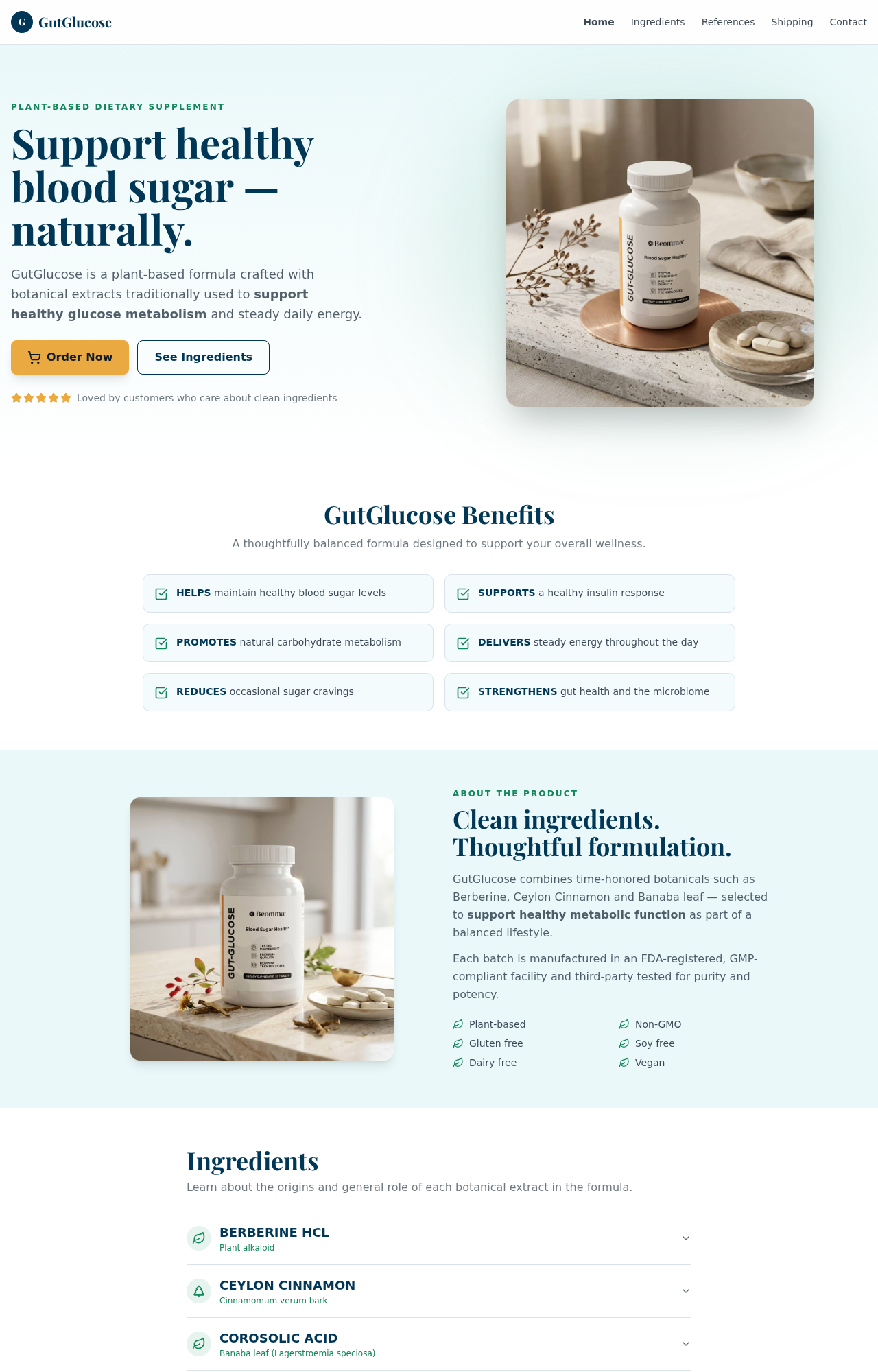
GutGlucose is marketed as a plant-based chewable dietary supplement. The current page says it supports blood sugar already within a healthy range, insulin response, carbohydrate metabolism, energy, cravings, and the gut microbiome.
The label page describes a 458 mg proprietary blend containing berberine HCL, Ceylon cinnamon, banaba-derived corosolic acid, saffron, seaweed compounds, kudzu flower, olive leaf, citrus extract, and xylitol.
The product is sold in packages of two bottles for $89 each, three for $69 each, and six for $49 each. The largest package totals $294.
The Product Exists, but the Doctor Story Is Fabricated
The advertising introduces a supposed physician called Dr. Brian Karaan and, in some versions, another persona named Dr. Eva Harper. We could not verify those identities, credentials, or the medical institutions described in the presentation.
The video also invokes real celebrities who have discussed diabetes publicly. A real diagnosis does not create a product endorsement, and no verified evidence connects those people with Beomma GutGlucose.
The current product page is more restrained than the video. That contrast is important: the sensational ad creates disease-treatment expectations that the formal page then avoids in its disclaimer.
Our Beomma GutGlucose Verdict
GutGlucose appears to be a real supplement with a published label, working checkout, support channels, and identifiable payment roles. The fake-doctor campaign promoting it is still deceptive.
We would not buy GutGlucose on the strength of the video or treat it as a way to reverse diabetes. The finished formula has not been shown in a published clinical trial to deliver the dramatic outcomes implied by the campaign.
The central concerns are:
- The ad uses fabricated doctor identities and institutional stories.
- Celebrity medical histories are used to imply product relevance.
- The video makes stronger claims than the current product page.
- A 458 mg proprietary blend hides individual ingredient amounts.
- The site names Beomma, Eagle Labs, Mundpay, MUND USA LLC, and BuyGoods in different roles.
- The return address is provided only after approval.
- The largest package uses a dramatic claimed saving against a very high reference price.
- No finished-product clinical trial was located.
The Fake Gut-Glucose Doctor Story
“Dr. Brian Karaan” Gives the Funnel a Human Face
A named doctor is more persuasive than an anonymous narrator. The campaign provides a career story, clinical experience, and an explanation of why ordinary diabetes treatment supposedly misses the real cause.
Those details create the impression of a traceable expert. We could not locate reliable licensing, employment, publication, or institutional records confirming the persona as presented.
A separate website built around the doctor’s name does not verify the identity. Scammers and marketers can create a biography page as easily as a sales page.
The Gut Microbiome Becomes a Universal Explanation
The gut microbiome is a genuine area of medical research. The campaign uses that legitimacy to imply that one supplement can restore a missing bacterial balance and reverse a complex disease.
Type 2 diabetes involves insulin resistance, insulin production, genetics, body composition, activity, sleep, medication, and other factors. Gut health may be relevant, but it does not reduce the condition to one hidden switch.
Research on berberine, cinnamon, probiotics, or the microbiome does not automatically prove the exact GutGlucose blend works as claimed.
Real Celebrity Diagnoses Are Reused as Endorsements
The presentation mentions people such as Tom Hanks and Randy Jackson, both publicly associated with diabetes discussions. Their genuine health histories make the script sound grounded.
We found no evidence that either person endorsed Beomma, GutGlucose, or the fabricated doctor. Referencing a celebrity’s condition is not permission to attach that person to a commercial product.
Always look for a statement on the celebrity’s verified account or an independently verifiable campaign. A face inside a sales video is not enough.
What the Current GutGlucose Site Reveals
The Formula Uses a Proprietary Blend
The label lists ten ingredients inside a 458 mg proprietary blend. Buyers can see which ingredients are present, but not the individual dose of each one.
This matters because ingredient studies use specific amounts. If the page does not disclose how much berberine, cinnamon, corosolic acid, or another active is present, a reader cannot compare the formula with research doses.
A proprietary blend is legal, but it limits transparency. It should not be described as proof that each ingredient appears at a clinically meaningful amount.
The Package Pricing Uses an Inflated Reference Total
The site lists six bottles at $49 each for a $294 total. It compares that amount with a regular price of $1,188 and says the buyer saves $894.
A large crossed-out price can make the current offer feel urgent and unusually generous. The relevant question is whether the product was genuinely sold at the reference price in ordinary transactions.
Compare the full total, bottle count, serving count, shipping, and return cost. The percentage saved is less useful than the amount that will leave the card today.
The Current Checkout Appears to Be a One-Time Package
The current GutGlucose page routes buyers to BuyGoods and does not present a visible automatic-refill option on the package section we reviewed.
We therefore found no basis to say every current GutGlucose purchase is a subscription. Buyers should still inspect the final checkout because telephone upsells, affiliate pages, and later versions may use different terms.
Save the final authorization. If the seller charges again after promising a one-time order, that screenshot becomes strong dispute evidence.
How the Beomma GutGlucose Scam Works
Step 1: A Video Targets People Worried About Diabetes
The ad reaches viewers who are tired of medication, anxious about glucose readings, or afraid of complications.
It offers certainty and a hidden answer at a vulnerable moment.
Step 2: A Fabricated Doctor Builds Trust
The presenter is given a name, career, and clinical history. Medical language and a professional setting make the identity feel real.
The campaign expects viewers to accept the biography without checking licensing and institutional records.
Step 3: A Real Research Topic Becomes a Miracle Mechanism
The gut microbiome is described as the missing key to blood sugar control. The explanation simplifies a complex disease into one fixable imbalance.
Scientific vocabulary creates confidence even though the exact branded formula has not been clinically proven.
Step 4: Famous People Make the Story Feel Confirmed
Real celebrities with public diabetes histories are mentioned or depicted to imply that the discovery has broad recognition.
No verified product endorsement is established.
Step 5: The Protocol Becomes a Bottle
The educational presentation eventually directs the viewer to GutGlucose packages. The supposedly independent doctor is functioning as part of a commercial funnel.
At this point, testimonials and urgency replace the clinical evidence a buyer needs.
Step 6: The Largest Package Gets the Biggest “Saving”
The six-bottle package reduces the displayed per-bottle price to $49 but produces a $294 total.
Buyers should focus on the total authorization, not the smallest number on the price card.
Step 7: Several Companies Handle Different Parts
The buyer may encounter Beomma for brand support, Eagle Labs for product questions, Mundpay for order support, MUND USA LLC in the terms, and BuyGoods at checkout.
Those roles are not automatically improper, but a refund becomes easier when the buyer knows which entity controls each step.
Company, Address, and Fulfillment Checks
Beomma Is the Brand, Not the Entire Transaction
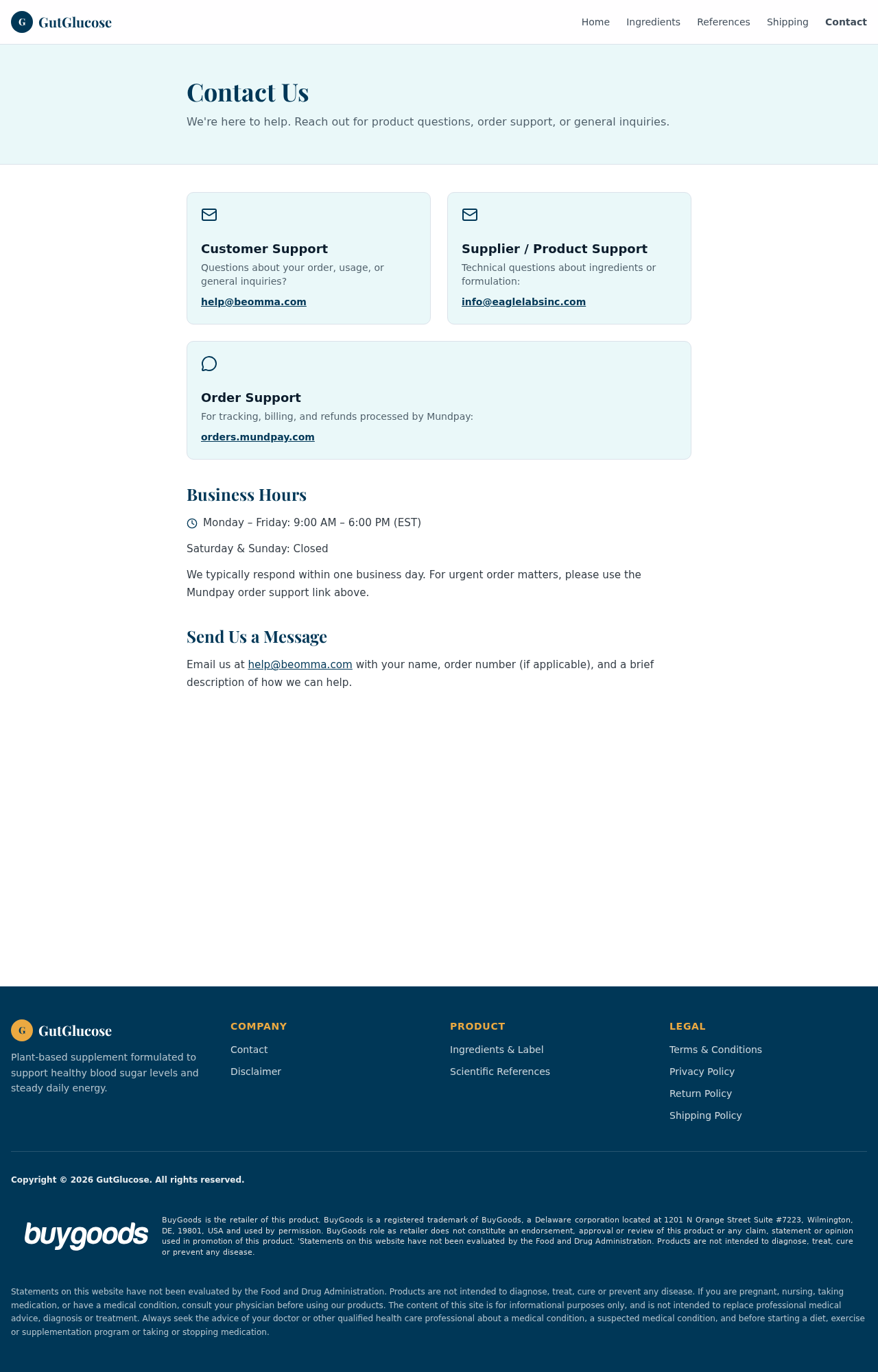
The contact page uses help@beomma.com for general support. It sends ingredient and formulation questions to info@eaglelabsinc.com.
The terms call Mundpay, identified as MUND USA LLC, the authorized retailer. The package button points to BuyGoods. Preserve the receipt to see which entity actually appears on the transaction.
The Return Address Is Withheld Until an RMA Is Issued
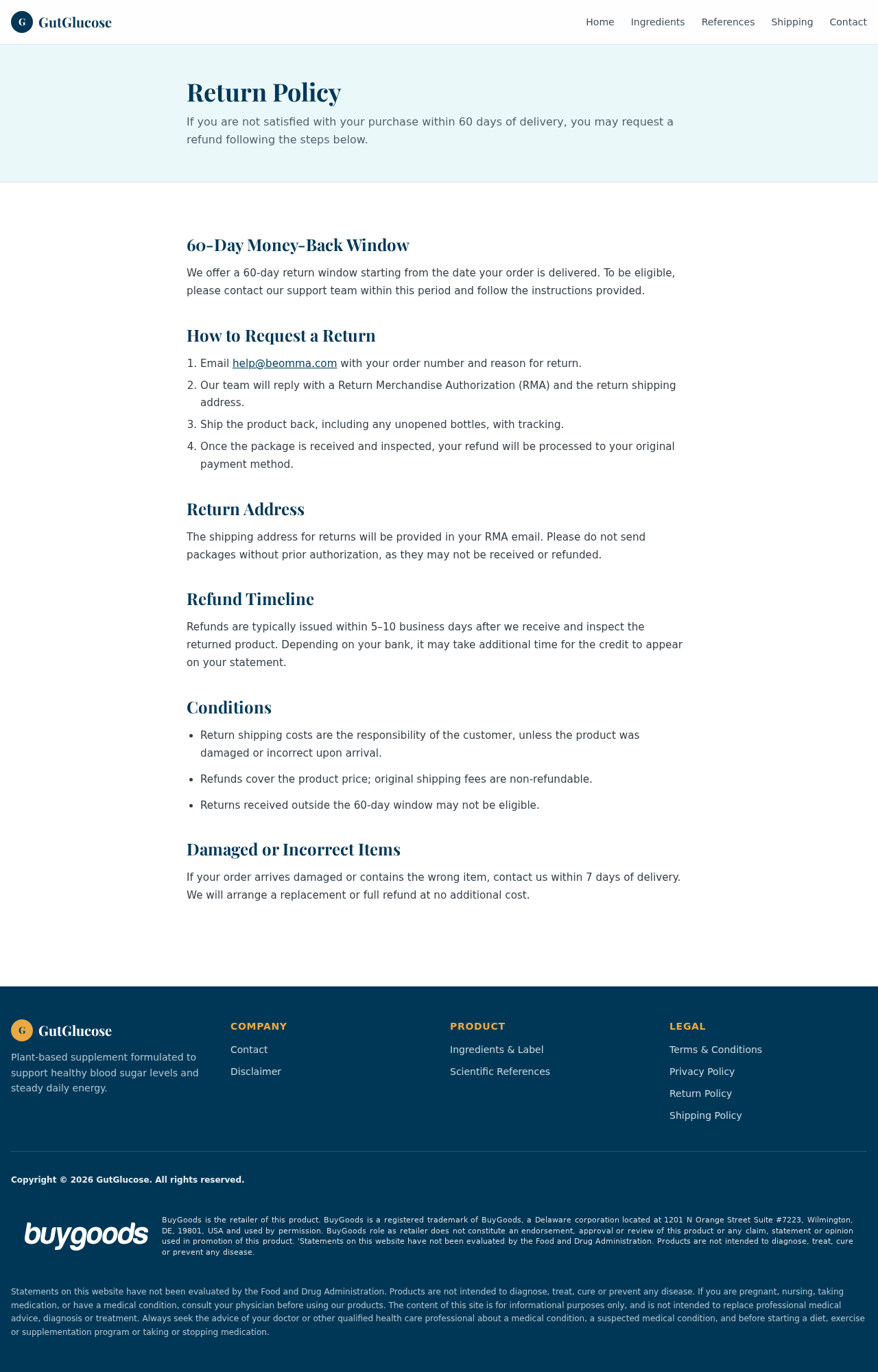
The return policy tells buyers to obtain a Return Merchandise Authorization before shipping anything. The address is supplied in the RMA email rather than published on the page.
This can protect a warehouse from unsolicited parcels, but it also makes responsive support essential. Never mail a return to an address copied from a forum or another brand.
Support Is Split Across Brand, Supplier, and Retailer
Beomma handles product and general questions, Eagle Labs handles technical formulation inquiries, and Mundpay handles tracking, billing, and refunds according to the contact page.
Send the same concise written request to the party named on the receipt and save the response. A phone conversation without confirmation is difficult to prove later.
The Factory and Testing Need Specific Evidence
The site says the product is made in an FDA-registered, GMP-compliant facility and third-party tested. The public page does not name the facility or display a lot-specific certificate matching the bottle.
This does not show that the product was made in China or is unsafe. It means quality claims should be verified through the manufacturer name, lot code, complete label, allergens, and a certificate of analysis tied to that lot.
The Refund Promise Is Not Completely Risk-Free
The 60 Days Begin at Delivery
The policy gives buyers 60 days from delivery to request a refund. The request must be sent to help@beomma.com with the order number and reason.
Do not wait until the final day. Support, return shipping, inspection, and bank processing can add time.
Return Shipping Is the Customer’s Responsibility
The buyer must ship the product with tracking after receiving the RMA. Original shipping fees are not refunded, and the return postage is normally paid by the customer.
A six-bottle package can therefore carry a meaningful return cost even when the purchase price is eligible.
Unopened Bottles Are Specifically Mentioned
The policy instructs customers to send the product back, including unopened bottles. It does not clearly promise that every empty container can be refunded without question.
Ask support to confirm exactly what must be returned and how the used bottle affects the credit before paying for postage.
Health and Evidence Checks
Ingredient Research Does Not Prove the Blend
Berberine, cinnamon, banaba, and other ingredients have been studied in different contexts. Results vary, and doses, formulations, populations, and study quality matter.
NCCIH says evidence for most diabetes supplements is unclear and warns against replacing proven treatment with products marketed as natural cures.
Blood Sugar Can Drop Too Far
A supplement that affects glucose could interact with insulin or other diabetes medicine. Without individual ingredient amounts, predicting that effect becomes harder.
Monitor glucose as directed and show the complete label to the clinician managing your medication.
“FDA-Registered” Does Not Mean FDA Approved
The FDA generally does not approve dietary supplements for effectiveness before sale. Facility registration does not validate the fake doctor, product claims, or testimonials.
The seller remains responsible for truthful labeling, while advertising claims must be supported by competent and reliable evidence.
What to Do if You Have Fallen Victim to This Scam
- Save the ad and doctor video. Preserve the names, medical claims, celebrity references, URL, package offer, and checkout.
- Identify the transaction parties. Note whether your receipt names Beomma, MUND USA LLC, Mundpay, BuyGoods, Eagle Labs, or another merchant.
- Request cancellation and a refund in writing. Include the order number, amount, date, and a clear statement that you relied on deceptive medical advertising if applicable.
- Obtain an RMA before returning anything. Use the address supplied for your order. Do not guess from a different supplement’s policy.
- Return with tracking and photos. Document the bottles, lot number, parcel contents, postage receipt, and delivery confirmation.
- Dispute unresolved deceptive charges. Give the bank the fake-doctor ad, checkout total, refund request, and proof that the merchant did not resolve the complaint.
- Watch for future charges. We did not find a visible subscription on the current page, but continue monitoring and challenge any charge that was not authorized.
- Protect your health. Do not stop insulin or other medication. Contact a clinician for abnormal glucose readings, side effects, or questions about the blend.
- Report the advertising. Send the fake medical persona to the FTC and platform. Report a suspected serious supplement reaction to the FDA.
- Secure your browser. Malwarebytes can check for malicious downloads or unwanted software. AdGuard can help block deceptive ads, tracking, and repeat funnel redirects.
Frequently Asked Questions
Is Beomma GutGlucose a real supplement?
Yes. A physical chewable supplement with a published label and working checkout is marketed under the Beomma name. That does not validate the fake-doctor campaign.
Is Dr. Brian Karaan a real doctor?
We could not verify the identity, credentials, or institutional history presented in the advertisement. Treat the persona as fabricated unless independently verifiable records emerge.
Can GutGlucose reverse type 2 diabetes?
No finished-product clinical evidence was found proving that GutGlucose reverses diabetes. The current site says the supplement is not intended to diagnose, treat, cure, or prevent disease.
Is GutGlucose a subscription?
The current product page we reviewed presents multi-bottle packages and no visible automatic-refill choice. Verify the final checkout because offers can change.
Who processes GutGlucose orders?
The site’s terms name Mundpay and MUND USA LLC as the authorized retailer, while the purchase link leads to BuyGoods. The receipt is the controlling record for a specific transaction.
How does the GutGlucose refund work?
Request an RMA within 60 days of delivery, ship the required bottles with tracking, and keep proof. The customer normally pays return postage, and original shipping is not refunded.
The Bottom Line
Beomma GutGlucose is a real supplement wrapped in a deceptive fake-doctor story. A working bottle and checkout do not make the fabricated physician or implied diabetes cure authentic.
The current page is more transparent than the ad, but the proprietary blend and split company roles still require careful verification. Do not use this product as a substitute for diabetes treatment or buy it because an invented doctor told you to.








