

Veysole briefly offered a remarkably inexpensive way to replace a smile at home, complete with reassuring language that sounded professionally endorsed.
The listing has since disappeared, leaving buyers to reconstruct what was promised and whether the store could support a product this personal.
Overview
What Veysole advertised
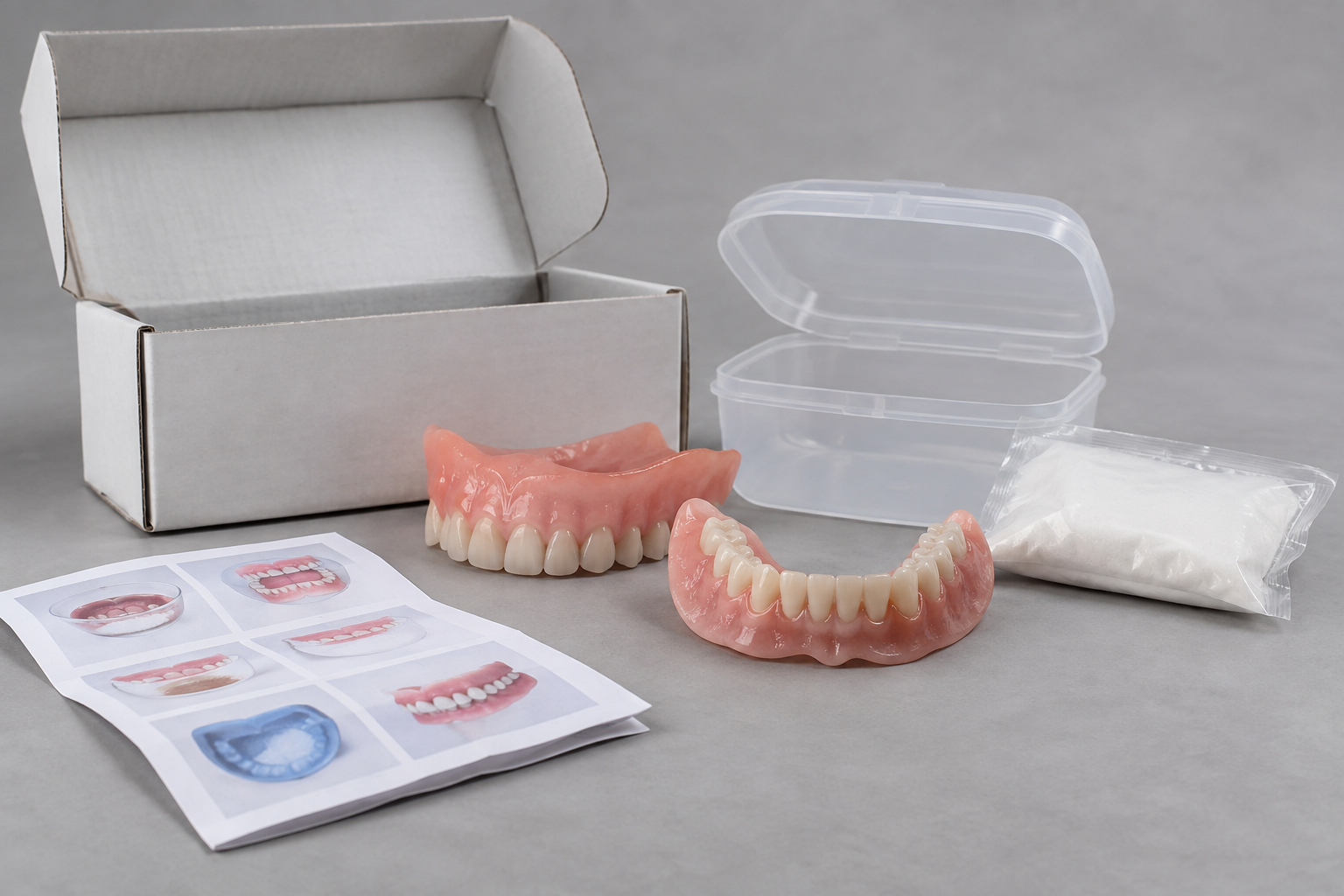
A recently indexed Veysole listing promoted a “Premium Comfort-Fit Denture Set” and an “ADA-Certified Complete Dentures” offer.
The displayed price was $29.99, reduced from $59.99. Marketing language described a natural-looking smile and an easy at-home fit.
The product presentation included dramatic sales numbers, review counts, and low-stock pressure. Those figures could not be independently verified through the store.
What changed during our investigation
When we revisited Veysole, the denture product was no longer in the live catalog. Searches of the current store did not return the listing.
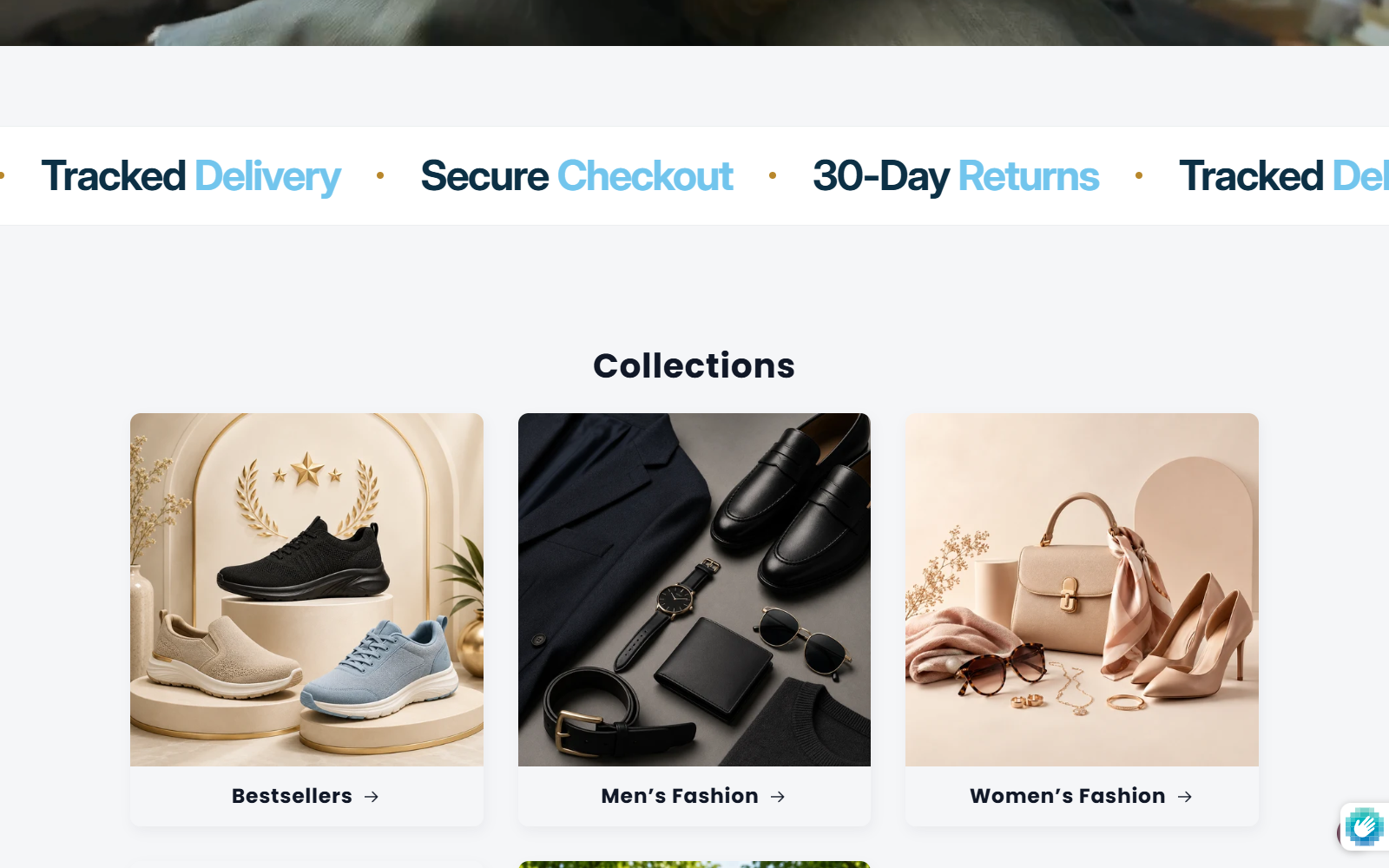
The homepage instead promoted unrelated items such as footwear, accessories, home products, and personal-care merchandise.
A removed page does not prove fraud. It does make warranties, instructions, specifications, and the original claim harder for buyers to review after purchase.
Our assessment
We could not verify that Veysole’s complete denture set earned the American Dental Association Seal of Acceptance.
The ADA describes a formal Seal program and searchable accepted-product list. Its denture-related categories include cleaners and adherents, not inexpensive complete denture sets.
Until Veysole supplies a verifiable acceptance record and manufacturer, the “ADA-Certified” wording should be treated as unsubstantiated marketing.
- The complete denture listing appeared at an unusually low $29.99 price.
- The page used “ADA-Certified” rather than showing a verifiable acceptance record.
- The denture product disappeared from the live catalog.
- The current store mixes many unrelated merchandise categories.
- Discounted bundles can be exchange-only with no cash refund.
- The authorized return address is provided only after approval.
An At-Home Denture Is Not an Ordinary Cosmetic Accessory
Dentures interact with gums, jaw relationships, remaining teeth, speech, chewing, and pressure-bearing tissues. Fit is more complex than matching a general mouth size.
A low-cost temporary cosmetic device may resemble a denture in photographs while offering very different function, materials, and durability.
Poor fit can create painful pressure points, loosen during eating, affect speech, or encourage users to alter the product unsafely.
An online page should state whether the item is cosmetic, temporary, boil-and-fit, relinable, custom fabricated, or intended for functional chewing.
It should also identify materials, contraindications, cleaning methods, adjustment limits, and situations requiring professional dental care.
The missing Veysole listing prevents current shoppers from checking whether those distinctions were disclosed completely.
A photograph of a smiling model cannot establish fit. Every user’s anatomy, bone shape, tissue condition, and bite differs.
What an ADA Acceptance Claim Should Mean
The American Dental Association operates the ADA Seal of Acceptance program for qualifying oral-care products.
The ADA says accepted products undergo scientific review for specific safety and effectiveness claims. A genuine product should appear in the organization’s current search system.
Packaging should display the actual Seal with language describing the evaluated benefit. A seller-created phrase such as “ADA-Certified” is not a substitute.
The ADA’s published denture categories discuss cleansers for removable appliances and denture adherents. They do not establish acceptance of a complete mail-order denture set.
We found no reliable record linking Veysole complete dentures with an accepted manufacturer or product entry.
That finding does not let us identify who created the listing or test the physical item. It means the endorsement claim lacks verification.
A cautious buyer should ask for the exact ADA product name, manufacturer, acceptance category, Seal statement, and link within the ADA’s own directory.
The Product Vanished While the Store Continued
Veysole’s current catalog looks like a broad general store. Products include fashion, footwear, home items, and personal accessories rather than a focused dental business.
General stores can sell legitimate merchandise. The concern is whether they have the expertise, traceability, and support required for products worn inside the mouth.
A disappearing product removes the original comparison point. Customers may struggle to prove dimensions, materials, included components, or a promised guarantee.
Search-engine copies can preserve titles briefly, but they are not a replacement for a stable merchant record.
Save medical-adjacent listings before purchase. Capture every specification, claim, review counter, image, policy, and checkout line.
If a page disappears after payment, keep the original URL. Archive it with the confirmation and card statement.
How the Veysole Denture Offer Created Risk
Step 1: A sensitive problem meets a very low price
Dental treatment can be expensive, slow, and emotionally difficult. A $29.99 solution naturally attracts people who feel excluded from professional care.
The offer reduces a complex fitting process to an affordable online product. That contrast makes the listing memorable and highly shareable.
Price alone does not prove deception, but it should prompt questions about intended use, customization, materials, and aftercare.
Step 2: Authority language lowers skepticism
“ADA-Certified” sounds like approval from the most recognizable dental organization in the United States.
Many buyers will not know the official term is the ADA Seal of Acceptance or that accepted products can be searched directly.
Using similar authority language can borrow trust even when no directory entry, Seal statement, or manufacturer evidence is provided.
Step 3: Sales counters imply mass satisfaction
The captured promotion used large review and sold-unit figures alongside an almost-sold-out message.
Those elements suggest thousands of successful fittings. Store-controlled numbers do not reveal return rates, complaints, or whether reviewers bought that exact item.
Independent denture feedback should discuss fit, comfort, chewing, speech, adjustment, materials, and professional evaluation.
Step 4: The customer orders without a fitting
At-home kits may require heating, molding, trimming, relining, or selecting a generic size. Each method has limitations.
A buyer may discover only after opening or shaping the product that it cannot be returned in original condition.
That creates a practical conflict between testing fit and preserving eligibility under a standard unused-item policy.
Step 5: The listing disappears
By the time concerns arise, the product page may be removed. The store can continue with a different assortment.
Support may then treat the order as an old or discontinued item. The customer needs saved evidence to show what was originally represented.
Product turnover is common in general stores, but medical-style authority claims demand a more stable record.
Step 6: The return depends on merchant approval
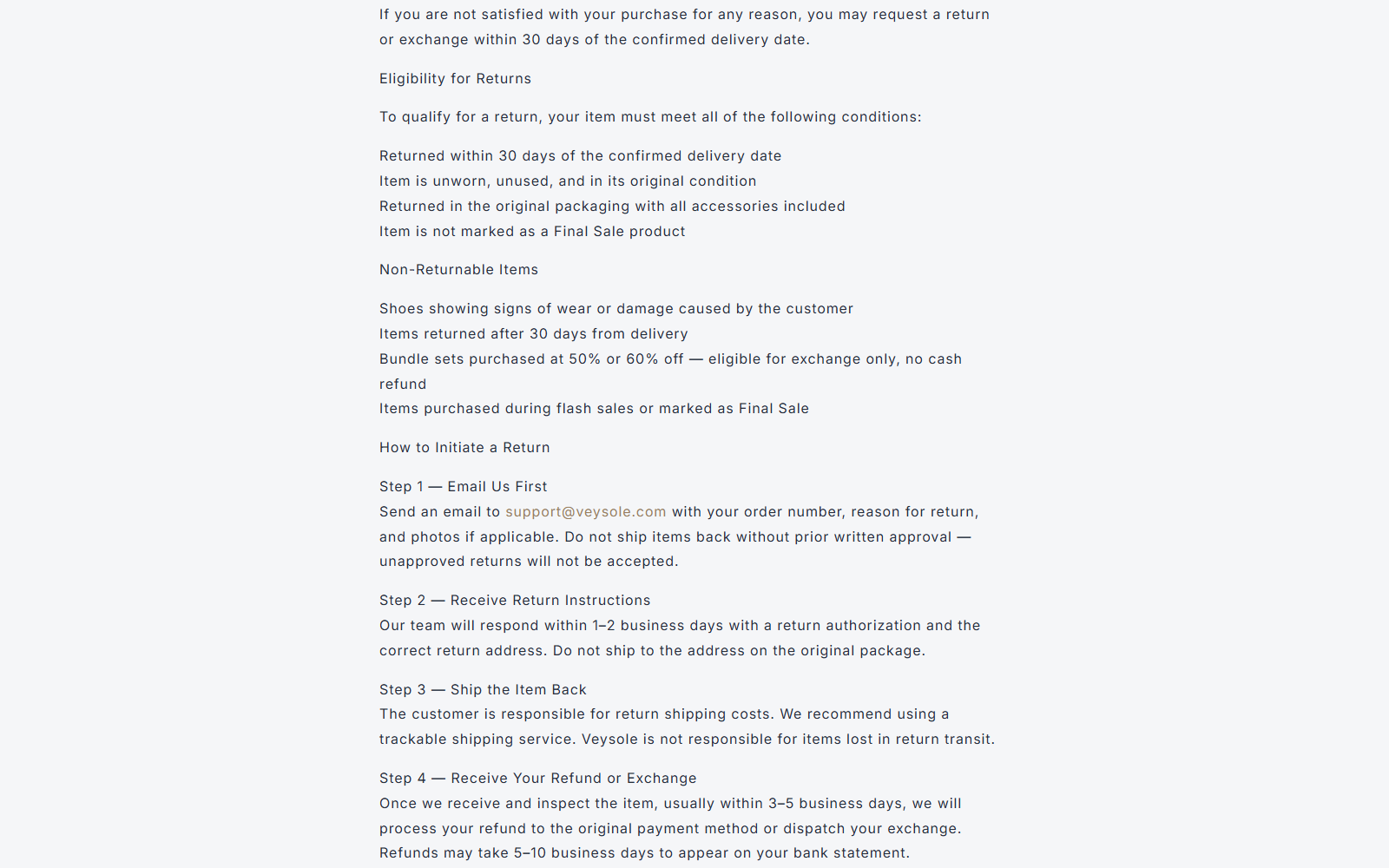
Veysole says buyers must email first and obtain the correct return address. It warns against using the address printed on the incoming parcel.
Unapproved returns are not accepted. Customers also pay return shipping, and some deeply discounted bundles receive exchange only.
If support delays or withholds authorization, the stated 30-day window can become difficult to use.
The Return Policy Has Several Practical Obstacles
Veysole’s policy allows requests within 30 days of confirmed delivery. The item must remain unworn, unused, and in original condition.
Those terms are ordinary for clothing. For an at-home denture, determining suitability may require handling or fitting the device.
The policy does not clearly resolve that tension. A buyer should ask whether opening, heating, molding, trimming, or placing the device in the mouth ends eligibility.
Bundles purchased at 50% or 60% off are listed as exchange-only, with no cash refund.
That exclusion matters because the indexed denture listing displayed a 50% reduction. Ask whether the promotion places the product inside the bundle restriction.
The seller says it will provide the correct return address after approval. The parcel’s sender address is specifically rejected as a return destination.
Customers bear return postage and the risk of loss. Obtain tracked delivery and written confirmation that the destination is authorized.
Company, Address, and Fulfillment Checks
The store provides a New Mexico mailing address
Veysole lists 219 Central Avenue NW, number 609, Albuquerque, New Mexico 87102.
A published address is useful, but it does not prove that dentures are designed, manufactured, fitted, or returned at that location.
The current catalog does not resemble a dental supplier
The live store now sells unrelated everyday products. We found no stable dental category, clinician information, laboratory identity, or technical denture support.
That mismatch increases the importance of identifying the actual manufacturer and importer on the physical packaging.
The account link crosses to another domain
Veysole’s account navigation has routed users through account.veylani.com. Cross-domain account handling can confuse which brand stores customer and order data.
Confirm the destination before entering a password. Never reuse a password from email, banking, or another shopping account.
The return warehouse remains undisclosed until approval
The store’s policy says the proper return address will arrive through support. That suggests fulfillment may occur separately from the public business address.
A fulfillment center can process parcels without being the product maker or responsible seller. Ask each party’s role before shipping anything.
What to Do if You Have Fallen Victim to This Scam
- Preserve the removed listing. Save cached results, screenshots, confirmation emails, product images, advertised claims, price, and the original URL.
- Do not fit the device immediately. Read return terms first and ask whether opening, heating, molding, trimming, or oral use prevents a refund.
- Photograph the unopened package. Record the label, manufacturer, importer, model, materials, instructions, lot information, and safety warnings.
- Verify the ADA claim independently. Search the official ADA accepted-product directory by exact product and manufacturer, not by the store’s wording.
- Contact a dental professional. Seek advice before using a device that causes pain, pressure, bleeding, looseness, swallowing risk, or difficulty chewing.
- Request written return authorization. Obtain the approved address, deadline, refundable amount, postage responsibility, and treatment of opened products.
- Keep communication factual. State that the advertised acceptance claim could not be verified and that the original page is no longer available.
- Use tracked shipping if returning. Photograph the contents, sealed parcel, and label. Keep weight, receipt, tracking, and delivery confirmation.
- Contact the card issuer when necessary. Provide the listing evidence, unverified claim, product condition, return request, merchant reply, and current page removal.
- Protect your accounts. Change a reused shopping password. Run Malwarebytes after suspicious downloads, and use AdGuard against malicious ad redirects.
- Report the representation accurately. Send the exact “ADA-Certified” wording and product evidence to appropriate consumer and dental authorities.
How to Verify Dental Product Claims
Start with the organization named in the claim. Search its official directory rather than relying on a logo, product title, or seller-created certificate.
Match the exact manufacturer and product. Acceptance of a cleanser or adhesive does not transfer to a complete denture set.
Look for the evaluated benefit. A seal may cover one function, not every statement made on a sales page.
Ask for material composition and biocompatibility documentation. Products used in the mouth need more transparency than generic accessories.
Check whether the item is a medical device, temporary cosmetic appliance, novelty, or replacement for professionally fabricated dentures.
Do not assume a United States address means domestic manufacture. The package should identify the responsible manufacturer or importer.
Be skeptical of certificates shown only as low-resolution images. Verify the issuing body, number, scope, and current status independently.
A seller that provides honest limitations is safer than one promising universal comfort, instant fitting, and professional results for everyone.
Safer Alternatives for an Urgent Denture Need
Contact local dental schools, community clinics, public-health programs, and nonprofit services. Some offer reduced-cost assessments or supervised treatment.
Ask a dentist about temporary dentures, relines, repairs, or payment options rather than assuming a complete replacement is the only route.
If buying an interim cosmetic device, choose a seller that clearly labels intended use, materials, fitting method, warnings, and return consequences.
Never reshape a hard device aggressively, use household adhesives, or continue wearing something that creates sores.
Keep removed dentures away from children and pets. Small or broken components can create choking hazards.
Persistent oral pain, swelling, bleeding, unexplained sores, or infection signs deserve professional evaluation rather than another online fitting attempt.
Frequently Asked Questions
Are Veysole dentures a confirmed scam?
The evidence supports serious concerns, not a conclusion about every transaction. The strongest issues are the unverified ADA claim, removed listing, and difficult returns.
Did Veysole really advertise ADA-certified dentures?
Yes. Indexed and captured promotional material used “ADA-Certified Complete Dentures” for a $29.99 product that is no longer in the live catalog.
Could we verify the Veysole ADA claim?
No. We found no matching accepted product or manufacturer record in the ADA program information reviewed for this investigation.
Why did the Veysole denture page disappear?
The site does not provide a public explanation. Products can be discontinued for many reasons, so removal alone does not prove fraud.
Can Veysole orders be returned?
The policy offers a 30-day process for eligible items, but approval is required. Some discounted bundles are exchange-only, and customers pay return postage.
Should I use an at-home denture that hurts?
No. Remove a painful or unstable device and seek dental advice, especially with sores, bleeding, swelling, choking risk, or difficulty eating.
The Bottom Line
Veysole used professional-sounding authority language to market an unusually cheap denture set, but we could not verify that claimed acceptance.
The product’s disappearance, general-store catalog, cross-domain account link, approval-only return destination, and discount exclusions add substantial commercial risk.
Do not place health, comfort, or $29.99 marketing ahead of verifiable credentials. A safe denture solution needs traceability, honest limitations, and appropriate professional support.








