

Lunavia antifungal pen reviews speak to a familiar frustration: a nail that looks worse each month, and a search for something easier than another disappointing routine.
A small pen can seem like a manageable next step. Before choosing a pack, take a closer look at the promise behind that convenience.
Overview
A real drug-label record does not prove a toenail cure
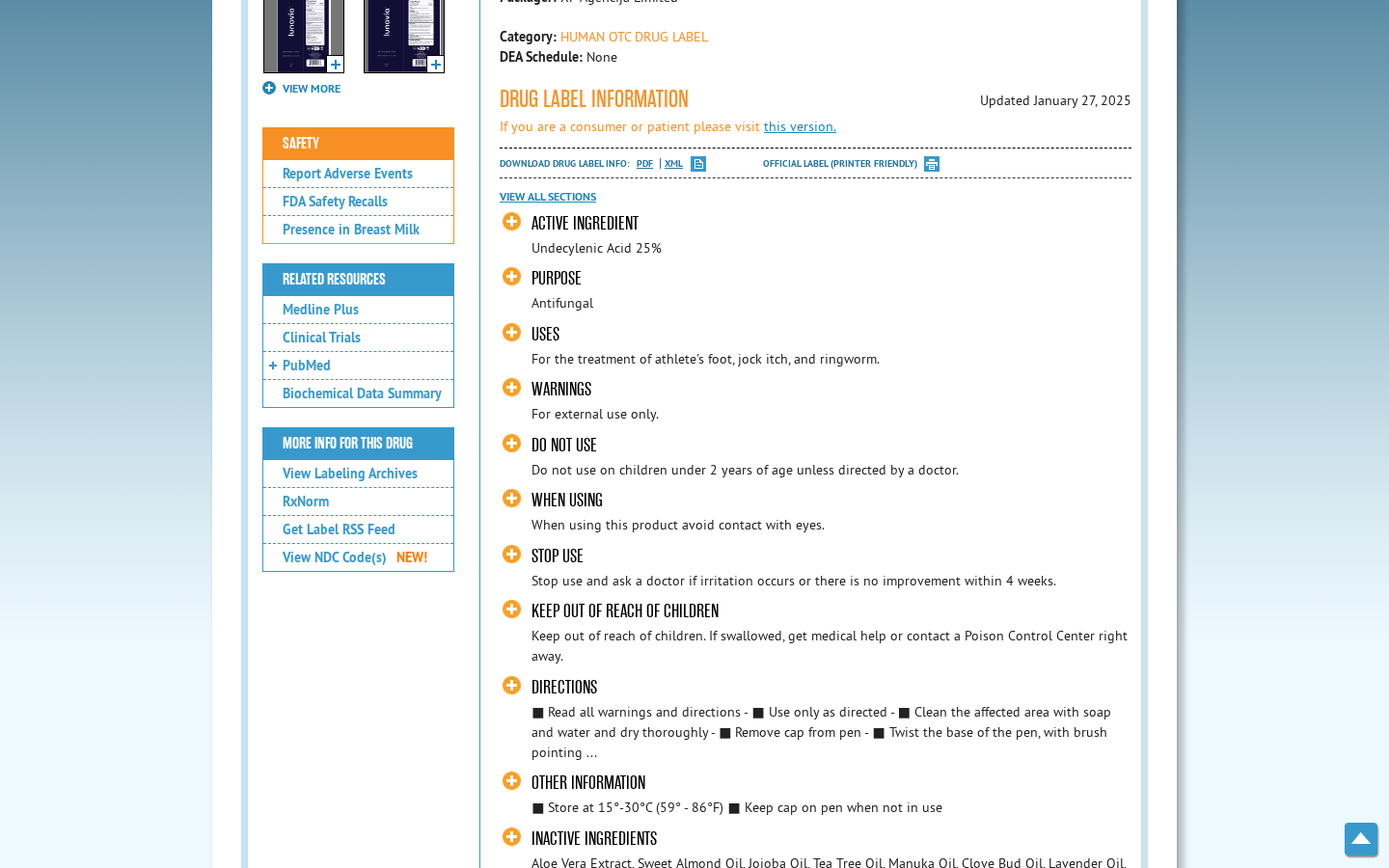
Lunavia has a published antifungal pen label listing undecylenic acid at 25%. Its recorded uses concern athlete’s foot, jock itch, and ringworm.
Those skin infections are not interchangeable with fungus inside a nail. A drug listing for one purpose should not be presented as proof of a different result.
Our October 8, 2026 investigation found important differences between nail-focused marketing, more careful skin-use wording, and the conditions attached to ongoing purchases.
There are separate purchase choices and conflicting cancellation clocks
The reviewed mylunavia.com offer lists both a one-time purchase and a discounted subscription. That means a buyer must check the selected arrangement, not just the price.
On the live page we checked, the three-pen monthly subscription was initially selected. That is an observed page setting, not proof of your completed order.
The terms require 48 hours’ notice before renewal. A separate cancellation page says 24 hours. That inconsistency deserves clarification before the next billing date.
It does not establish that every buyer is enrolled without consent. Your saved order summary and account are the evidence for your own transaction.
The concern is stronger than a generic warning about supplements
- Verify whether the claim concerns fungal skin infections or treatment of the nail itself.
- Separate a public drug-label listing from individual FDA approval.
- Read the complete pack total and any repeat-delivery schedule.
- Clarify the refund deadline, return postage, and cancellation cutoff for your order.
This is a medical-claim and billing-risk investigation. We did not test the liquid, authenticate testimonials, or establish criminal fraud by every seller using the Lunavia name.
What Lunavia Antifungal Pen Reviews Often Leave Unclear
A discolored nail is not automatically proof of a fungal infection. Appearance alone can leave a buyer choosing a product for the wrong problem.
There is another distinction: improving the skin around a nail is not the same outcome as curing an infection in the nail.
That is why before-and-after photographs need context. Which condition was diagnosed? What else did the person use? How much time passed between images?
We have not verified individual photographs or demonstrated that they were created with AI. Unverified imagery should not be turned into a separate factual accusation.
Equally, a credible ingredient name does not answer whether the complete formulation achieves the particular effect promised in an advertisement.
A buyer needs evidence for the finished product and intended use. General information about an antifungal ingredient is not a substitute for that connection.
A clinician can help establish what is actually affecting the nail and which treatment options fit. This review does not diagnose readers or recommend a personalized regimen.
If a promotion makes that assessment seem unnecessary, slow down. The convenience of a pen should not become a reason to avoid appropriate care.
How the Lunavia Antifungal Pen Sales Funnel Works
Step 1: A visible nail problem creates a strong reason to search
Many buyers arrive after trying cosmetic fixes or feeling embarrassed about their feet. A compact product with a simple application routine can sound particularly reassuring.
The first question is what the page actually promises. Clearer-looking skin, relief from an identified skin infection, and a nail-fungus cure are different claims.
Save the exact advertisement or landing page that brought you to the store. The wording may differ from a more cautious product description elsewhere.
Do not assume a friendly design or familiar ingredient resolves that difference. The medical claim needs evidence that matches the advertised outcome.
Also check the domain. We reviewed mylunavia.com materials; another similarly named storefront should not automatically be assigned the same operator or conditions.
Step 2: Ingredient information supplies a sense of medical credibility
The pen’s named active ingredient is a real antifungal used in certain skin treatments. That is meaningful information, but it has a defined context.
The DailyMed record, updated January 27, 2025, identifies XF Agencija Limited as packager and lists specific skin-infection uses.
It does not list a nail-fungus indication. Nor does displaying an NDC number independently demonstrate that FDA approved a seller’s broader marketing claim.
Ask the seller to identify product-specific evidence for the promised result. A general ingredient explanation does not demonstrate penetration or effectiveness inside an infected nail.
We did not examine a delivered unit. Compare any bottle’s actual label and packager information with the listing before drawing conclusions about identity.
Step 3: Pack pricing can make the discounted plan look like the obvious choice
A price shown per pen can be visually more attractive than the full package charge. Read both figures before deciding how much product you need.
At our live recheck, three pens at $14.95 each totaled $44.85 under the subscription choice. That is not a $14.95 total order.
The subscription and one-time routes have different prices and obligations. A discounted recurring choice can be reasonable only if you knowingly want the ongoing arrangement.
Before paying, record the number of pens, total charge, delivery interval, and selected purchase type. Make sure the final summary matches your intention.
A large supply should not be chosen merely because the lower unit price looks persuasive. Your diagnosis and actual needs come before a volume promotion.
Step 4: Ongoing billing continues until the plan is properly canceled
The terms describe repeat billing for subscription purchases. The version observed live displayed monthly delivery, rather than only a single discounted shipment.
Find the next billing date in the account and verify which products are active. A shipping confirmation does not necessarily explain the whole arrangement.
The screenshot below shows the terms we reviewed, including the renewal-cancellation requirement. It is a real policy capture, not an example of a private customer’s account.
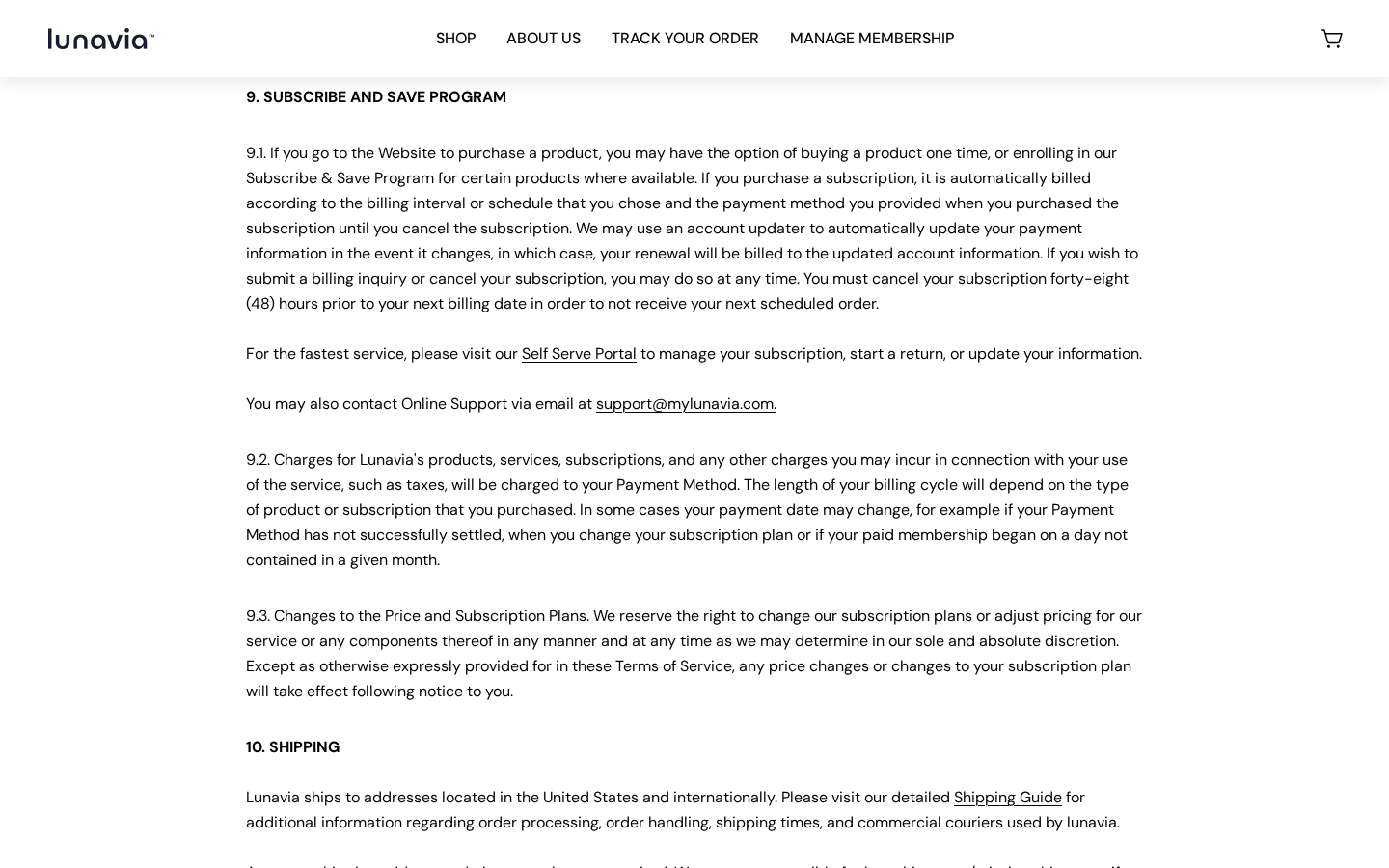
Because published deadlines differ, give yourself more time than either minimum. Ask support to confirm the effective cancellation date for your particular order.
The terms also describe a payment-card updater. Replacing a card should not be treated as a reliable substitute for ending the underlying subscription.
Step 5: A refund depends on more than the guarantee headline
The refund page gives a 90-day window measured from delivery. Some product copy instead references the order date.
Another reviewed product page describes claiming after 12 weeks of consistent use. Buyers should not have to work out these different clocks after paying.
Ask which guarantee applies to the version you purchased, whether used items qualify, and whether a physical return is required.
The refund policy generally puts return postage on the customer. A full purchase-price refund can therefore still leave a buyer with a shipping expense.
Keep the approval and verify the actual credit. A claim being reviewed, or a return arriving, is not the same as receiving your money.
Skin-Antifungal Recognition Is Not a Shortcut to Nail Approval
The FDA’s topical-antifungal framework sets conditions for certain nonprescription skin treatments. It does not grant every seller permission to claim effectiveness against nail infections.
An FDA warning letter to another company explains why topical-antifungal claims directed at nails can fall outside that framework.
That letter is not an enforcement finding against Lunavia. It helps explain the regulatory distinction that a buyer should not overlook.
One mylunavia.com product page uses more limited language about common fungal skin infections. Other reviewed Lunavia-branded pages make stronger nail-focused promises.
Keep those versions separate. A cautious sentence on one page does not authenticate every advertisement, and a different domain’s claim does not establish shared ownership.
Ask for the exact label, intended use, and evidence supporting the advertisement that influenced you. If the answer changes the subject to ingredient popularity, it remains incomplete.
The sensible decision is not to treat a skin-antifungal listing as a confirmed nail cure. Get an appropriate diagnosis instead of buying more on that assumption.
Company, Address, and Fulfillment Checks
The packager and checkout merchant are separate identities
The DailyMed pen record names a packager. The store’s terms use the Lunavia brand. Those records do not independently establish the complete corporate relationship between them.
Keep the receipt’s merchant name and the delivered product’s label. Ask the seller to explain any difference, including who handles billing and complaints.
Do not attach another website’s subscription policy to your purchase just because its product photograph or brand spelling looks similar.
The legal-notice address is not a verified factory
The terms reviewed list 1111B S Governors Avenue, #80212, Dover, Delaware 19904 for legal notices. That purpose does not establish manufacturing or fulfillment there.
We have not independently categorized the location as an office, mailbox, or warehouse. Calling it fake would be an unsupported leap.
Obtain a separate authorized return destination when needed. The address for legal correspondence should not automatically become the destination for a product parcel.
Cancellation support should settle the conflicting deadlines
The cancellation page lists support@mylunavia.com and 302-335-7108, plus a self-service portal. We did not test a customer’s login or place a support call.
Ask whether the upcoming renewal follows the terms’ 48-hour rule or the cancellation page’s 24-hour rule. Preserve the dated answer.
If using email, account for the site’s stated response period rather than waiting until the last moment. Seek explicit confirmation that the relevant plan has stopped.
Product traceability requires more than a confident testimonial
Check the active ingredient, concentration, lot details, packager, and instructions on the unit delivered to you. A store photograph is not a physical batch examination.
Botanical ingredients can also matter to individual users. Show the complete formulation to a clinician when you have sensitivities, circulation concerns, or another relevant condition.
This investigation establishes neither contamination nor a manufacturing country. It also does not independently verify a named professional’s involvement in a particular advertising claim.
What to Do If You Ordered a Lunavia Antifungal Pen
- Identify the seller and plan first.
Locate the exact domain, receipt, quantity, and payment description. Then check whether your account shows a one-time purchase or an active recurring delivery.
Keep the order summary before changing settings. It may be important if the arrangement differs from the selection you intended.
- Stop unwanted refills early.
Use the linked account portal or the seller’s published support channel. State which subscription should end and ask about the next scheduled charge.
Save the cancellation confirmation. Because the published cutoffs conflict, do not wait until the shorter advertised deadline if you can act sooner.
- Separate cancellation from a refund request.
Explain whether you want to stop future deliveries, return the first order, or dispute a renewal. Those requests can involve different steps.
Ask which guarantee clock governs your receipt and whether postage or physical return is required. Retain the instructions and any approval.
- Preserve the advertisement and label.
Save the nail-focused promise, if that is what led you to buy. Photograph the product label, including the listed uses and identifying details.
A comparison of specific claims is more useful than saying the product “didn’t work” without explaining the outcome you were promised.
- Get the nail problem properly assessed.
Consult an appropriate healthcare professional if you have not established the cause of the nail changes. Do not assume a skin-antifungal ingredient proves nail treatment.
Follow the delivered product’s warnings. Seek medical advice for irritation, worsening symptoms, or concerns involving diabetes or circulation.
- Follow an approved return through to repayment.
Use the designated address and a trackable service when a return is required. Keep the shipping receipt and confirmation showing the parcel arrived.
Compare the actual credit with the approved amount. If it does not appear within the stated period, ask support for a concrete status update.
- Escalate a documented billing disagreement when necessary.
Give your payment provider the original purchase selection, cancellation evidence, and disputed charge. Ask which process and deadline apply to your circumstances.
Be precise about what you authorized. Do not assume card replacement, a merchant complaint, or this review guarantees that further charges or a dispute will disappear.
Frequently Asked Questions
Is the Lunavia antifungal pen FDA approved for toenail fungus?
The reviewed label and monograph information do not establish that approval. The published pen label lists fungal skin infections, not a nail-fungus indication.
Does the DailyMed listing mean the product is fake?
No. It is a public drug-label record with identified uses and a packager. Its presence should not be confused with proof of every advertised medical outcome.
Does every Lunavia pen order create a subscription?
The reviewed mylunavia.com offer includes both purchase types. Verify your selected option, receipt, and active account plans rather than assuming all orders repeat.
Why do the cancellation pages show different notice periods?
The terms reviewed say 48 hours, while the cancellation page says 24. We cannot reconcile that for your order; ask the seller and cancel early.
Is the refund window based on ordering or delivery?
The refund policy uses delivery, while some offer copy uses ordering. Save your purchase version and request written clarification before relying on the deadline.
Can changing my card automatically stop the refills?
Do not rely on that. The terms mention card-updater functionality. Cancel the plan explicitly and discuss disputed recurring payments with your issuer.
The Bottom Line
Lunavia antifungal pen reviews should separate skin-use labeling from nail-cure promises. They should also explain the actual pack price and ongoing billing arrangement.
Do not purchase a supposed nail solution on ingredient recognition alone. Verify the diagnosis, seller, selected plan, and refund conditions before committing.








