

A dangerous scam is making the rounds aggressively promoting Pure CBD Gummies through exaggerated benefit claims and misleading celebrity endorsements. They use fake testimonials and doctored videos to deceive consumers about CBD gummies that are unlikely to live up to the hype.
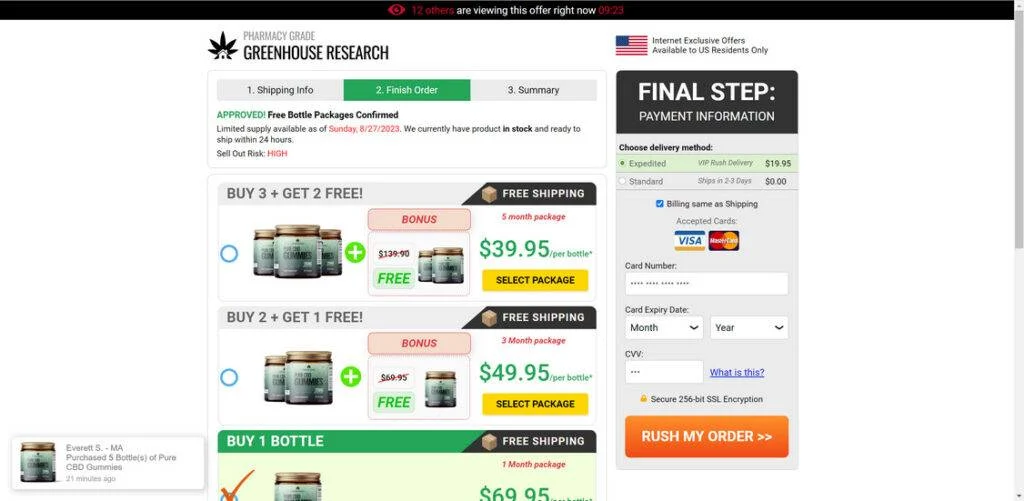
Scam Overview
As CBD has grown increasingly popular for its purported wellness advantages, scammers have shifted to promoting “Pure CBD Gummies” through manipulation and deception.
The scam utilizes AI-generated videos of celebrities like Melissa McCarthy and Elon Musk claiming Pure CBD Gummies provide extraordinary benefits. Fake customer testimonials rave about improvements in pain, anxiety, cognitive function, and more from taking the gummies.
In reality, there is no credible evidence validating these exaggerated claims. The celebrity endorsements are completely fabricated. The scammers are capitalizing on confusion surrounding CBD to sell untested gummies unlikely to deliver the promised benefits. Avoid falling victim to this Pure CBD Gummies scam.
How the Scam Works
The Pure CBD Gummies scam starts with AI-generated videos featuring celebrities discussing the benefits of taking the gummies. Melissa McCarthy, Elon Musk, Jennifer Aniston, and other famous faces appear to endorse Pure CBD Gummies as a revolutionary product.
Other deceptive tactics include:
- Doctored videos impersonating Shark Tank investors bidding millions for Pure CBD Gummies, claimed to be the “biggest deal ever!”
- Fake customer reviews and testimonials raving about Pure CBD Gummies relieving pain, reducing anxiety, improving cognitive performance, aiding sleep, and more.
- False claims the gummies were featured on The Dr. Oz Show and Good Morning America with glowing reviews.
- Fabricated articles from news outlets like USA Today, Fox News, and Reuters praising Pure CBD Gummies.
- Claims the gummies are “clinically proven” to safely deliver CBD benefits and have no side effects.
- Lies about extremely limited inventory to create false scarcity and urgency.
- Refusal to provide refunds or an overly difficult refund process for unhappy customers.
This barrage of manipulated testimonials and videos aims to convince customers that Pure CBD Gummies are a clinically-backed, celebrity-endorsed miracle supplement. But there is no credible evidence supporting these exaggerated claims. The goal is to exploit confusion about CBD to drive sales.
Recognizing the Red Flags
Here are signs a Pure CBD Gummies promotion is a total scam:
- Too-good-to-be-true claims about gummies curing or treating medical conditions. CBD is not a magic remedy.
- The website seems hastily put together, unprofessional, and has multiple typos or formatting issues.
- The celebrity endorsements cannot be verified through any objective third-party sources.
- No access to third-party quality or dosage testing for the gummies.
- Aggressive sales tactics and limited time offers meant to pressure you into ordering quickly.
- No genuine customer reviews available, only suspicious glowing testimonials.
When in doubt, fact check dubious claims by searching for direct confirmation from independent sources. And remember, CBD gummies are not miracle cures – responsible dosing and lifestyle choices remain important for wellness.
What to Do If You Are Scammed
If you placed an order and provided payment information, take swift action to halt the fraud:
Contact your credit card company ASAP. Ask them to reverse the transaction due to unauthorized charges from deceptive marketing.
Dispute the charges. If charges go through, dispute them with your card issuer as fraudulent. Provide details on the misleading testimonials.
Request a chargeback. If disputes are rejected, ask for a chargeback reversal on the grounds that the product differs wildly from promotional claims.
Cancel recurring orders. Immediately reach out to the merchant to halt all future shipments or recurring charges associated with your account and credit card.
Mark emails as spam. Doing so will prevent future scam emails about Pure CBD from reaching your inbox based on your purchase history.
File an FTC complaint. Submit a scam report to the Federal Trade Commission detailing the fake testimonials, false scarcity marketing, and other deceptive strategies used.
Leave reviews. Post negative reviews about the scam experience on retailer platforms to spread awareness and help prevent others from falling victim.
Pure CBD Gummies Scam FAQs
Are the celebrity endorsements real?
No. The celebrity testimonials are fabricated using AI video generation technology known as deepfakes. No celebrities have actually promoted or endorsed Pure CBD gummies in real life. Verify remarkable claims through impartial third-party sources before believing them.
Can Pure CBD Gummies deliver all the promised benefits?
There is no verifiable evidence that Pure CBD gummies can treat chronic pain, anxiety, cognitive decline, sleep issues, or provide other exaggerated benefits described in the scam promotions. Responsible CBD use requires proper dosing and lifestyle factors.
Have Pure CBD Gummies really been featured on Shark Tank?
No. Scammers create fake Shark Tank segments using deepfakes. No CBD gummy products have actually appeared on the show or received investment bids from the cast. Be skeptical of these manipulated videos.
Are Pure CBD Gummies FDA approved?
No, the FDA does not evaluate or approve supplements like CBD gummies. Scammers may falsely suggest FDA approval to seem legitimate. Reputable CBD companies undergo independent third-party testing that Pure CBD likely lacks.
Can I get a refund if unhappy with the gummies?
You’ll likely have great difficulty getting a refund, by design. Scammers intentionally make refunds hard or impossible to obtain to avoid complaints about an ineffective product. But you can dispute the charges as fraudulent if the gummies fail to provide the deceptive benefits claimed.
Avoid the Pure CBD Gummy Scam
The elaborate Pure CBD gummy scam aims to trick consumers based on fake testimonials and manipulated videos. But there’s no credible proof verifying the exaggerated benefit claims. Apply critical thinking before purchasing any viral CBD products, especially those making unbelievable claims. And know CBD is not a magic wellness cure-all – responsible dosing and lifestyle factors remain important for your health. Make informed choices to protect your interests.

Join the discussion
0 commentsShare your experience or ask a question about this article.
Discussion
Start the conversation
Have a question or something useful to share? Add the first comment.