

A dangerous new CBD gummy scam is capitalizing on fake celebrity endorsements and doctored news articles to swindle consumers. Scammers are promoting TheraCalm CBD Gummies using deepfake videos of Shark Tank investors, fabricated endorsements from Tiger Woods, and fake news stories praising TheraCalm as a miracle cure.
The aim of this elaborate TheraCalm CBD gummy scam is to trick consumers into believing respected authorities have validated the gummies as proven to generate a range of health benefits. In reality, all the celebrity endorsements are AI-generated fakes, and no legitimate news source has corroborated their lofty claims.
This scam leverages the trust people place in celebrities and news outlets to make TheraCalm CBD Gummies seem like a scientifically-proven wellness breakthrough. But it’s all fabricated promotional hype. The scammers’ goal is to capitalize on misleading marketing to sell untested CBD gummies at inflated prices, using deceptive auto-billing practices and refusing refunds.
This article will uncover the questionable tactics being used to promote TheraCalm CBD Gummies, including the use of deepfakes and falsified news articles. Learning to spot these red flags can help you avoid falling victim to this scam’s attempts to exploit consumer trust in famous names and media entities.
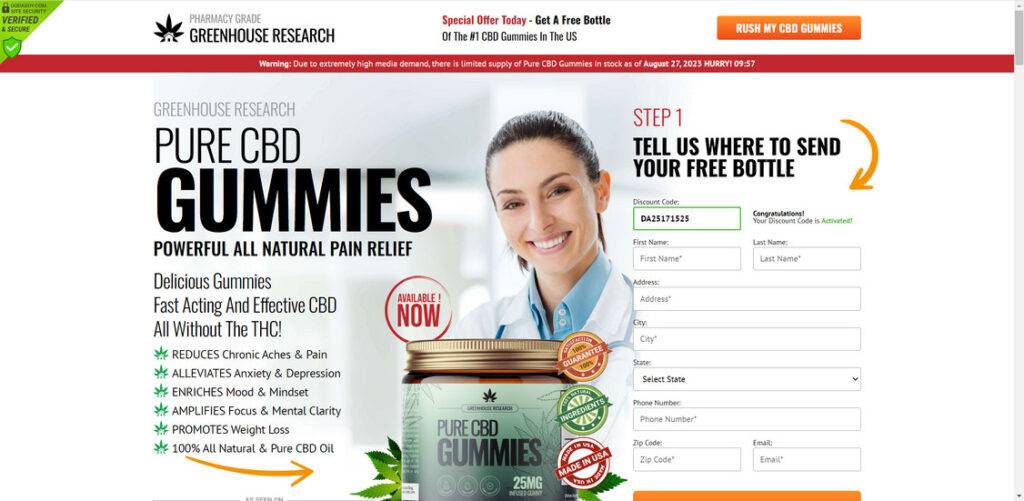
Scam Overview
CBD gummies have exploded in popularity due to the various wellness perks linked to CBD. Seizing on this trend, scammers are utilizing elaborate deception to promote TheraCalm CBD Gummies specifically.
The scam features deepfake videos of Shark Tank investors bidding overTheraCalm CBD Gummies as the “next big thing.” Doctored footage shows Tiger Woods, Elon Musk, and Melissa McCarthy raving about the gummies’ benefits. Fake news articles praise TheraCalm CBD Gummies as a scientific breakthrough for issues like pain relief, anxiety, and sleep.
In reality, all these endorsements are fabricated using AI video generation. No legitimate evidence supports TheraCalm CBD Gummies as a miracle wellness cure. The scammers’ aim is to trick consumers based on the perceived credibility of celebrity endorsements and news media hype.
Their goal is to sell untested, overpriced CBD gummies to customers who would never purchase the product if the true origin was known. The scam banks on the convincing deepfakes to manipulate consumer psychology. Avoid falling for this TheraCalm CBD Gummies scam.
How the Scam Works
The TheraCalm CBD Gummies scam starts with a professionally produced video impersonating Shark Tank. Using deepfake technology, it shows the investors arguing over and bidding millions for the rights to TheraCalm CBD Gummies, claimed to be the “biggest deal in Shark Tank history.”
More deepfakes feature fake interviews with the investors talking up TheraCalm CBD Gummies as scientifically proven to deliver premium CBD benefits. Supposed news segments announce TheraCalm as a new “Shark Tank CBD miracle.”
Next come the celebrity endorsements. Doctored footage shows Tiger Woods, Gwyneth Paltrow, Elon Musk, and other celebrities discussing the benefits of taking TheraCalm CBD Gummies regularly, such as reduced anxiety, pain relief, better sleep, and more.
Other tactics include:
- Fake articles from news outlets like Fox News, USA Today, and Reuters portray TheraCalm CBD Gummies as a medical advancement.
- False claims TheraCalm CBD Gummies was seen on The Dr. Oz Show and Good Morning America with rave reviews.
- Fake customer testimonials and reviews raving about lifechanging results from taking TheraCalm CBD Gummies.
- Claims TheraCalm CBD Gummies is “clinically proven” to deliver various wellness benefits and has zero side effects.
- Lies about fast-selling inventory to create false scarcity and urgency.
- Refusal to provide refunds and difficult cancellation process for subscription orders.
This barrage of fake celebrity and news endorsements builds a powerful illusion that TheraCalm CBD Gummies are scientifically validated to safely provide exceptional wellness advantages. But in reality, there’s no proof verifying any of these lofty claims. The goal is to exploit human psychology and trust in authority to drive sales.
Recognizing the Red Flags
Here are signs a TheraCalm CBD Gummies promotion is totally fabricated:
- The website seems unprofessional, with typos, formatting issues, and other amateur mistakes.
- The celebrity and news endorsements cannot be validated by any objective third-party sources.
- Claims seem wildly exaggerated, building unreasonable expectations of CBD benefits.
- Refusal to disclose dosages, ingredients, or third-party quality certifications upfront.
- Aggressive sales tactics insisting you must order now before something expires.
- No genuine customer reviews, only suspicious glowing testimonials.
- Auto-billing practices without consent and inflated pricing.
When in doubt, fact check suspicious claims by searching for direct confirmation from independent sources. And remember, CBD is not a miracle cure-all. Apply critical thinking before purchasing.
What to Do If You Are Scammed
If you placed an order and provided payment information, take swift action to halt the fraud:
Contact your credit card company ASAP. Ask them to reverse the transaction due to unauthorized charges resulting from deceptive marketing.
Dispute the charges. If charges go through, dispute them with your card issuer as fraudulent. Provide details on the misleading celebrity endorsements.
Request a chargeback. If disputes are rejected, ask for a chargeback reversal on the grounds that the product differs wildly from promotional claims.
Cancel recurring orders. Immediately reach out to the merchant to halt all future shipments or recurring charges associated with your account and credit card.
Mark emails as spam. Doing so will prevent future scam emails about TheraCalm CBD Gummies from reaching your inbox based on your purchase history.
File an FTC complaint. Submit a scam report to the Federal Trade Commission detailing the fake endorsements, false scarcity marketing, and other deceptive strategies used.
Leave reviews. Post negative reviews about the scam experience on retailer platforms to spread awareness and help prevent others from falling victim.
Contact your state attorney general. Consider reporting the scam to your state AG as a potential consumer protection law violation. The more that speak up, the more power regulators have to pursue action against these scammers.
TheraCalm CBD Gummies Scam FAQs
Are the celebrity endorsements real?
No. The celebrity endorsements are completely fabricated using AI video generation technology known as deepfakes. No celebrities have actually promoted or endorsed TheraCalm CBD gummies. Verify remarkable claims through impartial third-party sources before believing them.
Has TheraCalm really been featured on Shark Tank?
No. Scammers create fake Shark Tank segments using deepfakes. No CBD gummy products have actually appeared on the show or received investment bids from the cast. Be skeptical of these manipulated videos.
Are TheraCalm gummies FDA approved?
No, the FDA does not approve or evaluate supplements. Scammers falsely suggest FDA approval to seem legitimate. Reputable CBD companies undergo independent third-party testing that TheraCalm likely lacks.
Can TheraCalm gummies deliver the claimed benefits?
There is no verifiable evidence that TheraCalm gummies can treat pain, anxiety, sleep issues, or provide other exaggerated benefits described in the scam promotions. CBD is not a cure-all, and dosage/quality testing would be needed to support such lofty claims.
Can I get a refund if I’m not satisfied?
You’ll likely have great difficulty getting a refund, by design. Scammers intentionally make refunds hard or impossible to obtain to avoid complaints about a likely ineffective product. But you can dispute the charges as fraudulent if the gummies fail to provide the misrepresented benefits.
Avoid the TheraCalm CBD Gummy Scam
The elaborate TheraCalm CBD gummy scam aims to trick consumers based on fake endorsements and manipulated testimonials. But in reality, there’s no credible proof verifying the overhyped claims. Apply critical thinking before purchasing any viral CBD products, especially those making unbelievable claims. And know that CBD is not a magic wellness cure-all – responsible dosing and lifestyle factors are still important for your health. Make informed choices to protect your well-being and wallet.

Join the discussion
0 commentsShare your experience or ask a question about this article.
Discussion
Start the conversation
Have a question or something useful to share? Add the first comment.