

Acer is a well-known brand in the computer industry, offering a wide range of laptops, desktops, and other electronic devices. When you purchase an Acer product, you may notice that it comes pre-installed with various software and applications. One such application is Acer Registration, which raises questions for many users. In this article, we will explore what Acer Registration is, its purpose, and whether or not you should remove it from your device.
What is Acer Registration?
Acer Registration is a software program developed by Acer that comes pre-installed on their devices. Its primary function is to provide users with an easy way to register their Acer products. When you first set up your Acer device, you may be prompted to enter your personal information, such as your name, email address, and product serial number. This information is then stored in the Acer Registration database.
The purpose of Acer Registration is to help Acer keep track of their customers and provide them with better support and service. By registering your device, Acer can send you important updates, warranty information, and product notifications. It also allows them to gather valuable data about their customers’ preferences and usage patterns, which can help them improve their products and services in the future.
Should I Remove Acer Registration?
Now that we understand what Acer Registration is, the question arises: should you remove it from your device? The answer depends on your personal preferences and needs. Here are a few factors to consider:
1. Convenience and Support
Acer Registration offers convenience by providing an easy way to register your device and receive important updates and notifications. If you value the support and services provided by Acer, keeping Acer Registration installed may be beneficial. It ensures that you stay up to date with the latest software updates, security patches, and warranty information.
2. Privacy and Data Collection
On the other hand, if you are concerned about privacy and data collection, you may want to remove Acer Registration. Like many software programs, Acer Registration collects personal information, such as your name and email address. While Acer claims to handle this data responsibly and securely, some users may prefer to limit the amount of personal information shared with companies.
3. Performance and System Resources
Another factor to consider is the impact of Acer Registration on your device’s performance and system resources. Some users have reported that Acer Registration can slow down their devices or consume excessive system resources. If you notice any performance issues or if your device is running slower than usual, removing Acer Registration may help improve its performance.
How to Remove Acer Registration?
If you have decided to remove Acer Registration from your device, there are a few methods you can use:
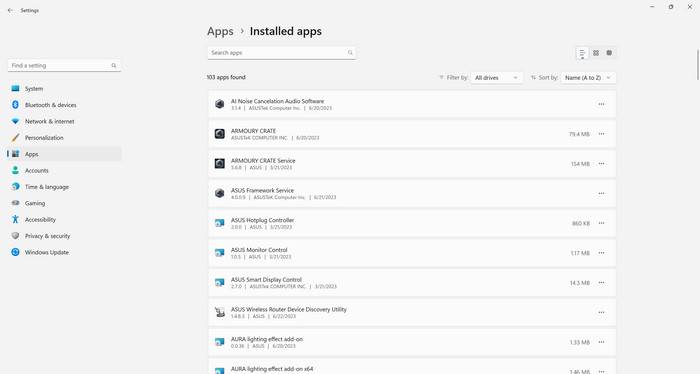
- Uninstalling through Control Panel: You can uninstall Acer Registration like any other program through the Control Panel on Windows. Simply navigate to the “Programs and Features” or “Add or Remove Programs” section, locate Acer Registration, and click on the “Uninstall” button.
- Using Uninstall Tools: Uninstall tools like Revo Uninstaller Free can help you remove Acer Registration more effectively. These tools scan your system for leftover files and registry entries, ensuring a complete uninstallation.
It is important to note that removing Acer Registration will not void your warranty or prevent you from receiving support from Acer. You can still contact Acer’s customer support for assistance even if you have uninstalled Acer Registration.
Conclusion
Acer Registration is a pre-installed software program that allows users to register their Acer devices and receive important updates and notifications. Whether or not you should remove it depends on your personal preferences and needs. Consider factors such as convenience, privacy, data collection, performance, and system resources when making your decision.
If you decide to remove Acer Registration, you can do so through the Control Panel or by using uninstall tools like Revo Uninstaller Free. Remember that removing Acer Registration will not void your warranty or prevent you from receiving support from Acer.
Ultimately, the choice is yours. Evaluate the pros and cons, and make an informed decision based on what matters most to you.

Join the discussion
0 commentsShare your experience or ask a question about this article.
Discussion
Start the conversation
Have a question or something useful to share? Add the first comment.