

When shopping online, it’s critical to thoroughly research unfamiliar e-commerce sites before making purchases. Professional scammers easily create convincing fake storefronts to defraud customers. This article examines the concerning signs found on Agroovytalk.com as a case study for vetting unknown retailers.
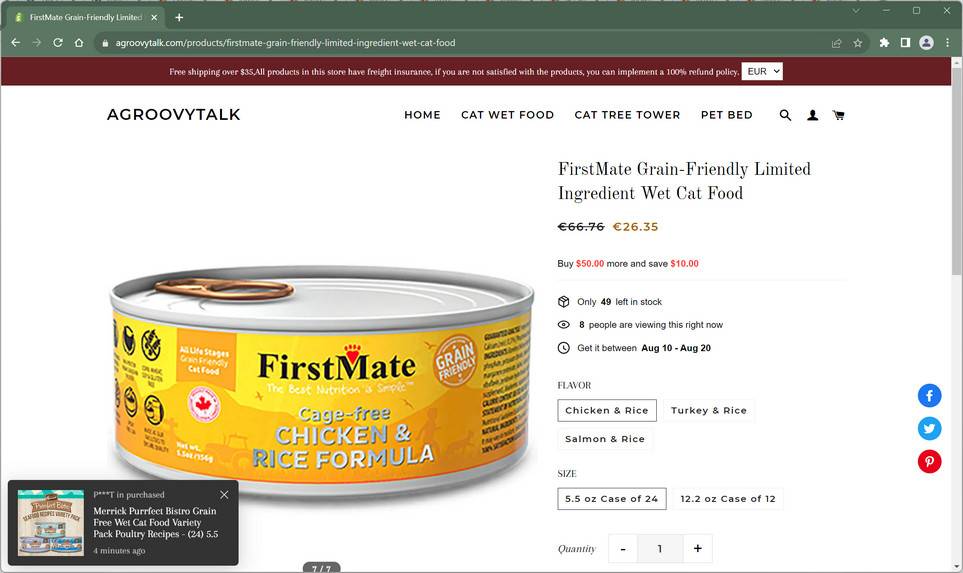
Warning Signs on Agroovytalk.com Warrant Caution for Shoppers
While Agroovytalk.com looks professional at first glance, several red flags emerge upon closer examination:
Missing Company Transparency
Reputable retailers provide background like years in business, location addresses, leadership team details, and customer service options. Agroovytalk.com shares none of this standard company information, eroding trustworthiness.
Fake contact details
This website shows made-up contact information such as addresses and phone numbers that do not actually belong to the company being impersonated.
Stolen Product Images
Reverse image searches reveal Agroovytalk.com’s product photos are copied from overseas wholesalers. This indicates the inventory may be fabricated, not real items they can ship.
Plagiarized Website Content
Large sections of Agroovytalk.com’s shipping, returns, and privacy policies are stolen from unrelated sites. The lack of original content demonstrates low effort invested.
No Social Media Presence
Legitimate e-commerce brands maintain social media accounts for customer engagement. But Agroovytalk.com has no external social profiles, preventing vetting through other channels.
Negative Customer Reviews
There are multiple concerning complaints and negative reviews for Agroovytalk.com. Real customers report issues like receiving wrong or low-quality items and terrible customer service.
Exercise Abundant Caution Before Ordering
While not definitive proof of ill intent, these multiple credibility gaps provide reasonable grounds for consumer skepticism. Shoppers should exercise extreme caution sharing payment or personal information with Agroovytalk.com until legitimacy can be verified. Monitor bank accounts closely if you’ve already ordered for unauthorized charges. Also prepare for potentially undelivered, late, or misrepresented products.
Vetting Online Retailers Protects Consumers
When buying online, stay vigilant against scams by thoroughly researching unknown retailers. Search for reviews, complaints, signs of transparency, social proof, and other authenticity indicators before purchasing.
Prioritize merchants with a longstanding reputation for ethical practices and satisfied customers. Be wary of sellers without an established track record.
Pay attention if your instincts warn that a website seems suspicious. Don’t ignore red flags. Scrutinize the site further or avoid ordering.
By taking time to investigate e-commerce shops, buyers can filter out deceitful retailers. Careful research allows internet users to access expanded options safely.
Follow your gut feelings about potential scams. If something seems questionable, proceed with caution or take your business elsewhere.
With vigilance, consumers can unlock the conveniences of online shopping while steering clear of predatory sites. A few preventative measures go a long way in avoiding the hassles of fraud.
Shop with Caution at Agroovytalk.com
The website Agroovytalk.com lacks sufficient background to determine legitimacy. Prudent shoppers should approach with ample skepticism until they prove trustworthiness over time.
No clear evidence exists yet to recommend providing them payments or personal data. Consumers carry all risks when engaging with unverified sites.
For safer online shopping, stick to reputable e-commerce retailers with long histories of customer service and satisfaction. Verify legitimacy through research before trusting unfamiliar websites with sensitive information.
Protect yourself by confirming transparency, reviews, and other signs of authenticity before ordering or entering personal details. Don’t let excitement overdeal offerings override caution.
By exercising wise caution when evaluating unknown websites, consumers can unlock the benefits of online shopping while steering clear of potential scams. A little preventative research goes a long way.
Until Agroovytalk.com establishes a reliable track record over years, shop at your own risk. Seek out well-reviewed alternatives to avoid potential hassles.

Reviews & discussion
0 commentsShare a firsthand experience, or ask a question.
Community reviews
agroovytalk.com
Moderated reader experiences, not an editorial verdict.
Start the conversation
Have a question or something useful to share? Add the first comment.