

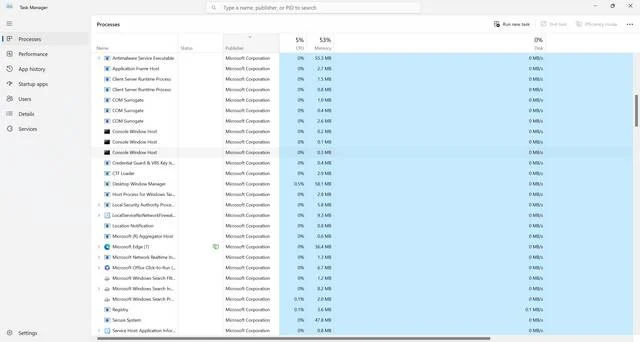
When you open the Task Manager on your Windows computer, you may notice a process called “AMD Install Manager” running in the background. This can be a cause for concern for some users, as they may wonder why this process is running and if it is necessary for their system’s operation. In this article, we will explore the AMD Install Manager process, its purpose, and why it is running in Task Manager.
What is the AMD Install Manager?
The AMD Install Manager is a software component that is installed alongside AMD graphics drivers. It is responsible for managing the installation, update, and removal of AMD graphics drivers on your system. The AMD Install Manager ensures that the correct drivers are installed and provides a user-friendly interface for managing driver-related tasks.
Why is the AMD Install Manager Running in Task Manager?
The AMD Install Manager runs in the background to perform various tasks related to AMD graphics drivers. Here are some reasons why it may be running:
- Driver Installation: When you install or update AMD graphics drivers, the AMD Install Manager is responsible for executing the installation process. It ensures that the necessary files are copied to the appropriate locations and that the drivers are correctly configured for your system.
- Driver Updates: The AMD Install Manager also handles driver updates. When a new version of the AMD graphics driver is available, the Install Manager will download and install the update, ensuring that your system has the latest driver improvements and bug fixes.
- Driver Removal: If you decide to uninstall the AMD graphics drivers from your system, the AMD Install Manager will handle the removal process. It ensures that all driver-related files and registry entries are properly cleaned up, preventing any conflicts or issues.
- System Maintenance: The AMD Install Manager may also run in the background to perform routine system maintenance tasks. This can include tasks such as checking for driver updates, optimizing driver settings, and monitoring the health of your AMD graphics card.
Is the AMD Install Manager a Virus or Malware?
Some users may be concerned that the AMD Install Manager process is a virus or malware. While it is always important to be cautious about unknown processes running on your system, the AMD Install Manager is a legitimate component of AMD graphics drivers and is not considered a virus or malware.
However, it is worth noting that malware can sometimes disguise itself as legitimate processes to avoid detection. If you suspect that the AMD Install Manager process on your system is malicious, it is recommended to scan your computer for viruses and malware using a reputable antivirus software. Malwarebytes Free is a popular choice for scanning and removing malware.
Should I Disable the AMD Install Manager?
Disabling the AMD Install Manager is not recommended unless you have a specific reason to do so. The Install Manager is an essential component for managing AMD graphics drivers, and disabling it may prevent you from installing updates or properly removing the drivers from your system.
However, if you are experiencing issues with the AMD Install Manager, such as high CPU usage or frequent crashes, it may be worth troubleshooting the problem. You can try the following steps:
- Update AMD Graphics Drivers: Outdated or incompatible graphics drivers can cause issues with the AMD Install Manager. Visit the official AMD website and download the latest drivers for your graphics card model.
- Perform a Clean Driver Installation: Sometimes, driver installation files can become corrupted or incomplete, leading to problems with the Install Manager. Uninstall the current AMD graphics drivers from your system and perform a clean installation of the latest drivers.
- Scan for Viruses and Malware: As mentioned earlier, malware can sometimes disguise itself as legitimate processes. Run a scan with a reputable antivirus software, such as Malwarebytes Free, to ensure that your system is free from any malicious software.
- Contact AMD Support: If the issues persist, it is recommended to reach out to AMD support for further assistance. They can provide specific troubleshooting steps or guidance based on your system configuration.
Conclusion
The AMD Install Manager process running in Task Manager is a legitimate component of AMD graphics drivers. It is responsible for managing the installation, update, and removal of AMD graphics drivers on your system. While it may be concerning to see an unknown process running, the AMD Install Manager is not a virus or malware.
If you are experiencing issues with the AMD Install Manager, it is recommended to update your graphics drivers, perform a clean installation, and scan for viruses and malware. If the issues persist, contacting AMD support is the best course of action.
Remember, keeping your graphics drivers up to date is essential for optimal performance and compatibility with the latest games and applications. The AMD Install Manager plays a crucial role in ensuring that your system has the latest drivers and is running smoothly.

Join the discussion
0 commentsShare your experience or ask a question about this article.
Discussion
Start the conversation
Have a question or something useful to share? Add the first comment.