

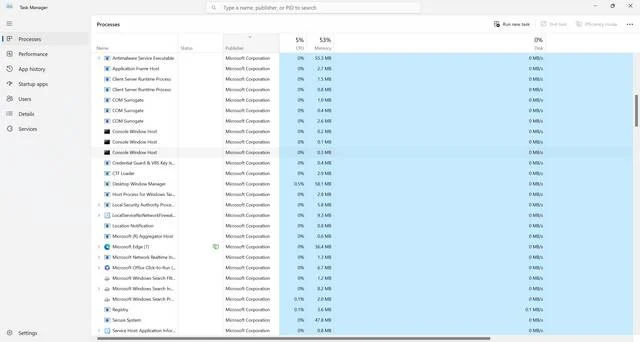
When you open the Task Manager on your Windows computer, you may notice a process called “AMD Ryzen Master” running in the background. This might raise some questions: What is AMD Ryzen Master? Why is it running? Is it necessary? In this article, we will delve into the details of the AMD Ryzen Master process and shed light on its purpose and significance.
Understanding AMD Ryzen Master
AMD Ryzen Master is a powerful utility developed by Advanced Micro Devices (AMD) specifically for users with AMD Ryzen processors. It provides advanced control and monitoring capabilities for optimizing the performance of Ryzen CPUs. The software allows users to adjust various parameters, such as clock speeds, voltages, and memory timings, to fine-tune their system’s performance.
AMD Ryzen Master offers a user-friendly interface that enables enthusiasts and overclockers to push their Ryzen processors to their limits. It provides real-time monitoring of key metrics, including temperature, voltage, and frequency, allowing users to keep an eye on their system’s health and performance.
Why Is AMD Ryzen Master Running in Task Manager?
When you see the AMD Ryzen Master process running in the Task Manager, it simply indicates that the utility is active and running in the background. The process is responsible for managing the communication between the software and the Ryzen processor. It ensures that the changes made through the Ryzen Master utility are applied correctly and that the system operates according to the user’s settings.
AMD Ryzen Master runs as a background process to ensure that the adjustments made by the user persist even after rebooting the system. By running in the background, it ensures that the desired settings are applied consistently, providing a seamless experience for users who want to optimize their Ryzen processors.
Is AMD Ryzen Master Necessary?
While AMD Ryzen Master is not essential for the basic functioning of your computer, it offers significant benefits for users who want to maximize the performance of their Ryzen processors. The utility provides advanced control and monitoring features that are not available through the BIOS or other system settings.
If you are an enthusiast, overclocker, or someone who wants to squeeze every bit of performance out of your Ryzen CPU, AMD Ryzen Master is a valuable tool. It allows you to fine-tune your system’s settings, monitor key metrics, and achieve optimal performance.
However, if you are a casual user who does not engage in overclocking or advanced system tweaking, you may not need to use AMD Ryzen Master. The default settings and BIOS options are usually sufficient for everyday tasks and gaming.
Potential Issues and Troubleshooting
While AMD Ryzen Master is a reliable utility, there can be instances where it may cause issues or conflicts with other software. If you encounter any problems or unusual behavior after installing or using AMD Ryzen Master, here are a few troubleshooting steps you can try:
- Update AMD Ryzen Master: Make sure you have the latest version of the software installed. AMD regularly releases updates to address bugs and improve compatibility.
- Check for conflicting software: Some antivirus or security software may interfere with AMD Ryzen Master. Temporarily disabling or adding an exception for the utility in your security software can help resolve conflicts.
- Scan for viruses or malware: It is always a good practice to scan your system for viruses or malware that may be causing issues. You can use Malwarebytes Free to perform a thorough scan and remove any potential threats.
- Reinstall AMD Ryzen Master: If all else fails, you can try uninstalling and reinstalling AMD Ryzen Master to ensure a clean installation.
Conclusion
AMD Ryzen Master is a powerful utility designed for users with AMD Ryzen processors who want to optimize their system’s performance. It provides advanced control and monitoring capabilities, allowing users to fine-tune their Ryzen CPUs. While not necessary for basic computer functionality, AMD Ryzen Master offers significant benefits for enthusiasts and overclockers.
When you see the AMD Ryzen Master process running in the Task Manager, it simply indicates that the utility is active and managing the communication between the software and the Ryzen processor. If you encounter any issues, updating the software, checking for conflicts, scanning for viruses or malware, and reinstalling the utility can help resolve them.
Whether you choose to use AMD Ryzen Master or not, it is important to remember that proper system maintenance, including regular updates, security scans, and keeping your drivers up to date, is crucial for optimal performance and stability.

Join the discussion
0 commentsShare your experience or ask a question about this article.
Discussion
Start the conversation
Have a question or something useful to share? Add the first comment.