

A dangerous new CBD scam is aggressively promoting Rejuvazen CBD Gummies through fake testimonials, falsified media endorsements, and misleading claims. They use manipulation tactics to deceive consumers.
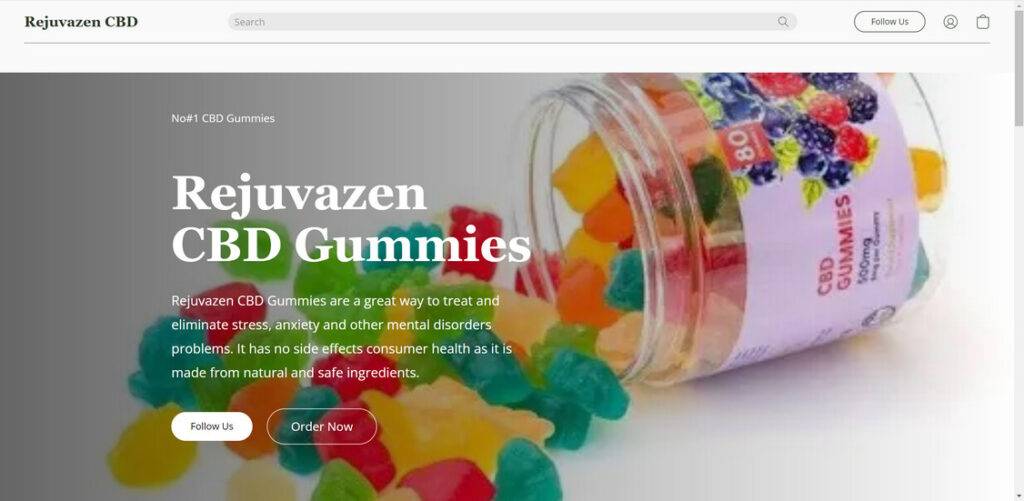
Scam Overview
As CBD gummies have increased in popularity for various purported wellness benefits, scammers have shifted to promoting “Rejuvazen CBD Gummies” through fabricated hype.
The elaborate scam utilizes fake customer testimonials describing life-changing results from using Rejuvazen gummies daily. The promotions also feature doctored magazine covers with Rejuvazen touted as a “miracle cure” and “medical breakthrough.”
In reality, all of these testimonials and media endorsements are completely fabricated. There is no legitimate evidence proving Rejuvazen CBD Gummies can treat chronic pain, anxiety, sleep disorders, or provide other extensive health benefits claimed in the scam promotions.
The scammers’ aim is to capitalize on confusion around CBD to sell untested gummies at inflated prices. Their goal is to trick uninformed consumers into believing hype based on fake testimonials and misleading magazine endorsements. Learn to recognize the signs of this brazen Rejuvazen CBD gummy scam.
How the Scam Works
The Rejuvazen CBD gummy scam starts with fake yet convincing customer testimonials describing lifechanging results from using the gummies. These include relief from chronic pain, eliminated anxiety, balanced moods, improved sleep quality, sharper focus, and more.
The testimonials feature stolen stock photos or doctored before/after images to look like real people who’ve used Rejuvazen gummies successfully. Some testimonials claim Rejuvazen provides “miraculous” pain relief or enabled getting off prescriptions.
In addition to the testimonials are fake magazine covers featuring Rejuvazen CBD Gummies. These include headlines like “New CBD ‘Miracle Cure’ Sweeping the Nation” from Time Magazine and “Rejuvazen CBD Gummies Provides Medical Breakthrough” from Newsweek. The imagery looks real but is digitally fabricated.
Other deceitful strategies include:
- Fake celebrity endorsements on social media and talk shows raving about Rejuvazen.
- False claims Rejuvazen was featured on Shark Tank and drew bidding wars between investors.
- Doctored videos impersonating medical experts explaining how Rejuvazen “unlocks” extensive CBD benefits.
- Claims the gummies are proven to safely treat nearly any health condition without side effects.
- Limited time discount offers and low stock warnings to create false scarcity.
- Refusal to provide refunds and difficult cancellation process for orders.
This barrage of falsified evidence aims to make Rejuvazen CBD Gummies appear as a clinically-backed, miracle supplement proven to provide exceptional wellness benefits. But in reality, there’s no legitimate proof substantiating these dramatic claims. The scammers’ goal is to exploit confusion about CBD to drive sales.
Recognizing the Red Flags
Here are clear signs a Rejuvazen CBD promotion is totally fabricated:
- The website seems hastily put together and contains multiple typos, grammar errors, and amateurish mistakes.
- The remarkable testimonials and magazine endorsements cannot be validated through any objective third-party sources.
- Claims seem greatly exaggerated, promoting gummies as a cure-all. CBD still requires responsible dosing.
- No access provided to independent lab testing verifying purity, ingredients, and label accuracy.
- Aggressive sales tactics insist you must purchase now before something expires or sells out.
- No genuine customer reviews available, only dubious glowing testimonials.
Double check any doubtful claims, testimonials, or endorsements through objective independent research. And remember, CBD gummies are not miracle cures – appropriate dosing and lifestyle choices remain key.
What to Do If You Are Scammed
If you placed an order and provided payment information, take prompt action:
Contact your credit card company immediately. Ask them to reverse the charges as unauthorized due to the egregious deception involving fake testimonials and endorsements.
Dispute the charges. If charges go through, quickly dispute them with your card issuer as fraudulent. Provide details on the misleading claims and testimonials.
Request a chargeback. If disputes are rejected, ask for a chargeback reversal on the grounds that the gummies vastly differ from the marketed product.
Cancel recurring orders. Immediately reach out to the merchant to cancel and halt any future recurring charges tied to your account and credit card.
Mark emails as spam. Doing so will prevent future Rejuvazen scam emails from reaching your inbox based on your purchase history.
File complaints. Submit reports to the FTC and your state attorney general detailing the deceitful marketing practices, fake testimonials, and falsified claims.
Leave reviews. Post detailed negative reviews about being scammed on retailer sites to spread awareness and prevent others from falling victim.
Rejuvazen CBD Gummies Scam FAQs
Are the customer testimonials real?
No. The glowing customer testimonials are fabricated. Any dramatic before/after images are altered or stolen stock photos, not real users. Verify remarkable claims through impartial third-party sources.
Are the magazine endorsements valid?
No. The magazine covers and headlines are digitally altered fakes designed to look real. No major media outlets have verified or endorsed Rejuvazen CBD Gummies as a proven supplement.
Can Rejuvazen gummies deliver all the health benefits claimed?
There is no legitimate evidence proving Rejuvazen Gummies can treat chronic pain, anxiety, sleep disorders, cognitive decline, or provide other exaggerated benefits described in the scam promotions. Responsible CBD use requires proper dosing and lifestyle factors.
Are Rejuvazen gummies FDA approved?
No. The FDA does not evaluate or approve supplements like CBD gummies. Scammers may falsely suggest FDA approval to seem legitimate. Reputable CBD brands undergo independent third-party testing that Rejuvazen lacks.
Can I get a refund if unhappy with the gummies?
You’ll likely have great difficulty getting a refund by design. Scammers make refunds intentionally difficult or impossible to obtain in order to avoid complaints. But you can dispute the charges as fraudulent if the gummies fail to provide the benefits advertised through fake testimonials.
Avoid the Rejuvazen CBD Gummy Scam
The Rejuvazen CBD gummy scam aims to fool consumers using falsified testimonials and doctored magazine endorsements. But there’s no legitimate evidence backing their exaggerated benefit claims. Maintain skepticism when evaluating such aggressive CBD promotions, especially those making unbelievable claims. CBD is not a magic wellness cure-all. Quality testing and responsible dosing matter. Make informed purchasing choices.

Join the discussion
0 commentsShare your experience or ask a question about this article.
Discussion
Start the conversation
Have a question or something useful to share? Add the first comment.