

The “Pink Gelatin Trick” is being pushed in a new wave of weight loss ads that promise an easy recipe and unusually fast results.
The branding and product name often change, but the format stays consistent: a simple “secret,” a credibility-heavy story, and a checkout path designed to move you quickly.
This article breaks down the pattern behind these campaigns, the red flags to watch for, and what to do if you already ordered.
Scam Overview
The “Pink Gelatin Trick” weight loss scam is not one product.
It’s a marketing formula.
The names on the bottle change. The website changes. The “doctor” in the video changes. The core structure stays the same, because it converts extremely well.
These campaigns usually combine four things:
- A sticky viral “recipe” hook (pink gelatin, bariatric gelatin, bedtime gelatin)
- A credibility costume (news-style pages, doctor imagery, scientific buzzwords)
- A celebrity-likeness boost (deepfakes or implied endorsements)
- A sales funnel engineered for urgency, confusion, and high-dollar bundles
The result is a scripted sales engine that looks like health advice on the surface, but behaves like a conversion trap underneath.

Why the Pink Gelatin Trick feels so believable
Scam operations do not win by sounding obviously fake.
They win by sounding almost plausible.
Gelatin is a real ingredient. People do use it for desserts and high-protein snacks. Some people find protein or fiber helps them feel fuller.
So the story starts with something normal, then gradually turns it into something extreme.
You’ll see claims like:
- “Melt fat overnight”
- “Activate GLP-1 naturally”
- “Lose weight without exercise”
- “No diet changes required”
- “Works for everyone”
- “Targets stubborn belly fat”
The U.S. consumer protection guidance is very clear that dishonest weight loss advertisers lean heavily on these kinds of false promises, especially “lose weight without diet or exercise” and miracle-like results.
The “pink” detail is also strategic.
It makes the trick feel branded, viral, and specific. Specific claims feel more real, even when they’re not.
The recipe is bait, not the product
Here’s the quiet truth about most Pink Gelatin Trick funnels:
They are not trying to teach you a recipe.
They are trying to hold your attention long enough to sell you something else.
That’s why the recipe is usually presented in a frustrating way:
- It’s teased, but never fully explained
- It’s mentioned, then delayed
- It’s “revealed,” but with vague or unusable steps
- It’s turned into a metaphor for why the supplement works
If you ever notice that the “free trick” keeps slipping out of reach while the page pushes you toward a checkout button, you are not watching health education.
You are moving through a sales script.
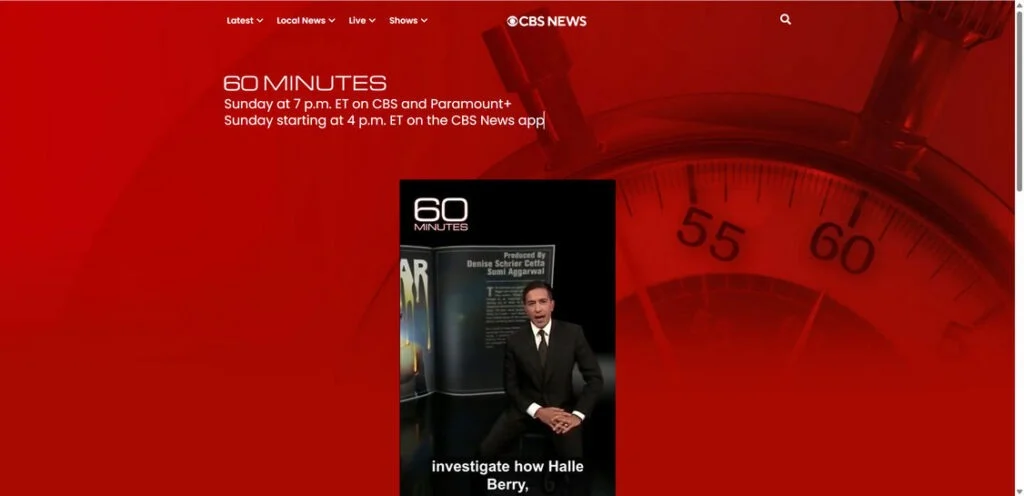
The fake news advertorial is a major warning sign
A hallmark of this scam category is the advertorial.
That’s an ad disguised as a news report.
It often includes:
- A headline that looks like breaking news
- A date stamp to seem current
- A byline that feels official but is hard to verify
- A page layout that resembles major media sites
- “As seen on” logos that are not linked to real coverage
The Federal Trade Commission warns that scammers place false stories online through fake news websites and social media to sell weight loss products, including made-up “news reports” about ingredients that are supposedly effective, even though the stories are false.
That exact pattern is what you’re seeing here.
The page is designed to make you trust it before you question it.
Why celebrity names show up in Pink Gelatin Trick ads
This part is not accidental. It’s a shortcut to belief.
Scammers know that many people have heard of weight loss medications, celebrity wellness stories, and talk show health segments. So they borrow that familiarity.
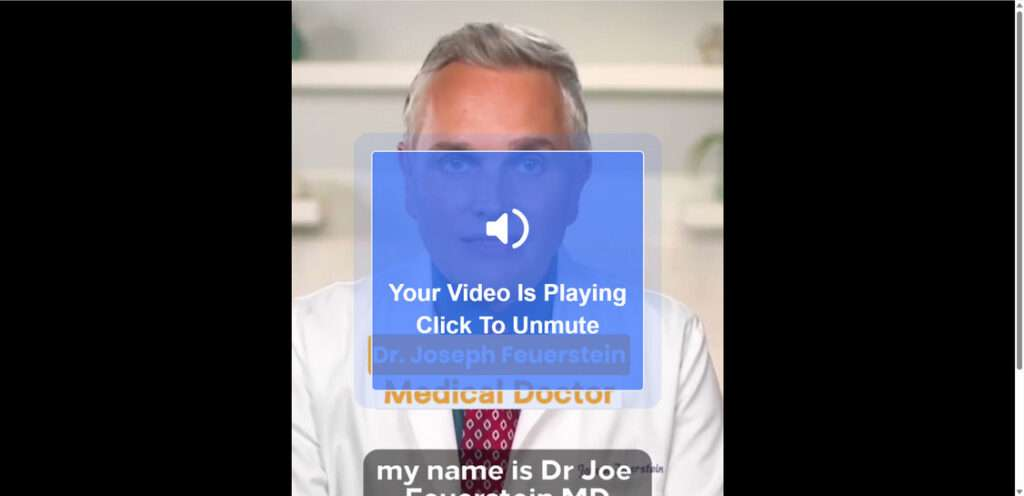
That’s why you may see deepfake-style or impersonation ads tied to names like Oprah Winfrey, Serena Williams, and Dr. Oz, even when those people have nothing to do with the product.
Consumer watchdog reporting has described how social media scams use AI and celebrity deepfakes to sell fraudulent weight loss products, including impersonation-style claims tied to celebrities.
And “celebrity endorsement scams” are not a niche issue. They’re a known pattern: scammers use famous faces and names because it reduces skepticism instantly.
In fact, Dr. Oz has publicly warned about fraudulent ads using his name or likeness to promote scam products, which is exactly the kind of misuse you see in these funnels.
Why the Pink Gelatin Trick often points people to “drops reviews”
Another consistent pattern is the “search spiral.”
You click the ad. The page looks polished. The claims feel extreme. You hesitate. Then you do what a smart person does:
You search for reviews.
That’s where phrases like “drops reviews” start showing up, including searches for specific product names that get attached to these funnels.
One example that has been widely discussed in scam-reporting communities is Gelatide Drops, where people end up looking for “reviews” after seeing the same style of recipe bait and deepfake-style marketing.
The point is not that one specific brand is always behind the ads.
The point is that the funnel is built so that:
- The ad drives curiosity
- The page drives urgency
- The product name drives review searches
- The seller counts on buyers to still purchase because they’re emotionally invested
The category itself carries real risk
Even beyond scams, the weight loss supplement category is high-risk for deceptive marketing.
One reason is that real results are slow and complex. Scammers exploit that by promising fast, universal outcomes.
Another reason is safety.
The U.S. Food and Drug Administration has repeatedly warned that many products marketed for weight loss can be contaminated with hidden drug ingredients and are a form of medication health fraud.
This matters because many people assume a “natural supplement” is automatically safe.
But hidden ingredients, misleading labels, and unknown sourcing are real problems in this space.
The emotional lever is the real product
When you step back, the Pink Gelatin Trick scam is carefully engineered around emotion.
It plays on:
- Frustration from failed diets
- Shame about body changes
- Fear of aging
- Hope for a shortcut
- Anger at “the system”
- Curiosity about a “secret”
That emotional cocktail makes people act quickly.
And “quick action” is exactly what the funnel needs.
Because if you take 20 minutes to slow down, compare sources, and read independent warnings about weight loss ads, the whole story starts to collapse.
The big takeaway from the overview is simple:
The Pink Gelatin Trick is usually not a recipe trend that happens to sell a product.
It’s a product funnel that happens to use a recipe as bait.
How The Scam Works
The Pink Gelatin Trick scam follows a predictable sequence. Once you know the steps, you start recognizing the pattern instantly, even when the product name changes.
Step 1: The scroll-stopping ad hits you with a “miracle” hook
Most people encounter this through social platforms and ad networks.
Common formats include:
- “Tap to listen” video ads
- Subtitled clips with dramatic claims
- Fake “news anchor” voiceovers
- Selfie-style testimonials
- “Doctor reveals” style videos
The hook is always designed to be specific and easy:
- “Pink Gelatin Trick”
- “Bariatric gelatin recipe”
- “17-second method”
- “Bedtime ritual”
- “$1 kitchen trick”
Specificity creates curiosity.
Curiosity creates clicks.
Step 2: The click leads to a fake news-style page
After clicking, you often land on an advertorial.
This page is designed to look like reporting, not marketing.
It may include:
- Fake bylines
- Familiar-looking fonts and layouts
- “Trending” labels
- “Breaking” language
- Photos of doctors in white coats
- References to famous institutions without proof
This stage is all about trust.
You’re supposed to think, “This looks like a real article,” before you realize you’re inside a sales funnel.
The FTC explicitly calls out this tactic: scammers post false stories through fake news websites and blogs to sell weight loss products.
Step 3: The promised recipe is teased but delayed
Here’s where the trap tightens.
You came for the recipe.
Instead, you get a slow build.
The page will say things like:
- “Watch this before you try it”
- “You need to understand the truth first”
- “Doctors are shocked”
- “Stay until the end”
- “This will be removed soon”
This delay is intentional.
It increases what marketers call “commitment.”
Once you’ve invested time and attention, you’re more likely to keep going, even if your skepticism rises.
Step 4: The video reframes your weight struggles as a hidden sabotage story
The long-form video usually follows a familiar structure:
- You’re not failing, your body is being sabotaged
- The real cause is hidden and misunderstood
- The medical system focuses on symptoms, not causes
- The solution is simple, natural, and suppressed
- The product is the key to unlocking it
The script often includes:
- Animated body diagrams
- “Hormone” explanations
- “Gut bacteria” claims
- Metabolism “switch” stories
- “Fat storage mode” language
- A villain narrative involving “Big Pharma”
This is persuasion psychology.
It transforms frustration into certainty, and certainty into buying.
Step 5: Celebrity deepfakes and authority borrowing show up
In many Pink Gelatin Trick campaigns, this is the moment where familiar names appear.
Sometimes it’s a fake clip.
Sometimes it’s a headline implying endorsement.
Sometimes it’s a fabricated “interview” or “segment.”
Deepfakes and AI impersonation scams are a documented issue, and consumer protection guidance has increasingly warned that scammers use deepfake videos to impersonate public figures to promote fraudulent products.
There have also been reports of scammers using AI-generated videos of doctors and health professionals to peddle fake health products on social platforms, including ads that evade detection by mimicking legitimate endorsements.
The logic is simple:
If you trust the face, you trust the claim.
That’s why scam operations invest in celebrity-likeness tricks.
Step 6: The “pink gelatin recipe” becomes vague, then gets swapped for a bottle
This is the key moment.
The funnel has promised something free and simple.
But now it pivots.
Instead of giving a clear recipe with practical steps, it says:
- The recipe is a “trigger”
- The real power is in the “formula”
- The supplement “activates” the effect
- The drops are the “missing piece”
That’s the swap.
The recipe is not the destination.
It’s the bait that leads you to the checkout.
Step 7: Trust badges and compliance language are stacked
Now the sales page adds credibility signals to reduce doubt.
You’ll see phrases like:
- “Clinically proven”
- “Doctor recommended”
- “GMP certified”
- “Made in the USA”
- “FDA approved” or “FDA registered” language
- “Backed by science”
This is where many buyers get tricked.
Badges and seals can be displayed easily.
A legitimate claim should be verifiable through independent sources, not only the seller’s own website.
And in the weight loss category, the FDA warns that many products marketed as “all natural” weight loss solutions may contain hidden drug ingredients.
So “official-sounding” language is not a substitute for real proof.
Step 8: Urgency and scarcity pressure you to buy now
Once you’re warmed up emotionally, the funnel applies pressure.
Common tactics include:
- Countdown timers
- “Limited stock” warnings
- “Today only” discounts
- “People watching now” counters
- Popups that claim someone just bought
These tactics exist for one reason:
To keep you from researching.
The FTC notes that dishonest weight loss ads often rely on false promises and fake stories to push sales, which pairs naturally with urgency pressure.
Step 9: Bundle pricing pushes a larger purchase
Most funnels present pricing like this:
- 1 bottle: expensive
- 3 bottles: “recommended”
- 6 bottles: “best value”
Sometimes they add a longer “protocol” to make you feel like you need several months.
This is designed to increase the initial purchase size before you’ve had any chance to evaluate results.
Step 10: Checkout confusion increases billing risk
This is where many victims feel blindsided.
Common problems include:
- Pre-selected quantities
- Upsells that look like required steps
- Add-ons disguised as “order confirmation”
- Fine print that introduces subscriptions or continuity billing
- Merchant names on statements that don’t match the brand name
The funnel often relies on the fact that people on mobile scroll quickly and miss fine print.
So someone thinks they ordered one bottle, but later sees:
- multiple charges
- larger totals
- recurring billing
Step 11: Customer support friction makes refunds hard
After purchase, many scam-style operations become difficult to reach.
Common experiences include:
- Email-only support with delays
- Vague responses
- Complicated return steps
- Refund promises that drag out
- Requirements that feel designed to exhaust you
This is why people describe these as scams even when a product arrives.
Because the deception is not only in the claims.
It’s also in the business practices.
Step 12: The funnel resets under a new name
When enough complaints build up or ads get flagged, operators can:
- change domains
- rename the product
- swap the bottle label
- change the voiceover
- run the same recipe hook again
That’s why the Pink Gelatin Trick keeps resurfacing.
It’s not one brand’s “trend.”
It’s a reusable funnel template.
What To Do If You Have Fallen Victim to This Scam
If you bought a product through a Pink Gelatin Trick funnel and now feel uneasy, you can still take control.
Here’s a calm, practical checklist.
1) Save your evidence immediately
Create a folder and save:
- Screenshots of the ad (if you can still view it)
- The landing page URL
- Screenshots of the pricing and final totals
- Your confirmation email
- Your receipt and order number
- Screenshots of your bank or card statement
This evidence helps if you need a dispute.
2) Check for recurring billing or subscriptions
Look for terms like:
- autoship
- membership
- monthly
- continuity
Then watch your statement for:
- a second charge days later
- repeat billing around the same date next month
- shipping charges you did not expect
If you suspect recurring billing, treat it as urgent.
3) Email the seller to cancel and document everything
Send a short, direct message that includes:
- Your name
- The email used for the order
- Your order number
- “Cancel any subscription or autoship and do not charge me again”
- A request for written confirmation
Save their reply, or the lack of reply.
4) Contact your bank or card provider if charges look wrong
Ask:
- Whether you can dispute the charge
- How to block future charges from the same merchant
- Whether replacing the card is recommended
If there are unauthorized repeat charges, a card replacement can stop future billing.
5) Monitor statements for at least 60 days
Set a reminder to check weekly.
Look for:
- new charges from unfamiliar merchant names
- repeat charges
- “membership” style fees
- unexpected shipping charges
Many people stop checking too soon.
6) Do not make medical decisions based on a sales video
If you have a health condition or take medications, do not treat a supplement funnel as medical guidance.
If the ad claims the product works like a prescription drug or replaces medical care, treat that as a major red flag.
The FDA has warned that some weight loss products marketed as supplements can contain hidden drug ingredients.
If you experienced side effects, stop using the product and seek guidance from a qualified healthcare professional.
7) Report the ad where you saw it
Report it on the platform that served it, especially if it used:
- celebrity deepfakes
- fake news layouts
- misleading health claims
If you saw it on Facebook or Instagram, report the ad as misleading or scam-related.
Reporting helps platforms connect patterns across domains and ad accounts.
8) File a consumer complaint if you believe you were deceived
If you believe the advertising was deceptive or billing was unfair, consider filing a report with the FTC.
Even if you do not get money back immediately, reports help identify trends and repeat operators.
9) Tighten your account security if you entered personal information
If the checkout felt suspicious, consider:
- changing passwords if you reuse them
- enabling 2-factor authentication on your email
- watching for phishing emails pretending to be “support”
Scam funnels sometimes lead to follow-up contact attempts that look like customer service.
10) If you want a refund, keep everything and document the process
If the product arrives and you want a refund:
- Take photos of the package and label
- Save the shipping materials
- Keep any inserts that include return terms
- Make refund requests in writing
If the seller stalls, your documentation supports a payment dispute.
The Bottom Line
The Pink Gelatin Trick weight loss recipe scam is a repeatable funnel, not a real breakthrough.
It hooks you with a highly specific “recipe” claim, borrows credibility through fake news framing and celebrity-likeness tactics, then swaps the promised trick for a supplement checkout built around urgency, bundles, and confusing sales steps.
If you already bought, focus on practical protection: save evidence, watch for subscriptions, cancel in writing, and contact your bank if charges look deceptive.
Most importantly, don’t blame yourself.
These campaigns are engineered to feel believable on a phone screen in a vulnerable moment.
Once you learn the pattern, you can spot the next version quickly, even when the recipe and product name change.
FAQ
What is the “Pink Gelatin Trick” weight loss scam?
It’s a repeatable ad funnel that teases a simple gelatin “recipe,” delays the real instructions, then pivots to selling a supplement using urgency, fake authority, and recycled weight loss myths.
Is there a real “pink gelatin recipe” that guarantees weight loss?
No. These campaigns often use the recipe as bait. Claims of guaranteed or rapid results should be treated as a red flag.
Why do these ads mention celebrities like Oprah, Serena Williams, or Dr. Oz?
Because celebrity names and lookalike videos reduce skepticism fast. Many campaigns use deepfake-style content or implied endorsements to boost trust.
What are the biggest red flags to watch for?
Fake news-style pages, “watch before it’s removed” urgency, countdown timers, “people watching now” counters, dramatic medical claims, and checkout flows packed with upsells or fine-print subscriptions.
Why do people search for “drops reviews” after seeing these ads?
Because the funnel creates doubt and curiosity at the same time. People try to verify the product name, but the sales page is designed to keep them emotionally committed to buying anyway.
Can these supplements include hidden ingredients?
Sometimes weight loss products have been flagged for hidden drug ingredients. That’s why “all natural” claims should not be treated as a safety guarantee.
I ordered one bottle but was charged more. What should I do?
Save screenshots and receipts, email the seller to cancel any autoship or recurring billing, and contact your card provider to dispute unauthorized charges if needed.
How do I check if I accidentally agreed to a subscription?
Look for terms like autoship, membership, monthly, continuity, or “next shipment.” Monitor your statement for at least 60 days for repeat charges.
What if the seller won’t respond or the refund process is confusing?
Keep everything in writing, document dates and responses, and escalate through your bank or card issuer if the charges appear deceptive.
Where can I report these ads?
Report them on the platform where you saw them (Facebook, Instagram, YouTube, TikTok) and consider filing a consumer complaint with your local consumer protection agency.








