

If you’ve seen ads claiming that Block Sugar Pro is a revolutionary cure for diabetes backed by Elon Musk or Fox News, you’re not alone. This so-called supplement has been flooding the internet with flashy ads and outrageous claims. But behind the scenes, it’s just another well-orchestrated scam targeting vulnerable individuals looking for legitimate solutions. In this article, we uncover the full story behind the Block Sugar Pro diabetes scam, how it works, and what you can do if you’ve already been affected.
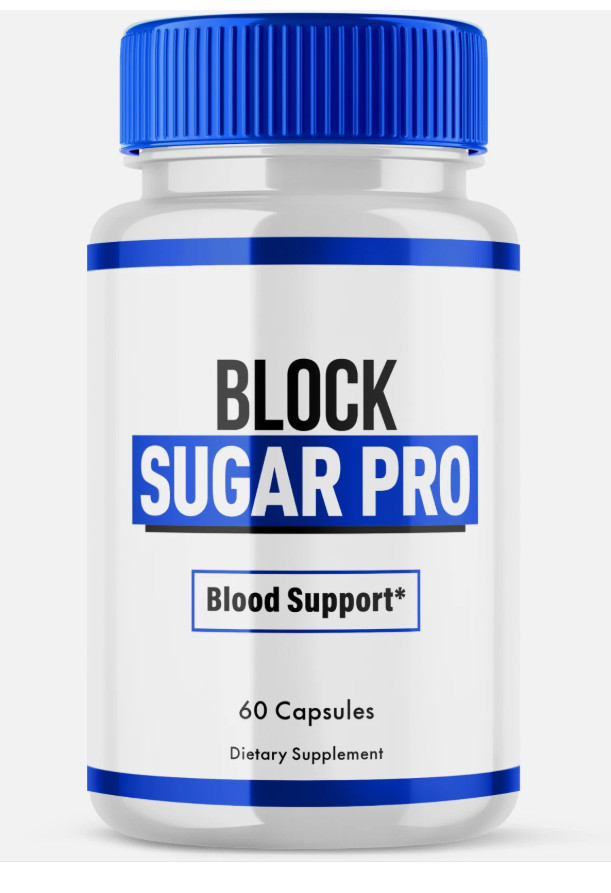
What Is Block Sugar Pro and Why It’s a Scam
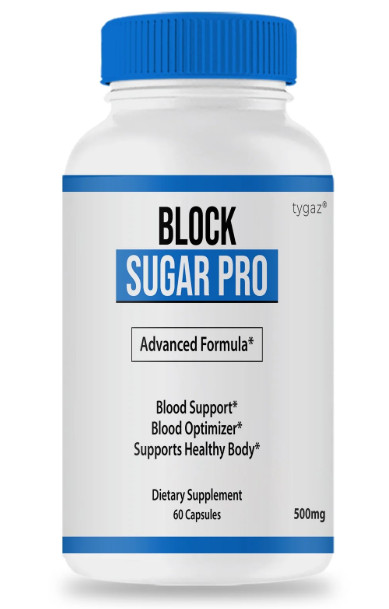
Block Sugar Pro is marketed as a natural blood sugar support supplement, allegedly capable of reversing diabetes or balancing blood sugar levels in as little as 17 days. The product’s advertisements are filled with celebrity endorsements, urgent health warnings, and claims of suppression by pharmaceutical companies. But none of these statements hold up under scrutiny.
Fake Celebrity Endorsements
One of the most prominent red flags is the use of fake endorsements. Ads for Block Sugar Pro falsely claim support from high-profile figures like Elon Musk, Sean Hannity, Karoline Leavitt, and Barbara O’Neill. Deepfake technology and AI-generated voiceovers are used to create the illusion that these individuals are promoting the product.
- Elon Musk: A video falsely portrays Musk revealing a secret diabetes breakthrough, supposedly resulting in threats from pharmaceutical companies. Completely fabricated.
- Karoline Leavitt: Appears in a deepfake Fox News-style clip warning viewers of a hidden cure. She has no link to Block Sugar Pro.
- Barbara O’Neill: A controversial figure previously penalized for health misinformation is featured as the supplement’s creator. Again, false.
These endorsements are not only unauthorized but entirely fictional.
Fake News Websites and Articles
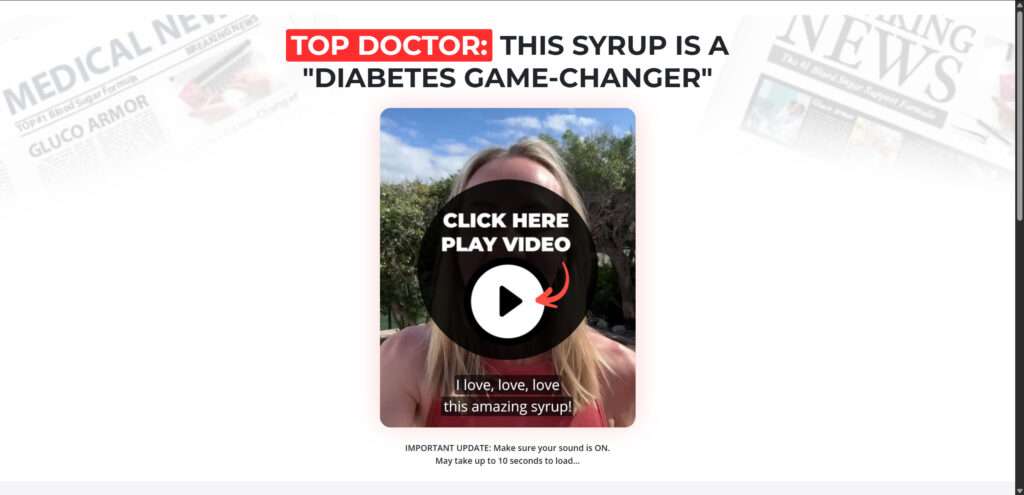
Scammers have gone to great lengths to make Block Sugar Pro seem credible. They’ve created entire fake news websites mimicking trusted outlets like Fox News or CNN, filled with articles that appear to be legitimate investigative reports.
In reality, these are sponsored content pages designed to look like journalism. They:
- Use exaggerated testimonials
- Fabricate clinical studies
- Insert photos of happy users (usually stock images)
- Misrepresent or outright lie about the product’s capabilities
Lack of Transparency
When you visit the official order page, you’ll notice a complete absence of legitimate business information:
- No company name
- No physical address
- No working customer support number or email
- No proof of FDA approval or proper certification
Despite the site claiming phrases like “Made in the USA,” “Doctor Recommended,” or “Clinically Tested,” there is no documentation to support these claims.
Recycled Scam Playbook
Block Sugar Pro follows the exact blueprint used in other scam supplements:
- Flashy ads using fake celebrity endorsements
- Emotional stories that pull on your heartstrings
- Claims of a secret cure being hidden by Big Pharma
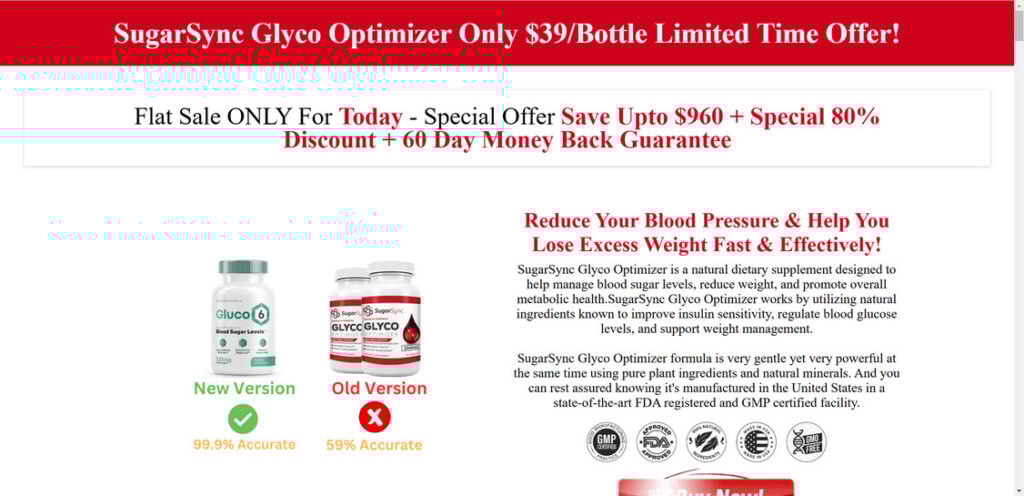
- Scarcity tactics: “Only 4 bottles left!”
- Fake countdown timers to push urgency
This formula is recycled over and over because it works — not because the products do.
Real Reviews
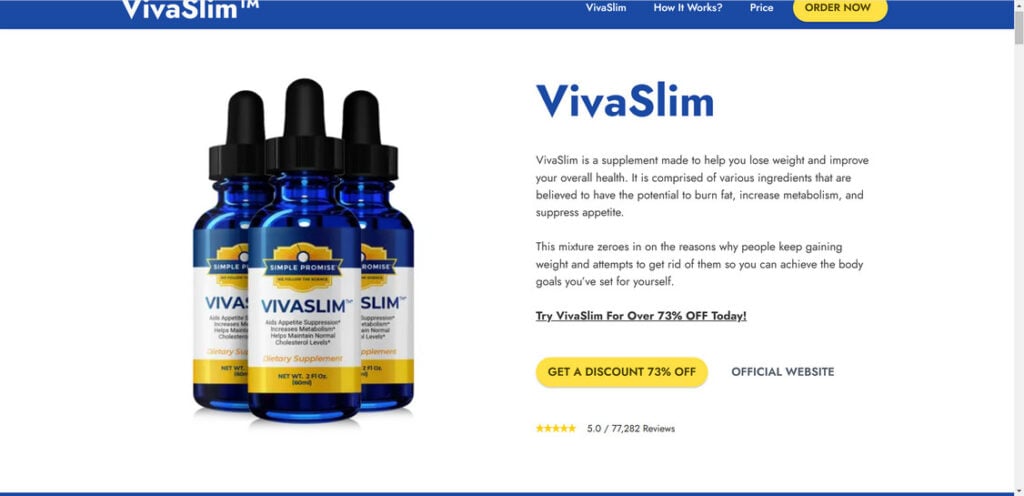
Search for “Block Sugar Pro reviews” and you’ll find a sea of misleading content. These are not real customer experiences. They’re written by affiliate marketers or content farms aiming to cash in on commissions from your purchase.
There are no clinical studies, no FDA filings, no independent lab testing results — nothing to suggest Block Sugar Pro is safe or effective.
Block Sugar Pro has been also investigated by Jordan Liles on his YouTube channel, where he offers a detailed video on the subject. We recommend watching his content for a comprehensive understanding of this scheme.
Next, let’s break down exactly how the Block Sugar Pro operation works.
How the Block Sugar Pro Operation Works
Block Sugar Pro is a well-constructed funnel designed to trick consumers at every stage of the process. Here’s how it unfolds:
Step 1: Targeting the Vulnerable
Scammers begin by targeting individuals with diabetes, prediabetes, or blood sugar issues through social media ads, search engines, and YouTube videos. These ads are often tailored to:
- Seniors concerned about health
- People searching for natural diabetes cures
- Individuals desperate for affordable alternatives to insulin or medication
Step 2: Bait with Deepfake Videos and Fake News
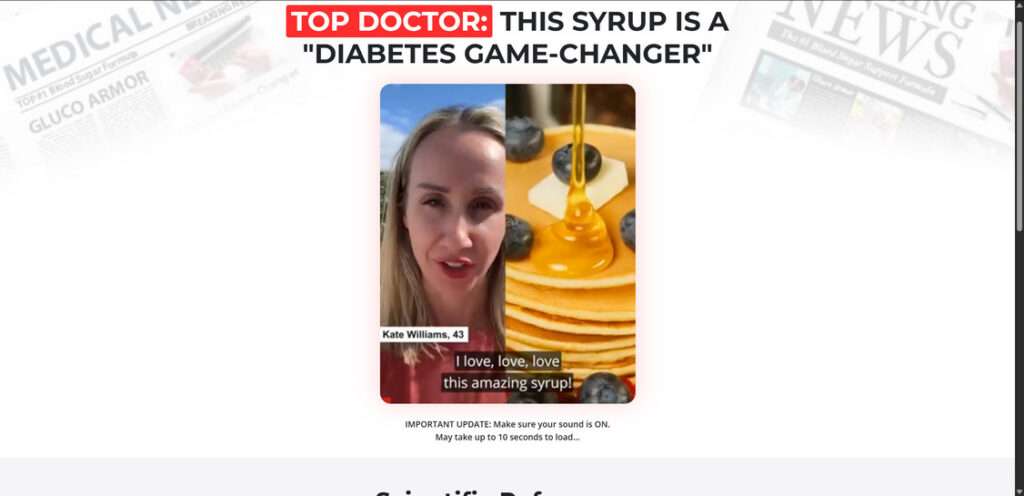
Once a user clicks on the ad, they’re taken to a fake news page. This page is dressed up to look like a trustworthy news outlet. It features a deepfake video of someone like Elon Musk or Sean Hannity talking about a diabetes cure.
These videos are disturbingly realistic, thanks to advances in AI-generated media. But they’re 100% fabricated.
Step 3: Emotional Storytelling
Next, the scam page introduces an emotional backstory. Often, it’s about a “doctor” who discovered a secret kitchen fix for diabetes after losing a loved one to the disease. These stories are designed to:
- Build trust
- Tug at your emotions
- Create the illusion of legitimacy
Step 4: Urgency Tactics
Then come the manipulation techniques:
- “Only a few bottles left in stock!”
- “Offer expires in 15 minutes!”
- “Big Pharma wants this shut down!”
All of these are designed to prevent you from thinking too long — or doing proper research.
Step 5: Purchase and Hidden Fees
If you fall for the pitch and click “Buy Now,” you’re taken to a generic checkout page with:
- No clear return policy
- No customer support information
- Vague or hidden terms and conditions
Many users report being charged more than expected or getting enrolled in a subscription model they never agreed to. Refunds are nearly impossible.
Step 6: Poor Quality or No Product Delivery
Even if the product arrives, it’s often:
- Ineffective
- Poorly labeled
- Containing unknown ingredients
- Lacking any real manufacturing credentials
In some cases, buyers never receive anything at all. The company simply takes the money and disappears.
Step 7: No Accountability
When customers try to reach out:
- Emails bounce back
- Phone numbers don’t work
- No one responds to refund requests
Because the company behind Block Sugar Pro doesn’t really exist in a traceable or verifiable form, there’s nowhere to escalate the issue.
What to Do If You’ve Fallen Victim to the Block Sugar Pro Scam
If you’ve already purchased Block Sugar Pro or entered your information on their site, take the following steps immediately:
- Contact Your Bank or Credit Card Company
- Dispute the charge as fraudulent.
- Ask for a chargeback.
- Inform them this was an unauthorized recurring subscription if applicable.
- Monitor for Unauthorized Charges
- Scammers often resell credit card data.
- Watch for any unfamiliar or repeat charges in the following weeks.
- Report the Scam
- FTC (Federal Trade Commission): https://reportfraud.ftc.gov
- Better Business Bureau (BBB): https://www.bbb.org/scamtracker
- Internet Crime Complaint Center (IC3): https://www.ic3.gov
- Change Your Passwords
- If you created an account, reset passwords tied to that email address.
- Use a password manager for stronger security.
- Leave a Review Warning Others
- Share your experience on Reddit, Trustpilot, ScamAdviser, or social media.
- Your review could prevent someone else from being duped.
- Consult a Healthcare Provider
- If you consumed Block Sugar Pro, talk to your doctor immediately.
- Unknown or unregulated ingredients could have side effects or interfere with medications.
- Enable Alerts for Identity Theft
- Consider a free credit monitoring service.
- Use sites like AnnualCreditReport.com to monitor for new accounts opened in your name.
The Bottom Line
Block Sugar Pro is not a medical breakthrough — it’s a carefully designed scam exploiting the trust of people seeking help with serious health conditions. Its fake endorsements, misleading videos, and fraudulent sales tactics are all red flags that every consumer should recognize.
If something claims to cure diabetes quickly, without lifestyle changes, and is promoted through suspicious celebrity videos — it’s a scam. Always consult your doctor, and stay away from miracle pills sold through manipulative online ads.
The best protection is awareness. Share this article to help spread the truth about Block Sugar Pro and protect others from falling for similar scams.
This article is for informational purposes only and should not be relied upon for financial or business decisions. We identify potential scams using research, user experiences, and expert analysis. However, all claims should be independently verified. Mistakes may occur, and legitimate products could be flagged. We strive for accuracy but make no warranties regarding the completeness or reliability of the information.

If you are the owner of the website or product in question and wish to offer clarifications regarding your business or website, please reach out to us via our Contact form.








