

When it comes to computer processes and files, it’s not uncommon for users to come across unfamiliar names that may raise concerns. One such file is blservices.exe. In this article, we will explore what blservices.exe is, its purpose, and whether or not it should be removed from your system.
Understanding blservices.exe
Blservices.exe is a legitimate executable file that is associated with Bitdefender, a popular antivirus software. Bitdefender is known for its robust security features and is trusted by millions of users worldwide. Blservices.exe is a crucial component of Bitdefender and is responsible for running various background services that ensure the proper functioning of the antivirus program.
It’s important to note that blservices.exe is typically located in the “C:Program FilesBitdefender” folder. If you find the file in a different location or suspect that it may be malicious, it’s essential to investigate further to ensure the safety of your system.
The Purpose of blservices.exe
The primary purpose of blservices.exe is to provide essential services for Bitdefender to function effectively. These services include real-time scanning, malware detection, system monitoring, and automatic updates. Blservices.exe works in the background, ensuring that your computer remains protected from various threats, such as viruses, malware, and ransomware.
Bitdefender’s continuous monitoring and scanning capabilities rely on blservices.exe to detect and eliminate any potential security risks. By running in the background, blservices.exe ensures that your system is protected at all times, even when you’re not actively using the antivirus software.
Should I Remove blservices.exe?
No, you should not remove blservices.exe from your system. As mentioned earlier, blservices.exe is a legitimate file associated with Bitdefender, a trusted antivirus software. Removing or disabling blservices.exe can severely compromise the security of your computer, leaving it vulnerable to various threats.
If you suspect that blservices.exe is causing any issues on your system, such as high CPU usage or system slowdowns, it’s recommended to perform a thorough scan with a reliable antivirus program. Malwarebytes Free is an excellent choice for scanning and removing any potential malware or viruses from your system. You can download Malwarebytes Free from their official website: Malwarebytes Free.
It’s worth noting that in some cases, blservices.exe may consume a significant amount of system resources, leading to performance issues. However, this is usually a temporary situation that occurs during system scans or updates. Once the process is complete, the resource usage should return to normal.
Identifying Malicious blservices.exe
While blservices.exe itself is not malicious, it’s essential to be cautious of potential malware or viruses that may disguise themselves as blservices.exe. Cybercriminals often use similar names to trick users into running malicious files.
To ensure that the blservices.exe file on your system is legitimate, follow these steps:
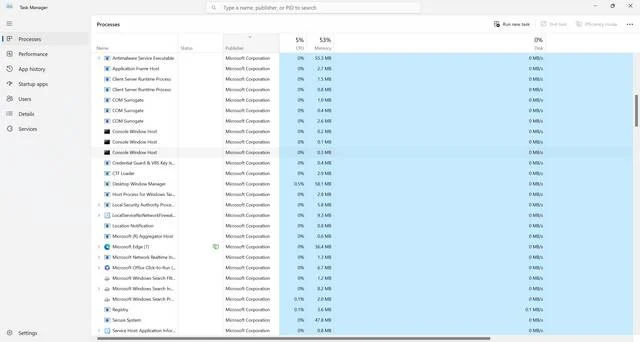
- Open the Windows Task Manager by pressing Ctrl + Shift + Esc or right-clicking on the taskbar and selecting “Task Manager.”
- Navigate to the “Processes” tab.
- Locate blservices.exe in the list of processes.
- Right-click on blservices.exe and select “Open File Location.”
- Verify that the file is located in the “C:\Program Files\Bitdefender” folder.
If the file is located in a different folder or you suspect it may be malicious, it’s crucial to run a scan with a reliable antivirus program to remove any potential threats.
Conclusion
Blservices.exe is a legitimate file associated with Bitdefender, a trusted antivirus software. It plays a crucial role in running essential background services that ensure the proper functioning of Bitdefender and protect your system from various threats. Removing or disabling blservices.exe can compromise the security of your computer.
If you experience any issues related to blservices.exe, such as high CPU usage or system slowdowns, it’s recommended to perform a thorough scan with a reliable antivirus program like Malwarebytes Free. By following the steps outlined in this article, you can verify the legitimacy of blservices.exe and ensure the safety of your system.

Join the discussion
0 commentsShare your experience or ask a question about this article.
Discussion
Start the conversation
Have a question or something useful to share? Add the first comment.