

Scams have become increasingly prevalent in the digital age, with scammers finding new and creative ways to deceive unsuspecting individuals. One such scam that has gained traction in recent years is the British Airways voucher giveaway Facebook scam. This article aims to provide a comprehensive overview of this scam, including what it is, how it works, what to do if you have fallen victim, and other relevant data.
What is the British Airways Voucher Giveaway Facebook Scam?
The British Airways voucher giveaway Facebook scam is a fraudulent scheme that targets Facebook users by promising them free vouchers or discounts from British Airways. Scammers create fake Facebook pages or posts that appear to be from the official British Airways account, enticing users with the prospect of winning a voucher or receiving a significant discount on their next flight.
How Does the Scam Work?
The scam typically begins with a Facebook post or message that claims to be from British Airways, offering a chance to win a voucher or receive a discount. The post may include enticing images or videos to make it appear more legitimate. Users are then directed to click on a link or fill out a form to claim their prize.
Once users click on the link or fill out the form, they are often redirected to a fake website that mimics the official British Airways website. This website may ask for personal information, such as name, address, and credit card details, under the guise of verifying the user’s eligibility for the voucher or discount.
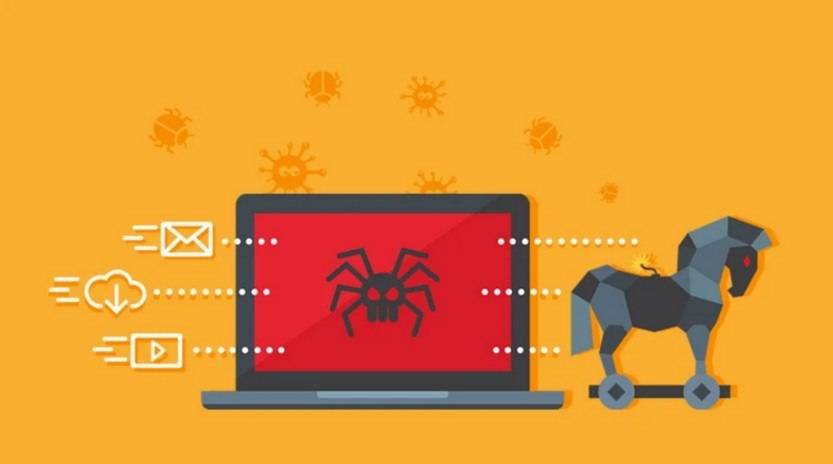
By providing their personal information, users unknowingly give scammers access to their sensitive data, which can be used for identity theft or other fraudulent activities. In some cases, users may also be prompted to download a file or click on a link that contains malware or viruses, further compromising their online security.
What to Do If You Have Fallen Victim
If you have fallen victim to the British Airways voucher giveaway Facebook scam, it is crucial to take immediate action to protect yourself and minimize the potential damage.
- Change your passwords: Start by changing the passwords for all your online accounts, including social media, email, and banking.
- Monitor your accounts: Keep a close eye on your bank and credit card statements for any unauthorized transactions. If you notice any suspicious activity, report it to your bank or credit card provider immediately.
- Scan for viruses or malware: Run a scan with Malwarebytes Free or other reputable antivirus software to ensure your device is free from any malicious software.
- Report the scam: Report the scam to the relevant authorities, such as your local law enforcement agency and the social media platform where you encountered the scam.
- Spread awareness: Share your experience with others to raise awareness about the scam and help prevent others from falling victim.
Other Relevant Data
The British Airways voucher giveaway Facebook scam is just one example of the numerous scams that exist online. According to a report by the Federal Trade Commission (FTC), consumers reported losing over $1.9 billion to fraud in 2019 alone. This highlights the importance of staying vigilant and being aware of the various scams that are prevalent in today’s digital landscape.
It is worth noting that legitimate companies like British Airways would not typically run voucher giveaways through Facebook or other social media platforms. They are more likely to promote their offers through their official website or authorized channels. Therefore, it is essential to exercise caution and verify the authenticity of any offers or promotions before providing personal information or clicking on suspicious links.
Summary
The British Airways voucher giveaway Facebook scam is a deceptive scheme that preys on unsuspecting individuals by promising free vouchers or discounts. Scammers create fake Facebook pages or posts to lure users into providing personal information or downloading malware. If you have fallen victim to this scam, it is crucial to take immediate action by changing passwords, monitoring accounts, scanning for viruses or malware, reporting the scam, and spreading awareness.
Remember, staying informed and cautious is the best defense against scams. Always verify the authenticity of offers and promotions before sharing personal information or clicking on suspicious links. By staying vigilant, you can protect yourself and help others avoid falling victim to scams.

Join the discussion
0 commentsShare your experience or ask a question about this article.
Discussion
Start the conversation
Have a question or something useful to share? Add the first comment.