


Buy-To-Let advertises monthly income from shipping containers. The pitch is familiar: buy a physical asset, let someone else rent it out, then sell it when you want your money back.
The point to examine is the way out. Being shown a container number, receiving rent and having someone obliged to buy the unit are three different things.
Overview
Buy-To-Let advertises both monthly income and a route to sell
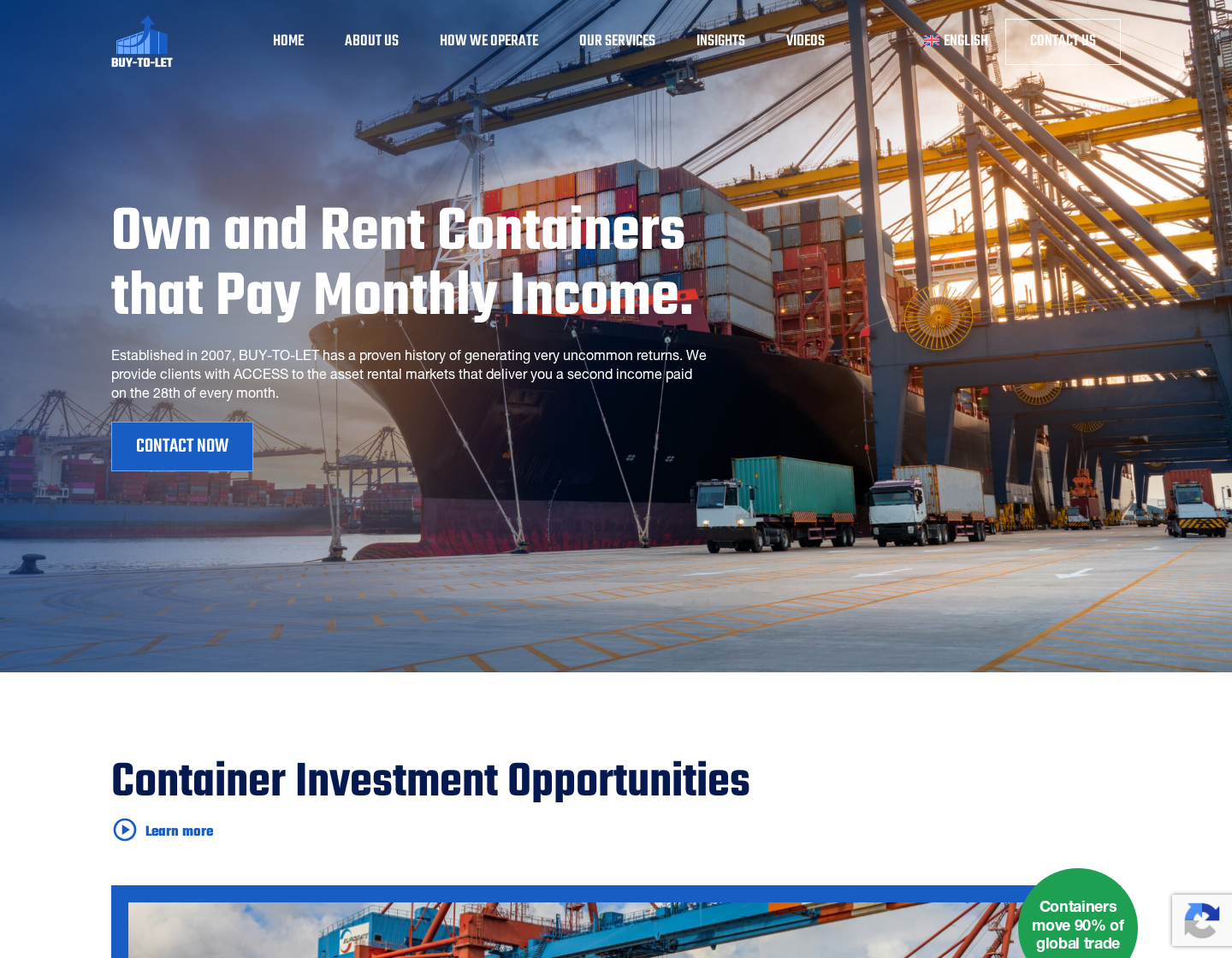
The site says investors buy containers and lease them back to the business. It describes rental distributions on the 28th and a repurchase at the end of the lease.
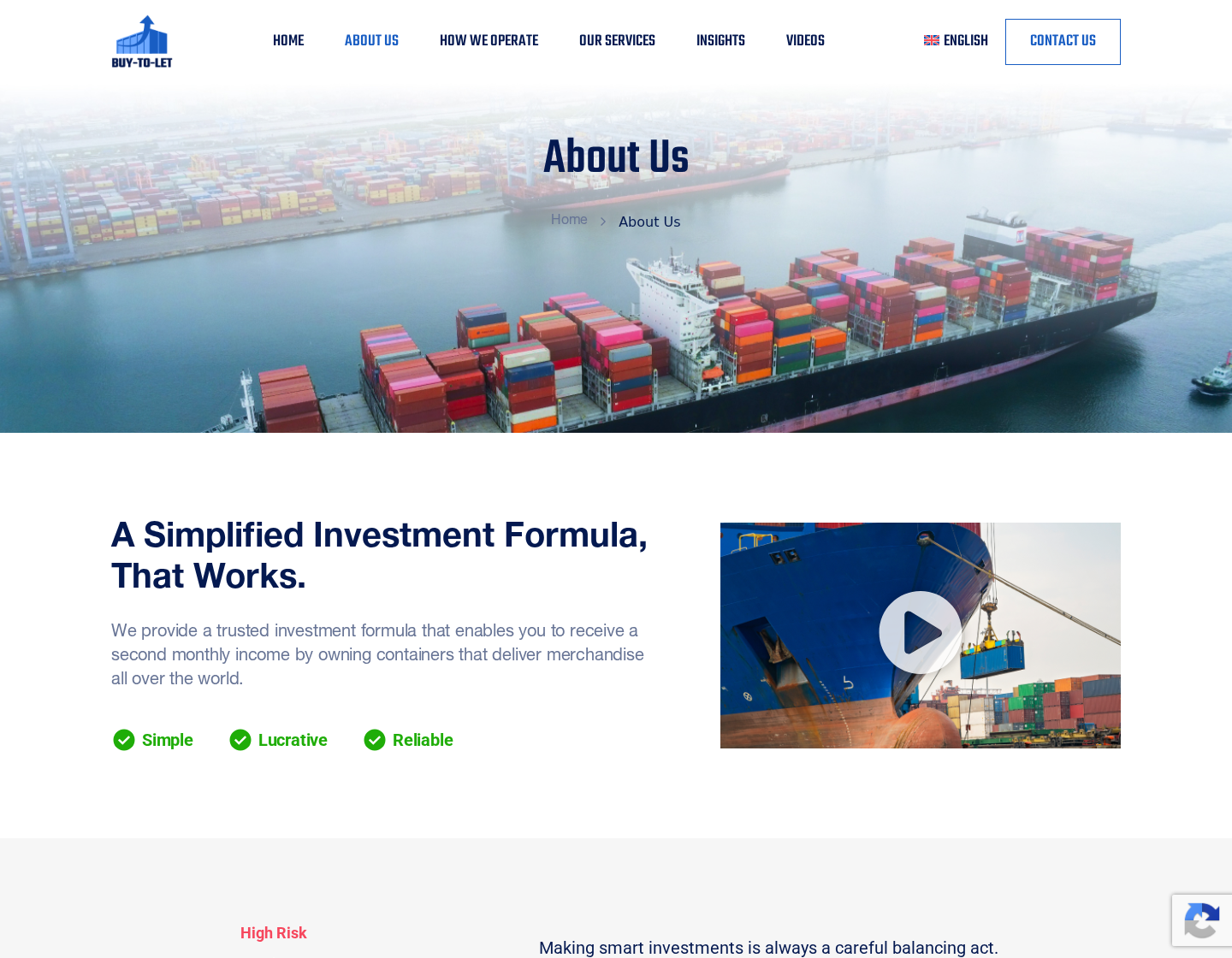
The About page says a unit can be sold immediately by phone. Find out whether the company buys it, finds a buyer or only takes instructions.
Three documents answer different parts of the pitch
- A purchase agreement should identify the equipment and legal owner. A sample document showing a standard container number is not your personal evidence of title.
- A lease should explain what pays you, what reduces that payment and what happens between placements. An illustrated yield does not identify which rent was actually collected.
- A buyback clause should name the obligated buyer, price, timing and conditions. A sales representative’s assurance does not tell you whether those terms are enforceable.
An investor describes being offered a new payment before getting an exit
One investor describes falling rent, paid relocation or exchange proposals and no clear resale timetable. Those are that investor’s reported circumstances, not a conclusion about everyone’s account.
It shows why an offer to pay for a new placement should be separated from selling what you already own. One decision should not blur into the other.
How the Buy-To-Let Container Investment Is Presented
Step 1: Buy specific physical equipment
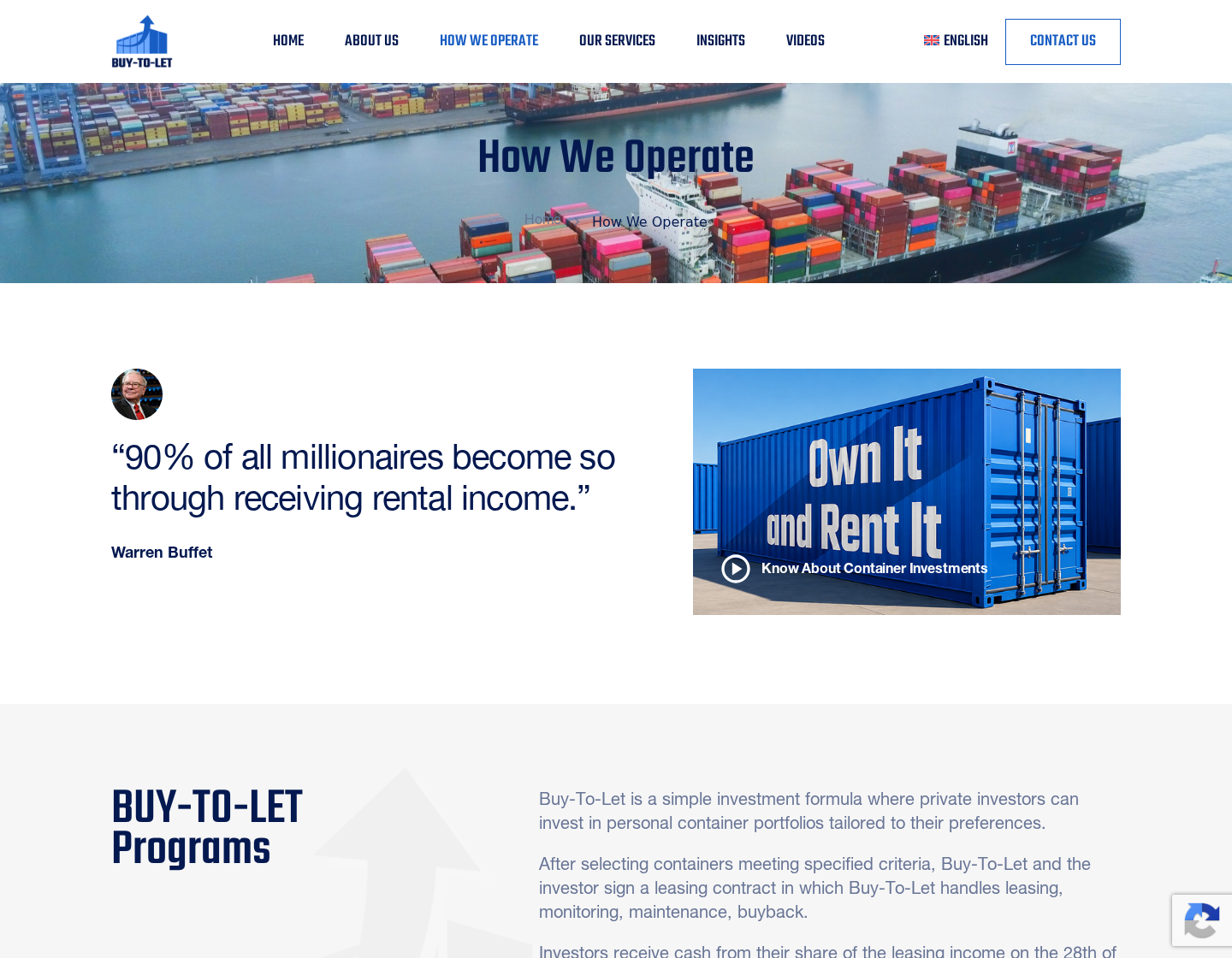
Buy-To-Let’s operation page says the investor selects containers, signs a leasing contract and lets the company arrange leasing, monitoring and maintenance. The documents should identify the actual equipment involved.
Ask for an itemized invoice and ownership documents for each container. Compare those records with the identifiers on any photographs or depot records supplied to you.
A portfolio total does not show how many units are working, in storage or out of service. Per-container records are more useful than an account page showing a single number.
The operation page places a quote attributed to Warren Buffett near its pitch. A quotation next to a portrait is not an endorsement of this company, contract or equipment.
Step 2: Understand what the leasing income depends on
The About page says that the company subleases units and sends monthly rental income by bank transfer. It advertises a 23.21% return for 2023, not a statement for your containers.
Separate that historical claim from the net rent in your own contract. Payment depends on what the agreement says about leasing, downtime, costs and the company’s ability to pay.
Ask whether maintenance, storage, repositioning, insurance and fees come out before the amount due to you. A high gross figure can look different after costs and vacant months.
If rent drops, ask for the date the previous placement ended and whether a new rental agreement exists. A sales projection for another region is not a payment record.
Step 3: Compare a buyback request with any proposed upgrade
The company’s pages describe exit at the purchase price when the lease ends and claim the asset can be sold immediately. Check the signed clause for exceptions.
Relocation moves equipment, while a trade-in would replace it or change the agreement. Neither proposal answers what the current containers would sell for as they are.
Get an itemized written estimate of net sale proceeds. Include expected deductions, any remaining obligations and a date the buyer must complete the purchase.
Do not agree to pay more based on a target yield. First determine whether the existing units can be sold and who is obligated to pay.
Who Owns the Containers and Who Owes the Buyback?
The website name and the contract name have different jobs
The site describes Buy-To-Let as a wholly owned subsidiary of Foundation Capital Limited. That is a statement on the website, not a substitute for identifying the party signing the agreement.
Check who issued the sale invoice, who manages the lease and who is supposed to buy the equipment at the end. The name on the bank account matters as well.
Do not assume a parent company guarantees the subsidiary’s obligations. Ask for the written agreement naming the party that actually promises repayment and the conditions that apply.
A business address is not a current location for an asset
The site lists contact locations in Hong Kong and Dubai. Those addresses do not tell you which depot holds a particular unit or which carrier has it.
Ask for a dated location record for each unit and verify the contact independently. An undated port photo does not show where the equipment is today.
The Bureau International des Containers explains the owner or operator prefix and the check digit. The identifier helps link records but is not a title certificate.
Physical damage coverage is not automatically protection for capital
The site describes insurance in relation to units damaged or lost in transit. The About page also uses that insurance claim to suggest the investment capital is protected.
Ask for the policy wording rather than treating those assurances as interchangeable. A physical damage policy does not automatically make a resale price, rent amount or company obligation collectible.
Check the insurer, named beneficiary, covered assets, deductible, exclusions and location limits. Most importantly, ask what happens if the problem is unpaid rent or an unfulfilled repurchase rather than damage.
A brokered sale is different from a firm buyer obligation
A seller can assist in finding another buyer without committing its own money. A buyback clause should say what event triggers payment and what you must deliver in exchange.
Check timing, inspection, fees, currency and any minimum holding period. A contract that lets you request a sale is not the same as a buyer’s commitment.
If support cannot give an exit timetable, preserve that answer. It is material evidence if the offer originally framed the asset as immediately liquid.
What the Reported Relocation Offer Shows
In a public account, a customer says they declined two proposals: US$19,000 to relocate containers or US$9,600 more to exchange them for units in Japan.
The same account says they still had no written valuation, sale timetable or breakdown after asking to sell. References to the same proposal elsewhere describe one account, not independent transactions.
This does not establish a total loss. It identifies a gap between receiving a detailed proposal for new spending and getting a clear written answer about the existing assets.
For your own records, put lease income on one side and bank deposits on the other. Include both the currency and date, because a projection is not a transfer.
Ask which party collected rent for each unit and which allowed deductions were taken. If the payment amount changed, ask the operator to reconcile the relevant months in writing.
Ask for an itemized quote for any additional charge. Keep discussion of a new arrangement separate from your request for records of the existing equipment.
The SEC’s investor education site cautions against equating high returns with little or no risk. That general warning is not a federal finding about Buy-To-Let.
Build an Exit File Before You Discuss Another Payment
Make one row per container, using the complete identifier rather than an abbreviated account label. Record the purchase date, original cost, named keeper and last verified location.
Keep evidence of title on a separate line from evidence of custody. A depot may confirm that it holds equipment without confirming that you are authorized to sell it.
Ask whether sublease revenue belongs immediately to you or first goes through an operator that deducts fees. Match the written rule with the deductions shown on actual statements.
Compare a month in use with a month out of use. If the contract pays only when a unit earns rent, vacancy should be visible in the ledger.
The gross amount quoted on a proposed buyback is not the amount you necessarily receive. Ask for the deductions, settlement currency and transfer method in the same written answer.
Check whether a proposal calls its number an estimate, an asking price or a binding amount. Those terms carry different practical weight when you are deciding whether you can exit.
Mark whether you can sell to an independent buyer without permission from the current operator. If access or release depends on that operator, an outside price may not be realizable.
Find out who would arrange release after a sale and how the transfer would be recorded. Otherwise a buyer may be ready while the equipment is still unavailable for collection.
When the seller offers another unit in place of the original, ask for its identifier and cost in advance. Keep the promised rent separate from the proposed trade-in value.
Verify an insurance certificate through the name and contact of the actual issuer, not just a logo. Ask whether you are named or eligible to claim for those specific units.
If the records name several jurisdictions, ask a qualified adviser which law and dispute venue apply. You cannot determine either from the website’s contact address alone.
Keep the original version of the contract even if you receive updated documents. A proposed variation and the agreement under which you paid are not interchangeable.
If the records are incomplete, request them before giving consent to move or replace the containers. Agreeing to a new placement may make the original accounting question harder to follow.
Keep a dated list of the records you have and the records still missing. Separate projected amounts from cleared payments when you explain the case.
Ask whether insurance follows a unit when it changes depot or is exchanged. A coverage certificate for one set of identifying numbers may not describe the replacement portfolio.
Do not combine a potential sale price with unpaid rent when calculating what you are owed. They come from different clauses and can have different due dates.
What to Do If You Have Already Paid Buy-To-Let
- Gather the signed purchase and lease agreements, invoices, payment records and the list of units. Keep the original buyback wording and any claim about insurance or rents.
- Request a written status for every container, including the current location, keeper, last lease period and insurance certificate. Ask for rent, fees and transfers by month.
- Make a separate written exit request. Ask who must purchase the assets, the net price you would receive and when the transaction can close.
- Do not pay relocation or trade-in charges just to obtain an answer about your existing assets. Keep each proposal as a separate document.
- If records do not match or payment is overdue, consult your bank and an appropriately qualified adviser in the applicable jurisdiction. Bring the contract rather than the brochure alone.
- If you suspect fraud, save the documents and contact the relevant regulator or fraud reporting service directly. Do not hire a stranger demanding an advance recovery fee.
If no answer arrives, record your first request and follow-up dates. Keep evidence of delivery for any formal notice a qualified adviser tells you to send.
A partial payment is worth recording as money received. It is not evidence that future rent, the full asset value or a promised exit can be funded.
Check the dispute deadlines attached to your actual payment method. A cross-border bank transfer and a card purchase are not handled through the same process.
Frequently Asked Questions
Does Buy-To-Let advertise rent on the 28th?
Yes, the site advertises that schedule. Check the lease for what happens when a container is not rented, a deduction applies or the operator pays late.
Does an owner prefix prove that you own the container?
No, it identifies the owner code or principal operator in the marking system. Match the number with your signed purchase record and independent custody evidence.
Is the historical 23.21% figure a promise to you?
It is described on the About page as a historical result. Check your own agreement for projected and actual rent, rather than treating that figure as guaranteed.
Does container insurance ensure you can sell at the original price?
That depends on what the policy covers. Damage coverage is different from a firm buyback agreement or insurance against an operator’s failure to pay.
Should you send money to move a unit before requesting a sale?
Get a written answer on the existing asset and buyback terms before considering another payment. A relocation quote does not replace the original sale request.
Is the reported exit delay proof that all investors lost money?
No, the published account describes one buyer’s experience with proposals and an unresolved valuation. Its practical value is showing which exit records to request before sending money.
The Bottom Line
Do not pay Buy-To-Let based on its advertised income and instant exit. Get independently verifiable asset records and a buyback obligation with a price and deadline first.
If you already invested, request the rent ledger and a written exit calculation. Keep any proposed relocation or replacement costs separate while you get qualified help with the original contract.

Join the discussion
0 commentsShare your experience or ask a question about this article.
Community experiences
Did this happen to you?
Your experience could help someone recognize the same scam. Submit a private report for our team to review.
I experienced this tooReports are reviewed before publication. Sharing publicly is always your choice.
Discussion
Start the conversation
Have a question or something useful to share? Add the first comment.