

Task Manager is a powerful tool in Windows that allows users to monitor and manage running processes on their computer. It provides valuable insights into the performance and resource usage of various applications and services. However, sometimes users may come across a process called “Calendar” running in Task Manager, which raises questions about its purpose and whether it is a legitimate process or a potential threat. In this article, we will explore the Calendar process, its origins, and why it appears in Task Manager.
Understanding the Calendar Process
The Calendar process, also known as “Calendar.exe,” is a legitimate component of the Windows operating system. It is responsible for managing and displaying the system calendar, including important dates, events, and reminders. The process is closely associated with the Windows Calendar app, which allows users to create and manage their schedules.
When the Calendar app is launched, the Calendar process is initiated to handle its functionalities. It runs in the background to ensure that the calendar data is up to date and synchronized with other devices if the user has enabled such features.
Why Does the Calendar Process Appear in Task Manager?
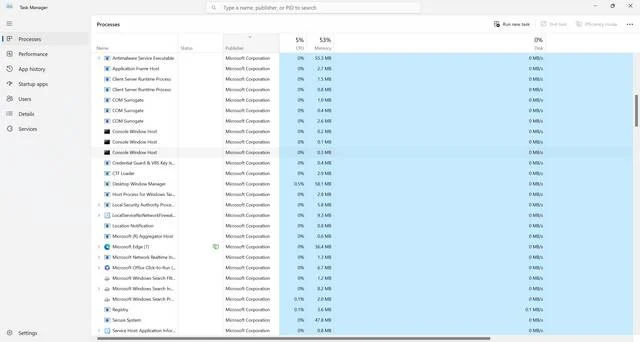
Task Manager displays all the active processes running on a computer, including both system processes and user-installed applications. The Calendar process appears in Task Manager to provide users with visibility into its resource usage and to allow them to manage it if necessary.
While the Calendar process is a legitimate component of Windows, it is worth noting that some malware or potentially unwanted programs (PUPs) may disguise themselves as the Calendar process to evade detection. These malicious programs may use similar names or file locations to trick users into thinking they are legitimate processes. Therefore, it is essential to verify the authenticity of the Calendar process running on your system.
Verifying the Authenticity of the Calendar Process
If you encounter the Calendar process in Task Manager and want to ensure its legitimacy, here are some steps you can take:
- Check the file location: Right-click on the Calendar process in Task Manager and select “Open file location.” This will open the folder where the Calendar executable is located. The legitimate Calendar process should be located in the “C:\Windows\System32” folder. If it is located elsewhere, it may indicate a potential threat.
- Scan for viruses and malware: It is always a good practice to regularly scan your system for viruses and malware. Malicious programs may disguise themselves as legitimate processes, including the Calendar process. Consider using a reliable antivirus or anti-malware software like Malwarebytes Free to scan your system thoroughly.
- Check the digital signature: Right-click on the Calendar executable file and select “Properties.” Go to the “Digital Signatures” tab and verify the digital signature. Legitimate Windows processes are usually signed by Microsoft Corporation. If the digital signature is missing or from an unknown source, it may indicate a potential threat.
Conclusion
The Calendar process running in Task Manager is a legitimate component of the Windows operating system. It is responsible for managing and displaying the system calendar. However, it is crucial to verify the authenticity of the Calendar process to ensure that it is not a potential threat.
If you suspect that the Calendar process on your system is malicious, take the necessary steps to investigate further. Check the file location, scan for viruses and malware using reliable security software like Malwarebytes Free, and verify the digital signature. By following these steps, you can ensure the security and integrity of your system.
Remember, staying vigilant and regularly updating your security software is essential to protect your computer from potential threats. If you have any doubts or concerns about a process running on your system, it is always recommended to seek assistance from a trusted IT professional or online security community.

Join the discussion
0 commentsShare your experience or ask a question about this article.
Discussion
Start the conversation
Have a question or something useful to share? Add the first comment.