

Norton LifeLock scam emails are fake messages that impersonate Norton, LifeLock, or NortonLifeLock to scare people into calling a fraudulent support number, clicking a phishing link, or giving criminals access to their computer and financial accounts.
These emails often look like renewal invoices, payment confirmations, subscription alerts, refund notices, or identity protection warnings. They may claim your Norton LifeLock account was charged hundreds of dollars, your identity protection plan renewed automatically, or your account needs urgent verification.
The charge is usually fake. The danger is what happens next.
Scam Overview
Norton LifeLock scam emails are a common form of tech support, phishing, and refund fraud. They use the names of trusted cybersecurity and identity protection brands to make the message feel believable. Because Norton and LifeLock are associated with antivirus protection, identity monitoring, credit protection, and online security, scammers know many recipients will take the message seriously.
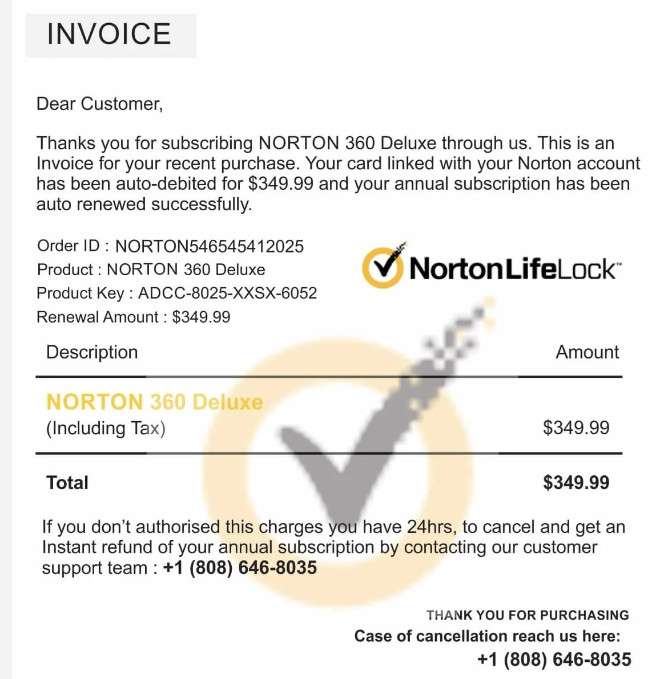
The scam usually starts with an email claiming that a Norton LifeLock subscription has been renewed or activated. The email may say that your account has been charged $299, $349, $399, $499, $599, or another large amount. Some versions claim that your “Norton LifeLock Ultimate Plus” or “Norton 360 with LifeLock” plan has been purchased successfully.
Other versions use a more alarming identity theft angle. They may say suspicious activity was detected, your identity protection account is locked, your Social Security number is at risk, or your payment method must be verified to keep your protection active.
The message normally includes a phone number labeled as:
- Customer Support
- Billing Department
- Refund Desk
- Cancellation Team
- Norton LifeLock Support
- Help Desk
- Security Department
- Account Verification Team
The scammer wants you to call that number. Once you do, the email scam turns into a phone scam.
A fake support agent may claim they can cancel the charge, refund the payment, update your account, or remove a security issue. Then they may ask you to install remote access software, log into your bank account, provide personal details, or fill out a fake refund form.
This is where the scam becomes dangerous.
The original email is only bait. The real goal is to make you speak with a criminal who can manipulate you in real time. Once the scammer has you on the phone, they can pressure you, confuse you, and create a false sense of urgency.
Many Norton LifeLock scam emails are designed to bypass normal suspicion. They may not include a suspicious link at all. Instead, they place the fake phone number inside the message or inside a PDF invoice. This can make the email seem less obviously malicious because there is nothing to click. But the phone number is the trap.
The scam also works because many people are not sure which subscriptions they have. Antivirus and identity protection plans often renew yearly. A victim may think, “Maybe I signed up for this years ago,” or “Maybe someone used my card.” That uncertainty is exactly what scammers exploit.
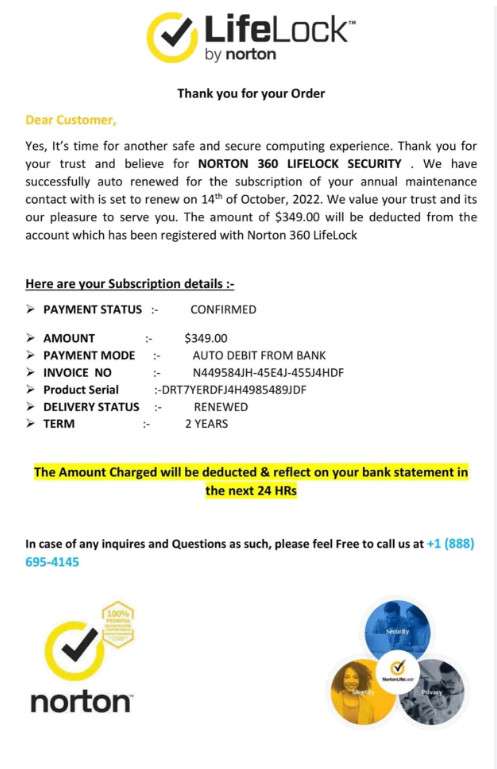
A typical Norton LifeLock scam email may include:
- A fake invoice number
- A fake order ID
- A customer ID
- A renewal date
- A product name
- A billing amount
- A cancellation deadline
- A customer support phone number
- Norton or LifeLock branding
- A warning that the charge will be final soon
The message may look professional enough to cause panic. But there are usually warning signs, including strange sender addresses, generic greetings, poor grammar, odd formatting, and pressure to act immediately.
Some emails say the charge has already gone through. Others say the charge is pending. Some claim you have 24 hours to cancel. Others say you must call immediately if you did not authorize the transaction.
The most common fake products named in these emails include:
- Norton LifeLock
- NortonLifeLock Security
- Norton 360 with LifeLock
- Norton 360 Deluxe
- Norton 360 Premium
- Norton Identity Protection
- LifeLock Identity Theft Protection
- LifeLock Ultimate Plus
- Norton Secure VPN
- Norton Antivirus Plus
The scam is not limited to people who use Norton or LifeLock. Scammers send these emails to huge lists of email addresses. They do not need everyone to believe the message. They only need a small number of people to call.
Once a victim calls, the scammer may say the subscription was purchased from the victim’s IP address, that hackers are using their account, or that the bank must be checked to confirm the refund. These claims are false. They are designed to make the victim follow instructions.
The scam can lead to several types of harm:
- Unauthorized bank transfers
- Stolen credit card information
- Identity theft
- Compromised email accounts
- Malware installed on the computer
- Remote access abuse
- Gift card fraud
- Cryptocurrency theft
- Repeated follow-up scams
For older adults, busy professionals, or people who are not comfortable with technology, the scam can be especially convincing. The fake support agent may sound polite, technical, and helpful at first. But the conversation is scripted to gain trust and increase pressure.
The key thing to understand is this: a real company does not need remote access to your computer to cancel a subscription. A real company will not ask you to log into your bank while on a support call. A real company will not ask you to repay an accidental refund with gift cards, cryptocurrency, wire transfer, or cash.
If a Norton LifeLock email tells you to call a number urgently to stop a charge, treat it as suspicious until proven otherwise.
How The Norton LifeLock Scam Works
1. The scammer sends a fake Norton LifeLock email
The scam begins with an email that appears to come from Norton, LifeLock, NortonLifeLock, or a related billing department. The sender name may say “Norton Support,” “NortonLifeLock Billing,” “LifeLock Security,” or “Norton 360.”
However, the real sender address may be unrelated. It may come from a free email provider, a compromised business account, a random domain, or a misspelled version of a legitimate-looking domain.
The subject line is designed to get attention. Common examples include:
- Norton LifeLock Subscription Renewal
- Your NortonLifeLock Invoice Is Ready
- Payment Confirmation for Norton 360 with LifeLock
- Your Account Has Been Charged
- Norton LifeLock Auto-Renewal Notice
- LifeLock Security Plan Activated
- Norton Billing Receipt
- Your Order Has Been Processed
- Cancel Norton LifeLock Renewal
- NortonLifeLock Refund Request
The email may contain very little text. Some versions include the full message as an image or PDF attachment. This is done to avoid spam filters and make the invoice look more official.
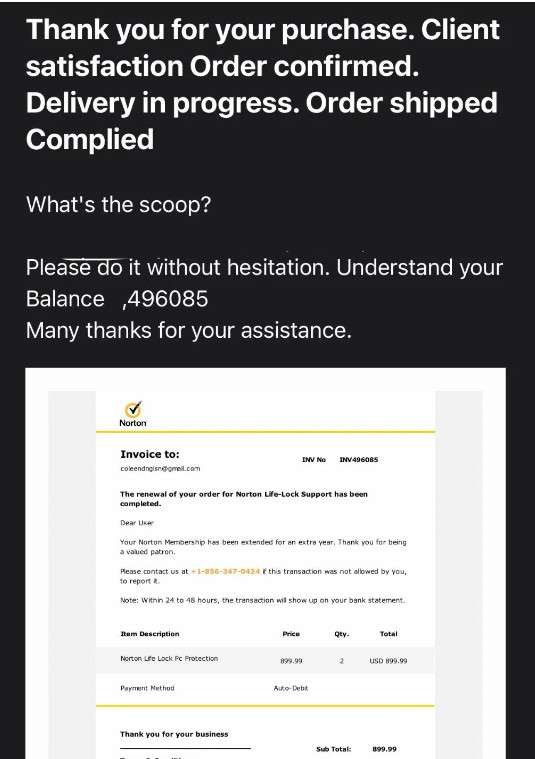
2. The fake invoice claims you were charged
The email usually says that a payment has been processed or will be deducted soon. The amount is often high enough to alarm the recipient.
Examples include:
- $299.99 for Norton LifeLock Protection
- $349.99 for Norton 360 with LifeLock
- $399.99 for NortonLifeLock Security
- $499.99 for LifeLock Ultimate Plus
- $599.99 for a 3-year protection plan
The email may say:
“Thank you for your payment.”
“Your Norton LifeLock subscription has been renewed.”
“Your account will be debited within 24 hours.”
“Your purchase has been completed successfully.”
“If you did not authorize this transaction, contact our support team immediately.”
This message creates urgency. The victim feels they must act now to stop losing money.
3. The email pushes you to call a fake support number
Instead of telling you to log into your official account, the email provides a phone number. This is the most important part of the scam.
The phone number may be shown as:
- Toll-free support
- Billing help
- Refund department
- Cancellation desk
- NortonLifeLock helpline
The email may say you must call within 24 hours to cancel. That deadline is fake.
The scammer wants to move the conversation from email to phone because phone calls are easier to manipulate. On the phone, the criminal can respond to your questions, build trust, sound professional, and pressure you if you hesitate.
4. The fake agent confirms the fake charge
When you call, the scammer may ask for the invoice number, order ID, or customer ID from the email. This makes the call feel legitimate because the scammer appears to “find” your account.
Then they may say something like:
“Yes, I can see the renewal here.”
“This charge was processed from your account.”
“We can cancel it, but we need to verify your device.”
“Your account appears to have been accessed from another location.”
“There may be hackers on your computer.”
These claims are usually made up. The scammer is creating a reason to keep you on the phone.
5. The scammer asks you to install remote access software
The fake support agent may claim they need remote access to cancel the subscription or process the refund. They may instruct you to download a remote access tool.
Commonly abused tools include:
- AnyDesk
- TeamViewer
- UltraViewer
- Zoho Assist
- LogMeIn
- GoToAssist
- ConnectWise
- ScreenConnect
These tools are not scams by themselves. They are legitimate remote support applications. But when a scammer convinces you to install one, they can see and control your computer.
Once connected, they may ask you not to touch the keyboard or mouse. They may blank the screen, open websites, search your files, access your email, or guide you to your bank account.
At this point, the scammer may be able to steal passwords, personal documents, banking details, and other sensitive information.
6. The scammer turns the fake cancellation into a fake refund
Many Norton LifeLock email scams become refund scams.
The scammer may say:
“We are canceling the subscription and issuing a refund.”
“To receive the refund, please open your bank account.”
“Fill out this secure refund form.”
“Type the refund amount.”
They may then manipulate the screen to make it look like too much money was refunded. For example, they may claim you were supposed to receive $399, but accidentally received $3,999 or $39,999.
This is a trick. No real refund happened.
The scammer then pretends to panic. They may say they will lose their job, their manager is angry, or the extra money must be returned immediately.
This emotional pressure is designed to make the victim feel guilty and responsible.
7. The victim is told to send money back
Once the fake over-refund story is set up, the scammer asks the victim to return the extra amount.
They may request payment through:
- Gift cards
- Cryptocurrency
- Bitcoin ATMs
- Wire transfers
- Cash App
- Zelle
- Venmo
- MoneyGram
- Western Union
- Bank transfer
- Cash mailed in a package
They may tell the victim not to mention the real reason at the bank or store. They may say to claim the money is for family, personal use, or a business transaction. This is a major red flag.
Scammers know that bank employees and store clerks may warn victims. That is why they coach victims on what to say.
8. The scammer may steal identity information
Because LifeLock is associated with identity protection, some scam emails use identity theft as the hook.
The scammer may claim your Social Security number, credit report, or identity profile has been compromised. They may ask you to verify:
- Full name
- Date of birth
- Home address
- Email address
- Phone number
- Social Security number
- Driver’s license number
- Credit card details
- Bank account information
- Online banking credentials
This information can be used for identity theft. It can also be sold to other criminals.
9. The victim receives more scam attempts
After one successful interaction, scammers may target the same person again. They may call back pretending to be from Norton, LifeLock, the bank, the police, the FTC, a recovery company, or a cybersecurity department.
They may claim:
- Your refund is still pending
- Your computer is still infected
- Your bank account is under attack
- Your stolen money can be recovered
- You must pay a fee to release funds
- You are under investigation
- Your identity protection case is active
These are follow-up scams. If you were targeted once, be extra cautious with future calls, texts, and emails.
Common Norton LifeLock Scam Email Examples
Below are realistic examples of wording used in this type of scam. These are not legitimate messages.
Fake Renewal Email
Subject: Norton LifeLock Subscription Renewal Confirmation
Dear Customer,
Your Norton LifeLock security subscription has been renewed successfully.
Product: Norton 360 with LifeLock
Subscription Period: 3 Years
Invoice Number: NL-83920471
Amount Charged: $499.99
Renewal Status: Completed
If you did not authorize this payment, please contact our billing department immediately.
Customer Support: [fake phone number]
Thank you,
Norton LifeLock Billing Team
Fake Cancellation Email
Subject: NortonLifeLock Auto Renewal Notice
Your NortonLifeLock protection plan has been activated for another year. The amount of $399.99 will be debited from your account within 24 hours.
If you want to cancel this transaction, call our cancellation department immediately.
Cancellation Support: [fake phone number]
Failure to contact us will result in successful payment processing.
Fake Identity Protection Alert
Subject: Important Alert: LifeLock Identity Protection
We detected unusual activity linked to your identity protection account. For your safety, your Norton LifeLock account has been temporarily restricted.
Please verify your account information to continue protection.
Support Desk: [fake phone number]
Do not ignore this warning. Your identity may be at risk.
Fake Refund Email
Subject: Norton LifeLock Refund Request Approved
Your Norton LifeLock refund request has been approved. To complete the refund process, contact our refund department.
Refund Amount: $349.99
Case ID: NL-RF-592018
Refund Department: [fake phone number]
Please keep your invoice number ready.
Red Flags of Norton LifeLock Scam Emails
A fake Norton LifeLock email may look convincing, but these warning signs are common:
- You do not have a Norton or LifeLock subscription
- The email says you were charged a large amount unexpectedly
- The message creates urgency with a 24-hour cancellation window
- The sender address looks strange or unrelated
- The email uses generic greetings like “Dear Customer”
- The invoice number looks random
- The phone number appears only inside the email or attachment
- The message asks you to call instead of logging into your official account
- The email contains grammar mistakes or awkward wording
- The attachment is unexpected
- The email threatens final billing unless you act immediately
- The support agent asks for remote access
- You are asked to log into your bank during the call
- You are asked to pay with gift cards, crypto, wire transfer, or cash
- You are told not to speak with your bank or family
The biggest warning sign is pressure. Scammers want speed. Legitimate companies give you safe ways to verify your account independently.
What To Do If You Received a Norton LifeLock Scam Email
If you received a suspicious email but did not interact with it, take these steps:
- Do not call the phone number in the email.
- Do not click links or open attachments.
- Check your bank or card account directly to see if any charge exists.
- Log into your Norton account only through the official Norton website.
- Forward the suspicious email to Norton’s abuse or spam reporting address if available.
- Mark the email as spam or phishing in your email provider.
- Delete the message after reporting it.
- Warn family members, especially older relatives, because these scams often target people who may panic over fake charges.
Do not reply to the email. Replying confirms that your email address is active.
What To Do If You Called the Number
If you called the fake support number, end contact immediately. Do not answer follow-up calls. Do not call back.
Then consider what information you shared.
If you only spoke briefly and gave no personal details, monitor your accounts and block the number.
If you gave your name, address, phone number, or email, be alert for more scam attempts.
If you gave financial information, contact your bank or card issuer immediately.
If you gave login credentials, change those passwords from a clean device.
If you provided your Social Security number or identity information, consider placing a fraud alert or credit freeze.
What To Do If You Installed Remote Access Software
If the scammer connected to your computer, treat the situation seriously.
Take these steps:
- Disconnect from the internet.
- Shut down the computer if the scammer is still connected.
- Uninstall the remote access software.
- Run a full antivirus and anti-malware scan.
- Change your email, banking, and important account passwords from another device.
- Enable two-factor authentication on important accounts.
- Check your email account for forwarding rules, recovery email changes, or suspicious login sessions.
- Contact your bank if you opened financial accounts during the remote session.
- Review your files and browser-saved passwords.
- Consider having a trusted technician inspect the device.
Do not continue using the same computer for banking until you are confident it is secure.
What To Do If You Lost Money
If you sent money to a Norton LifeLock scammer, move quickly.
1. Contact your bank or payment provider
Call the official number from your bank card or statement. Explain that you were scammed and ask whether the payment can be blocked, reversed, or disputed.
2. Report gift card payments
If you bought gift cards, contact the gift card company immediately. Provide the card numbers and receipts. Recovery is not guaranteed, but quick action matters.
3. Report wire transfers
If you sent a wire transfer, contact your bank right away and ask for a recall. Also contact the receiving institution if your bank can identify it.
4. Report cryptocurrency transfers
If you paid with cryptocurrency, collect the transaction hash, wallet address, screenshots, and communication records. Crypto payments are usually irreversible, but the information may help with reporting.
5. File an official fraud report
Report the scam to your local police or cybercrime authority. In the U.S., you can also report fraud to the FTC at ReportFraud.ftc.gov.
6. Freeze or monitor your credit if identity data was shared
If you shared your Social Security number, date of birth, identity documents, or financial account details, consider a credit freeze with the major credit bureaus.
7. Watch for recovery scams
Be skeptical of anyone who contacts you promising to recover your money for a fee. Many recovery services are scams targeting victims a second time.
How To Protect Yourself From Norton LifeLock Scam Emails
The best protection is to slow down and verify independently.
Use these rules:
- Never call a phone number from a suspicious invoice email.
- Never install remote access software for a billing issue.
- Never log into your bank while a stranger is on the phone.
- Never pay a company using gift cards, crypto, Bitcoin ATMs, or cash.
- Never trust an urgent cancellation deadline without verifying it.
- Check subscriptions directly through official websites.
- Use strong, unique passwords for email and financial accounts.
- Enable two-factor authentication.
- Keep your computer and browser updated.
- Teach family members how fake invoice scams work.
Also remember that scammers can fake logos, invoice numbers, email templates, and caller ID. Professional design does not prove an email is real.
Is Your Device Infected? Run a Free Malware Scan
Slow performance, constant pop-ups, or strange behavior? These are classic signs of a malware infection. The fastest way to find out is to scan your device with Malwarebytes Free — one of the most trusted malware removal tools available.
The free version detects and removes the most common threats, including:
- Adware — the cause of those annoying pop-ups
- Browser hijackers — unwanted redirects and changed homepages
- Trojans and spyware — hidden programs stealing your data
- Potentially unwanted programs (PUPs) — software you never asked for
👉 Select your device below — Windows, Mac, or Android — then follow the simple steps to download Malwarebytes, scan your system, and remove any threats it finds. The scan usually takes 5 to 20 minutes.
Run a Malware Scan with Malwarebytes for Windows
Malwarebytes is one of the most popular and trusted anti-malware tools for Windows — and it’s completely free for removing infections. It catches threats that many antivirus programs miss, including adware, browser hijackers, and trojans. Follow the steps below to scan and clean your PC in just a few minutes.
Download Malwarebytes
Click the button below to download the latest version of Malwarebytes for Windows from the official source. The free version is all you need — it will scan your computer and remove adware, browser hijackers, and other malicious software at no cost.
Download MalwarebytesOfficial installer for Windows 11 and 10. Your download starts right away.Want real-time protection? See Malwarebytes Premium Malwarebytes Free for WindowsScans and removes malware at no cost
-
Install Malwarebytes
When the download finishes, open your Downloads folder and double-click the MBSetup file. If Windows shows a User Account Control pop-up, click “Yes” to allow the installation.
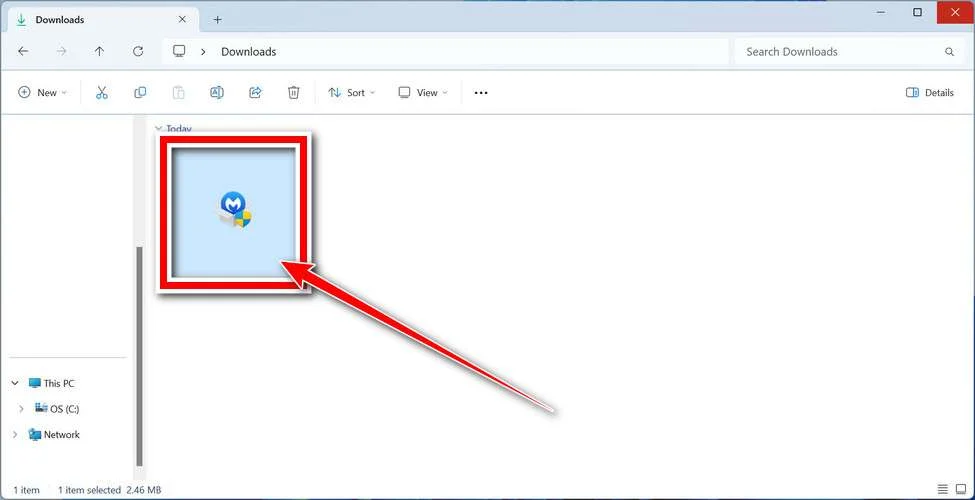
Follow the On-Screen Prompts to Install Malwarebytes
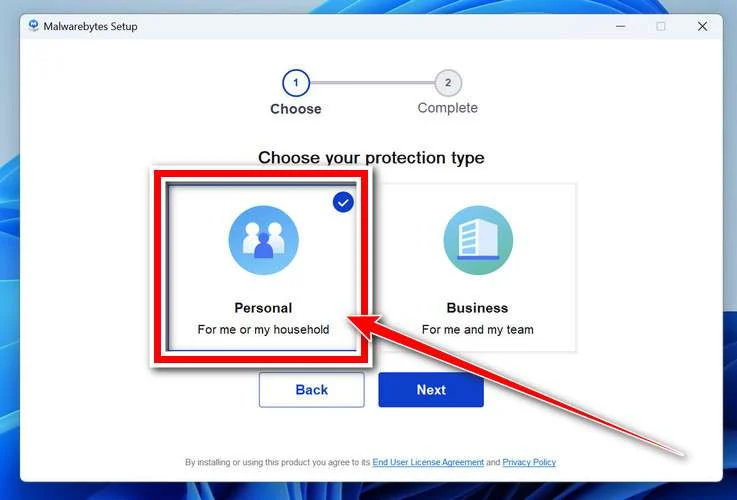
The setup wizard will walk you through a few quick screens:
-
Choose where you’re installing the program — “Personal Computer” or “Work Computer” — then click Next.
-
Malwarebytes will now install on your device. This usually takes under a minute.

-
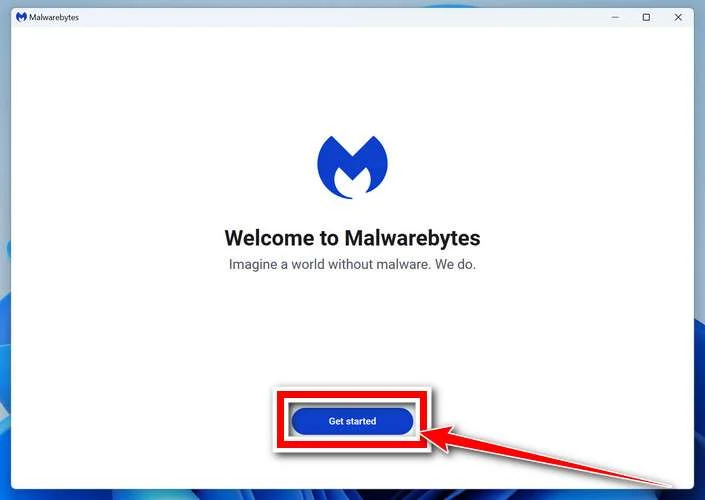
When installation is complete, the “Welcome to Malwarebytes” screen will open automatically.
-
On the final screen, click Open Malwarebytes to launch the program.

-
Enable “Scan for Rootkits”
Before scanning, turn on rootkit detection so Malwarebytes can find even the most hidden threats. Click the Settings gear icon on the left side of the screen.
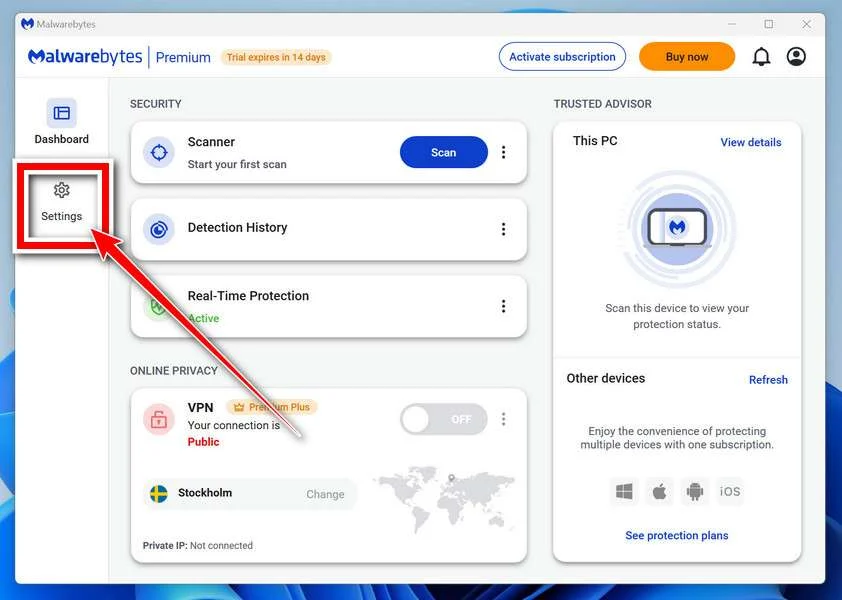
In the settings menu, find “Scan for rootkits” and click the toggle so it turns blue.

Done? Click “Dashboard” in the left pane to return to the main screen.
Start the Scan
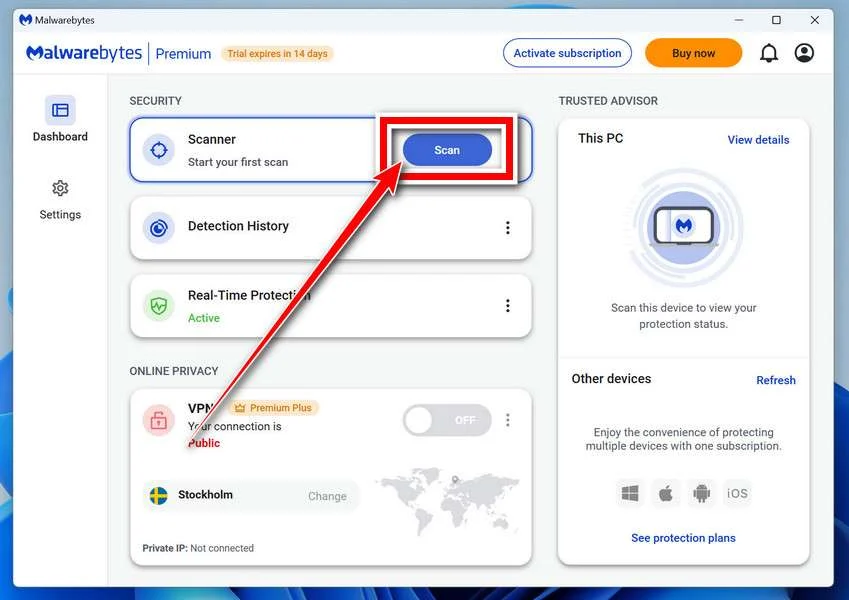
Click the blue Scan button. Malwarebytes will automatically update its virus database and start checking your computer for malware.
-
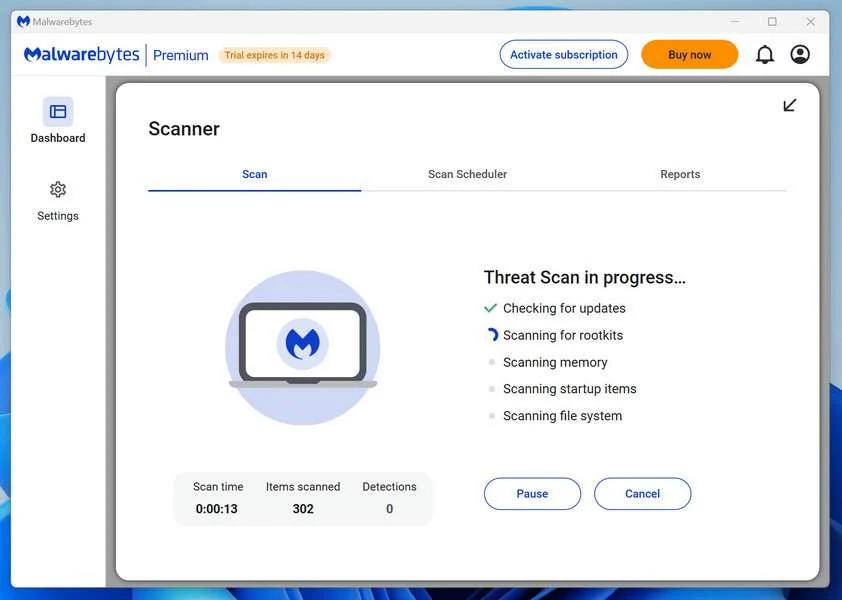
Wait for the Scan to Finish
The scan checks your entire system for browser hijackers and other malicious programs, so it can take 5 to 20 minutes depending on your computer. Feel free to do something else — just check back occasionally to see the progress.
-
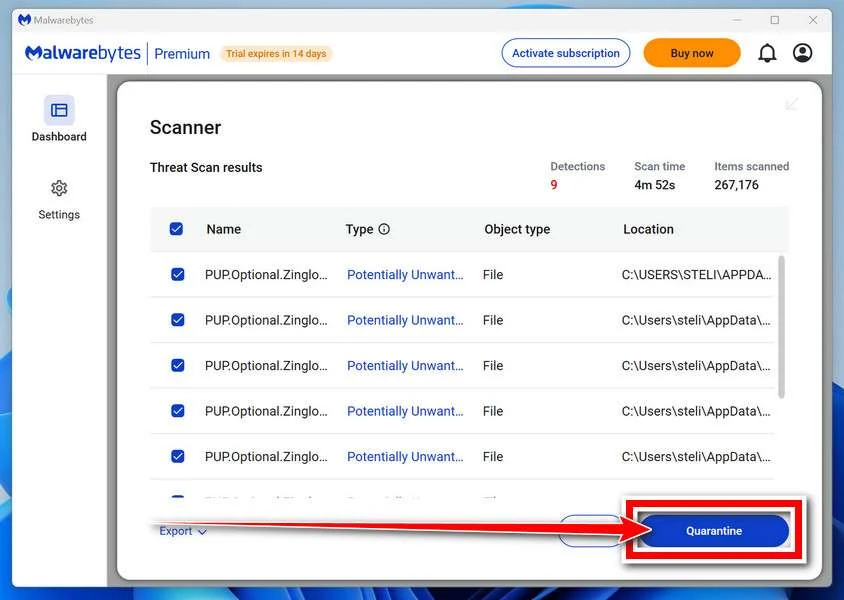
Quarantine the Detected Threats
When the scan is done, you’ll see a list of everything Malwarebytes found — malware, adware, and potentially unwanted programs. Click the “Quarantine” button to remove all of them at once.
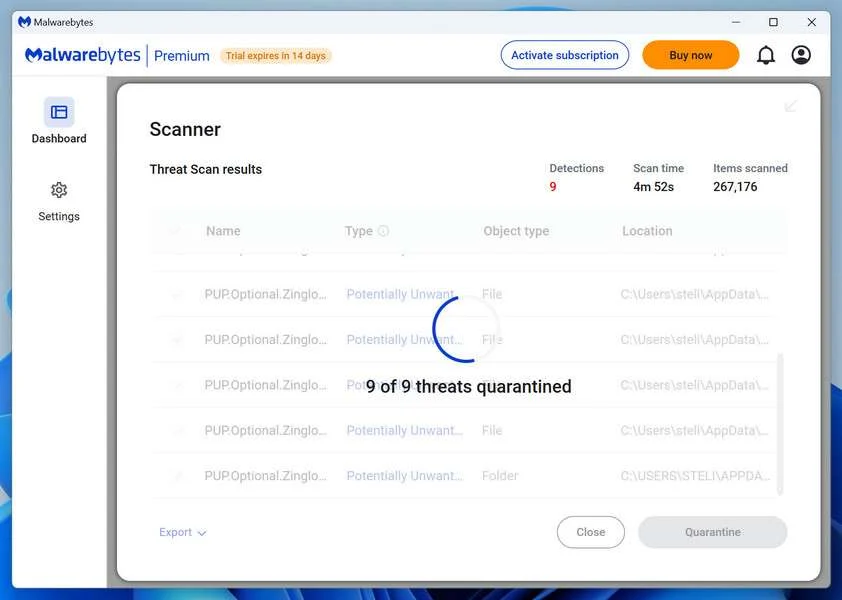
Malwarebytes will now remove the malicious files and registry entries and move them safely into quarantine.
-
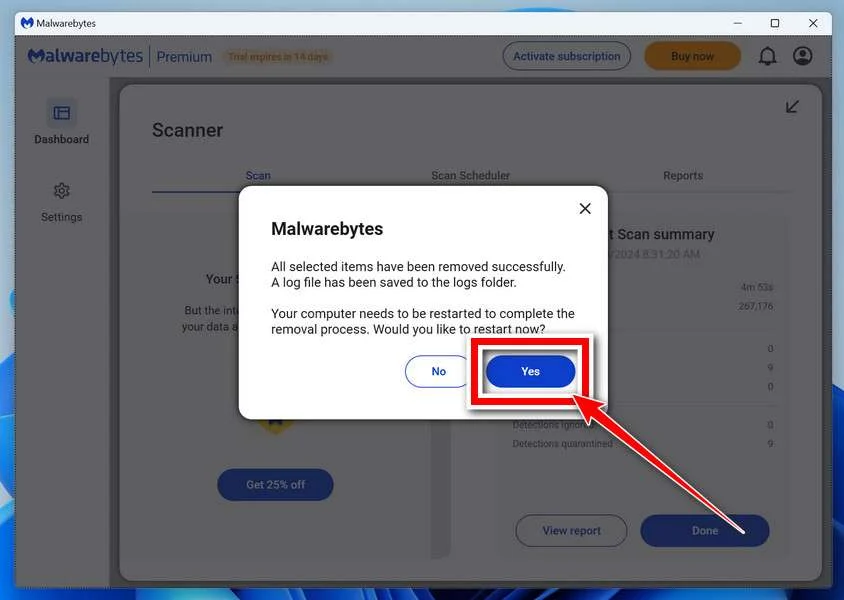
Restart Your Computer
Some threats can only be fully removed after a reboot. If Malwarebytes asks you to restart, click Yes. Once you’re logged back in, Malwarebytes has finished removing the threats it found.
That’s it — your Windows PC is now clean of trojans, adware, and other malware, and should be back to running smoothly.
If you are still having problems with your computer after completing these instructions, then please follow one of the steps:
- Run a computer scan with ESET Online Scanner
- Ask for help in our Windows Malware Removal Help & Support forum.
Run a Malware Scan with Malwarebytes for Mac
Malwarebytes for Mac is a free on-demand scanner that removes the malware other security software tends to miss — adware, browser hijackers, and unwanted programs included. Cleaning an infected Mac with Malwarebytes has always been completely free, and it’s our go-to recommendation. Follow the steps below to scan and clean your Mac in just a few minutes.
-
Download Malwarebytes for Mac
Click the button below to download the latest version of Malwarebytes for Mac.
Download MalwarebytesOfficial installer for macOS. Your download starts right away.Want real-time protection? See Malwarebytes PremiumMalwarebytes Free for MacScans and removes malware at no cost -
Open the Malwarebytes setup file
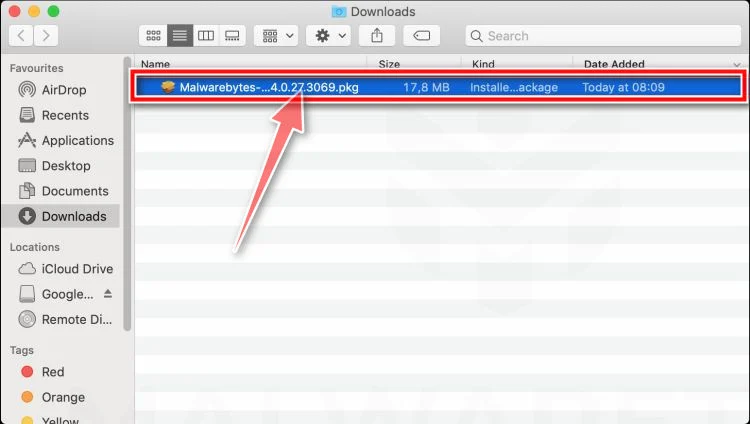
When the download finishes, open your Downloads folder and double-click the setup file to begin the installation.
-
Follow the On-Screen Prompts to Install Malwarebytes
The Malwarebytes for Mac Installer will guide you through a few quick screens. Click “Continue” and keep following the prompts until the installation completes.
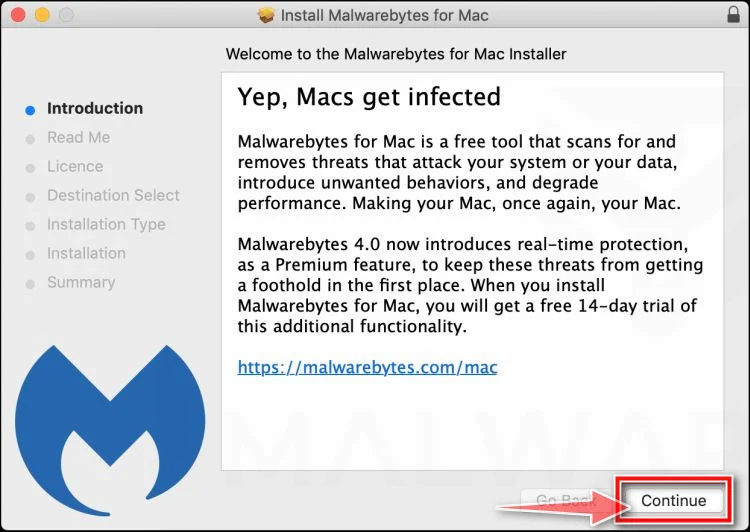
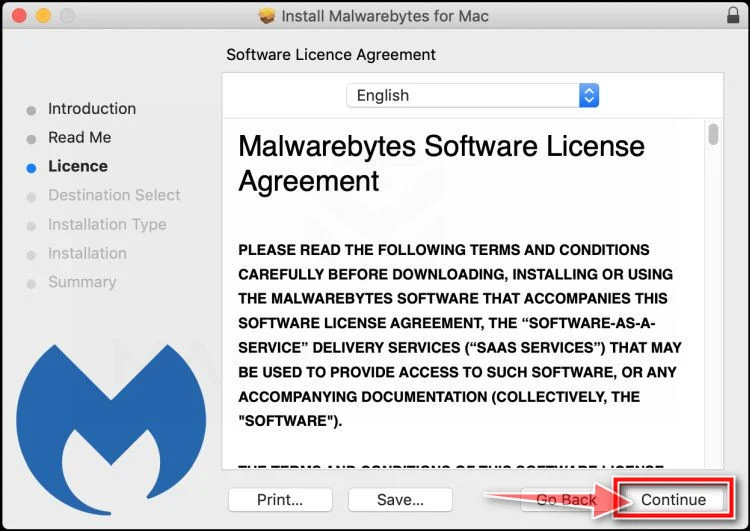
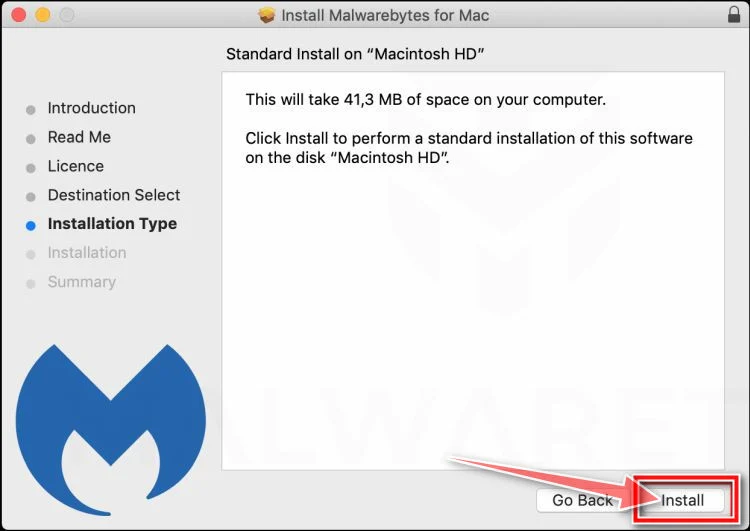
When the installation is complete, Malwarebytes opens to the Welcome to Malwarebytes screen. Click “Get started“.
-
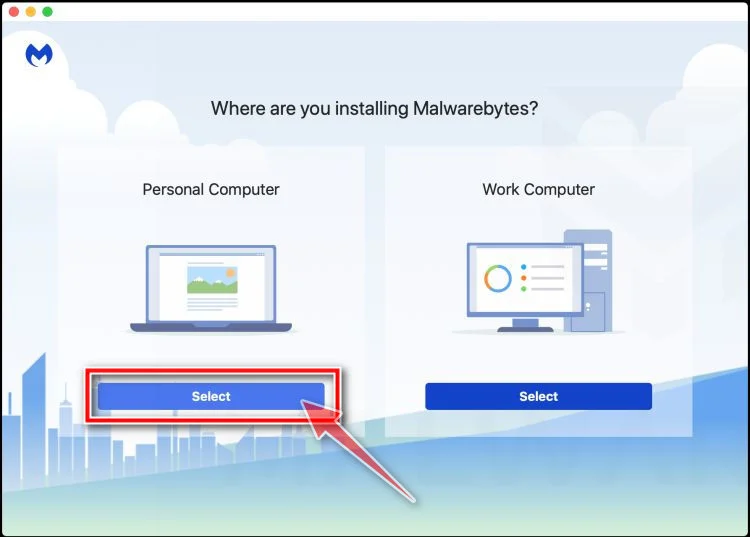
Select “Personal Computer” or “Work Computer”
Malwarebytes will ask what type of computer you’re installing it on. Click either Personal Computer or Work Computer, whichever applies.
-
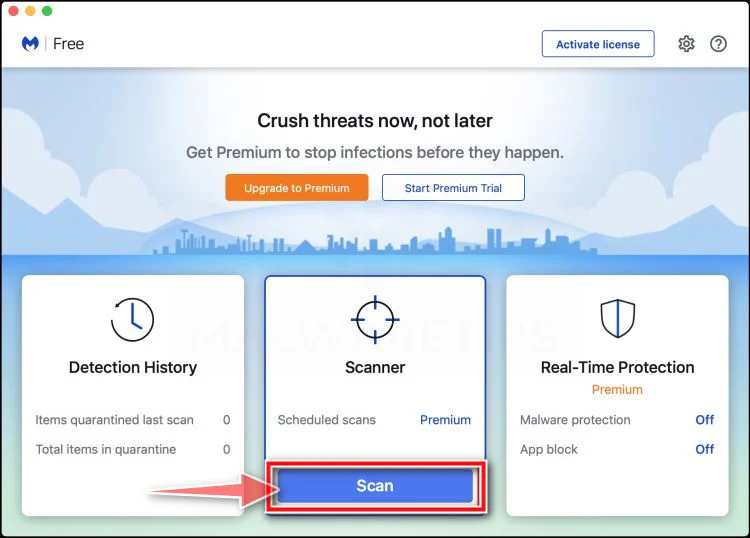
Start the Scan
Click the “Scan” button. Malwarebytes will automatically update its detection database and begin checking your Mac for malware.
-
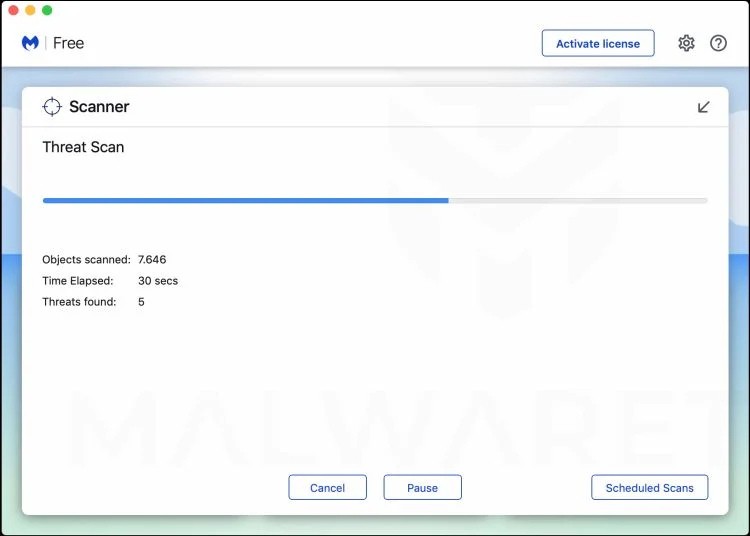
Wait for the Scan to Finish
Malwarebytes will scan your Mac for adware, browser hijackers, and other malicious programs. This can take a few minutes, so feel free to do something else — just check back occasionally to see the progress.
-
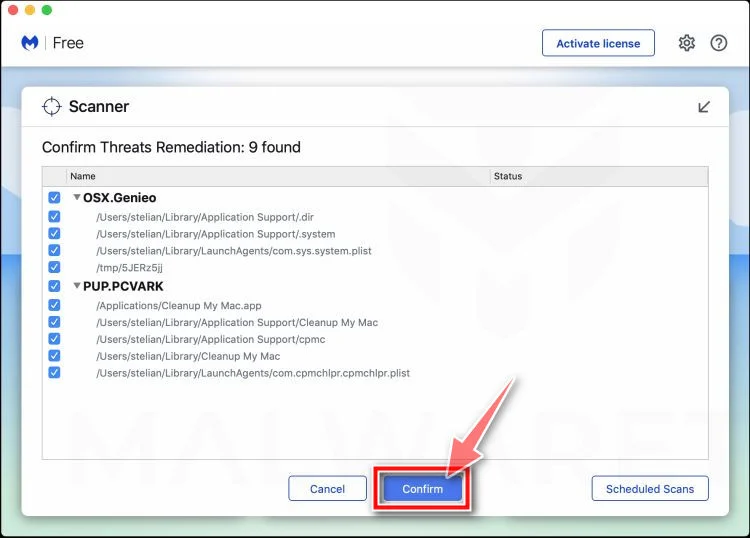
Quarantine the Detected Threats
When the scan is done, you’ll see a list of everything Malwarebytes found. Click the “Quarantine” button to remove all the threats at once.
-
Restart Your Mac
Malwarebytes will now remove all the malicious files it found. Some threats can only be fully removed after a reboot — if Malwarebytes asks you to restart, allow it. Once you’re logged back in, your Mac is clean.
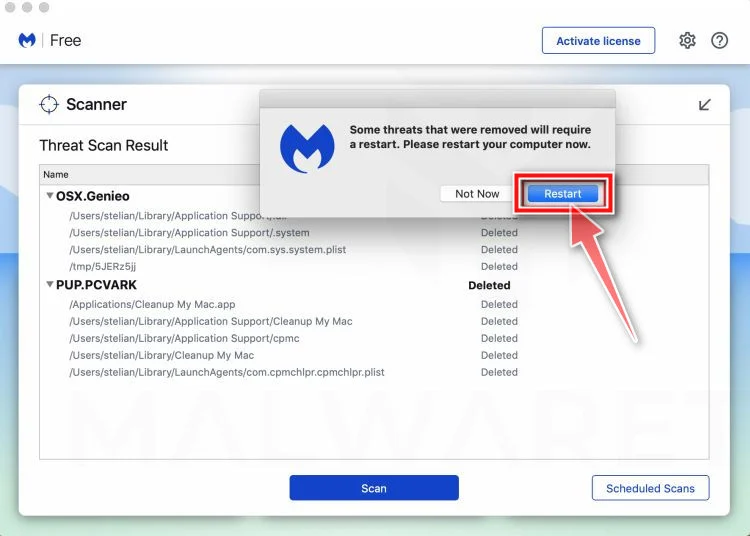
That’s it — your Mac is now free of adware, rogue browser extensions, and other potentially harmful software.
If you are still experiencing problems while trying to remove a malicious program from your computer, please ask for help in our Mac Malware Removal Help & Support forum.
Run a Malware Scan with Malwarebytes for Android
Malwarebytes for Android automatically detects and removes dangerous threats like malware and ransomware so you don’t have to worry about your most-used device being compromised. Aggressive detection of adware and potentially unwanted programs keeps your Android phone or tablet running smooth.
-
Download Malwarebytes for Android.
You can download Malwarebytes for Android by clicking the link below.
Get Malwarebytes for AndroidOpens Google Play in a new tab.Want real-time protection? See Malwarebytes Premium for AndroidMalwarebytes for AndroidScans your phone and removes malware at no cost -
Install Malwarebytes for Android on your phone.
In the Google Play Store, tap “Install” to install Malwarebytes for Android on your device.

When the installation process has finished, tap “Open” to begin using Malwarebytes for Android. You can also open Malwarebytes by tapping on its icon in your phone menu or home screen.

-
Follow the on-screen prompts to complete the setup process
When Malwarebytes will open, you will see the Malwarebytes Setup Wizard which will guide you through a series of permissions and other setup options.
This is the first of two screens that explain the difference between the Premium and Free versions. Swipe this screen to continue.
Tap on “Got it” to proceed to the next step.
Malwarebytes for Android will now ask for a set of permissions that are required to scan your device and protect it from malware. Tap on “Give permission” to continue.
Tap on “Allow” to permit Malwarebytes to access the files on your phone.
-
Update database and run a scan with Malwarebytes for Android
You will now be prompted to update the Malwarebytes database and run a full system scan.

Click on “Update database” to update the Malwarebytes for Android definitions to the latest version, then click on “Run full scan” to perform a system scan.

-
Wait for the Malwarebytes scan to complete.
Malwarebytes will now start scanning your phone for adware and other malicious apps. This process can take a few minutes, so we suggest you do something else and periodically check on the status of the scan to see when it is finished.

-
Click on “Remove Selected”.
When the scan has been completed, you will be presented with a screen showing the malware infections that Malwarebytes for Android has detected. To remove the malicious apps that Malwarebytes has found, tap on the “Remove Selected” button.

-
Restart your phone.
Malwarebytes for Android will now remove all the malicious apps that it has found. To complete the malware removal process, Malwarebytes may ask you to restart your device.
That’s it — your Android phone is now clean — no more malicious apps, adware, or browser redirects.
If you are still having problems with your phone after completing these instructions, then please follow one of the steps:
- Restore your phone to factory settings by going to Settings > General management > Reset > Factory data reset.
- Ask for help in our Mobile Malware Removal Help & Support forum.
Stay Protected: Block Ads and Malicious Sites
Now that your device is clean, keep it that way. Most infections start with a malicious ad or a fake download button — so blocking them at the source is your best defense.
We recommend AdGuard, which blocks malicious ads, phishing pages, and dangerous redirects before they can reach you.
👉 Download AdGuard and browse safely
The Bottom Line
Norton LifeLock scam emails are fake messages designed to make you panic over a subscription charge, identity protection alert, or refund issue. The email may look like a real invoice, but the phone number, urgency, and instructions are the trap.
Do not call the number in the email. Do not click suspicious links. Do not install remote access software. Do not provide banking or identity information.
Verify any charge directly through your bank and official Norton account. If you already interacted with the scam, secure your accounts, remove remote access tools, contact your bank, and report the fraud as soon as possible.
FAQ
Is the Norton LifeLock email I received real?
It may be real, but many Norton LifeLock emails are fake. Do not trust the logo, invoice number, or professional design alone. Check your bank account directly and log into your Norton account only through the official Norton website.
Why did I get a Norton LifeLock invoice if I never subscribed?
Scammers send fake Norton LifeLock invoices to large email lists. They do not know whether you actually use Norton or LifeLock. They want you to panic, call the fake support number, and follow their instructions.
What is the goal of the Norton LifeLock email scam?
The main goal is to steal money or sensitive information. Scammers may try to get remote access to your computer, collect banking details, steal passwords, or pressure you into sending money through gift cards, wire transfers, crypto, or payment apps.
What happens if I call the phone number in the email?
You may reach a fake support agent pretending to work for Norton LifeLock. They may claim they can cancel the charge or issue a refund, then ask you to install remote access software or log into your bank account.
Can I be charged just by opening the fake Norton LifeLock email?
Usually, no. Simply opening the email does not normally charge you. The risk begins if you click links, open attachments, call the number, install software, or share personal or financial information.
What should I do if I clicked a link in the email?
Close the page immediately. Do not enter any information. Run a security scan on your device. If you typed a password, change it from a clean device. If you entered payment details, contact your bank or card issuer immediately.
What should I do if I installed remote access software?
Disconnect from the internet, uninstall the remote access program, run a full malware scan, and change important passwords from another device. Contact your bank if you accessed online banking while the scammer was connected.
How can I tell if a Norton LifeLock email is fake?
Common red flags include a strange sender address, urgent cancellation language, a high invoice amount, generic greetings, unexpected attachments, grammar errors, and a phone number that appears only inside the email or invoice.
Does Norton LifeLock ask for payment through gift cards or crypto?
No. Legitimate companies do not ask customers to fix billing issues using gift cards, cryptocurrency, Bitcoin ATMs, wire transfers, or mailed cash.
Can I get my money back after a Norton LifeLock scam?
It depends on how you paid and how quickly you act. Contact your bank, card issuer, gift card company, or payment provider immediately. Save the scam email, phone number, receipts, screenshots, and transaction details.

Join the discussion
0 commentsShare your experience or ask a question about this article.
Discussion
Start the conversation
Have a question or something useful to share? Add the first comment.