


CashFX Group promised a way to benefit from currency trading without becoming a trader yourself. For many people, the invitation arrived through someone they already trusted.
Years later, former members are still searching for answers about their balances, missing withdrawals, and what the latest legal action actually means for them.
Overview
What CashFX Group Offered
CashFX Group, also written as Cash FX, marketed participation in pooled foreign-exchange trading. Its pitch combined professional traders, proprietary trading software, artificial intelligence, and referral-based earnings.
The attraction was straightforward: put money into the program and let specialists handle the difficult decisions. Recruiting other participants offered another route to supposed earnings.
That presentation encouraged people to judge the opportunity through account balances, promoter videos, and payments received by other members, rather than independently verified trading records.
What the CFTC Has Alleged
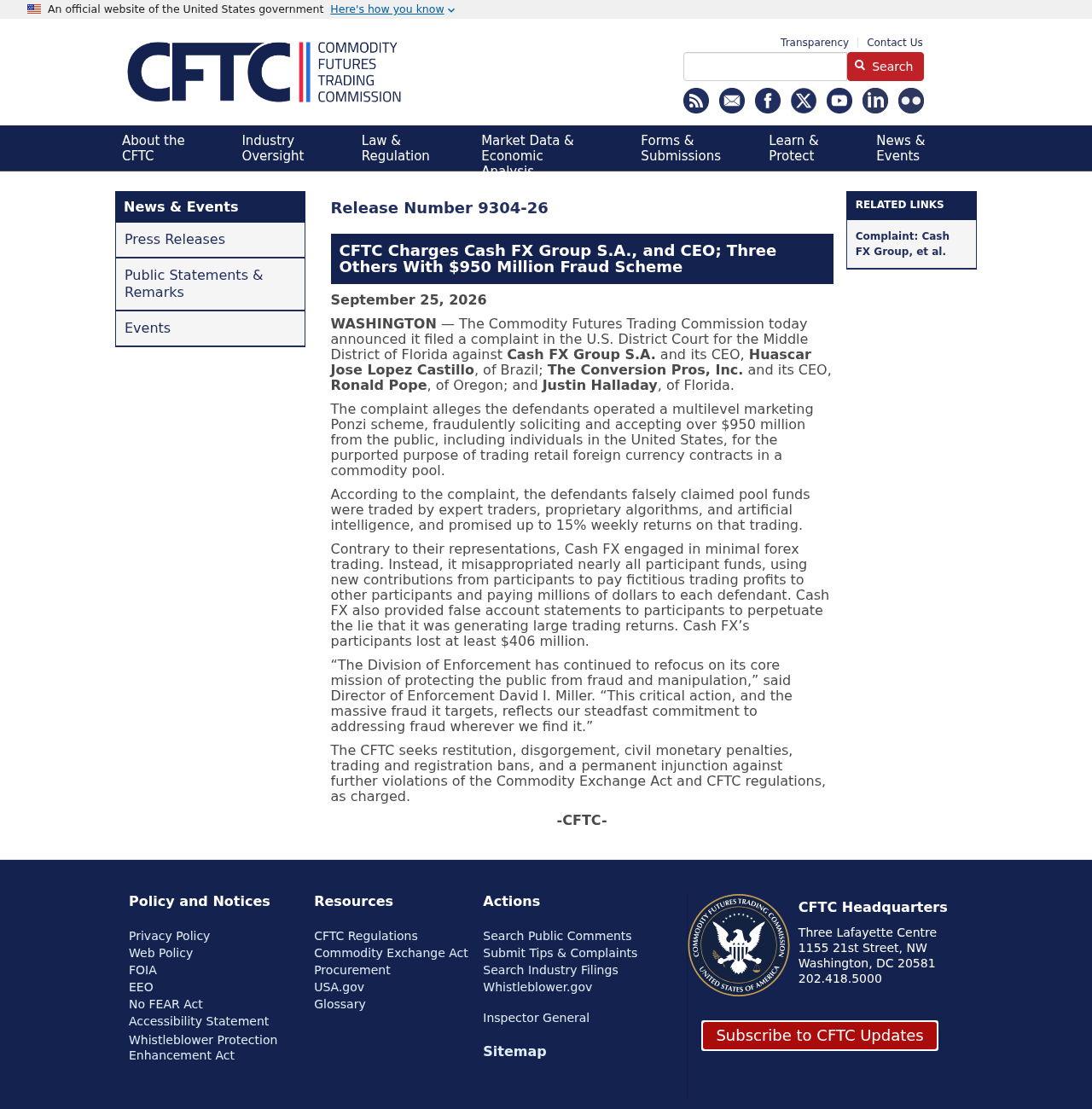
In September 2026, the U.S. Commodity Futures Trading Commission filed a civil complaint against Cash FX Group, The Conversion Pros, and three individuals.
The defendants include Huascar Jose Lopez Castillo, Ronald Pope, and Justin Halladay. The regulator alleges a multilevel-marketing Ponzi operation that collected more than $950 million.
According to the complaint, less than 1% of participant money was used for forex trading. New contributions instead financed purported returns and payments benefiting the defendants.
The CFTC announcement describes at least $406 million in participant losses. Those figures are the regulator’s allegations, not a new final judgment reported here.
The complaint describes more than 400,000 funded accounts. Accounts are not necessarily unique people, so that figure should not be presented as an exact victim count.
It also identifies more than 6,000 accounts belonging to U.S. residents. The case concerns an international operation, not an offer confined to one country.
Why Former Members Should Take This Seriously
This is not merely a disagreement about disappointing market performance. The complaint challenges whether the advertised source of earnings existed at anything approaching the promised scale.
Several details deserve particular attention:
- Returns were promoted as reaching 15% weekly, according to the CFTC.
- Account statements allegedly displayed profits unsupported by meaningful trading.
- The regulator says approximately 81% of participants lost money.
- The UK Financial Conduct Authority separately warns consumers to avoid dealing with Cash FX Group.
Our recommendation is clear: do not put money into CashFX or pay anyone promising to unlock a CashFX balance through another deposit.
How the CashFX Investment Pitch Worked
Step 1: A Personal Introduction Made the Offer Feel Safer
A referral can feel very different from an unsolicited investment advertisement. The person sharing it may be a friend, relative, community member, or familiar online personality.
That relationship can move the first question from “Who controls my money?” to “Why would this person recommend something harmful?” The questions are not equivalent.
A genuine recommendation can still pass along an unsuitable or fraudulent opportunity. Someone receiving early payments may sincerely believe those payments prove the underlying business works.
CashFX also used recognizable promoters and online presentations. The CFTC complaint describes social-media marketing and endorsements as important parts of building its audience.
The practical lesson is not to distrust every friend. It is to separate confidence in the person from evidence about the investment they are recommending.
Step 2: Trading Expertise Supplied an Explanation for Large Returns
Forex trading gave the offer a familiar financial setting. References to algorithms and AI added an impression that specialized technology could achieve results ordinary investors could not.
Real trading systems do use software. That does not establish that a particular operator has profitable technology, deploys customer funds as promised, or reports results honestly.
The important evidence would connect investor deposits to genuine accounts, transactions, custody arrangements, and independently checked performance. Promotional confidence cannot replace that chain.
The CFTC alleges CashFX promised returns reaching 15% a week while conducting minimal forex trading. That is a challenge to the core sales story.
As a simple illustration, 15% of $1,000 is $150 in one week. A percentage that large deserves extraordinary scrutiny, not a reassuring explanation about automation.
This calculation illustrates the advertised rate. It does not mean every package promised the same amount or that any such return was reliably available.
Step 3: Deposits Became Convincing Numbers Inside an Account
Once someone has paid, an online dashboard can make the arrangement feel tangible. A login, transaction history, and rising balance resemble features of legitimate financial services.
However, a dashboard shows what its operator chooses to display. It does not independently demonstrate that assets exist or that profitable trades produced the balance.
The CFTC alleges CashFX gave participants false account statements. That distinction matters because a screenshot of earnings may reproduce the misleading display rather than verify it.
Keep statements if you have them. They can help investigators understand what you were told, even when they cannot establish how much money remains recoverable.
For your own records, distinguish money actually deposited, money actually withdrawn, and profits shown only on screen. Combining them creates a misleading picture of your loss.
Step 4: Payments and Referral Rewards Reinforced the Story
Receiving a payment can be powerful reassurance. It answers whether money arrived, but not whether that money came from trading rather than another participant’s deposit.
The regulator alleges CashFX used incoming contributions to meet other participants’ withdrawals. Under that account, payments were part of the mechanism, not proof against it.
Referral incentives added another complication. A participant could become financially interested in bringing others into the same arrangement they were trying to evaluate.
That does not establish that every ordinary member understood what was happening. It does explain why promotional enthusiasm and independent investment analysis can pull apart.
If you recruited someone, preserve your messages and describe your role honestly. Do not alter conversations or offer explanations that hide payments you received.
Step 5: Withdrawal Problems Left Members Dependent on Explanations
The CFTC complaint describes delayed withdrawals and allegedly pretextual explanations, including purported attacks on the platform. A pending withdrawal is very different from an available bank balance.
Repeated assurances can keep people waiting, particularly when acknowledging a loss feels worse than believing the next promised resolution. That pressure is understandable.
What matters now is avoiding another transfer. A fee for validation, migration, reactivation, or release does not become safe because it references an old CashFX account.
Those are warning signs to watch for, not a claim that every former member has received the same follow-up demand.
Do not test a recovery offer with a small payment. The first requested amount may simply establish that you are willing to send more.
CashFX Company, Address, Broker, and Contact Checks
The Legal Entities Matter More Than Familiar Branding
The CFTC names Cash FX Group S.A. and The Conversion Pros, Inc. as defendants alongside the three individuals. Preserve the exact names appearing in your documents.
A brand name, payment recipient, promoter, and website operator can play different roles. Identifying each helps explain where your money went and who made specific representations.
The complaint identifies Cash FX as a Panama company. A corporate registration is not evidence that an investment is authorized or that client money is protected.
The original complaint says the company was dissolved and liquidated in October 2022, while operations continued. An old certificate would not resolve that discrepancy.
Anyone presenting historical paperwork as reassurance should explain its date and relevance. A document can be authentic while no longer supporting the claim attached to it.
A Listed Address Is Not a Financial Safety Check
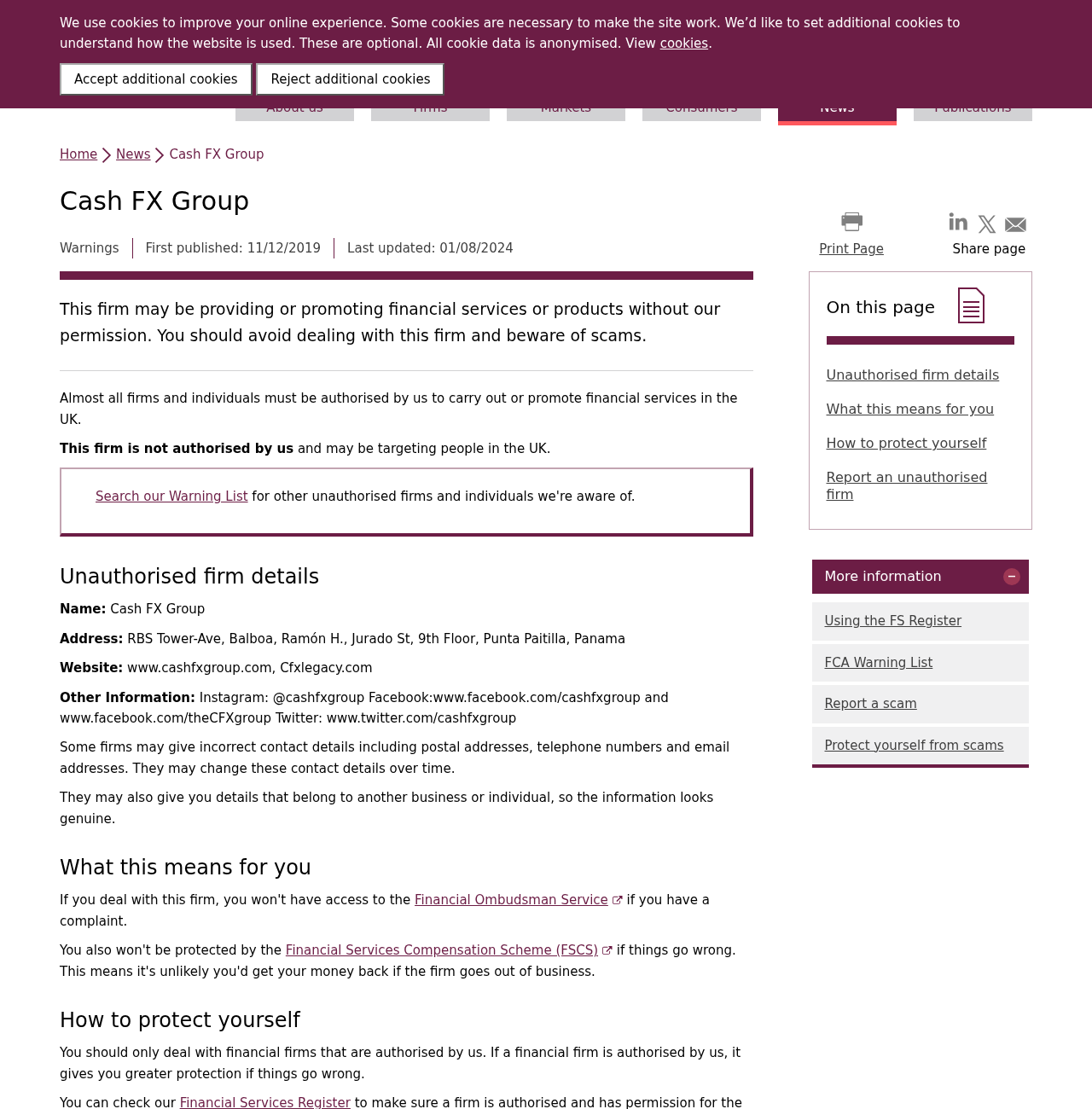
The FCA warning lists a Panama address for Cash FX Group. The existence of an address does not establish regulated custody, available assets, or a functioning recovery office.
Do not pay an intermediary to visit that address or deliver special paperwork. Ask an appropriate regulator or qualified legal adviser how any proposed action would help.
Equally, do not assume an unrelated business at a similar address controls CashFX. Exact identifiers matter when naming organizations or submitting a complaint.
A Broker Reference Does Not Authorize the Whole Program
A sales presentation may mention an established broker, trading platform, or technology provider. That reference does not automatically authenticate the promoter’s own investment arrangement.
The relevant questions concern the actual customer contract, account holder, permission to manage funds, and evidence of trades. Branding alone cannot answer them.
For UK readers, the FCA states that Cash FX Group is not authorized by it. Its warning also identifies cashfxgroup.com and Cfxlegacy.com.
Recovery Contacts Need Their Own Verification
An email using an old logo or quoting your account number may look convincing. Neither proves the sender represents a regulator, court, or authorized administrator.
Open the regulator’s website independently. Locate the case or complaint route there, rather than following a contact supplied in a private recovery message.
The FCA’s Cash FX warning also explains the limits of UK ombudsman and compensation protection when dealing with this unauthorized firm.
What the Legal Action Does and Does Not Mean
The CFTC is seeking measures including restitution, financial penalties, and restrictions on future conduct. Seeking a remedy does not mean that remedy has already been awarded.
Even an eventual repayment order would not tell each participant when money will arrive or whether enough assets exist to cover every loss.
The $950 million figure describes money allegedly collected. The $406 million figure describes alleged losses. Neither is an announced compensation fund available to distribute now.
Keeping those categories separate protects readers from a common mistake: treating a large enforcement headline as evidence that an equally large repayment pool exists.
There is also a difference between a civil enforcement complaint and a criminal conviction. This article does not report a criminal conviction of the CashFX defendants.
That distinction does not make funding CashFX sensible. The documented allegations and explicit regulatory warning provide ample reason to stay away while preserving your evidence.
What to Do If You Paid CashFX Group
-
Stop sending money, including supposed recovery fees. Decline requests to activate a new account, purchase a replacement package, or pay cryptocurrency to make an old balance withdrawable.
Save the request before blocking the sender. Include the complete message, date, account identity, destination address, and any claim about official authority.
-
Build a deposit-and-withdrawal timeline. List the date, currency, amount, payment method, and recipient for each transfer. Record actual withdrawals separately from dashboard earnings.
For cryptocurrency, retain transaction hashes and the exchange records linking each transfer to your account. Preserve original files as well as readable copies.
-
Contact the service that processed your payment. Explain the transaction accurately and ask which fraud-reporting, recall, or dispute options remain available for that payment type.
Older transfers may fall outside normal deadlines. Ask anyway, but do not describe a transfer you authorized as unauthorized merely to change the claim category.
-
Submit evidence through official channels. Start from the CFTC’s website or your local financial regulator. Use the case name and explain your personal transaction history clearly.
If you already reported the loss, retain the reference and submit meaningful new information through the agency’s stated process. No official report guarantees repayment.
-
Protect accounts that shared the same password. Change reused passwords on legitimate services and enable strong multifactor authentication. Review security settings from a trusted device.
A lost investment does not itself prove malware infection. Device cleanup becomes a separate issue if someone installed software or obtained remote access.
-
Tell anyone you invited what has changed. Share the original regulatory notice, not another sales presentation. Correct earlier claims without promising that a particular recovery route will succeed.
Seek qualified advice if recruitment commissions, tax records, or legal obligations complicate your position. Do not pay an anonymous account claiming to provide guaranteed legal protection.
Frequently Asked Questions
Was CashFX Just an Investment That Performed Badly?
The CFTC alleges something more serious: minimal trading, fabricated statements, misuse of deposits, and payments financed by other participants. These allegations challenge the business’s advertised foundation.
Does an Early Withdrawal Prove CashFX Was Genuine?
No. A payment establishes that you received money. It does not establish its source, the operator’s overall solvency, or whether later withdrawals will be honored.
Will the CFTC Return Everyone’s Money?
No universal repayment has been established here. The agency is seeking restitution, but outcomes depend on the proceedings, available assets, and any official distribution arrangements.
Should I Include Dashboard Profits in My Loss Calculation?
Keep screenshots as evidence of representations. Calculate actual cash flows separately, and follow the relevant agency’s instructions about documenting invested funds and amounts already returned.
Is Someone Offering to Recover CashFX Funds Automatically Legitimate?
No. Verify their identity and claimed authority independently. An upfront cryptocurrency fee, secret process, or guaranteed result is a reason to stop, not proceed.
What Is the Most Important Action Right Now?
Prevent a second loss. Stop additional payments, secure your transaction records, and use verified official reporting routes instead of relying on private recovery promises.
The Bottom Line
Do not fund CashFX Group or pay to release a CashFX balance. The CFTC’s allegations and the FCA warning are serious, specific reasons to avoid it.
If you already paid, concentrate on documented transfers, legitimate reporting, and account protection. A convincing balance or confident promoter cannot turn a promised recovery into available money.

Join the discussion
0 commentsShare your experience or ask a question about this article.
Discussion
Start the conversation
Have a question or something useful to share? Add the first comment.