


The invitation rarely starts with a compensation plan. It starts with travel photos, an ambitious community, and the promise of a life beyond your regular job.
That was part of the appeal surrounding iGenius. Poland’s latest enforcement announcement explains why the product name alone is not enough to evaluate the opportunity.
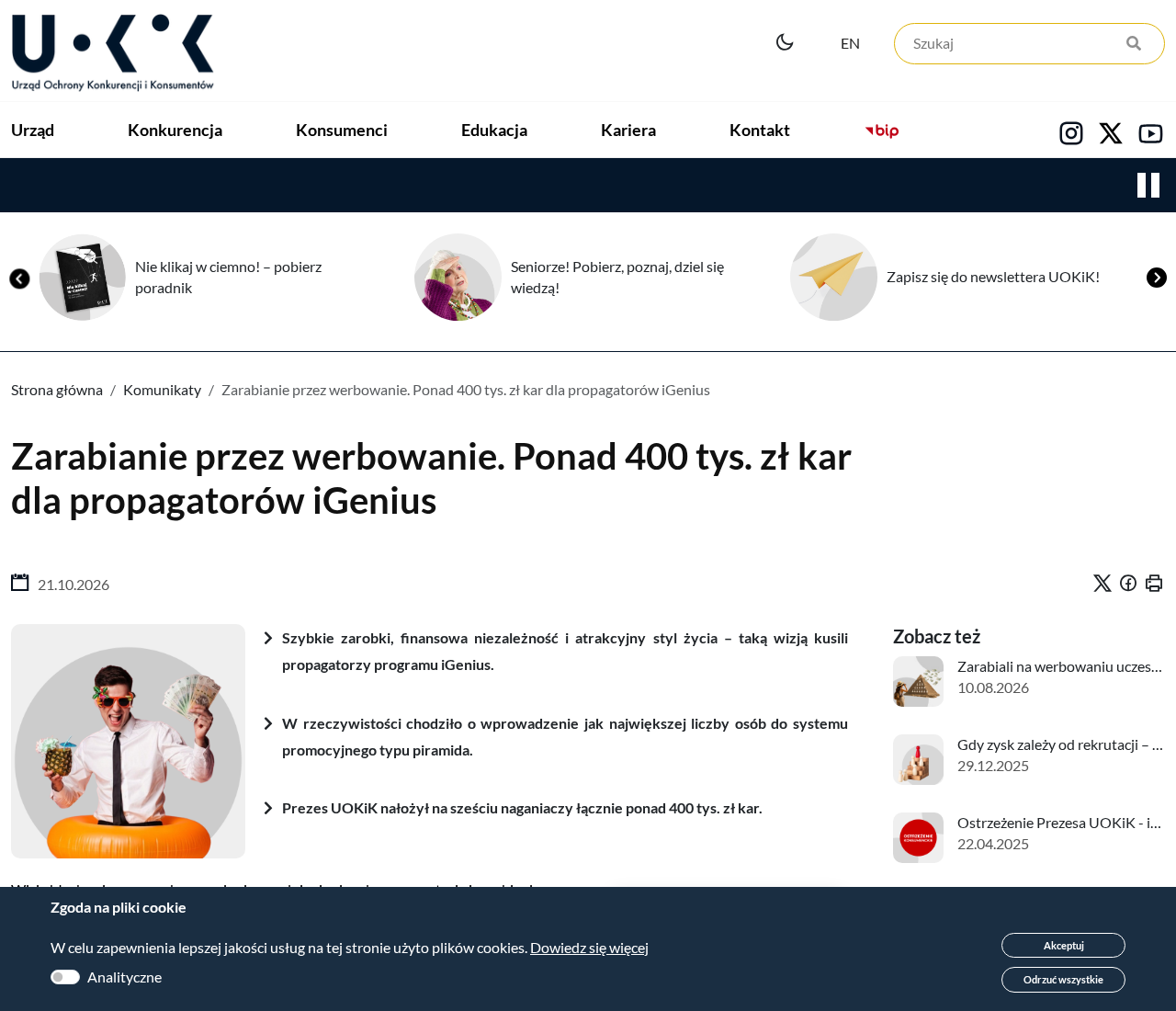
Overview
What the Polish regulator announced
On October 21, 2026, Poland’s consumer-protection authority, UOKiK, announced six decisions against promoters associated with GameChangers Polska and their promotion of iGenius.
The authority said the program’s real emphasis was recruitment into a pyramid-type promotional system rather than the educational products presented to prospective members.
The penalties totaled 413,000 zł. Importantly, the original announcement explicitly states that the six decisions are not final.
Why Conectiv belongs in the same conversation
UOKiK identifies iGenius LLC as having changed its name to Conectiv LLC and using conectivglobal[.]com. A different logo therefore does not erase the relevant history.
The announcement also notes that the company appealed an earlier decision against it and that the court case remains ongoing.
These are regulatory findings and proceedings, not a declaration that every member committed a crime or that every educational resource was fictitious.
The practical issue for somebody considering membership
- Separate the training you would receive from the income opportunity attached to recruiting or retaining participants.
- Ask what creates a commission, which purchases qualify, and what participation costs you must carry.
- Read the current agreement under the current legal company name.
- Do not treat travel photographs or rank celebrations as evidence of typical member profits.
- Keep the unresolved legal status clear when discussing the case or asking for a refund.
Do not join on the assumption that recruitment income will fund the lifestyle shown in promotional posts. The documented concerns go deeper than the branding.
How the iGenius Recruitment Funnel Was Presented
Step 1: Lifestyle content attracted attention before the terms did
UOKiK described social media content featuring exotic travel, attractive events, and the possibility of financial independence. The message offered a future, not merely access to lessons.
That distinction matters because the audience may evaluate the purchase emotionally before understanding its cost. Joining a successful-looking community can feel like the first step toward success.
A photograph cannot tell you who paid for the trip, whether the person made a net profit, or how representative their experience is.
Judge an opportunity using its ordinary participant outcomes and financial terms. Do not let a polished lifestyle become the evidence for an income claim.
Step 2: Educational products gave the offer a practical explanation
The authority described digital education, including live training, recordings, and materials available through a mobile application. The subject matter included investing and personal finance.
Those descriptions should not be replaced with a blanket claim that nothing educational existed. The concern was the role of recruitment in the arrangement.
For a prospective buyer, ask what you would purchase if the referral option disappeared. Identify the curriculum, instructor, access period, and skills the material actually teaches.
A product can have some educational value without making the attached earnings pitch reliable. Evaluate those questions separately.
Step 3: A referral link connected interest to enrollment
According to UOKiK, promoters encouraged people to register through their referral links. Further benefits were associated with acquiring and retaining additional users.
A link is not inherently suspicious. Ordinary businesses use referrals, but the incentive behind this particular link matters when judging the recommendation.
Ask whether the person inviting you receives compensation when you join, upgrade, or remain a customer. Understand what they gain from your decision.
Then ask what you would need to do to earn. Do not assume your role is simply learning about markets if the income plan depends on expanding a network.
Step 4: Events and ranks made progress visible
The regulator described events celebrating advancement and rewarding participants who reached particular ranks. Those moments can make the opportunity feel measurable and socially validated.
But a rank is an internal status, not necessarily a measure of financial well-being. Its meaning depends on the qualification rules.
Clarify whether advancement requires sales, personal purchases, team activity, or other conditions. Also establish which costs continue after the recognition event ends.
Do not confuse being applauded for progress with having earned more than you spent. Your own cash flow is the relevant measure.
Step 5: A new name required a fresh look at the same obligations
The change from iGenius to Conectiv creates a practical checking problem: somebody searching only the new brand may miss the earlier regulatory history.
Start with the legal entity and agreement, not just the webpage design. Compare the compensation rules, ongoing obligations, and cancellation route with what the promoter describes.
A rebrand can accompany real business changes. It does not establish that a disputed practice was corrected, or that a regulator approved the revised offer.
Ask which specific terms changed and where those changes are documented. A new color scheme cannot answer that question.
Company Names, Training Value, and Payment Responsibilities
The current brand should match an identifiable contracting company
UOKiK’s announcement links the former and current company names. Keep that connection with your purchase records rather than relying on an isolated brand screenshot.
Your receipt, agreement, support correspondence, and payment statement may use different descriptions. Record them before deciding that an unfamiliar descriptor represents a separate unauthorized payment.
If the names do not make sense together, ask the merchant to explain the relationship in writing. Do not let an individual promoter supply the only answer.
Training value should stand without the earnings opportunity
Look for an understandable syllabus, named teaching responsibilities, sample material, and clear access conditions. A general promise of financial education is not a complete course description.
Ask whether the material is suitable for your experience and location. A lesson about a financial market is not a guarantee that you can profit in it.
Compare the service with education sold without a recruitment plan. This makes it easier to see whether you want the training or mainly the hoped-for commissions.
The earnings agreement should explain every qualification
Before relying on a commission, obtain its actual rules. Check eligible transactions, payout timing, minimum thresholds, refunds, reversals, and any ongoing qualification requirements.
Do not assume that every plan requires personal purchases or that every purchase renews automatically. Establish what your particular agreement says.
If a presenter cannot explain the plan without a private enrollment call, do not fill the gaps with the most favorable interpretation.
Cancellation belongs with the party responsible for billing
Leaving a group, stopping promotional messages, ending an affiliate role, and canceling a paid service may be different actions.
Find out which organization handles each one. Keep written confirmation of the cancellation date and whether another charge is scheduled.
This article does not establish current plan prices or refund promises. Your order-date terms and actual payment records are the starting point for a specific billing request.
What the Enforcement Action Actually Establishes
The findings concern recruitment incentives, not just a controversial price
UOKiK’s concern was the structure and promotion of the opportunity. An educational product description did not answer its findings about recruiting participants.
This is different from simply deciding that a course costs too much. It asks what people were encouraged to buy and why they were encouraged to buy it.
A prospective member should therefore inspect the path to compensation, not just the list of training features. The feature list cannot settle the incentive question.
Non-final decisions must remain non-final in the reporting
The six administrative decisions should not be described as criminal convictions or final court judgments. The regulator expressly includes a qualification about their status.
The earlier company decision is also identified separately, along with an appeal and an ongoing court case. Do not merge those proceedings into a single supposed verdict.
At the same time, a pending challenge does not erase the regulator’s published findings. Readers can take the documented concerns seriously while retaining the procedural qualification.
Other programs are not automatically guilty by association
The announcement says some promoters moved to BE, or Better Experience, and another to UNIQ. It describes explanatory proceedings concerning those projects.
That is not the same as announcing a final finding against those businesses. Each offer needs its own evidence and assessment.
For readers approached with a replacement program, the useful question is whether the economics changed. Do not assume a new destination fixes the old problem.
How to Read an Earnings Pitch Without Getting Swept Along
Look for all participants, not only success stories
An earnings example needs context: how many people joined, how many earned nothing, how long they participated, and which expenses were excluded.
A gross commission figure is not personal profit. Subtract the payments and promotional costs you actually incur before comparing the result with ordinary employment or another business.
Also account for time. Hours spent producing content, answering inquiries, or attending events do not disappear because a presentation describes the income as flexible.
Do not borrow to make a qualification look affordable
A payment can feel manageable when somebody says future commissions will cover it. Your lender or card issuer still expects repayment if those commissions never arrive.
Build a budget assuming no referral income. If the purchase only works financially under the promoter’s optimistic example, the downside has been pushed out of view.
Declining the opportunity does not require disproving every claim. You can reject an unclear financial commitment without accepting the role of unpaid investigator.
What to Do If You Joined or Paid for the Opportunity
- Identify which agreements you actually entered.
Collect the education order, affiliate enrollment, renewal terms, and receipts. Do not assume they are one agreement because they were introduced in one conversation.
Write down the company name, plan, payment date, and ongoing obligations for each. This turns an emotionally confusing situation into a set of specific transactions.
- Preserve the promises that influenced your decision.
Save relevant posts, presentation slides, messages, earnings examples, and referral instructions. Record who made each statement and when.
Keep originals privately. Redact personal and payment information before sharing an example publicly or asking a community for help.
- Calculate your position using actual cash flow.
Total the payments you made, commissions you received, and expenses you incurred. Keep unpaid potential commissions and internal ranks out of the cash-received column.
If a promoter says you are close to breaking even, compare that statement with your own records before making another purchase.
- Cancel unwanted paid services through the appropriate route.
Send a clear written request using the merchant’s established channel. State the service you want ended and ask for the effective date.
Check whether the affiliate role and recurring billing need separate instructions. Preserve access to the records you may need before closing an account.
- Request a specific remedy rather than an open-ended conversation.
If you want a refund, identify the charge and explain the discrepancy between what was promised and delivered. Attach the relevant evidence.
A useful response should address that transaction. Another invitation to a motivation call does not resolve a written billing request.
- Ask the payment provider about unresolved transactions.
Explain accurately whether a charge was unauthorized, a renewal continued after cancellation, or the service differed materially from the documented offer.
Ask about deadlines and required evidence. Neither a regulator’s announcement nor this article guarantees a refund through every payment method.
- Use appropriate consumer assistance for your location.
For the Polish proceedings, start with UOKiK’s announcement and its linked consumer-help resources. The regulator’s penalties do not automatically decide an individual’s reimbursement.
Outside Poland, seek the relevant local advice for your agreement. Do not assume that the same procedure or legal consequence applies worldwide.
- Correct unsupported claims you passed to others.
If you shared guaranteed-income messages, stop repeating them and provide the people affected with the actual terms and current regulatory information.
Do not recruit somebody else to recover your own spending. Their purchase would create another person’s financial commitment, not resolve the original problem.
Frequently Asked Questions
What did UOKiK say about iGenius?
It found a recruitment-centered pyramid-type promotional system behind the educational presentation and announced six decisions against promoters in October 2026.
The announcement also states that those decisions are not final.
Is Conectiv unrelated because it has a different name?
UOKiK identifies the company-name change from iGenius LLC to Conectiv LLC and the current platform domain. Do not evaluate the new branding without that history.
Did the regulator say that no educational material existed?
No. Its announcement describes educational products and services. The central finding concerns the recruitment-focused opportunity, not a blanket claim that every lesson was imaginary.
Were all the promoters criminally convicted?
This announcement concerns administrative decisions and penalties, not criminal convictions. Reporting should preserve that distinction and the stated non-final status.
Do the fines guarantee that my membership fee will be refunded?
No. Address your own transaction through the merchant, payment provider, and appropriate consumer-assistance route. Keep the agreement and supporting evidence.
Should I move to another program recommended by the same person?
Do not assume a replacement solves the problem. Evaluate its actual product, incentives, costs, and written agreement independently before committing money.
The Bottom Line
Do not join iGenius or Conectiv for lifestyle posts or expected recruitment income. UOKiK’s findings concern the underlying incentives, not merely an outdated company name.
If you already paid, document your real costs, cancel unwanted services in writing, and pursue the specific billing issue. Keep the non-final legal status clear.

Join the discussion
0 commentsShare your experience or ask a question about this article.
Discussion
Start the conversation
Have a question or something useful to share? Add the first comment.