


You only need the car for an afternoon. An Instagram account with a familiar-looking name offers to arrange the cover before you pick up the keys.
Short-term car insurance is real. The problem is working out whether the person selling it can actually put you on a policy.
Overview
CheapCuva is not another way to buy Cuvva cover
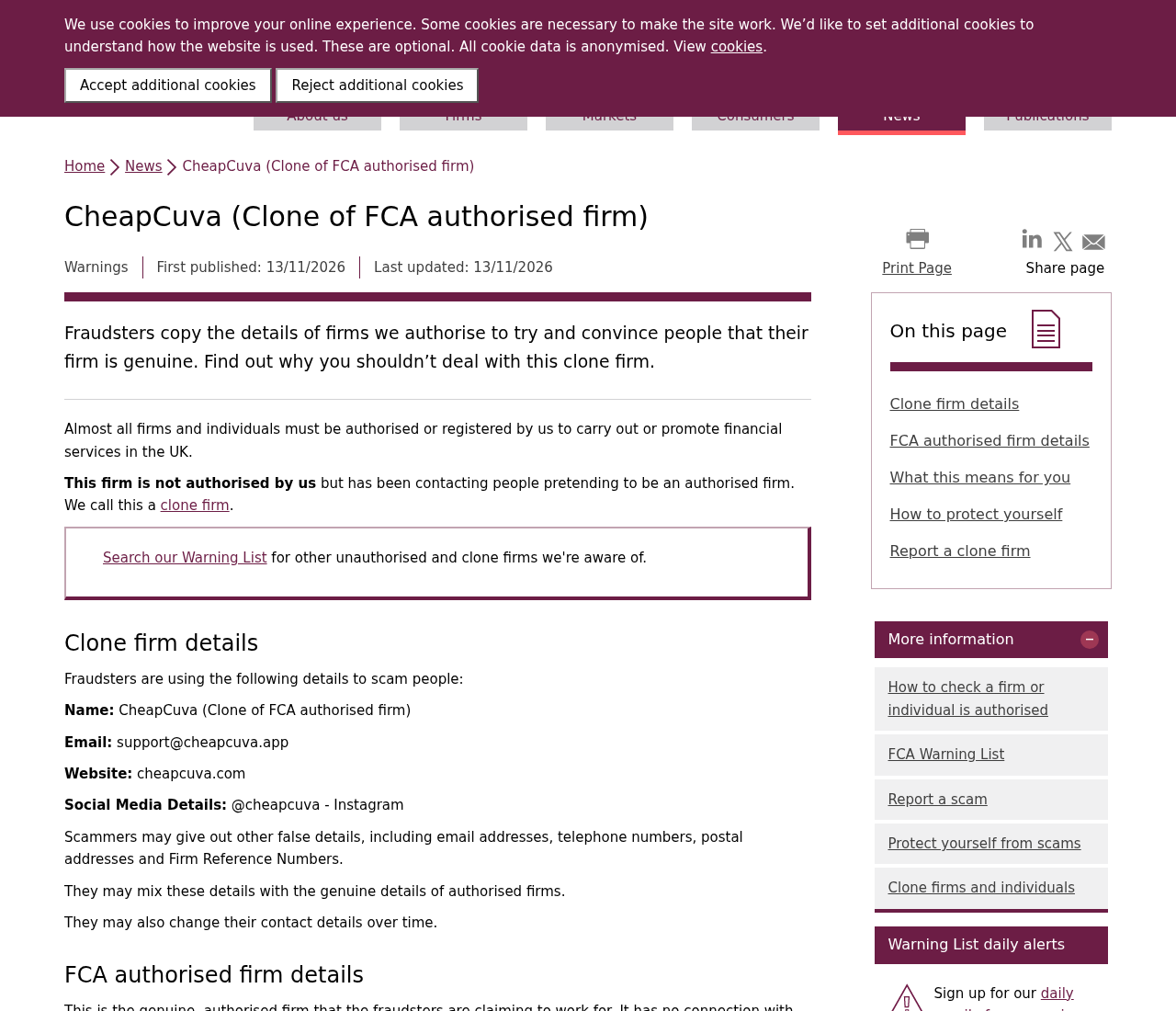
The Financial Conduct Authority identifies CheapCuva as an unauthorised clone of Cuvva Limited. Its warning names cheapcuva.com and the Instagram account using the CheapCuva name.
Cuvva Limited is the genuine firm. It spells its name with two v’s and lists temporary insurance on cuvva.com. The FCA says it has no connection with the clone.
An authentic FCA reference can appear in a fake offer
Cuvva Limited’s firm reference number is 690273. That number identifies the regulated firm. It does not tell you whether the person in a message works for it.
The most useful check is to find the genuine firm’s contact details yourself. Then ask it to verify the exact offer or policy, without involving the person who sent it.
The immediate risk is making a trip without valid cover
CheapCuva is not just a question of losing the premium. A driver who trusts the wrong certificate may take the car out before confirming the right person is insured.
If you already arranged to collect or move a car, stop there. Check the specific driver, vehicle, start time and intended use before driving.
- Don’t pay CheapCuva or continue the quote through the Instagram account named in the warning.
- Check the policy with the genuine firm using its own contact channel.
- Already transferred money? Contact your bank rather than waiting for a replacement PDF.
- Save the messages, documents and payment reference before sending a report.
How the CheapCuva Scam Works
Step 1: A familiar name gets you past the first question
You may know the real Cuvva name from temporary cover, or be seeing it for the first time while trying to borrow a car. CheapCuva exploits the resemblance.
The missing v is a useful clue if you can compare the domains side by side. It is easy to miss when you only see a display name.
What settles this case is not the spelling alone. The FCA’s CheapCuva warning, dated November 13, 2026, identifies both the web address and the Instagram account.
The warning says the clone has been contacting people while pretending to be authorised. It does not show the full exchange with any one customer.
Step 2: The seller can point you toward details that look right
When a financial quote looks suspicious, asking for a firm reference number feels like due diligence. A fraudster can give you the real firm’s public number.
Searching 690273 and finding Cuvva Limited would establish that the genuine entry exists. It would not verify that the person offering cover can act for Cuvva.
The FCA warns that clones can mix genuine and false details, then replace their contact information. One matching line does not excuse the rest of the mismatch.
A link supplied by the seller can even point to a genuine regulator page. The page can be real while the claim about who sent it is false.
Step 3: A paid quote can feel like permission to drive
The amount charged is not the critical fact once a trip is planned. You need to know whether an insurer has actually issued cover for you and the car.
The CheapCuva notice does not establish whether a particular payment produced a forgery, a policy set up with incorrect details or no policy at all.
Those outcomes are known risks in ghost broking. The real Cuvva explains the difference in its guide to car insurance fraud.
They have the same immediate answer for the driver. Do not move the car on the strength of a receipt, a screenshot or the supposed broker’s reassurance.
What the Genuine Cuvva Process Looks Like
The real provider’s site presents short-term insurance for actual drivers and vehicles. Its published terms describe its short-term motor insurance as cover lasting one hour to 28 days.
That range explains why an offer for a single evening can sound plausible. A short duration is not a red flag when the insurer and policy can be verified.
Start at the genuine service through a route you found independently, not a link in a quote. Use its own help channel if you need to verify a document.
Cuvva’s terms say purchases are completed in its app. An offer to take your payment in a direct message does not fit that process.
Its terms also say you use the app to buy cover for yourself. Someone offering to set up a Cuvva policy for you is contradicting the stated purchase process.
Look for the insurer named on the certificate and the authorised firm that arranged the policy. These may be different because selling and providing insurance are not the same job.
Ask the genuine provider whether it can match the policy reference. Have the vehicle registration, driver’s name and scheduled period ready for that conversation.
A certificate that contains your name and registration proves only that someone typed them. What matters is whether the actual policy exists and reflects those details.
Cuvva’s terms say a payment authorisation can be followed by a failed purchase if final checks do not clear. A pending card charge is not your policy confirmation.
If you reached the genuine app and it shows a failed purchase, contact Cuvva through the app. That is different from having sent money directly to the clone.
The terms also say purchased short-term Cuvva policies cannot be amended to cover a replacement vehicle. If the car changes, get a valid new policy before setting off.
The contact channel matters more than the screenshot of a register
Open the regulator’s warning separately and compare all three fields: the provider’s name, its own web address and the channel where the offer appeared.
Then look up the genuine firm’s contact details from the regulator. Don’t ask the social account to connect you to a colleague who can confirm it.
If you have a document with a number for claims, verify who that number belongs to before sharing it or calling. Use contact details supplied independently by the insurer.
How to Check Whether the Trip Is Covered
Check your own policy, not just the vehicle’s status
A borrowed car can already have insurance in the owner’s name. That policy being active is not an answer to whether you are allowed to drive it.
In the UK, the Motor Insurers’ Bureau offers a vehicle insurance check using Navigate, the central record of insured vehicles.
Use it as a check on the car, not the final verification of your temporary policy. It cannot replace asking who is insured to drive, when and for what.
The MIB says a new policy may take time to show up. That is a reason to speak to the genuine provider, not to trust an unverifiable certificate.
Read the start and end times, not just the dates
If you booked cover for the evening, check when it begins. A genuine policy that starts later does not cover the earlier trip to collect the vehicle.
Check the end time against the actual return journey. A change of plans can put the last leg outside the period you booked.
Read the allowed use too. A policy that covers one purpose may not cover a different trip, such as driving for work.
If the person selling the cover says a detail can be changed after you set off, wait. Get a correction and confirmation from the genuine provider first.
Separate the price from the cost of getting it wrong
A cheap quote is not automatically false. Compare legitimate alternatives after you know who is selling each one and what the cover actually includes.
Pressure to pay before an appointment or pickup is a bad reason to skip the check. Changing a collection time is easier than dealing with a coverage dispute.
This is also why a discount code, a comment from a friend or a receipt from a bank does not settle the question. None creates an insurance contract.
If your next task is a test drive, tell the dealer you are checking cover and ask whether it offers its own arrangements. Don’t let the appointment decide the answer.
If you are buying a car and bringing it home, delay collection or arrange transport while you sort out valid cover. Paying an impostor will not make the journey safe.
What to Do If You Dealt With CheapCuva
- Do not drive until a genuine insurer or authorised provider confirms cover for you, the vehicle and your planned journey.
- Save the original conversation, policy file, website or profile name, and payment details. Keep originals even if you also make redacted copies for a report.
- If you paid, call your bank or card issuer’s fraud team from its official app or the number on your card. Explain how you authorised the payment.
- If you sent documents, note exactly which ones. Ask your bank and the document issuer how they recommend limiting identity misuse.
- Report the contact through the FCA’s official channel. Report the account to the platform and include the regulator’s notice when the form allows.
- If there was an accident or enforcement contact, seek appropriate advice promptly and provide the real policy and payment records, not the seller’s assurances.
If the payment has already left your account
Don’t wait for the seller to send a revised policy or promise a refund. Contact the bank as soon as you realise the genuine firm cannot confirm cover.
Explain whether you made a bank transfer, entered card details or see a payment you never authorised. The bank needs that distinction to handle your report correctly.
Write down the time you spoke to the bank, the reference it gave you and the evidence it requested. That is more useful than another promise from the seller.
UK protections for some scam transfers depend on the circumstances and payment method. Ask the bank what process applies, what evidence it wants and when it will respond.
The FCA notes that the clone itself does not give you the same Ombudsman or FSCS protection as dealing with the authorised firm. That is separate from banking remedies.
If you shared a licence photo or application details
A quote may have exposed more than the premium. Record whether you sent your driving licence, address, date of birth, vehicle registration or a picture of proof of address.
Look for unfamiliar credit searches, new accounts and unexpected correspondence. The UK Information Commissioner’s identity theft guidance explains who to contact about stolen details.
Do not send a second copy of your licence to fix a supposed error in the first one. End the conversation and secure the information you already shared.
If you sent only a quote request, the steps are different from a disclosed password or card number. Describe the actual exposure when you contact any organisation for help.
If someone else booked for you
A parent or friend can forward a PDF in good faith. Ask where it came from. For a purported Cuvva policy, remember that customers must buy for themselves.
Don’t accept the same screenshot one more time as verification. Check the named driver and vehicle yourself before assuming the purchaser arranged the right cover.
Tell the person who sent it why you stopped the trip. They may still be within reach of their bank and can share the conversation that you did not see.
If the payment was made from their account, the bank will likely need to hear from them. Ask them to keep their original confirmation and not delete the chat.
Frequently Asked Questions
Is CheapCuva the same firm as Cuvva?
No. The FCA named CheapCuva as a clone and identifies Cuvva Limited as the genuine authorised firm with no connection to it.
Does firm reference number 690273 make the quote genuine?
No. It belongs to Cuvva Limited. Use the firm’s independently verified contact details to confirm who issued the quote and whether it exists on their system.
Does an insurance certificate mean I can drive?
Only if the policy is valid and covers the driver, vehicle, time and use. When the seller is in doubt, confirm those details with the genuine provider before driving.
What if the car appears insured in Navigate?
The car can have someone else’s cover. Check your own permission to drive and the hours of your policy directly. A database match is not enough.
What if I paid through a bank transfer?
Tell your bank’s fraud team promptly and save the payee, transaction reference and quote. Ask which reimbursement process applies without assuming your payment is automatically covered.
Should I message the Instagram account to cancel?
No. That keeps you talking to the account the FCA identified. Keep the chat, contact your bank if you paid, and use the FCA’s route to report it.
The Bottom Line
Do not buy insurance from CheapCuva. The FCA has identified it as a clone, and the genuine Cuvva’s firm number does not make the clone an authorised seller.
If you’ve paid or been sent a certificate, don’t drive on it. Check the cover directly with the genuine provider, contact your bank and report the actual contact details.

Join the discussion
0 commentsShare your experience or ask a question about this article.
Community experiences
Did this happen to you?
Your experience could help someone recognize the same scam. Submit a private report for our team to review.
I experienced this tooReports are reviewed before publication. Sharing publicly is always your choice.
Discussion
Start the conversation
Have a question or something useful to share? Add the first comment.