


An investment proposal may give you a name you can search and a company number that comes back as active. That feels like a useful first check.
It only answers whether a company exists. It does not tell you who sent the proposal or where the money would go.
Overview
ASIC flags an exact domain, not the real Australian firm
ASIC’s MoneySmart alert lists de-capitalus.com as an impostor using the name of HMC Capital Investments Limited. The entry is dated November 12, 2026.
This is a warning about a site impersonating a company. It is not a warning that people should mistake the actual HMC Capital group for the site in the notice.
The company registration is real, but it belongs to someone else
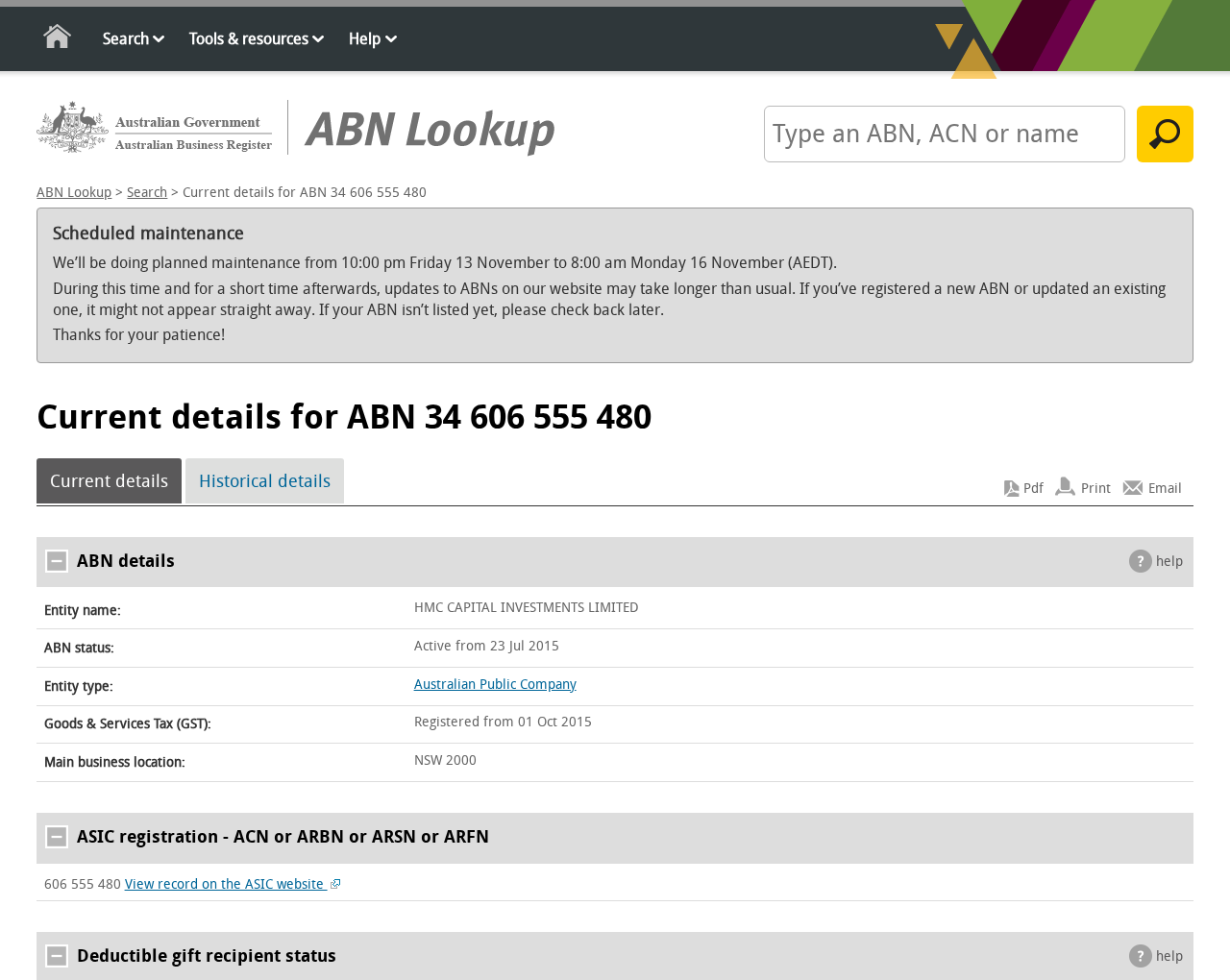
The Australian Business Register shows an active record for HMC Capital Investments Limited. Its ABN is 34 606 555 480. Those details can be copied.
Compare that with the official HMC group website, hmccapital.com.au. Its own terms identify HMC Capital Limited as the site operator, with a different ABN: 94 138 990 593.
The decision comes before any transfer
Do not transfer money or send identification through the listed site. To check a separate proposal, contact HMC through details you find on its official site.
Ask about the exact product, legal issuer and authorised payment route. Finding a group website or a familiar investment theme is not confirmation of those three particulars.
- Match the complete web address, not the words “HMC” and “Capital” on a page.
- Use ASIC’s listing to identify the impostor and the ABR to identify the genuine company.
- Keep any prospectus or instructions as evidence. Do not use their contact details to verify them.
- If you paid, contact the sending bank’s fraud team promptly and keep the transfer receipt.
Where the Impersonation Is Confirmed
The MoneySmart Investor Alert List names de-capitalus.com and uses its “Imposter” classification. Search the complete domain if the visible list has moved on.
That classification matters. A warning that an operator is unlicensed is not the same assertion as a warning that it is adopting a real company’s identity.
The regulator’s row names HMC Capital Investments Limited. Do not shorten that name when looking for the company record. The shorter name can send you to the group’s listed parent.
The row does not publish an interest rate, a sales script, a recipient bank account or the number of people approached. None is necessary to avoid the flagged site.
Read the domain from right to left if a link seems unfamiliar. The last part of the site’s name should match the actual address that the genuine group publishes.
What you paste into an alert search should be the address, not an account token or a personalized link. Do not reopen a suspicious page just to collect evidence.
Three Records That Answer Three Different Questions
The ABR record tells you whether the named company exists
Look up ABN 34 606 555 480 in ABN Lookup. It is an active Australian public company record with the name specified in the regulator’s alert.
The Australian Business Register also links its company number, 606 555 480. A match between these records is a check on the business record, not the caller.
Anyone can include those numbers on an email signature or extract. Do not treat the act of sending you an accurate company number as a test of credibility.
The ABR record dates the active ABN to July 2015. That does not date the website ASIC flagged, and it does not establish the length of its trading history.
The genuine website shows who runs it and how to reach them
On the HMC Capital site terms, the operator is HMC Capital Limited. The terms cover the site for that company and its related bodies corporate.
The site identifies the group as an ASX-listed asset manager under HMC. Those shares and funds belong to the world of the genuine group, not the impostor domain.
Use the official contact page to ask about a proposal. Go there independently, not by following an email asking you to approve a transfer.
The genuine page lists separate investor relations and registry contacts. Start with the published contact relevant to the offer, not a name you found in an attachment.
Even if an email looks like it came from the right domain, do not verify the offer by replying to the same thread. Make a fresh contact.
A licence and offer documents have to match the activity
An ABN tells you about an entity, not the products it may sell. In Australia, check the provider’s permissions or authorisation in ASIC’s applicable financial services register.
There may be separate names for the fund, its issuer, a manager and the firm providing advice. Which one matters depends on what the seller says it will provide.
MoneySmart’s investment checking guide explains what to compare in the registers and when to obtain an official product disclosure statement or prospectus.
Ask whether the firm actually issued the offer and accepts your type of application. A real fund may not be open to you or through the contact you received.
Use a Real HMC Fund as a Comparison, Not a Recommendation
The Investor Centre links the Financial Services Guide. The guide identifies HMC Capital Investments Limited as a wholly owned subsidiary and lists its licence as AFSL 478061.
It also identifies that company as the responsible entity for HMC Capital Partners Retail Fund 1. That is a real product name you can check separately.
The group’s target market document matches the fund to the issuer’s ABN and licence. It gives the fund its own registered scheme number: 666 525 677.
Try keeping the issuer, licence and scheme number in separate fields. They identify different things. Copying one correctly does not authenticate the others or the person collecting payment.
A target market document describes who a product may be intended for. It does not tell you that a link someone sent will take you to the official application.
The issuer’s product disclosure statement explains what the responsible entity and manager do. Find it on the official site rather than opening a copy forwarded by the contact.
None of these fund documents is evidence that the impostor used this product as its pitch. The example shows what a genuine identity chain looks like beside the alert.
Check whether the offer uses the right kind of document
A proposal to invest in a managed fund is different from an invitation to buy shares in the listed group. Don’t use one document to verify the other.
If you’re told a form is old but the instructions are new, get them both from the issuer. A genuine document with substituted instructions is unsafe to use.
Read the issue date, product name and identity of the issuer on each document. Check for updates from the same source rather than piecing together copies from search results.
Do not rely on fund identifiers printed here to place a trade or send money. They help show what to compare, not which investment is suitable for you.
If the proposal uses the HMC name without specifying a product, ask the genuine firm’s investor team whether it recognises the solicitation. Do not forward sensitive material until asked securely.
If it does not recognise the proposal, there is no reason to keep discussing it with the original sender. Save the reply as part of your record.
Why the Payment Instructions Need Their Own Check
Many investor checks stop with a corporate name. The risk arrives later, when a document names a bank, beneficiary or payment reference and asks for a transfer.
Check those details with the genuine provider through a channel you opened. Do not rely on a confirmation from the sender, their colleague or a contact inside the same PDF.
Ask why a beneficiary differs from the issuer if the proposal names different entities. Some genuine products use administrators, but the actual issuer must be able to explain the arrangement.
Someone may say you need to transfer before an offer closes. A closing date is only meaningful once you know the offer exists and the instructions are from its issuer.
Do not send a small transfer to see whether an invoice or portal acknowledges it. That tells you about the party receiving the money, not whether it is authorised.
Do not copy bank details from a screenshot or from this article. Your own product and circumstances determine any legitimate payment instructions, which should come from the verified provider.
Check the payment’s currency as well as the payee. The letters in a domain do not by themselves show which country or institution would receive the transfer.
If you have already saved a beneficiary for an unverified offer, remove it from your own saved payees after preserving its details for the bank or authorities.
What to Do If You Received an HMC Capital Impersonation Offer
- Stop sending funds or documents. Do not use a link or callback number from the offer to check whether the contact is real.
- Keep the original proposal, email sender, message history and exact website. Note which details the sender said belonged to HMC.
- If you paid, contact the sending bank immediately. Give the exact destination, amount, reference and time, and ask about a hold or recall.
- List identity documents you sent. Ask your bank, issuing authority or an identity support service which protections fit what you shared.
- Report the activity to the appropriate authority. In Australia, use Scamwatch and the reporting route appropriate to the incident. Notify the genuine company independently.
If you have a signed proposal but did not pay
Tell the genuine provider what happened using its verified channel. Keep the signed document so it can see how its name was used, without redistributing it publicly.
A signature or approval is not a reason to complete payment. Do not accept an explanation that you owe a separate cancellation charge just to stop.
Check what information the document contains. A signature, address and identity number raise different concerns from a proposal you read but never returned.
If you sent money
Ask the bank to record the issue as suspected investment impersonation. Tell it whether you made the transfer yourself or found a transaction you did not approve.
If there were several payments, provide each transaction record. An overview figure alone can hide a smaller transfer that went through a different institution.
Ask for the bank’s case reference and when to follow up. A recall request is not a reversal. Keep any confirmation before treating the matter as resolved.
Australia’s Scamwatch response guide explains how to contact your financial provider, get identity support and report a scam.
If you sent proof of identity
Tell the organisations you contact what the impostor actually has. The response to a copy of a licence is different from the response to a disclosed bank password.
Use an independently opened banking session to review access and check for transactions. If you shared a password, secure the accounts where it was used.
Watch for a new contact claiming to help with the refund. They may know details of the original approach. That does not make their claim of recovery genuine.
Keep renewals and routine investor communication separate from the suspicious contact. You don’t need to disrupt existing legitimate investments to report someone who borrowed a group name.
If you receive a follow-up purportedly from the registry, find that registry through the genuine Investor Centre. A correct shareholding reference alone does not authenticate a message.
When you report what happened, preserve the exact spelling of the domain and how it was sent. That helps distinguish this alert from another company using a similar name.
Frequently Asked Questions
Is de-capitalus.com an official HMC Capital website?
No. ASIC’s MoneySmart alert identifies it as an impostor using HMC Capital Investments Limited’s name. The genuine group site is hmccapital.com.au.
Is HMC Capital Investments Limited a real company?
Yes. It has an active Australian Business Register entry. The alert is about its identity being used by an impostor, not the existence of the real company.
Does a matching ABN prove an email is genuine?
No. The identifier is public. Check who sent the offer and whether the genuine firm acknowledges it through its independently published contact details.
Is HMC Capital Limited the same name as HMC Capital Investments Limited?
No. They are different legal names with different ABNs. The company named in the impersonation alert is HMC Capital Investments Limited.
Did ASIC publish specific rates or victim losses for this site?
The alert entry identifies the impersonation and the website. It does not specify a rate, particular payment instructions or losses in this case.
Who should I call first if I paid?
Call the fraud team at the institution that sent your money. Give it the payment reference immediately, then keep a copy of the instructions and make your report.
The Bottom Line
Do not invest through de-capitalus.com. ASIC identifies it as an impostor, and a copied registration number does not give it authority to accept your money.
If you already transferred funds, call the sending bank now. For any separate offer, verify the exact issuer and payment instructions through HMC’s genuine contact route before going further.

Join the discussion
0 commentsShare your experience or ask a question about this article.
Community experiences
Did this happen to you?
Your experience could help someone recognize the same scam. Submit a private report for our team to review.
I experienced this tooReports are reviewed before publication. Sharing publicly is always your choice.
Discussion
Start the conversation
Have a question or something useful to share? Add the first comment.