

When it comes to managing software and applications on your computer, it’s important to understand what each program does and whether or not it is necessary for your system’s functionality. One such program that you may come across is the Citrix Online Launcher. In this article, we will explore what the Citrix Online Launcher is, its purpose, and whether or not you should consider removing it from your computer.
What is Citrix Online Launcher?
The Citrix Online Launcher is a component of the Citrix Online Plugin, which is a software application developed by Citrix Systems. Citrix Systems is a leading provider of virtualization, networking, and cloud computing technologies. The Citrix Online Plugin allows users to access and run applications hosted on remote servers through a virtual desktop interface.
The Citrix Online Launcher is responsible for launching and managing the virtual desktop sessions. It provides the necessary tools and resources for users to connect to remote servers and access their applications securely. The launcher ensures that the virtual desktop environment is properly set up and maintained, allowing users to work seamlessly with remote applications.
Why is Citrix Online Launcher Installed on My Computer?
If you find the Citrix Online Launcher installed on your computer, it is likely because you or someone with administrative privileges installed it intentionally. The Citrix Online Plugin, including the launcher, is commonly used in enterprise environments where employees need to access applications hosted on remote servers. It provides a secure and efficient way to connect to these applications without the need for physical hardware or complex network configurations.
Organizations that utilize Citrix technology often deploy the Citrix Online Plugin to their employees’ computers to enable remote access to company resources. This allows employees to work from anywhere, using any device, while maintaining a consistent and secure computing environment.
Should I Remove Citrix Online Launcher?
Whether or not you should remove the Citrix Online Launcher depends on your specific needs and usage of your computer. Here are a few factors to consider:
1. Do You Use Citrix Applications?
If you regularly use Citrix applications to access remote servers or virtual desktops, it is recommended to keep the Citrix Online Launcher installed. Removing it may prevent you from accessing these applications and hinder your ability to work remotely.
2. Do You Experience Performance Issues?
In some cases, the Citrix Online Launcher may consume system resources and impact the performance of your computer. If you notice significant slowdowns or experience performance issues while using your computer, it may be worth considering removing the launcher. However, it is important to note that removing the launcher may also prevent you from accessing Citrix applications.
3. Do You Have Security Concerns?
While the Citrix Online Launcher is generally considered safe and secure, it is always important to evaluate the security risks associated with any software installed on your computer. If you have specific security concerns or suspect that the launcher may be compromised, it is advisable to remove it from your system.
How to Remove Citrix Online Launcher?
If you have decided to remove the Citrix Online Launcher from your computer, there are a few methods you can use:
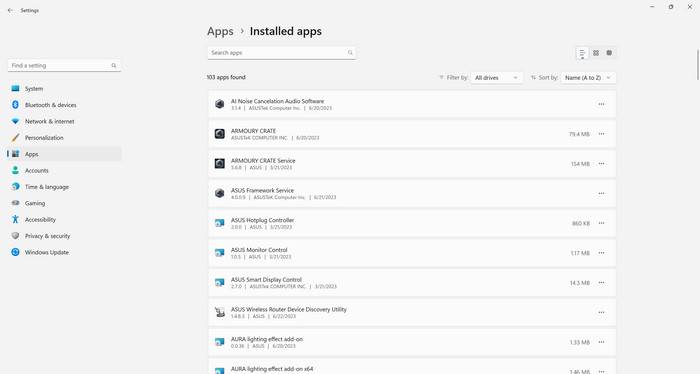
- Uninstall through Control Panel: You can uninstall the Citrix Online Plugin, including the launcher, through the Control Panel on your Windows computer. Simply navigate to the “Programs and Features” or “Add or Remove Programs” section, locate the Citrix Online Plugin, and click on the “Uninstall” button.
- Use an Uninstaller Tool: To ensure a complete removal of the Citrix Online Launcher and its associated files, you can use an uninstaller tool like Revo Uninstaller Free. Uninstaller tools can help you remove any leftover files or registry entries that may be left behind after a standard uninstallation.
It is important to note that removing the Citrix Online Launcher may impact your ability to access Citrix applications. If you rely on these applications for work or other purposes, it is recommended to consult with your IT department or system administrator before proceeding with the removal.
Conclusion
The Citrix Online Launcher is a component of the Citrix Online Plugin, which allows users to access and run applications hosted on remote servers. Whether or not you should remove the launcher depends on your specific needs and usage of your computer. If you regularly use Citrix applications, it is recommended to keep the launcher installed. However, if you experience performance issues or have security concerns, removing the launcher may be a viable option.
Before removing the Citrix Online Launcher, it is important to consider the potential impact on your ability to access Citrix applications. If you decide to proceed with the removal, you can use the Control Panel or an uninstaller tool like Revo Uninstaller Free to ensure a complete removal.
Ultimately, the decision to remove the Citrix Online Launcher should be based on your specific circumstances and requirements. It is always advisable to consult with your IT department or system administrator for guidance and support.

Join the discussion
0 commentsShare your experience or ask a question about this article.
Discussion
Start the conversation
Have a question or something useful to share? Add the first comment.