


Coffee Burn promises a simpler morning routine, more energy, and help with stubborn weight. The polished pages make choosing a package feel like the easy part.
Before buying several bottles, though, it’s worth following where the order button goes and checking who would actually stand behind the purchase.
Overview
Coffee Burn’s promotional pages are not the checkout
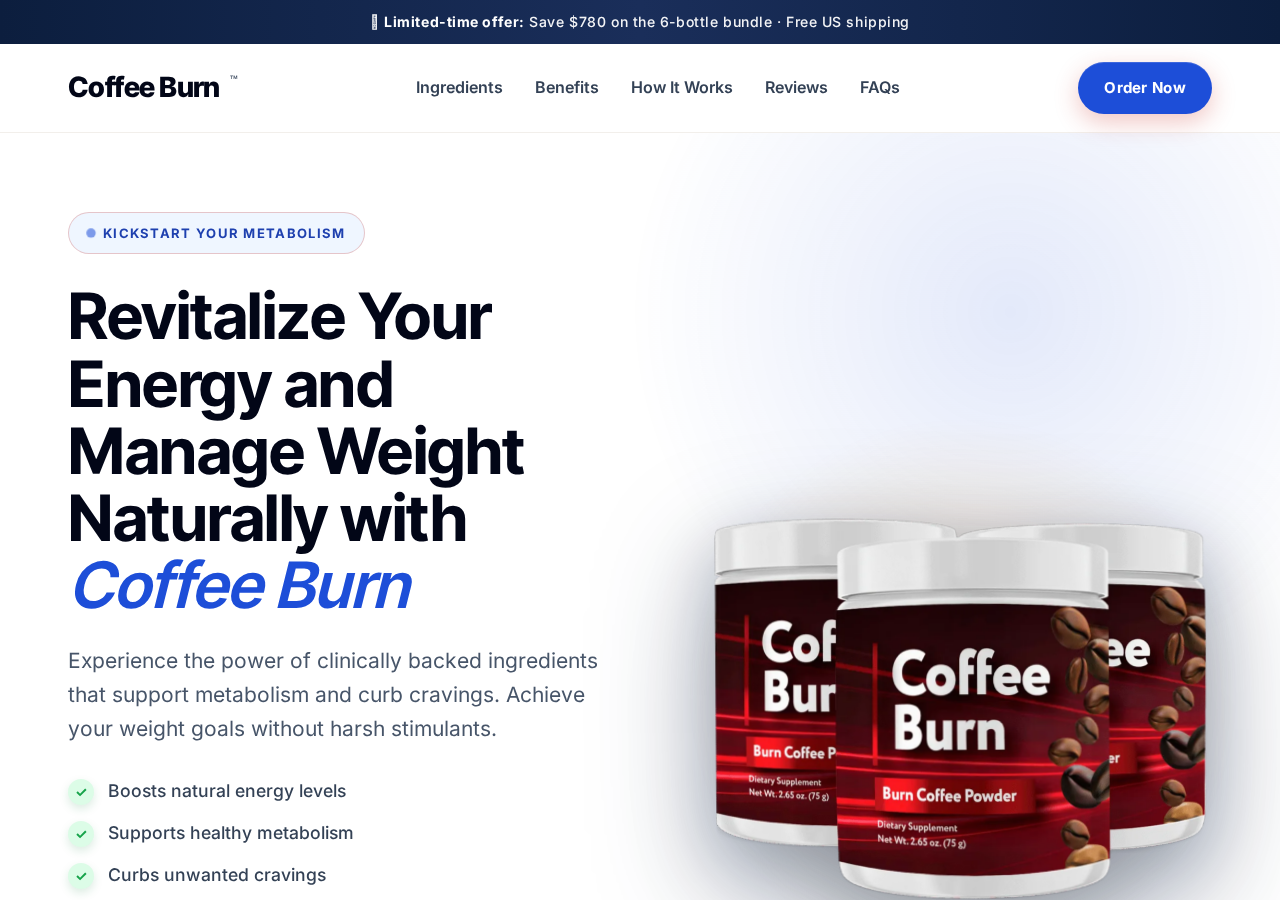
Coffee Burn is promoted as a weight-management supplement. The connected affiliate page advertises metabolism support, fewer cravings, and steady energy, with larger packages receiving lower per-bottle prices.
That page also discloses commission-based links. Its terms say another business handles payments, fulfillment, customer service, and refunds.
The distinction matters: a convincing review page cannot settle what the seller will charge, what the bottle contains, or which return conditions cover your order.
The original link and an accessible affiliate lead to the same destination
The promotional link at healthdesiretips[.]com/coffee-burn-get passes through referral-tracking services before reaching cleanhealthfuture[.]online/cbn-lp-buy-aff-fxx/.
An order link on en-en-coffeeburn[.]com reaches the same purchase destination. The referral paths differ, but both lead toward that final offer.
That purchase page wouldn’t open. Without it, buyers can’t check the cart, complete label, recurring-payment consent, or merchant terms behind the affiliate’s recommendation.
The buying decision should wait for those missing details
This is a buyer-risk investigation, not a finding that every Coffee Burn purchase is fraudulent. The practical recommendation is to avoid this route until the actual offer is clear.
- Compare the full package charge, not just the lowest bottle price.
- Obtain the complete label and ingredient amounts for the product being shipped.
- Read the seller’s own refund and cancellation conditions before entering payment details.
- Identify the legal merchant and a usable support channel from the actual transaction documents.
How the Coffee Burn Sales Funnel Works
Step 1: A familiar weight-loss goal opens the conversation
The promotion starts with frustrations many readers recognize: low energy, unwanted snacking, and weight that seems resistant to ordinary efforts.
A scoop-based supplement offers an appealing contrast to another complicated plan. It suggests a small daily change rather than a complete rearrangement of your life.
That’s a marketing proposition, not a measurement of effectiveness. Feeling understood by an advertisement doesn’t tell you whether its product produces meaningful, lasting results.
Keep the promised outcome separate from the proposed routine. A powder can be convenient to use without delivering the weight changes its surrounding copy encourages you to expect.
Step 2: An editorial-looking page builds confidence
The accessible page presents an editorial team, research-checking labels, customer ratings, ingredient explanations, and testimonials alongside order buttons.
Those features make the page look like purchase guidance. Its affiliate disclosure adds an important piece of context: purchases through its links may generate a commission.
Affiliate marketing is not inherently fraudulent. But a financially interested recommendation should not be mistaken for an independent clinical evaluation or a verified account of every customer’s experience.
Read the legal pages before treating the review language as a guarantee. Here, the site says its information may differ from the manufacturer’s current offer.
Step 3: Ingredient research is used to support the finished-product pitch
The page lists green tea extract, green coffee bean extract, L-carnitine, L-theanine, chromium, and vitamin D3. These are advertised ingredients, not an independently authenticated bottle analysis.
Research links and familiar ingredient names can make the formula sound settled. The missing question is whether the exact finished product, at its actual doses, delivers the advertised benefit.
A PubMed search page helps you find studies. It isn’t a Coffee Burn trial and doesn’t establish that a cited ingredient matches this formula.
A useful study should identify the tested preparation, dose, participants, comparison group, duration, and outcome. Without those connections, the research remains background rather than product-specific proof.
Step 4: The lowest unit price encourages a larger commitment
The affiliate page advertises two bottles at $79 each, three at $69 each, four at $69 each, and six at $49 each.
Those figures produce package totals of $158, $207, $276, and $294, respectively. The two-bottle offer adds shipping; the larger displayed packages advertise free US shipping.
The six-bottle package has the lowest advertised unit price, but it also commits substantially more money than the starter package. Lower unit cost is not lower financial exposure.
These are promotional figures, not a verified final checkout quote. Taxes, eligible destinations, optional additions, and the actual charge must be checked where payment is collected.
Step 5: Tracking redirects hand the purchase to another page
The order button leaves the affiliate website and passes through tracking links. Tracking commonly records which promoter referred a purchase; multiple domains alone do not establish theft.
The concern here is more concrete: the final destination did not load, so the seller’s purchase conditions could not be compared with the affiliate’s promises.
If the purchase page won’t open, stop rather than entering payment details elsewhere. A connection problem alone doesn’t tell you whether a product is genuine or fraudulent.
Don’t solve an inaccessible checkout by following a random replacement offer. Another Coffee Burn page may sell a different formula, package, or product under a similar name.
What the Weight-Loss Claims Actually Tell You
Small ingredient effects are not dramatic product results
The NIH weight-loss supplement fact sheet describes limited evidence for many ingredients and possible small effects for some, including green coffee extract and carnitine.
That is a long way from demonstrating that this particular mixture will produce a substantial change for you. Combining researched ingredients does not automatically combine their reported effects.
Different extracts, concentrations, daily amounts, and study conditions can change what a comparison means. A recognizable ingredient list leaves those practical differences unanswered.
Ask for the full Supplement Facts panel, serving size, servings per container, inactive ingredients, and warnings. A front-label rendering cannot replace that information.
“Natural” does not answer the safety question
The same NIH guidance notes that green coffee can contain caffeine and that concentrated green tea extract has been associated with liver injury in some people.
Those are ingredient-level cautions, not proof that this Coffee Burn product caused an injury. The amounts and actual formulation still matter.
Tell your pharmacist or clinician about your medicines, other supplements, caffeine intake, and health conditions before starting an unfamiliar weight-management blend.
Don’t replace prescribed treatment or a medically supervised weight plan because a promotional page makes a daily scoop sound sufficient.
A testimonial cannot predict your results
The promotion describes individual weight changes, while its disclaimer says experiences vary and particular results are not guaranteed.
A persuasive story usually leaves out details needed for comparison: other dietary changes, exercise, starting weight, health history, and how the experience was selected.
A testimonial doesn’t have to be false to be insufficient. The seller should answer the product question with more than exceptional personal stories.
Coffee Burn Seller, Support, and Return Checks
The affiliate name doesn’t identify the merchant taking your payment
The review site’s terms state that it does not process payments or fulfill orders. They direct transaction and product issues to the manufacturer.
That leaves an essential purchase check: the legal business name on the checkout must match the receipt, support information, and any card-statement descriptor explained before payment.
Don’t assume every Coffee Burn domain represents that business. A shared product name is weaker evidence than matching transaction documents and an identifiable operator.
A return promise needs a real destination and procedure
The affiliate advertises a 60-day guarantee and describes contacting support within 60 days of delivery. The actual seller’s complete return procedure could not be checked.
Before ordering, establish whether opened containers qualify, which containers must be returned, whether authorization is required, and who pays postage.
Also ask what starts the deadline and where the package must go. Do not mail a return to a promotional site’s address or an unconfirmed depot.
A 60-day headline isn’t the same as an unconditional refund. Written instructions should be available before you spend $294 on the largest advertised package.
The listed support address is not a tested refund service
The affiliate lists support@en-en-coffeeburn.com, yet also says it cannot process orders or refunds. Buyers need the support channel belonging to their actual merchant.
No support message or refund request was sent for this investigation. A published email address shows where a page directs readers, not how quickly a seller responds.
If you’ve already ordered, use your receipt to identify the business responsible. Keep written correspondence so a later dispute doesn’t depend on an undocumented phone conversation.
Manufacturing badges should lead to product-specific records
The promotion claims US manufacturing in an FDA-registered, GMP-certified facility. It does not turn those statements into FDA approval of Coffee Burn.
The FDA explains that dietary supplements generally are not approved for safety and effectiveness before sale. Manufacturers bear responsibility for their products.
For this purchase, ask for the responsible company, complete label, lot identification, named testing laboratory, and an applicable certificate of analysis.
The promotional bottle artwork cannot authenticate its contents or manufacturing country. A document should match the product and batch, rather than merely displaying a generic quality logo.
Bundles, Refills, and the Details Worth Saving
The connected affiliate page explicitly advertises “No auto-ship.” That is not evidence of an existing refill scheme, and this investigation did not establish recurring enrollment.
It also isn’t a substitute for reading the actual payment consent. A promotion and a checkout have different roles; the latter should explain what authorizes future charges.
Before paying, save the selected quantity, complete total, delivery country, payment description, and any subscription language. Check optional offers separately rather than assuming they are included.
Buying six containers intentionally is different from receiving an unauthorized quantity. If a dispute occurs, a saved order summary helps establish which situation actually happened.
The same applies to attractive product images. They show how the offer is presented, not a tested sample or a guarantee of the goods that arrive.
Whether artwork was photographed, rendered, or generated doesn’t settle effectiveness. The label, the delivered product, and relevant testing remain the useful evidence.
What to Do If You Ordered Coffee Burn
-
Find the actual order confirmation. Note the merchant name, order number, date, product description, quantity, and charged total. Compare them with the offer you accepted.
Keep a private copy of the confirmation and card entry. Redact account numbers before sharing evidence with anyone outside your bank or the merchant’s verified support process.
-
Request cancellation in writing if you don’t want the order. Use the contact on your transaction documents, not an unrelated same-name review website.
State what you want canceled and ask whether anything has shipped. If recurring charges exist, request their cancellation separately and retain the response.
-
Get return instructions before sending anything. Ask about the deadline, authorization number, opened-container rules, required packaging, destination, postage, and deductions.
Use tracked delivery when appropriate and save the receipt. Don’t keep waiting for a reply if your card issuer’s dispute deadline is approaching.
-
Speak to your card issuer about an actual problem. Explain accurately whether the issue is an unauthorized charge, incorrect quantity, nondelivery, or an unresolved refund.
Ask which documents and deadlines apply. A merchant complaint and a card dispute are different processes; neither guarantees reimbursement.
-
Check an unfamiliar supplement before using it. Photograph the delivered label, seal, lot number, and directions. Compare the package with the product described on your receipt.
Ask a healthcare professional about suitability and interactions. Seek prompt medical advice for concerning symptoms rather than waiting for customer service to assess them.
-
Watch for follow-up sales and fake recovery offers. A stranger promising a guaranteed refund for another fee should not receive your card details or remote access.
Resolve payment problems through the merchant, your issuer, and appropriate consumer-protection channels. Merely visiting a promotional page does not mean your device needs malware removal.
Frequently Asked Questions
Is Coffee Burn a proven scam?
This route raises unresolved buying risks, but the available material does not prove universal fraud. Don’t order until the actual merchant, label, total, and return terms are clear.
Is the advertised $49 price the whole charge?
No. The affiliate associates $49 with each bottle in a six-bottle package, totaling $294 before any checkout-specific adjustments. It is not a verified single-bottle purchase price.
Does the affiliate’s research prove Coffee Burn works?
No. General ingredient information and research-search links do not demonstrate a clinically meaningful result from the exact finished formula at its actual serving size.
Does Coffee Burn automatically enroll buyers in refills?
The connected promotion says no auto-ship. The final checkout was inaccessible, so recurring enrollment wasn’t verified. Read the actual consent instead of assuming either outcome.
Can I rely on the 60-day guarantee?
Treat it as an advertised promise until the responsible seller supplies the complete terms. Confirm the starting date, opened-product rules, authorization process, and return costs.
Does a failed order page mean the product is fake?
No. A connection failure doesn’t establish product authenticity or fraud. It means this route couldn’t provide the purchase details needed for a sensible buying decision.
The Bottom Line
Skip this Coffee Burn purchase route for now. Its connected promotion offers confident benefits and package pricing without a usable final page to verify the actual deal.
Only reconsider after the merchant, complete label, full charge, and workable return conditions are clear. A review-style affiliate page cannot fill those gaps.
If you’ve already paid, preserve the order documents, contact the responsible seller in writing, and involve your card issuer promptly if the transaction isn’t resolved.

Join the discussion
0 commentsShare your experience or ask a question about this article.
Discussion
Start the conversation
Have a question or something useful to share? Add the first comment.