

A new supplement called Cortexi is creating quite a stir lately, thanks to an aggressive viral marketing campaign touting it as a breakthrough natural solution for improving hearing, memory, focus and mental energy. However, looking past the hype reveals some questionable claims and sales tactics that merit a deeper analysis.
This investigative report will take an objective, evidence-based look at Cortexi – its marketed benefits, ingredients, real customer reviews, and the companies behind it – to determine if this popular supplement delivers on its promises or exhibits some risky red flags consumers should be aware of before buying. While no conclusions will be drawn prematurely, all signs point to the need for heightened skepticism and caution with this product that isn’t what it seems at first glance.
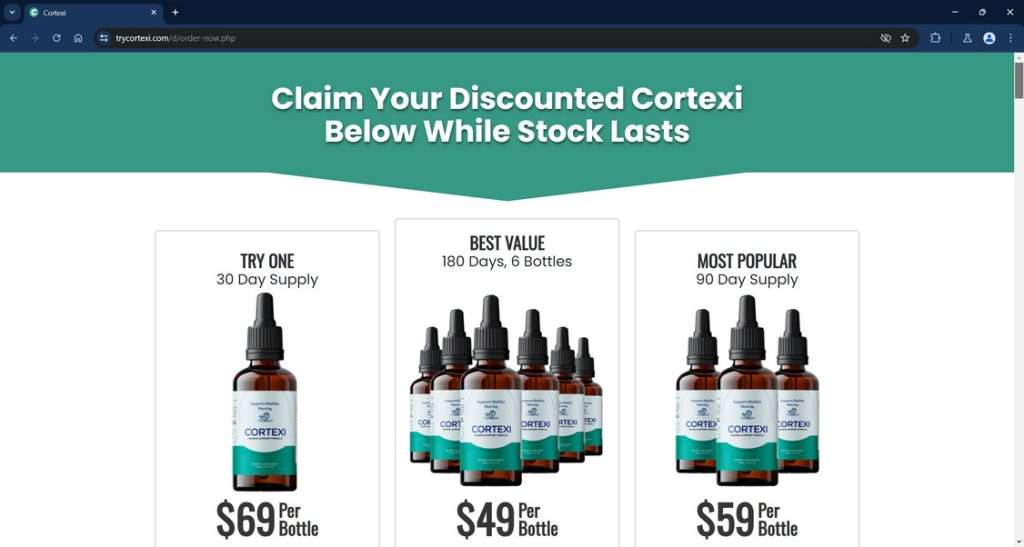
Analyzing Cortexi Supplement Marketing Tactics
Cortexi supplements first gained attention through advertisements online, including Google and Facebook, featuring compelling testimonials from people claiming Cortexi gave them life-changing improvements in hearing clarity, cognitive function, memory and focus.
The ads direct to sales pages with urgent headlines like “Hearing Breakthrough Sweeping The Nation” and “Limitless Pill Outperforms Prescription Drugs.” These pages make bold claims that Cortexi’s natural ingredients can repair age-related hearing decline, restore mental acuity, and more.
Several sketchy marketing tactics are immediately apparent with Cortexi supplements, including:
- Fake Celebrity/Doctor Endorsements – Using AI “deepfakes” of celebrities or doctor actors promoting the product. A dishonest tactic to establish credibility.
- Misleading Claims – Making exaggerated or outright false claims of benefits that are unsupported scientifically.
- Fabricated Reviews – Flooding the sales page with untrustworthy 5-star reviews using fake or stolen customer photos.
- “Limited Time” Price Tactics – Creating false urgency by claiming prices will increase soon or product will sell out.
- Auto-Ship Programs – Enrolling customers in monthly auto-shipments without clear consent after the initial purchase.
- No Refund Policy – Refusing refunds on opened or even unopened bottles, against fair business practices.
These marketing tactics aim to get credit card details quickly before consumers dig deeper or talk to doctors. They will say anything to make a fast sale. But do the real-world experiences with Cortexi products align with the marketed claims? Let’s analyze further.
Questionable Formulation: Does Cortexi Work as Advertised?
The shady websites marketing Cortexi supplements make dramatic claims about their ability to improve hearing, memory, focus, mental acuity and other cognitive functions. Some of the advertised benefits include:
- “Repairing age-related hearing decline in as little as 1 week!”
- “Restoring mental clarity and focus, reducing brain fog”
- “Reversing memory loss and improving recall speed”
- “Protecting against cognitive diseases like dementia”
- “Heightened cognitive energy, speed and performance”
However, absolutely no credible scientific evidence is provided to demonstrate Cortexi supplements can deliver these benefits for users. There are no links to published clinical trials or rigorous studies supporting the wide-ranging health claims.
At best, the ingredients included like ginkgo biloba, grape seed extract and vitamin B12 may provide minor antioxidant and circulatory benefits that could potentially support general health. But there is no proof they can specifically target hearing, memory and cognition to the extremes claimed.
The websites mention Cortexi is produced in an FDA-registered facility. But this does not mean the product itself is FDA-approved or rigorously regulated. Dietary supplements do not undergo FDA testing to verify their safety and efficacy like real medications.
So in reality, Cortexi appears to be little more than an overpriced blend of general vitamins and herbs marketed using embellished claims of “limitless” cognitive benefits. There is no solid evidence it works any better than cheaper supplements you can buy in any pharmacy.
Real Customer Reviews Paint a Concerning Picture
The Cortexi sales pages present page after page of glowing five-star reviews with dramatic before and after stories from supposedly satisfied customers. But looking at independent reviews reveals a very different picture.
On average, Cortexi earns just 2 out of 5 stars from real consumers. Many describe it simply as an overpriced and non-working product.

Here are examples of common complaints:
- “Product doesn’t match marketing” – Ingredients weren’t as advertised, or had missing ingredients compared to the sales pitch. The product received looked nothing like what was promoted.
- “Zero results” – Customers took Cortexi daily as directed but experienced absolutely no benefits for hearing, memory or cognition. For many, it was a complete waste of money.
- “Refund denied” – Those who tried to return unopened bottles to get their money back were refused and told “no refunds”, even though the websites advertised satisfaction guarantees.
- “More balance issues” – Some reported Cortexi seemed to make their hearing and balance problems worse rather than better. Likely due to an interaction with their current medication regimen that was never evaluated.
- “Auto-ship nightmare” – Many unhappy customers found themselves stuck paying for monthly Cortexi shipments they never agreed to or wanted. Canceling was difficult if not impossible.
For every positive review, there are dozens more calling Cortexi an ineffective product sold through manipulative marketing and false claims. Many felt scammed and warn others not to waste their money.
Who Is Behind Cortexi?
The websites selling Cortexi supplements do not provide any company information or details about who formulates and manufactures the actual products sold. Searches for Cortexi return no results outside of the shady supplement sales pages.
This lack of transparency is concerning. There appears to be no legitimate business officially producing Cortexi hearing and brain supplements. No CEO, medical advisory board, mailing address, or other verifiable details about the company behind it.
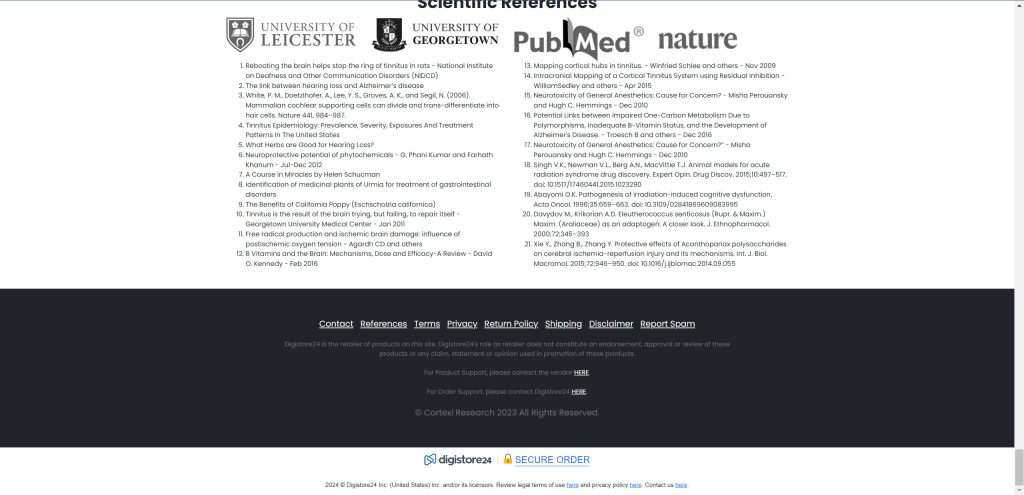
Instead, Cortexi supplements seem exclusively sold through temporary websites created to capitalize on the product name and marketed claims using deceptive sales tactics. These sites simply take orders and disappear after enough complaints roll in.
In analyzing the Cortexi websites, it became apparent they use identical templates and design as another supplement called Sugar Defender. This extends beyond just a similar style – the terms of service, disclaimers and other legal text are verbatim copies between both sets of sites.
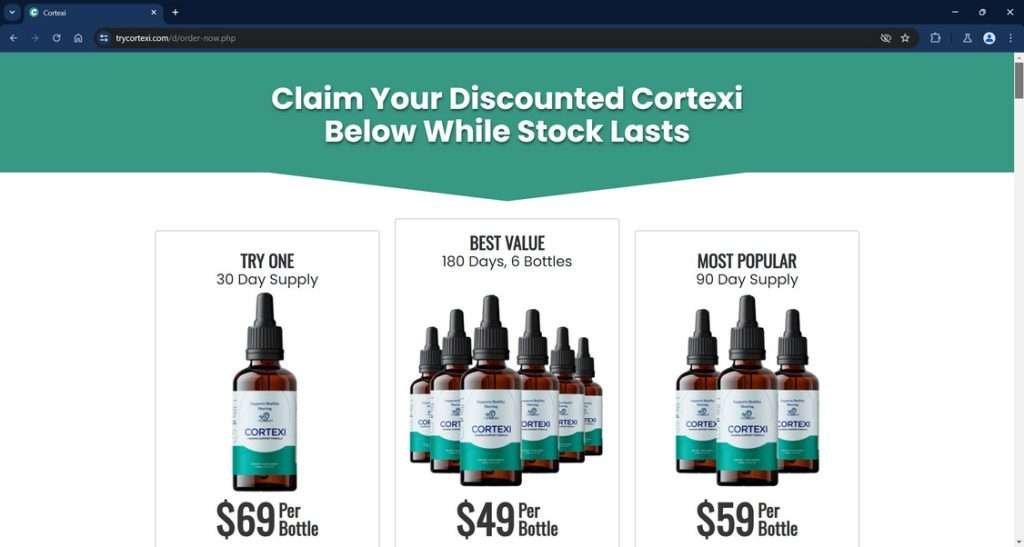
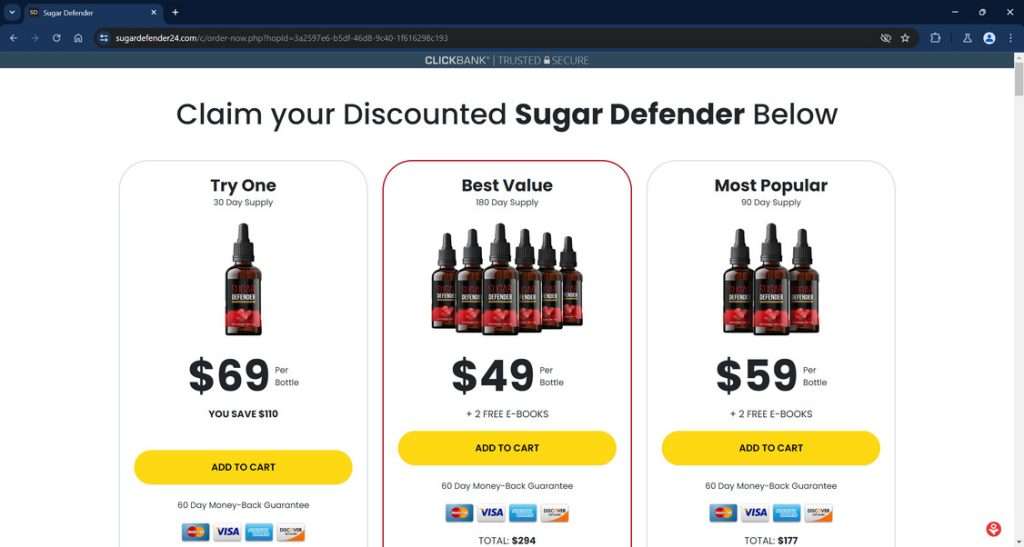
Yet there are no company names or contact information disclosed on either website set. No way to identify or contact the true manufacturers behind these supplements being so deceptively marketed.
The lack of a real company or scientists staking their reputation on Cortexi is a major red flag to stay away. There is no accountability for what is actually in the product, or ethical responsibility for customers.
How Cortexi Orders Are Handled by Scam Websites
While the shady Cortexi websites make ordering seem simple and risk-free, the actual order fulfillment process tells a far different story according to consumer complaints.
Numerous customers report ongoing issues trying to get what they paid for, return defective products, and receive refunds. Here’s an overview of the problematic experiences reported:
Deceptive Order Handling Practices
- Fake shipping confirmations sent immediately to create appearance orders are fulfilled quickly, when products rarely ship same day.
- Credit cards get charged immediately, but Cortexi bottles can take weeks or even months to arrive – or never arrive at all.
- It’s impossible for customers to contact the company by phone, email or otherwise when inquiring about late/missing orders.
- Customers remain charged for products that were never delivered. The company provides no way to contest these fraudulent charges.
Refund and Return Nightmares
- Customers who receive Cortexi bottles find the ingredients and quality often don’t match what was advertised. But refunds are refused.
- Many customers report trying to return unopened, unused bottles per the money-back guarantee but are told “no refunds allowed” by customer service.
- Others say they only receive partial refunds after long fights and never get back the full amount owed.
- Contacting customer service is again fruitless – calls and emails go unanswered, leaving no way to address return issues.
- Customers must go through a Better Business Bureau mediation process to have any hope of seeing even a partial refund, if at all.
In summary, the Cortexi order handling process follows a predictable pattern of charging customers as fast as possible, then providing minimal product quality, nonexistent support, and barriers to obtaining returns or refunds. They pocket the money and leave consumers high and dry.
How to Get Your Money Back After Being Scammed by a Fake Website
If you already ordered Cortexi supplements and suspect you were defrauded, take the following steps immediately to stop additional charges and try recovering lost money:
- Call Your Bank – Notify your credit card provider of suspected fraud charges and have them reverse the transactions. Cancel any account info the Cortexi seller has.
- Report Fraud – File complaints about the scam online with the FTC, state consumer protection agencies, and the BBB to stop the company from victimizing others.
- Dispute Online – Post about your negative experience on scam reporting sites to warn other consumers. This creates a search trail documenting the fraudulent activities.
- Seek Legal Options – Consult with attorneys specializing in consumer protection law who may identify avenues for pursuing collective legal action for financial damages from the seller. Act quickly, as statutes of limitations apply.
While recovering all money lost to scams is difficult, taking quick action provides the best chance. And your efforts will help authorities build cases against the companies. Make sure to warn loved ones about schemes like Cortexi as well.
The Verdict on Cortexi: A Risky Product Not Worth Trying
In conclusion, Cortexi hearing and brain function supplements exhibit numerous red flags of a scam:
- No verifiable company/formulator information
- Fake celebrity endorsements and reviews
- Overhyped benefit claims without scientific backing
- Refusal to issue refunds or address complaints
- Predatory auto-shipping and billing practices
While the ingredients in Cortexi are likely safe, they seem unlikely to provide the hearing restoration and mental enhancement benefits marketed.
Consumers experiencing cognitive decline and hearing issues deserve science-backed solutions from reputable providers. Cortexi instead appears part of a network of shady products exploiting vulnerable people’s hopes.
Your best path forward is always consulting qualified medical professionals, not trusting exaggerate supplement claims. Avoid the risks of products like Cortexi and safeguard your health and finances.
This article is for informational purposes only and should not be relied upon for financial or business decisions. We identify potential scams using research, user experiences, and expert analysis. However, all claims should be independently verified. Mistakes may occur, and legitimate products could be flagged. We strive for accuracy but make no warranties regarding the completeness or reliability of the information.

If you are the owner of the website or product in question and wish to offer clarifications regarding your business or website, please reach out to us via our Contact form.








