

CyberLink YouCam is a popular webcam software that allows users to add fun effects, filters, and enhancements to their video calls and recordings. It is compatible with various video chat applications such as Skype, Zoom, and Facebook Messenger, making it a versatile tool for both personal and professional use. However, like any software, it is essential to understand its features, potential drawbacks, and whether or not it is necessary for your needs. In this article, we will explore CyberLink YouCam in detail and help you decide whether you should remove it from your computer.
What Does CyberLink YouCam Offer?
CyberLink YouCam provides a wide range of features and functionalities that enhance your webcam experience. Some of its key offerings include:
- Real-time video effects: YouCam allows you to apply various effects, filters, and frames to your video feed during live video calls or recordings. These effects can range from simple adjustments like brightness and contrast to more advanced options like virtual makeup and augmented reality effects.
- Face beautification tools: With YouCam, you can instantly touch up your appearance by smoothing out wrinkles, removing blemishes, and even slimming your face. These tools can be particularly useful for video conferences, online interviews, or when you want to look your best during video calls with friends and family.
- Background replacement: One of the standout features of YouCam is its ability to replace your background with virtual backgrounds. Whether you want to appear in a professional office setting or a tropical beach, YouCam offers a wide range of preloaded backgrounds or allows you to upload your own.
- Object recognition and tracking: YouCam can detect and track your face, body, or specific objects within the frame. This feature enables you to add virtual 3D objects, animations, or even create interactive presentations during video calls.
- Security features: CyberLink YouCam also offers security-related functionalities such as face login, which allows you to unlock your computer using facial recognition. This feature adds an extra layer of protection to your device and can be a convenient alternative to traditional passwords.
Should You Remove CyberLink YouCam?
While CyberLink YouCam offers a range of exciting features, there are a few factors to consider when deciding whether to remove it from your computer:
1. Usage Frequency
If you rarely use video chat applications or have no need for the additional features provided by YouCam, it may be unnecessary to keep the software installed. Removing it can free up valuable storage space on your computer and potentially improve system performance.
2. Privacy Concerns
Some users may have concerns about the privacy implications of using webcam software. While CyberLink YouCam itself is a reputable software, it is essential to be cautious when granting webcam access to any application. Always ensure that you trust the applications you use and regularly review your privacy settings to protect your personal information.
3. Alternative Software
If you decide to remove CyberLink YouCam, there are alternative webcam software options available. Many video chat applications, such as Skype and Zoom, offer built-in effects and filters that can provide similar functionalities. Additionally, there are standalone webcam software programs like ManyCam and OBS Studio that offer advanced features for professional use.
How to Remove CyberLink YouCam?
If you have decided to remove CyberLink YouCam from your computer, there are a few methods you can use:
1. Uninstall via Control Panel
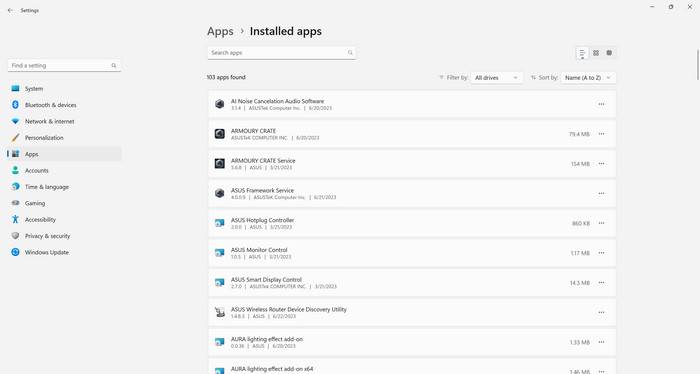
The most straightforward method to remove YouCam is through the Control Panel on Windows:
- Open the Control Panel by searching for it in the Start menu or using the Windows key + X shortcut and selecting Control Panel.
- Click on “Uninstall a program” or “Programs and Features” (depending on your Windows version).
- Locate CyberLink YouCam in the list of installed programs.
- Right-click on CyberLink YouCam and select “Uninstall” or “Remove”.
- Follow the on-screen instructions to complete the uninstallation process.
2. Use a Third-Party Uninstaller
If you prefer a more thorough uninstallation process, you can use a third-party uninstaller tool like Revo Uninstaller Free. These tools can help remove any leftover files or registry entries associated with the software, ensuring a clean uninstallation.
Conclusion
CyberLink YouCam is a feature-rich webcam software that offers a range of effects, filters, and enhancements for your video calls and recordings. Whether you should remove it depends on your usage frequency, privacy concerns, and the availability of alternative software options. If you rarely use video chat applications or have privacy concerns, removing YouCam may be a viable option. However, if you enjoy the additional features and find them useful, there is no need to remove it. Ultimately, the decision should be based on your personal preferences and requirements.
Remember, if you decide to remove CyberLink YouCam, you can use the Control Panel or a third-party uninstaller tool like Revo Uninstaller Free to ensure a clean uninstallation.

Join the discussion
0 commentsShare your experience or ask a question about this article.
Discussion
Start the conversation
Have a question or something useful to share? Add the first comment.