

The Dr. Ben Carson Alzheimer cure scam is spreading through online ads that claim he revealed, endorsed, or helped create a supplement for dementia, Alzheimer’s disease, memory loss, or brain fog.
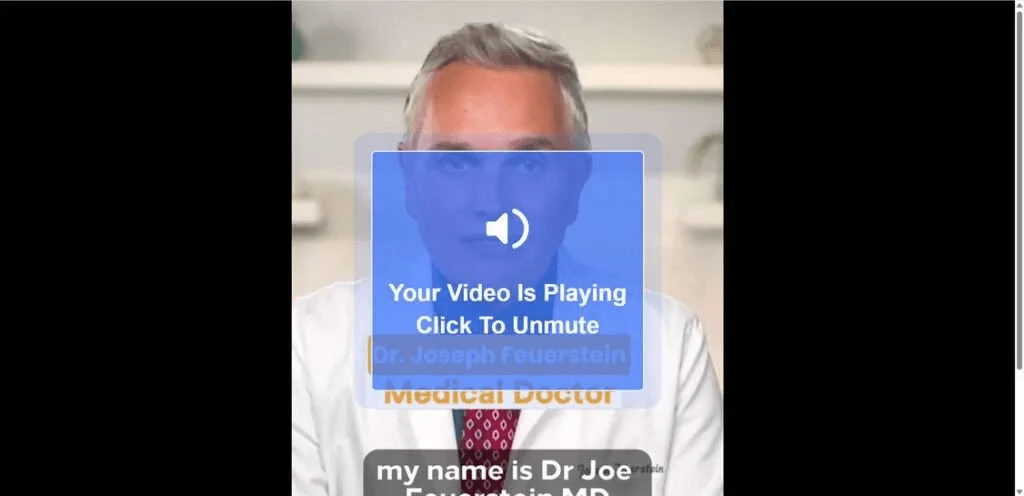
The videos can look convincing. Some appear to show Dr. Carson speaking about a “breakthrough,” a “memory recipe,” a nasal spray, honey protocol, or supplement bottle.
But the pattern is familiar: fake authority, emotional health claims, manipulated media, and a checkout page built to sell products fast.
Scam Overview
The Dr. Ben Carson Alzheimer cure scam is not usually about one specific product.
It is a recurring supplement funnel that uses his name, medical background, and public recognition to make unproven memory-loss products look legitimate.
The product name may change.
One ad may push a nasal spray. Another may promote capsules. Another may mention a honey recipe, a dementia protocol, or a bottle with a name like AlzClipp, Neurocept, Brain Honey, Memo Genesis, Brain Vex, or another rotating label.
The structure stays the same.
A famous doctor is placed at the center of the story. The page claims a breakthrough has been discovered. Then viewers are pushed toward a product that supposedly improves memory, reverses dementia, or treats Alzheimer’s disease.
That is a major red flag.
The FDA warns consumers to be cautious of products claiming to cure, reverse, prevent, or treat Alzheimer’s disease. These products can waste money, delay proper care, and may interfere with medications or medical treatment.
Dr. Ben Carson’s name is used to create instant trust
Dr. Ben Carson is a retired neurosurgeon and former public official. That combination makes his name valuable to scammers.
People see his image and think the product must have serious medical credibility.
That is exactly why these ads use him.
AFP has documented Facebook ads falsely linking Ben Carson to unproven treatments, including dementia-related products, and a spokesperson for Carson’s American Cornerstone Institute said one such post was “fake and a scam” and that Carson gave no endorsement.
Reuters also fact-checked a separate claim that Ben Carson cured dementia with a diet and found it false.
So if an ad claims Dr. Carson endorsed a memory-loss supplement, do not treat that as proof.
Treat it as a warning sign.
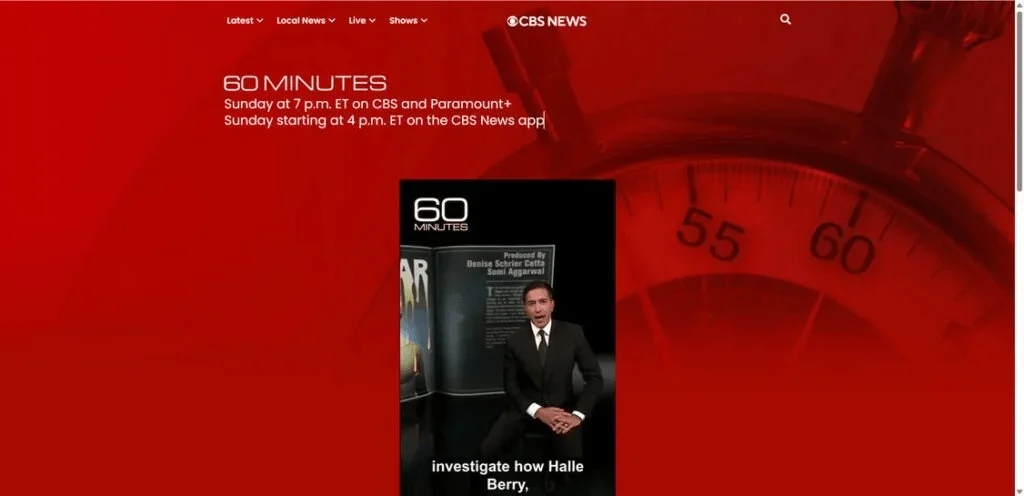
The scam often uses fake news-style pages
Many of these campaigns do not lead to a normal product store.
They lead to a page that looks like a news article, medical report, or breaking health segment.
Common signs include:
- a headline mentioning Alzheimer’s or dementia
- a photo of Dr. Carson beside a product
- a fake newspaper or TV-style layout
- “as seen on” logos
- dramatic before-and-after stories
- staged comments
- a countdown timer
- multiple “claim your bottle” buttons
This format is designed to make the reader feel like the product has already been investigated and validated.
But the page is usually an advertorial.
That means it is advertising dressed up as editorial content.
AFP found that some ads used fabricated news-style pages and doctored clips to promote false claims involving Ben Carson and dementia products.
Deepfake and altered videos make the scam harder to spot
Older scams used stolen photos and fake quotes.
Newer versions use AI-generated voices, edited clips, and deepfake-style video.
The result can look surprisingly real on a phone screen.
The FTC warns that scammers use fake celebrity and influencer endorsements with doctored video and audio that can seem real.
That matters because many victims say the same thing:
“I saw him say it.”
But in modern scams, seeing is no longer enough.
A clip can be edited. A voice can be cloned. A real interview can be repurposed with fake audio.
AFP reported that one clip of Carson used snippets from a 2015 CNN interview, but the ad changed the context to promote a product he did not advertise
The Alzheimer’s cure claim is the most dangerous part
The scam is especially harmful because it targets families dealing with fear and uncertainty.
Alzheimer’s disease and dementia are not minor wellness concerns. They are serious conditions that require proper medical evaluation.
These ads often use emotional claims such as:
- “reverse memory loss”
- “stop dementia in days”
- “restore brain function”
- “clear brain plaque”
- “repair damaged neurons”
- “protect your loved one naturally”
- “doctors are hiding this cure”
That language is designed to create hope quickly.
But it is not trustworthy.
The product names keep changing
One confusing part of this scam is that the product label may not stay the same.
You might see ads for:
- memory capsules
- dementia nasal sprays
- honey brain formulas
- cocoa and honey protocols
- brain detox drops
- neuro support gummies
- “Alzheimer’s breakthrough” pills
- supplements with names like AlzClipp, Neurocept, Brain Honey, or Memo Genesis
The product name can change because the funnel is reusable.
Once one brand gets complaints or one ad account is flagged, the same story can relaunch with a different label.
The scam is not just the bottle.
The scam is the marketing structure.
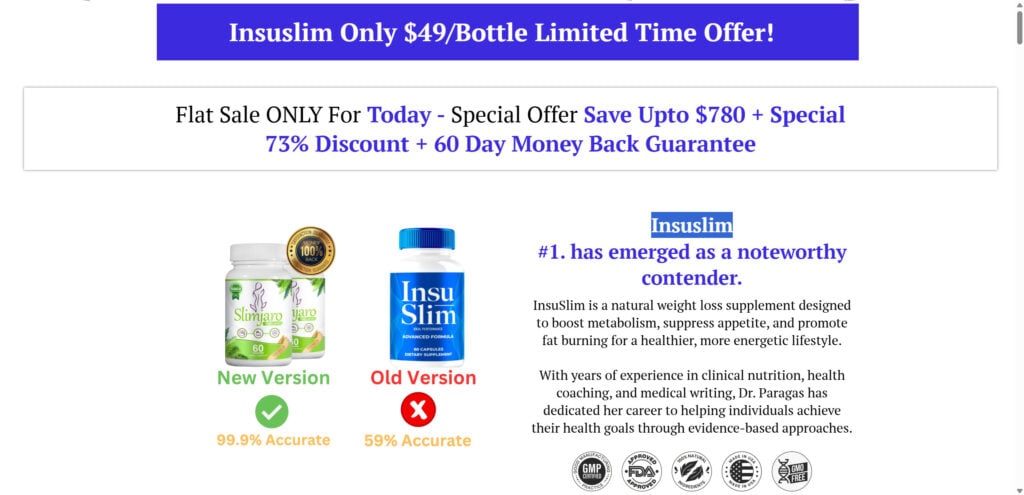
The “natural” label is not protection
Many pages claim the product is:
- natural
- herbal
- doctor recommended
- clinically tested
- made in the USA
- manufactured in an FDA registered facility
- GMP certified
- lab tested
These phrases are designed to lower suspicion.
But they do not prove the product treats Alzheimer’s disease.
They do not prove the endorsement is real.
They do not prove the product is safe.
In one AFP fact check, an expert noted that a claim about an FDA-registered or GMP-style facility can create a false impression that the FDA evaluated the product, even though dietary supplements and naturopathic products do not require FDA approval in the same way drugs do. (AFP Fact Check)
The billing risk is often the second trap
Many buyers focus first on whether the supplement works.
But the financial damage can begin immediately at checkout.
Scam-style supplement funnels may include:
- multi-bottle bundles
- pre-selected quantities
- upsells that look like required steps
- hidden shipping fees
- monthly refill programs
- autoship subscriptions
- merchant names that do not match the product
- refund processes that are slow or confusing
A buyer may think they ordered one bottle.
Then they discover multiple charges or recurring shipments.
This is why these ads should be treated as both a medical scam risk and a billing risk.
How The Scam Works
Step 1: You see a shocking memory-loss ad
The scam usually starts on Facebook, Instagram, YouTube, TikTok, or a display ad network.
The ad may claim:
- Dr. Ben Carson discovered a dementia cure
- a natural supplement reverses Alzheimer’s
- a nasal spray repairs memory loss
- a honey recipe clears brain plaque
- a doctor finally revealed the “root cause”
- a video will be removed soon
The goal is to stop your scroll.
It targets fear, urgency, and hope all at once.
Step 2: Dr. Carson’s image creates instant credibility
The ad uses Dr. Carson’s image, name, or medical background to make the claim feel trustworthy.
This is borrowed credibility.
The viewer is not judging the product on evidence. They are reacting to a familiar doctor figure.
That is why these scams use public figures. The endorsement is the hook.
Step 3: The video or article tells an emotional story
The page may describe a person forgetting names, struggling with daily life, or facing a dementia diagnosis.
Then it introduces a “breakthrough” that supposedly changes everything.
This story is designed to make the viewer think:
“What if this could help me or someone I love?”
That emotion makes the checkout easier.
Step 4: The fake science begins
The ad may use medical-sounding terms like:
- beta amyloid
- brain plaque
- toxins
- inflammation
- neurons
- blood flow
- synapses
- cognitive pathways
- neurodegeneration
Some of these words are real.
The scam comes from turning complex medical concepts into a simple claim that one supplement can reverse a serious disease.
That leap is not credible.
Step 5: The product appears as the “solution”
After enough emotional buildup, the product is introduced.
It may be called a supplement, spray, formula, protocol, or natural remedy.
The page may claim it works quickly, has no side effects, and is backed by science.
This is where the funnel shifts from “health warning” to product sale.
Step 6: Badges and trust seals appear
Near the order section, the page may display:
- FDA registered facility
- GMP certified
- lab tested
- doctor recommended
- clinically proven
- made in the USA
- natural ingredients
These badges are meant to reassure you.
But they are not proof of effectiveness.
A badge near a checkout button is not a clinical trial.
Step 7: Urgency tools push you to buy fast
The order page may show:
- countdown timers
- limited stock warnings
- “discount ends today”
- “only a few bottles left”
- recent purchase popups
- “people watching now” counters
These are pressure tools.
They exist to stop you from researching.
Step 8: The checkout pushes bundles or subscriptions
The page may present packages like:
- 1 bottle at a high price
- 3 bottles as recommended
- 6 bottles as best value
Some pages also include refill programs or continuity terms.
This is where people often end up paying more than expected.
Step 9: Refunds become difficult
After payment, the sales experience may turn into support friction.
Buyers may run into:
- slow email replies
- unclear return addresses
- strict refund windows
- partial refund offers
- ignored cancellation requests
- continued rebilling
The funnel is easy to enter and hard to exit.
Step 10: The scam relaunches with a new product name
When complaints rise, the campaign can disappear and reappear.
New bottle.
New domain.
Same Dr. Carson-style claim.
Same Alzheimer’s cure language.
Same checkout pressure.
That is why the pattern matters more than the product name.
What To Do If You Bought From This Scam
1) Save evidence immediately
Take screenshots of:
- the ad
- the video
- the landing page
- the product page
- the checkout total
- the terms and conditions
- your confirmation email
- your bank statement
Do this quickly because scam pages may disappear.
2) Check what you were charged
Compare the advertised price with your statement.
Look for:
- higher totals
- duplicate charges
- split charges
- hidden shipping fees
- unfamiliar merchant names
3) Search for refill or subscription terms
Look in your emails and order terms for:
- autoship
- refill
- subscription
- membership
- monthly
- continuity
- next shipment
If you see those words, act quickly.
4) Cancel in writing
Email the seller and clearly state:
- your full name
- the email used for purchase
- order number
- cancel any subscription
- stop all future charges
- send written confirmation
Keep the email as proof.
5) Contact your bank or card issuer
If the charge is wrong or repeat billing appears, contact your card provider.
Ask about:
- disputing the charge
- blocking future charges
- replacing the card if needed
- documenting the transaction as deceptive or unauthorized
Do not wait for another charge.
6) Do not use it as Alzheimer’s treatment
Do not replace medical care with a supplement from an online ad.
If you or a loved one has memory loss, confusion, personality changes, repeated questions, getting lost, or worsening symptoms, speak with a qualified healthcare professional.
7) Stop using the product if you feel unwell
If you took the supplement and experienced side effects, stop using it and seek medical advice.
This is especially important for older adults and people taking medications.
8) Report the fake endorsement
Report the ad on the platform where you saw it.
Use categories like:
- scam
- fake endorsement
- impersonation
- misleading health claim
- AI-generated deception
- suspicious supplement
The Bottom Line
The Dr. Ben Carson Alzheimer cure scam is not a real medical breakthrough.
It is usually a deceptive supplement funnel that uses his name, image, or medical background to sell unproven memory-loss products.
The strongest warning signs are clear: fake doctor endorsements, claims to reverse dementia or Alzheimer’s, fake news-style pages, deepfake videos, urgency timers, multi-bottle bundles, and possible refill subscriptions.
If you already bought, focus on protection now. Save evidence, cancel in writing, monitor your card statement, and contact your bank if charges look deceptive.
And most importantly, do not let a social media ad replace real medical care for memory loss or dementia symptoms.
FAQ
What is the Dr. Ben Carson Alzheimer cure scam?
It is a fake supplement campaign that uses Dr. Ben Carson’s name, image, or medical background to promote unproven products for Alzheimer’s disease, dementia, memory loss, or brain fog.
Did Dr. Ben Carson really endorse these supplements?
No credible evidence shows that Dr. Ben Carson endorsed these Alzheimer’s or memory-loss supplements. Many ads use fake articles, edited clips, AI-style videos, or misleading images to create false trust.
Can any supplement cure Alzheimer’s disease?
No. A supplement sold through a social media ad should not be trusted as a cure for Alzheimer’s disease or dementia. Claims about reversing dementia or restoring memory fast are major red flags.
Why do scammers use Dr. Ben Carson’s name?
They use his medical background and public recognition to make the product look legitimate. The fake endorsement is designed to make people trust the supplement before checking the facts.
What products are promoted in these scams?
The product names change often. These funnels may promote memory capsules, brain support drops, dementia sprays, honey protocols, cocoa recipes, or supplements with names like Brain Honey, Memo Genesis, Brain Vex, or similar labels.
Are the videos real?
Many of these ads use edited footage, fake voiceovers, AI-generated clips, or deepfake-style manipulation. A video that appears to show a public figure speaking is not proof of endorsement.
What are the biggest red flags?
Fake doctor endorsements, Alzheimer’s cure claims, fake news-style pages, “watch before removed” urgency, countdown timers, multi-bottle bundles, and unclear refill or subscription terms.
Why do these scams target memory loss?
Memory loss is frightening, especially for older adults and families dealing with dementia concerns. Scammers exploit that fear by offering simple “breakthrough” solutions that sound hopeful but are not proven.
What should I do if I already bought?
Save screenshots and receipts, check for subscription or refill terms, email the seller to cancel in writing, monitor your card statement, and contact your bank if charges look wrong.
Should I use these supplements instead of medical care?
No. Do not use an online supplement ad as a substitute for medical evaluation. New or worsening memory symptoms should be discussed with a qualified healthcare professional.








