

The “Shark Tank Alzheimer cure” ads are spreading across social media, search results, and fake health-news pages.
They usually claim a brain supplement was featured on Shark Tank, backed by the judges, or tied to a breakthrough for Alzheimer’s disease, dementia, memory loss, or brain fog.
The pitch sounds hopeful, but the pattern is dangerous: fake Shark Tank credibility, emotional memory-loss claims, miracle-cure language, and a checkout page designed to sell bottles fast.

Scam Overview
The Shark Tank Alzheimer cure scam is a fake endorsement funnel that uses the popularity of Shark Tank to make unproven memory supplements look legitimate.
The product names change constantly.
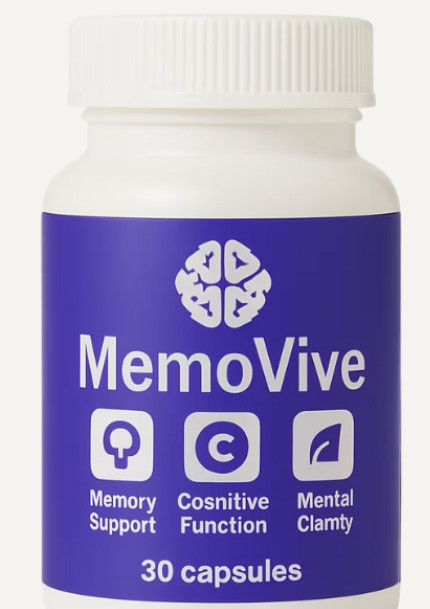
One ad may promote a “brain support” capsule. Another may push a honey recipe, cocoa protocol, nasal spray, memory gummy, or supplement bottle with a name like Brain Honey, Memo Genesis, Brain Vex, Neurocept, or another rotating label.
The story changes slightly, but the structure stays almost identical:
- A shocking Alzheimer’s or dementia claim
- A fake Shark Tank connection
- A “breakthrough” supplement
- A fake doctor or celebrity-style endorsement
- Urgency timers and multi-bottle discounts
- A checkout page that may hide refill terms
The fake Shark Tank connection is the trust hook.
Many people know the show. They know the investors. They associate Shark Tank with real products, business deals, and public validation.
Scammers exploit that trust.
The Alzheimer’s claim is the most serious red flag
A supplement ad that claims to cure, reverse, stop, or treat Alzheimer’s disease should be treated as highly suspicious.
Alzheimer’s disease and dementia are serious medical conditions. They require proper evaluation and care. A social media supplement funnel is not a treatment plan.
These scam pages often use emotional language like:
- “Reverse memory loss naturally”
- “Stop dementia before it gets worse”
- “Clear brain plaque”
- “Restore lost memories”
- “Doctors are shocked”
- “Big Pharma does not want you to know this”
- “Shark Tank judges backed this breakthrough”
That language is designed to hit fear and hope at the same time.
People caring for a parent, spouse, or loved one with memory decline are vulnerable. They want answers. They want hope. The scam uses that emotional pressure to push a purchase.
The Shark Tank story is usually fake
The scam may claim:
- The supplement appeared on Shark Tank
- All the Sharks invested
- The product sold out after the episode
- The judges called it a “miracle”
- The formula was rejected by pharmaceutical companies
- A limited supply is now available online
These claims are usually unsupported.
The same tactic is now being applied to memory supplements and Alzheimer’s-related products.
A fake Shark Tank claim is powerful because it gives the product a shortcut to credibility. Instead of proving the supplement works, the page tries to make you think it has already been vetted by famous investors.
That is the trick.

Fake news pages make the offer look official
Many Shark Tank Alzheimer cure ads do not send you directly to a normal store.
They send you to a fake article page.
It may look like:
- a health news report
- a TV interview transcript
- a “special investigation”
- a magazine-style article
- a Shark Tank recap
- a medical breakthrough page
These pages often include:
- fake headlines
- fake comments
- fake customer testimonials
- “as seen on” logos
- staged before-and-after stories
- doctor photos
- countdown timers
- repeated “claim your bottle” buttons
The page may look informational, but the goal is simple: move you to checkout.
The fake article gives the supplement a layer of credibility before the sales pitch begins.
The product name does not matter as much as the funnel
One of the hardest parts for victims is that the product names keep changing.
A campaign might promote one brain supplement today and a completely different bottle next week. The same Shark Tank story can be reused with a new label and a new website.
That happens because the funnel is reusable.
Scammers can swap:
- the product name
- the domain
- the bottle image
- the testimonial names
- the checkout page
- the fake article layout
The core message stays the same.
That is why the pattern matters more than the brand name.
If the ad uses Shark Tank, miracle Alzheimer’s claims, fake news pages, and high-pressure checkout tactics, treat it as dangerous no matter what the bottle is called.
“Natural” does not mean proven or safe
These pages often call the supplement:
- natural
- herbal
- doctor recommended
- clinically tested
- lab verified
- made in the USA
- manufactured in an FDA registered facility
- GMP certified
These phrases are designed to reduce skepticism.
They do not prove the supplement treats Alzheimer’s disease.
They do not prove the Shark Tank endorsement is real.
They do not prove the product is safe for older adults or people taking medication.
The billing trap is often the second scam
Many victims first worry about whether the supplement works.
Then they discover a second problem: the billing.
Common complaints with these types of supplement funnels include:
- ordering one bottle but being charged for three or six
- upsells added during checkout
- hidden shipping fees
- “free bottle” language that increases the total
- refill subscriptions
- monthly autoship charges
- merchant names that do not match the product
- refund requests that stall or fail
The product may arrive, but that does not make the marketing honest.
A scam-style funnel can still ship a bottle while using fake endorsements, false medical claims, and confusing billing tactics.
How The Scam Works
Step 1: A shocking Alzheimer’s ad grabs attention
The scam usually starts with an ad on Facebook, Instagram, YouTube, TikTok, or a random website.
The ad may claim:
- a Shark Tank Alzheimer cure was discovered
- a memory supplement restores brain function
- the Sharks invested in a dementia breakthrough
- a natural brain formula clears memory loss
- a doctor revealed a hidden cause of Alzheimer’s
- the video will be removed soon
The goal is to stop the scroll.
The ad targets people who are scared, tired, or desperate for answers.
Step 2: Shark Tank is used as the trust shortcut
The ad then brings in Shark Tank.
It may show images of the judges, mention a fake episode, or claim the product received a standing ovation.
This is borrowed credibility.
The scam wants you to think:
“If Shark Tank backed it, it must be real.”
That reaction is exactly why scammers use the show’s name.
Step 3: The page tells an emotional memory-loss story
After clicking, you may land on a fake article or long video.
The story often describes someone struggling with:
- forgetting names
- repeating questions
- confusion
- brain fog
- family fear
- early dementia symptoms
- losing independence
Then it introduces the product as a breakthrough.
This emotional setup is designed to make the product feel urgent and personal.
Step 4: Fake science makes the claim sound believable
The page may use scientific-sounding terms like:
- brain plaque
- beta amyloid
- neuroinflammation
- toxins
- synapses
- memory pathways
- blood flow
- brain cell regeneration
Some of these words exist in real medical research.
The scam uses them to create a simple story: one hidden cause explains memory loss, and one supplement fixes it.
That is not how Alzheimer’s disease works.
Real medical science is cautious, complex, and evidence-based. Scam pages are certain, emotional, and sales-driven.
Step 5: The supplement appears as the “solution”
After enough suspense, the product is introduced.
It may be described as:
- a memory support formula
- a dementia breakthrough
- a brain repair capsule
- a natural neuro supplement
- a honey or cocoa brain protocol
- a Shark Tank-backed formula
This is the point where the page shifts from story to sale.
The ad stops being about information and becomes about buying bottles.
Step 6: Trust badges appear near the buy button
The order section may display badges like:
- FDA registered facility
- GMP certified
- lab tested
- clinically proven
- doctor recommended
- made in the USA
- 100% natural
These badges are meant to make the purchase feel safe.
But a badge is not a clinical trial.
A logo is not proof.
A “facility” claim does not mean the product cures Alzheimer’s disease.
Step 7: Urgency tools push a fast decision
The sales page often uses pressure tools such as:
- countdown timers
- “limited supply”
- “discount ends today”
- “only a few bottles left”
- recent purchase popups
- “people watching now” counters
These tools are designed to stop you from researching.
A real medical decision should not be rushed by a timer.
Step 8: Multi-bottle bundles raise the cost
The offer usually pushes bigger packages:
- 1 bottle at a high price
- 3 bottles as the recommended choice
- 6 bottles as the best value
The page may claim memory support requires several months of use.
That pushes people into spending more before they know whether the company is legitimate.
Step 9: Refill subscriptions may be hidden
Checkout pages may include:
- pre-selected quantities
- upsells
- small-print refill terms
- monthly autoship language
- unclear refund rules
- hidden shipping costs
A buyer may think they placed a one-time order.
Then another charge appears weeks later.
Step 10: Refunds become difficult
After payment, support may become slow or evasive.
Common issues include:
- email-only support
- unclear return addresses
- strict refund windows
- partial refund offers
- ignored cancellation requests
- continued rebilling
That is why quick action matters if you already bought.
What To Do If You Bought From This Scam
1) Save evidence immediately
Take screenshots of:
- the ad
- the fake Shark Tank page
- the video
- the product page
- the checkout total
- the terms and conditions
- the confirmation email
- your bank or card statement
Do this quickly because scam pages can disappear.
2) Check what you were charged
Compare the advertised price with your statement.
Look for:
- higher totals than expected
- duplicate charges
- split charges
- hidden shipping fees
- unfamiliar merchant names
3) Search for refill or subscription terms
Check your confirmation email and order terms for:
- autoship
- refill
- subscription
- continuity
- membership
- monthly
- next shipment
If you see these words, act quickly.
4) Cancel in writing
Email the seller and clearly state:
- your full name
- the email used for the order
- your order number
- cancel any subscription
- stop all future charges
- send written confirmation
Keep a copy of the email.
5) Contact your bank or card issuer
If the charge is wrong or repeat billing appears, call your card provider.
Ask about:
- disputing the charge
- blocking future charges
- replacing the card if needed
- documenting the transaction as deceptive or unauthorized
Do not wait for multiple charges.
6) Do not use it as Alzheimer’s treatment
Do not replace medical care with a supplement from an online ad.
If you or a loved one has memory loss, confusion, personality changes, repeated questions, or worsening cognitive symptoms, speak with a qualified healthcare professional.
7) Stop using the product if you feel unwell
If the supplement causes side effects, stop using it and seek medical guidance.
This is especially important for older adults and people taking medication.
8) Report the ad
Report the ad on the platform where you saw it.
Use categories like:
- scam
- fake endorsement
- fake Shark Tank claim
- misleading health claim
- suspicious supplement
- impersonation
The Bottom Line
The Shark Tank Alzheimer cure scam is not a real medical breakthrough.
It is a deceptive supplement funnel that uses fake Shark Tank credibility, emotional dementia claims, fake news-style pages, and high-pressure checkout tactics to sell unproven products.
There is no legitimate Shark Tank cure for Alzheimer’s disease. The FDA warns that so-called Alzheimer’s cures sold online are false-hope products, often marketed as supplements without proof they can stop or reverse the disease.
If you already bought, focus on protection: save evidence, cancel in writing, watch for refill charges, and contact your card issuer if billing looks deceptive.
FAQ
What is the Shark Tank Alzheimer cure scam?
It is a fake supplement campaign that claims a memory-loss or Alzheimer’s product was featured on Shark Tank, endorsed by the judges, or backed as a breakthrough treatment.
Did Shark Tank really feature an Alzheimer’s cure supplement?
No credible evidence shows that Shark Tank featured or endorsed a supplement that cures Alzheimer’s disease or dementia. These claims are typically used to create false trust.
Can a supplement cure Alzheimer’s disease?
No supplement sold through online ads should be trusted as an Alzheimer’s cure. Claims about reversing dementia, clearing brain plaque, or restoring memory fast are major red flags.
Why do scammers use Shark Tank in these ads?
Shark Tank is a familiar and trusted TV brand. Scammers use it to make a product look vetted, successful, and investor-backed, even when no real connection exists.
What products are promoted in these scams?
The names change often. These funnels may promote memory capsules, brain gummies, honey protocols, cocoa recipes, nasal sprays, brain drops, or “neuro support” supplements.
What are the biggest warning signs?
Fake Shark Tank claims, Alzheimer’s cure promises, fake news-style pages, “limited supply” timers, multi-bottle bundles, vague science language, and unclear refill terms.
Are the customer reviews real?
Often, they are not verifiable. Scam pages may use fake testimonials, stock photos, copied reviews, or staged comments to make the product look popular.
How do people end up with unwanted charges?
Checkout pages may include pre-selected quantities, upsells, hidden shipping fees, or refill subscription terms that are easy to miss.
What should I do if I already bought?
Save screenshots and receipts, check for subscription terms, email the seller to cancel in writing, monitor your card statement, and contact your bank if charges look wrong.
Should I use these supplements instead of medical care?
No. Memory loss, confusion, or dementia symptoms should be discussed with a qualified healthcare professional, not treated based on an online supplement ad.








