

A box labeled “Natural Fiber” might look like an ordinary supplement. Its front panel promises a familiar kind of everyday wellness, not a reason to call a doctor.
For Easy Forte buyers, the product name is only the beginning of the story. A recent laboratory finding changes what the label can tell you.
Overview
The product named in the alert
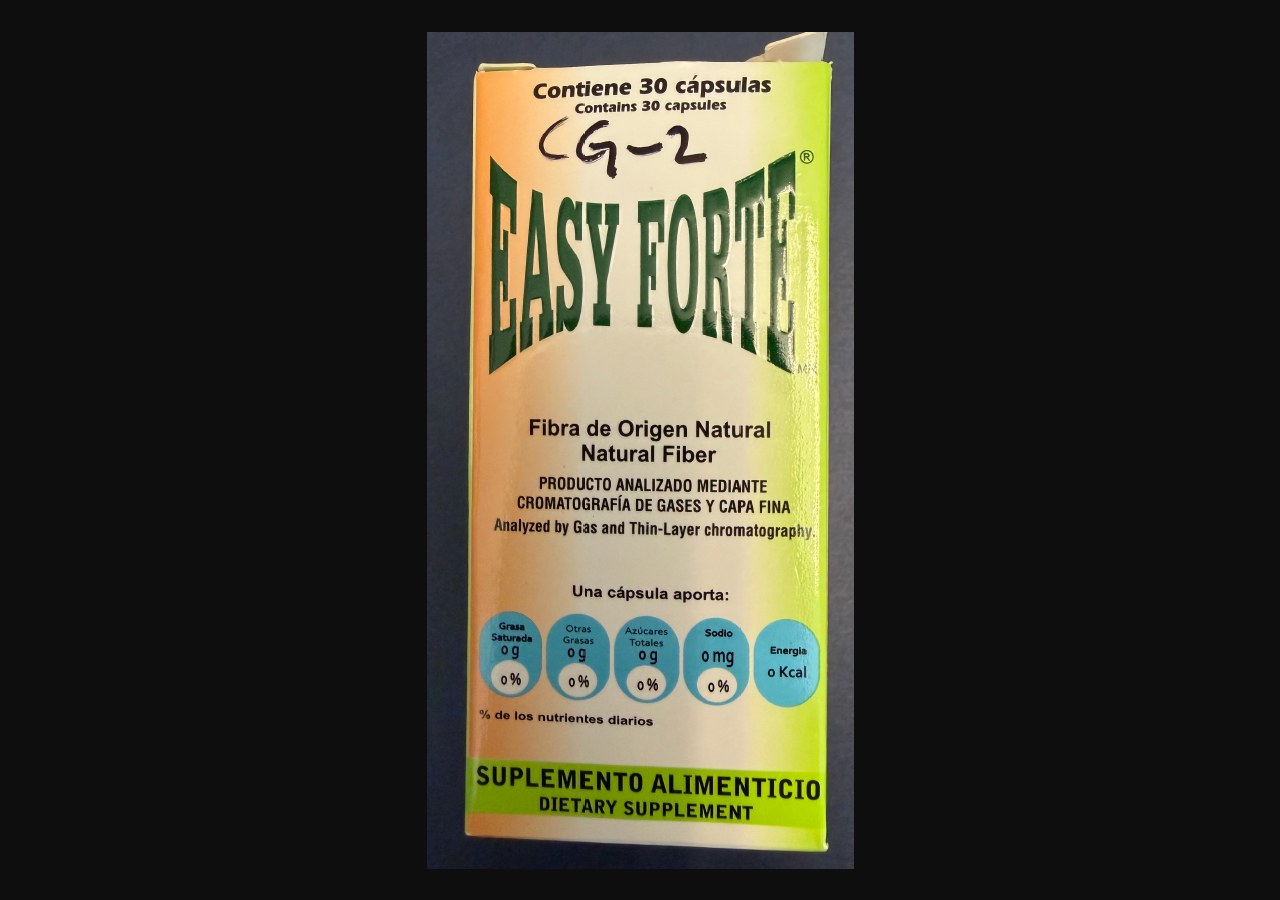
Easy Forte Natural Fiber is a boxed dietary supplement. The FDA’s product image shows a package of 30 capsules with Spanish and English text.
The front presents the product as a fiber supplement. A buyer seeing only that panel would not expect a poisonous plant to be inside.
The FDA identifies a Jaola Store listing on Amazon as the purchase source for the product it tested. Amazon removed that listing, according to the agency.
What laboratory testing found
In a September 17, 2026 update, the FDA said a state partner tested Easy Forte Natural Fiber and found toxic yellow oleander.
Yellow oleander can affect the nervous system, stomach, and heart. The agency warns that effects may be severe or even fatal.
The finding concerns the tested product. The public alert does not prove how the substitution happened or that every package ever sold has identical contents.
What the FDA wants consumers to do
The FDA advises consumers to stop using and dispose of products listed in its alert. It also says anyone who took one should contact a healthcare professional immediately.
That advice applies even if the product was used some time ago. Serious symptoms require emergency medical help rather than waiting for a retailer reply.
- Do not take another Easy Forte capsule while checking the alert.
- Keep the package, listing details, and purchase record long enough to identify what you used.
- Contact a healthcare professional if you took the product, even without current symptoms.
- Seek emergency help for serious symptoms, including concerning heart-related signs.
This is a verified product safety warning, not evidence of a subscription trap, fake store, or deliberate fraud by every person who sold the product.
What Yellow Oleander Changes About This Case
Supplements are often judged by their label. Consumers read the ingredient list, compare claims, and decide whether the product fits their health needs.
That process breaks down when the contents do not match the label. The FDA’s concern here is an identified toxic plant in a product presented as natural fiber.
Yellow oleander is not simply a stronger form of fiber or an unfamiliar botanical alternative. The FDA describes it as poisonous.
In other products, regulators have found yellow oleander substituted for tejocote root or Brazil seed. The Easy Forte finding shows why the alert is broader.
The FDA notes that some products without tejocote on their labels can also contain yellow oleander. Easy Forte belongs to that wider concern.
A user might expect stomach discomfort from a fiber product and dismiss early symptoms. That assumption could be dangerous when a toxic plant is involved.
FDA material on yellow oleander mentions nausea, vomiting, dizziness, diarrhea, abdominal pain, and changes in heart rhythm. Symptoms can vary by person.
Those signs do not prove someone took yellow oleander, and their absence does not override the FDA’s recommendation to contact a clinician after use.
The safest reading is simple: the label is not a reliable basis for continued use of the tested product. Follow the agency’s specific warning.
Do not try to identify the plant by opening a capsule. Powder appearance, smell, or color cannot establish safety.
Likewise, a package seal or a listing’s favorable reviews cannot undo a laboratory result. Those features answer different questions.
The warning also should not be stretched to every fiber supplement. It names products based on testing and continues to update as new evidence arrives.
How the Easy Forte Purchase and FDA Warning Unfolded
Step 1: A marketplace listing presents an ordinary supplement
The FDA lists a Jaola Store on Amazon as the source for the Easy Forte product. The listing allowed a buyer to encounter it alongside other supplements.
An Amazon purchase does not mean Amazon manufactured the product. Marketplace platform, seller, producer, and fulfillment provider can all be different entities.
A shopper should not assume marketplace availability equals FDA review. Dietary supplements are not approved as safe and effective before sale in the way drugs are.
Step 2: The package gives a reassuring first impression
The FDA’s front image shows “Natural Fiber” prominently. The package also describes capsules and displays a bilingual nutrition presentation.
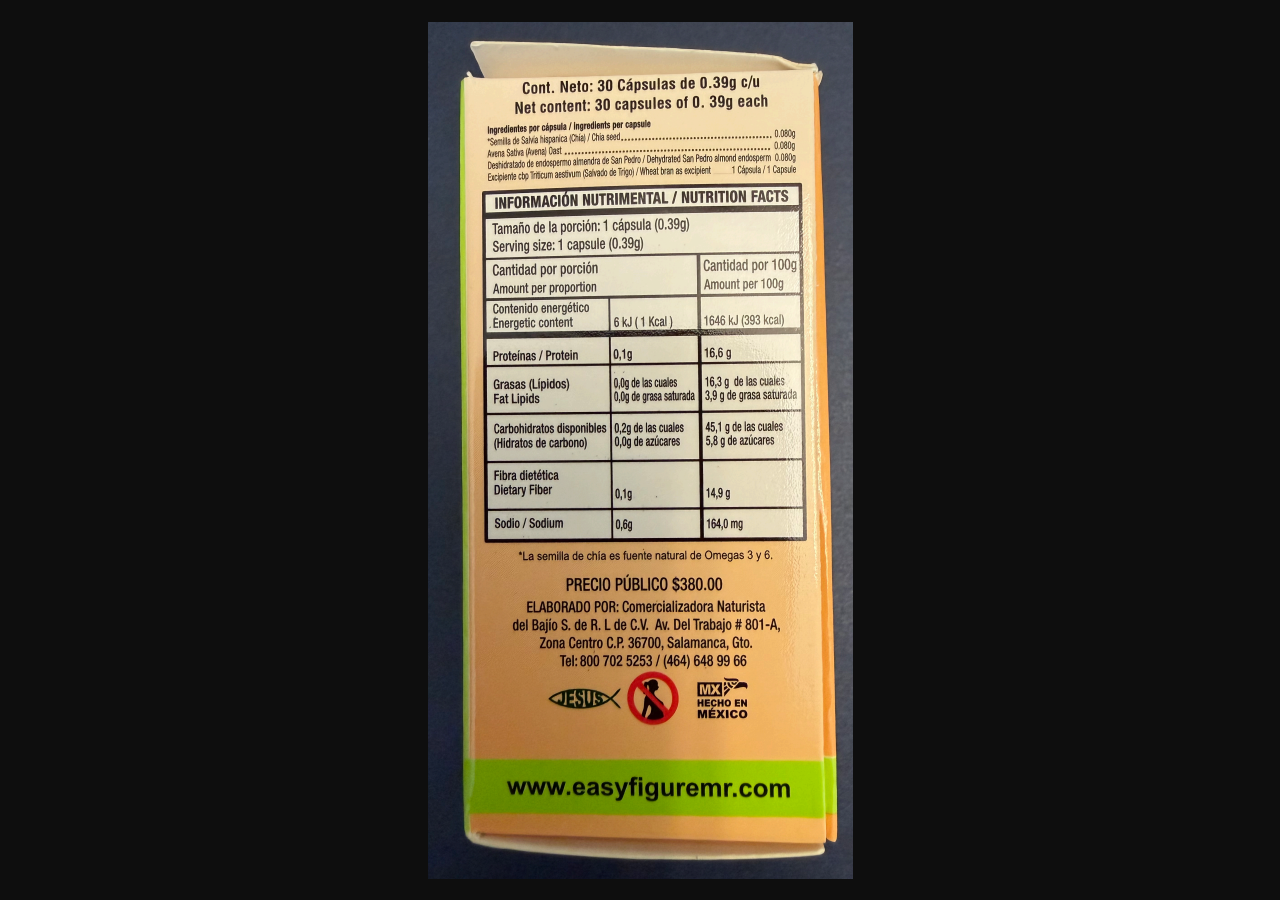
On the back, a table and ingredient text create an impression of specificity. A detailed panel can be useful, but it cannot confirm the contents by itself.
One line refers to analysis by chromatography. That is a packaging claim visible in the image, not an independent certificate we could verify.
Step 3: Testing finds an unexpected toxic ingredient
A state partner tested Easy Forte through the FDA’s Laboratory Flexible Funding Model. The result found toxic yellow oleander in the product.
The agency did not identify an individual responsible for the substitution in the public alert. It also did not provide a theory about intent.
What matters for a consumer is the verified hazard. The product is listed among supplements the FDA says to avoid.
Step 4: The agency warns buyers and seeks a recall
The FDA added Easy Forte to its safety alert on September 17, 2026. Its table says the Amazon listing was removed.
At the time of the update, the FDA had recommended that the firm initiate a recall. The table did not say a completed Easy Forte recall had occurred.
That distinction prevents a false sense of closure. An online listing can disappear while packages remain in homes or circulate through other sellers.
Company and Address Checks for Easy Forte
The seller and the producer are not the same as the platform
The FDA’s table names Comercializadora Naturista del Bajio as the manufacturer or selling firm and Jaola Store on Amazon as the purchase source.
Those roles should not be collapsed. Amazon hosted the listing, while the product’s provenance has to be traced through the seller and firm named by the FDA.
The agency says Amazon removed the listing. That action does not answer whether other storefronts ever carried the same packaging.
The printed address is a claim, not a safety test
The package back identifies a Mexican firm and prints a Salamanca, Guanajuato address. A physical address can help trace a product, but it does not validate its contents.
We have not independently inspected that facility. The FDA alert does not establish whether manufacturing, packing, and selling occurred at one location.
A consumer should retain the photographed back panel because its address, contact details, and packaging language help identify the exact item.
Support details do not replace medical guidance
The packaging includes contact information. We did not verify that every printed phone number currently answers or handles safety complaints.
If you took the product, contact a healthcare professional first. Waiting for a seller’s explanation could delay assessment of a potential poisoning.
For a refund or order history, contact the marketplace through your account and keep written records. Those steps come after immediate health concerns.
Traceability must reach the actual contents
Useful details include a lot number, packaging photos, seller name, order date, and any manufacturer information. They help regulators connect a purchase to a product sample.
The public alert does not specify a complete lot-by-lot risk boundary for Easy Forte. Avoid assuming an unlisted batch is safe.
Country of manufacture alone is not the safety verdict. The decisive fact here is the test finding, not the package’s stated origin.
What the Label Can and Cannot Tell You
A package can state serving size, nutrients, ingredients, and a firm name. Those details help identify what the seller intended to market.
They do not independently establish that a capsule contains only those ingredients. That requires reliable testing and a traceable quality system.
The FDA’s finding is especially important because the front does not advertise a controversial root or seed. It advertises natural fiber.
A shopper might therefore miss broader warnings about tejocote or Brazil seed products. The agency’s alert explicitly includes products without those ingredients on the label.
Do not rely on a product review written before the FDA update. Reviews describe individual experiences, not the result of laboratory testing.
A friend may say they took the product and felt fine. That does not prove your package is free of the toxic plant or that exposure is harmless.
The reverse also matters: not every stomach symptom after a supplement proves yellow oleander exposure. A clinician can evaluate the person and the timing.
If you have the packaging, photograph it clearly. Then follow the FDA’s disposal guidance after documenting the identifying details.
Never give a potentially contaminated supplement to someone else or resell it. Removing a listing does not make remaining packages safe to circulate.
How to Check Whether Your Package Matches the Warning
Start with the exact name, Easy Forte Natural Fiber, then compare your box with the FDA’s front and back photographs. Similar-sounding products are not automatically the same.
Look for the capsule count and the package’s Spanish and English text. Photograph all sides before discarding anything, including any sticker a marketplace seller added.
Check your order history for the seller name. The agency’s table records Jaola Store on Amazon as the purchase source for its sample.
A different seller name does not prove a package is safe. The product may have moved through another channel, and the FDA has not published a safe-seller list.
Likewise, packaging that differs slightly from the FDA images is not a reason to test a capsule on yourself. Designs can change across production runs.
Find any lot number or expiration date, but do not use a missing lot match as permission to keep taking it. The alert does not limit concern to one lot.
If a customer-service representative says the product is safe, ask for written documentation addressing the FDA test result. A verbal assurance is not a new laboratory finding.
Keep copies of the listing and receipt if you need a refund. Your order record can also help a clinician or regulator establish the timing of exposure.
Do not search for a replacement sold under a slightly different name without examining it separately. A new label alone cannot demonstrate a different supply chain.
The FDA alert is updated as products are tested and companies respond. Recheck the agency’s page for a changed recall status rather than relying on an old social post.
Why This Is Not an Ordinary Buyer Complaint
A supplement that fails to deliver a promised wellness benefit is one kind of consumer problem. A tested product containing a toxic plant is a different, urgent safety matter.
That is why refund discussions should not become the first step. A card dispute cannot assess symptoms, heart rhythm, or the need for medical treatment.
The finding also should not be inflated into claims the evidence cannot support. The agency identifies a hazard, not a proven plan to poison customers.
There is no verified evidence here that the seller enrolled buyers in refills or shipped extra bottles. Keeping those issues separate makes the warning more credible.
For readers who never bought Easy Forte, the lesson is to treat official product alerts as more reliable than storefront ratings or influencer testimonials.
What to Do If You Bought or Took Easy Forte Natural Fiber
- Stop using the product immediately. Set the package aside so no one else takes it while you check the FDA alert.
- Contact a healthcare professional now if you took it. The FDA recommends this even if use was not recent or you feel well.
- Get emergency help for serious symptoms. Tell responders the product may contain yellow oleander, and bring or photograph the package if safe.
- Record the exact item. Save front and back images, lot markings, Amazon order history, seller name, and the date and amount used.
- Follow FDA disposal advice. Do not continue, share, or resell the supplement. Ask a clinician or poison control how to handle exposure questions.
- Report a reaction and request a refund separately. Use FDA MedWatch for adverse events and your marketplace account for order assistance.
The priority is medical assessment and preventing anyone else from consuming the product. Handle retailer and payment questions once those steps are underway.
Frequently Asked Questions
Did the FDA find yellow oleander in Easy Forte?
Yes. The FDA says a state partner’s test found toxic yellow oleander in Easy Forte Natural Fiber and added it to the agency’s alert.
Is every Easy Forte package proven to contain it?
The public alert does not establish every lot’s contents. It advises consumers to stop using and dispose of products listed, rather than guessing about individual boxes.
Has Easy Forte been fully recalled?
The FDA table says it recommended a recall and that Amazon removed the listing. It did not mark Easy Forte as a completed recall in that update.
What if I took capsules weeks ago and feel fine?
Contact a healthcare professional anyway. The FDA specifically says to seek evaluation even if a listed product was not used recently.
Does the word “natural” on the label make it safer?
No. Yellow oleander is a plant, but the FDA describes it as toxic. Natural origin is not a substitute for verified ingredients and safety.
Was this an automatic-refill scam?
We found no evidence of an automatic-refill scheme for this case. The verified issue is the FDA’s laboratory finding and the resulting product warning.
The Bottom Line
Easy Forte Natural Fiber’s packaging suggests an ordinary supplement, but the FDA says testing found toxic yellow oleander in the product.
Do not take it. If you already did, follow the agency’s advice to contact a healthcare professional promptly, even if the last dose was some time ago.

Join the discussion
0 commentsShare your experience or ask a question about this article.
Discussion
Start the conversation
Have a question or something useful to share? Add the first comment.