

Scams have become increasingly prevalent in the digital age, with scammers finding new and creative ways to deceive unsuspecting individuals. One such scam that has gained traction in recent years is the EasyJet Free Tickets Giveaway Facebook scam. This article aims to provide a comprehensive overview of this scam, including what it is, how it works, what to do if you have fallen victim, and other relevant data.
What is the EasyJet Free Tickets Giveaway Facebook Scam?
The EasyJet Free Tickets Giveaway Facebook scam is a fraudulent scheme that targets users of the popular social media platform, Facebook. Scammers create fake EasyJet accounts or pages and pose as official representatives of the airline. They then post enticing offers of free tickets to popular destinations, luring users into participating in the giveaway.
How the Scam Works
The scam typically begins with a Facebook post or advertisement claiming that EasyJet is giving away free tickets to celebrate a milestone or anniversary. The post may include images of happy winners or testimonials from previous participants to make it appear legitimate. Users are instructed to like, share, and comment on the post to enter the giveaway.
Once users engage with the post, scammers employ various tactics to exploit their personal information or make them fall victim to other scams. Some common techniques used in this scam include:
- Phishing: Scammers may direct users to a fake website that resembles the official EasyJet website. Users are asked to provide personal information, such as their name, address, and contact details, under the guise of claiming their free tickets.
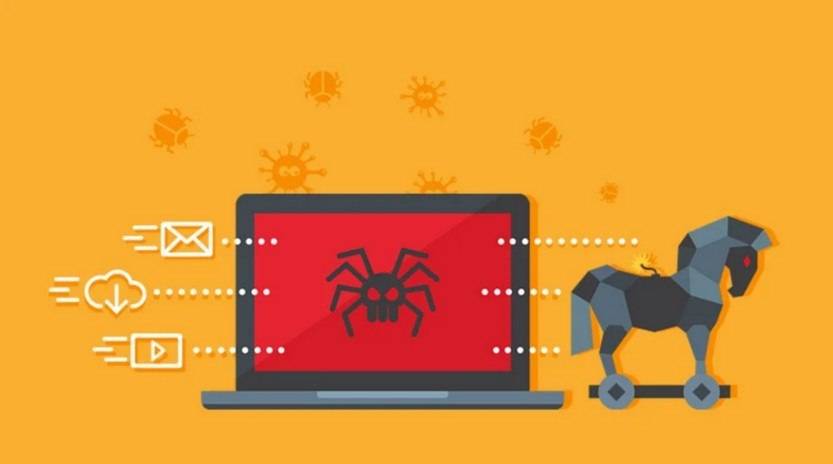
- Malware Distribution: Clicking on links or downloading files associated with the scam may lead to the installation of malware on the user’s device. This malware can then be used to steal sensitive information or gain unauthorized access to the user’s accounts.
- Survey Scams: Users may be redirected to survey websites that promise additional rewards or entries into other giveaways. These surveys often require users to provide personal information or sign up for paid services.
What to Do if You Have Fallen Victim
If you have fallen victim to the EasyJet Free Tickets Giveaway Facebook scam, it is important to take immediate action to protect yourself and minimize the potential damage. Here are some steps you can take:
- Change Your Passwords: If you have provided your Facebook login credentials or any other sensitive information, change your passwords immediately. This will help prevent unauthorized access to your accounts.
- Scan for Malware: Run a scan with a reputable antivirus software, such as Malwarebytes Free, to detect and remove any malware that may have been installed on your device.
- Report the Scam: Report the scam to Facebook by clicking on the three dots (…) on the top right corner of the post and selecting “Report post.” This will help Facebook take appropriate action against the scammer.
- Monitor Your Accounts: Keep a close eye on your bank accounts, credit cards, and other online accounts for any suspicious activity. If you notice any unauthorized transactions or changes, contact your financial institution immediately.
- Spread Awareness: Share your experience with others to raise awareness about the scam and help prevent others from falling victim.
Other Relevant Data
The EasyJet Free Tickets Giveaway Facebook scam is just one example of the numerous scams that exist on social media platforms. According to a report by the Federal Trade Commission (FTC), consumers reported losing over $1.9 billion to fraud in 2019, with social media scams being a significant contributor to this figure.
It is crucial to remain vigilant and skeptical of offers that seem too good to be true, especially on social media platforms. Legitimate companies rarely give away free products or services without a valid reason, and it is always advisable to verify the authenticity of such offers before engaging with them.
Summary
The EasyJet Free Tickets Giveaway Facebook scam is a deceptive scheme that preys on the desire for freebies and discounts. Scammers create fake EasyJet accounts or pages on Facebook and entice users with the promise of free tickets. Once users engage with the scam, they may be subjected to phishing attempts, malware distribution, or survey scams.
If you have fallen victim to this scam, it is crucial to take immediate action by changing your passwords, scanning for malware, reporting the scam, and monitoring your accounts for any suspicious activity. Additionally, spreading awareness about the scam can help protect others from falling victim.
Remember, if an offer seems too good to be true, it probably is. Stay cautious, verify the authenticity of offers, and protect yourself from falling victim to scams.

Join the discussion
0 commentsShare your experience or ask a question about this article.
Discussion
Start the conversation
Have a question or something useful to share? Add the first comment.