

Scams have become increasingly prevalent in the digital age, with scammers finding new and creative ways to deceive unsuspecting individuals. One such scam that has gained traction in recent years is the Wizz Air Tickets Giveaway Facebook scam. This article aims to provide a comprehensive overview of this scam, including what it is, how it works, what to do if you have fallen victim, and other relevant data.
What is the Wizz Air Tickets Giveaway Facebook Scam?
The Wizz Air Tickets Giveaway Facebook scam is a fraudulent scheme that targets Facebook users by promising them free or heavily discounted tickets for flights operated by Wizz Air, a popular low-cost airline. Scammers create fake Facebook pages or groups that appear to be affiliated with Wizz Air and claim to be running a giveaway or promotion.
How the Scam Works
The scammers employ various tactics to trick users into falling for their scheme. Here is a step-by-step breakdown of how the Wizz Air Tickets Giveaway Facebook scam typically operates:
- The scammer creates a fake Facebook page or group that closely resembles the official Wizz Air page.
- They post enticing content, such as images of free tickets or heavily discounted fares, to attract users.
- Users are required to like, share, and comment on the post to participate in the giveaway.
- The scammers may also ask users to provide personal information, such as their name, email address, and phone number, under the guise of contacting the winners.
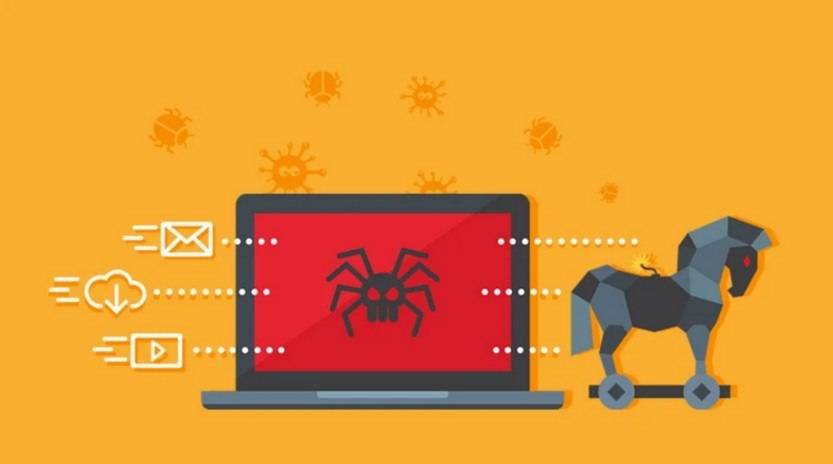
- Once users have engaged with the post or provided their personal information, the scammers may redirect them to malicious websites or ask them to download certain files.
- These websites or files may contain malware or viruses that can compromise the user’s device and personal information.
What to Do If You Have Fallen Victim
If you have fallen victim to the Wizz Air Tickets Giveaway Facebook scam, it is crucial to take immediate action to protect yourself and minimize the potential damage. Here are the steps you should follow:
- Scan your device for viruses or malware using a reputable antivirus software. We recommend using Malwarebytes Free, a trusted and effective tool for detecting and removing malware.
- Change your Facebook password to prevent further unauthorized access to your account.
- Report the scam to Facebook by clicking on the three dots in the top-right corner of the post and selecting “Report post” or “Report group.”
- Inform your friends and family about the scam to prevent them from falling victim as well.
- Monitor your financial accounts and credit reports for any suspicious activity. If you notice any unauthorized transactions or identity theft, contact your bank and credit bureaus immediately.
Other Relevant Data
It is important to note that Wizz Air has issued warnings about these scams and emphasized that they do not run any ticket giveaways or promotions through Facebook. The airline advises its customers to be cautious and only rely on information provided through official channels, such as their official website or verified social media accounts.
Furthermore, it is essential to stay informed about the latest scams and frauds circulating on social media platforms. Scammers are constantly evolving their tactics, so it is crucial to remain vigilant and skeptical of any offers that seem too good to be true.
Summary
The Wizz Air Tickets Giveaway Facebook scam is a deceptive scheme that preys on Facebook users’ desire for free or discounted flights. Scammers create fake pages or groups, enticing users to engage with their posts and provide personal information. To protect yourself, it is important to be cautious, report scams, and take immediate action if you have fallen victim. Remember to scan your device for malware using Malwarebytes Free and change your passwords. Stay informed and skeptical to avoid falling for similar scams in the future.

Join the discussion
0 commentsShare your experience or ask a question about this article.
Discussion
Start the conversation
Have a question or something useful to share? Add the first comment.