

Scams have become increasingly prevalent in the digital age, with scammers constantly finding new ways to exploit unsuspecting individuals. One such scam that has gained traction in recent years is the ‘5 Free Tickets’ Facebook giveaway scam, targeting users who are fans of the popular amusement park chain, Six Flags.
What is the ‘5 Free Tickets’ Facebook Giveaway Scam?
The ‘5 Free Tickets’ Facebook giveaway scam is a deceptive scheme designed to trick users into believing they have won free tickets to Six Flags amusement parks. Scammers create fake Facebook pages or posts that mimic the official Six Flags page, using enticing offers to lure unsuspecting victims.
These fraudulent pages often claim that Six Flags is giving away five free tickets to celebrate a milestone or anniversary. The scammers use various tactics to make their posts appear legitimate, such as using official Six Flags logos, graphics, and even fake testimonials from supposed winners.
How the Scam Works
The ‘5 Free Tickets’ Facebook giveaway scam typically follows a similar pattern:
- The scammer creates a fake Facebook page or post that closely resembles the official Six Flags page.
- They use enticing language and graphics to attract users’ attention, claiming that they can win five free tickets.
- Users are required to like, share, and comment on the post to enter the giveaway.
- Once users have engaged with the post, they are directed to a website or asked to provide personal information.
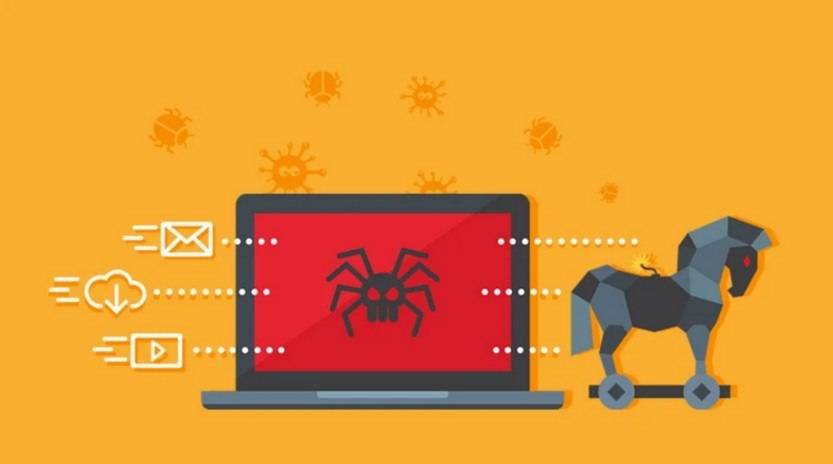
- The website may ask users to complete surveys, sign up for paid services, or download malicious software.
- Victims may also be asked to provide their personal information, such as their name, address, and phone number, which can be used for identity theft or sold to other scammers.
It is important to note that Six Flags does not run such giveaways on Facebook or any other social media platform. These scams are entirely fabricated by malicious individuals seeking to exploit unsuspecting users.
What to Do If You Have Fallen Victim
If you have fallen victim to the ‘5 Free Tickets’ Facebook giveaway scam, it is crucial to take immediate action to protect yourself and minimize the potential damage:
- Report the scam: Flag the fraudulent Facebook page or post as a scam to help protect other users from falling victim.
- Change your passwords: If you provided any personal information or downloaded any files, change your passwords for all your online accounts immediately.
- Scan your device for malware: Run a scan with a reputable antivirus software, such as Malwarebytes Free, to detect and remove any potential malware or viruses.
- Monitor your accounts: Keep a close eye on your bank accounts, credit cards, and other financial accounts for any suspicious activity. Report any unauthorized transactions to your bank or financial institution immediately.
- Be cautious of future scams: Learn from the experience and be vigilant when engaging with online promotions or giveaways. Always verify the legitimacy of the offer before providing any personal information or engaging with the content.
Technical Details of the Scam
The ‘5 Free Tickets’ Facebook giveaway scam utilizes various techniques to deceive users and extract personal information:
- Phishing: Scammers create fake Facebook pages or posts that closely resemble the official Six Flags page, tricking users into believing they are participating in a legitimate giveaway.
- Social engineering: The scammers use persuasive language, enticing graphics, and fake testimonials to build trust and credibility.
- Data harvesting: Victims are often asked to provide personal information, which can be used for identity theft or sold to other scammers.
- Malware distribution: Some versions of the scam may direct users to websites that prompt them to download malicious software, potentially infecting their devices with malware.
Statistics on Facebook Scams
Facebook scams, including the ‘5 Free Tickets’ giveaway scam, have become alarmingly common. Here are some statistics that highlight the prevalence of these scams:
- According to a report by the Better Business Bureau, Facebook scams accounted for over $117 million in reported losses in 2020.
- A study conducted by the University of California, Berkeley, found that Facebook users are more likely to fall for scams compared to users of other social media platforms.
- Approximately 1 in 5 Americans have fallen victim to a Facebook scam, according to a survey conducted by the Pew Research Center.
Summary
The ‘5 Free Tickets’ Facebook giveaway scam preys on the excitement and desire for freebies, targeting fans of Six Flags amusement parks. Scammers create fake Facebook pages or posts, tricking users into believing they have won free tickets. Once users engage with the scam, they may be directed to malicious websites or asked to provide personal information.
If you have fallen victim to this scam, it is crucial to report it, change your passwords, scan your device for malware, monitor your accounts, and be cautious of future scams. Remember, Six Flags does not run such giveaways on Facebook or any other social media platform.
Stay vigilant, verify the legitimacy of offers, and protect yourself from falling victim to scams in the digital world.

Join the discussion
0 commentsShare your experience or ask a question about this article.
Discussion
Start the conversation
Have a question or something useful to share? Add the first comment.