

Scammers are constantly finding new ways to deceive unsuspecting individuals and steal their personal information. One prevalent scam that has been on the rise is the ‘Email Account Server Upgrade Warning’ phishing scam. This article aims to provide valuable insights into this scam, including what it is, how it works, what to do if you have fallen victim, and other relevant data.
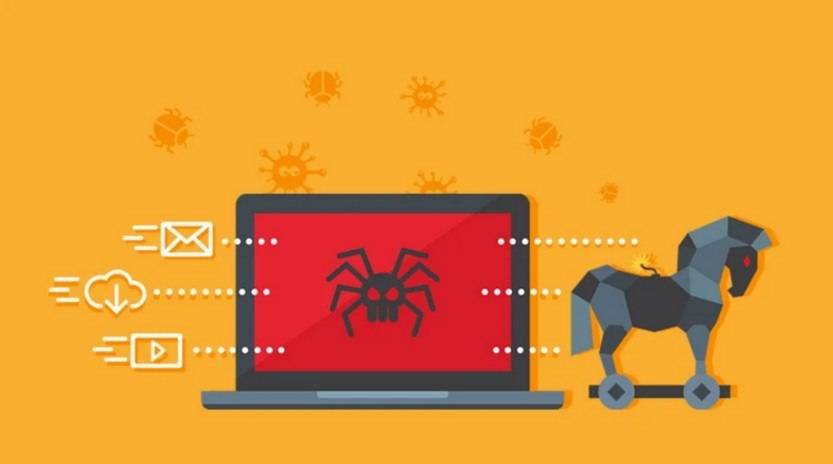
What is the Email Account ‘Server Upgrade Warning’ Phishing Scam?
The Email Account ‘Server Upgrade Warning’ phishing scam is a fraudulent attempt to obtain sensitive information, such as usernames, passwords, and credit card details, by disguising as a legitimate email from a trusted service provider. Scammers send out mass emails to a large number of recipients, posing as the email provider’s technical support team or system administrator.
How Does the Scam Work?
The scam typically starts with an email that appears to be from your email service provider, such as Gmail, Yahoo, or Outlook. The email will claim that there is a server upgrade or maintenance activity scheduled and that you need to verify your account information to avoid any disruption in service. The email may contain official logos, formatting, and language that closely resemble those used by the legitimate service provider, making it difficult to distinguish it from a genuine email.
Once you click on the link provided in the email, you will be directed to a fake website that looks identical to the legitimate email provider’s login page. The scammers aim to trick you into entering your username and password on this fake website, giving them access to your email account. They can then use this information to send spam emails, steal personal information, or even commit identity theft.
Signs of a Phishing Email
- Generic greetings like “Dear Customer” instead of your name
- Urgent language, creating a sense of panic or fear
- Spelling and grammatical errors
- Unusual or suspicious email addresses
- Requests for personal information or login credentials
- Links that do not match the official website URL
What to Do If You Have Fallen Victim
If you have fallen victim to the Email Account ‘Server Upgrade Warning’ phishing scam, it is crucial to take immediate action to protect your account and personal information.
- Change your email account password: Go directly to the legitimate email provider’s website and change your password. Do not use any links provided in the phishing email.
- Enable two-factor authentication: Set up two-factor authentication for your email account to add an extra layer of security.
- Scan your device for malware: Use a reliable antivirus software like Malwarebytes Free to scan your device for any malware or viruses that may have been installed.
- Monitor your account activity: Regularly check your email account for any suspicious activity, such as unauthorized password changes or unfamiliar emails sent from your account.
- Report the scam: Report the phishing email to your email service provider and any relevant authorities, such as the Federal Trade Commission (FTC) or your local law enforcement agency.
Protecting Yourself from Phishing Scams
Prevention is always better than cure when it comes to phishing scams. Here are some tips to help you protect yourself:
- Be cautious of emails requesting personal information: Legitimate service providers will never ask you to provide sensitive information via email.
- Verify the email sender: Double-check the email address and domain to ensure it matches the official email provider.
- Hover over links before clicking: Hover your mouse over any links in the email to see the actual URL. If it looks suspicious, do not click on it.
- Keep your software up to date: Regularly update your operating system, web browser, and antivirus software to protect against known vulnerabilities.
- Educate yourself: Stay informed about the latest phishing techniques and scams to recognize and avoid them.
Summary
The Email Account ‘Server Upgrade Warning’ phishing scam is a deceptive tactic used by scammers to trick individuals into revealing their personal information. By posing as a trusted email service provider, scammers aim to gain access to email accounts and exploit them for malicious purposes. To protect yourself, be vigilant of suspicious emails, avoid clicking on unknown links, and report any phishing attempts to the relevant authorities. Remember to change your password, enable two-factor authentication, and regularly scan your device for malware if you have fallen victim to a phishing scam. By staying informed and taking necessary precautions, you can safeguard your personal information and avoid becoming a victim of phishing scams.

Join the discussion
0 commentsShare your experience or ask a question about this article.
Discussion
Start the conversation
Have a question or something useful to share? Add the first comment.