

Brad’s Deals is a popular website known for providing its users with genuine coupons and discount codes for online shopping. However, fake copycat websites posing as “Brad’s Deals” have been scamming customers who are searching for the best online deals. These fraudulent sites lure in bargain hunters with promises of deep discounts on name-brand items, only to deliver nothing, counterfeits, used goods, or completely wrong products.
This article will provide an overview of how the Brad’s Deals fake websites scam operates, red flags to watch out for, and steps to take if you have fallen victim.
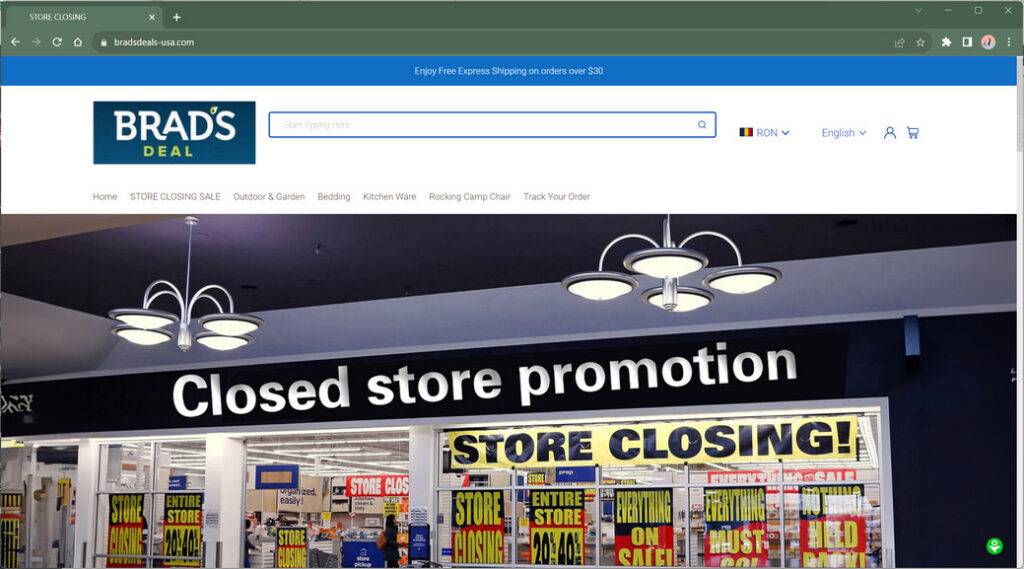
Overview of the Brad’s Deals Fake Websites Scam
The Brad’s Deals fake websites scam relies on mimicking the visual design and branding of the real Brad’s Deals platform. To an unsuspecting user, the counterfeit site appears legitimate and trustworthy. However, the fake Brad’s Deals websites have no affiliation with the actual company.
These fraudulent sites are set up solely to defraud customers by collecting payments and personal information but never delivering the promised products. The scam websites display deals too good to be true on high-end items, electronics, and other expensive products, luring victims in with seemingly amazing bargains.
Once payments are processed, customers receive nothing, inferior knockoffs, used goods, or completely incorrect items. Their personal and financial data is also compromised in the process. The fake sites then block users who complain or try to get refunds.
How the Fake Brad’s Deals Website Scam Works
The operators of the fake Brad’s Deals websites rely on a variety of deceptive techniques to reel in victims and carry out their scam:
1. Driving Traffic to the Sites Through Spam and Misleading Ads
The first step is promoting the fraudulent sites to unsuspecting shoppers. The scammers typically:
- Send spam emails with links redirecting to the fake sites. The emails often claim the recipient has won a gift card or contains fake order confirmations.
- Run ads on social media platforms like Facebook and Instagram for the scam sites. The ads showcase products at unbelievably huge discounts compared to normal prices.
- Publish fraudulent articles online praising the fake site’s deals. These articles appear designed to manipulate search engines into ranking the sites higher.
2. Copying the Look and Feel of the Real Brad’s Deals Website
The fake sites closely imitate the visual design of the real Brad’s Deals site. They use the Brad’s Deals name, similar color schemes, logos, and product categories.
This copycat strategy fools customers into thinking they are on the legitimate website and can trust the deals presented. But in reality, they are interacting with an elaborate scam operation.
3. Baiting Shoppers with Deals Too Good to Be True
The fake sites tempt customers by listing name-brand products like iPads, game consoles, and luxury apparel at absurdly low prices, often 70-90% off normal retail costs.
These unrealistic deals are designed to entice bargain hunters who hope to finally score amazing savings they can’t find anywhere else. But it ends up being an attractive trap.
4. Collecting Payment and Personal Information
When customers attempt to purchase the discounted products, the sites require them to enter personal and payment information like:
- Full name and contact details
- Credit/debit card number
- CVV code
- Billing address
This sensitive data is likely captured either for financial fraud or sale on dark web marketplaces.
5. Never Shipping Ordered Products
After receiving victim’s money and information, the fake sites typically:
- Never ship anything to the customer, effectively stealing their money.
- Ship counterfeit versions made with inferior materials and components.
- Send used, damaged, or tampered with items instead of new products.
Either way, the customer ends up scammed without receiving what they ordered.
6. Blocking User Complaints
When understandably upset victims try to contact the sites to request refunds or report being defrauded, they find:
- Email addresses and contact forms that are non-functional or ignored.
- Accounts quickly blocked so complaints cannot be made.
By preventing victims from complaining, the scammers can keep scamming new customers undeterred.
5 Ways to Recognize Fake Brad’s Deals Websites:
Want to avoid falling prey to the Brad’s Deals impersonator scams? Here are 5 telltale signs to identify the fraudulent sites:
1. Typos, Grammatical Errors, and Amateur Design
Fake sites often contain typos, broken English, and grammar mistakes throughout their pages. They may also look hastily put together with uneven formatting.
The real Brad’s Deals website does not suffer from these hallmarks of scam websites. It maintains professional English copy and web design.
2. Different Domain Than BradsDeals.com
The domain name of the real Brad’s Deals website is BradsDeals.com. Fake Brad’s websites use completely different domain names.
For example:
- BradDealsShopping.com
- BradsDealz.org
- BradsDealsStore.co
Be wary of any site using the Brad’s Deals name but not on the official BradsDeals.com domain.
3. Ridiculously Low Prices
If the discounts seem too good to be true, they almost certainly are. Fake sites advertise prices that are often 70% or more below normal retail costs for items.
These unrealistic prices are a dead giveaway the products don’t actually exist and it’s a scam.
4. Credit Card Logos But No Secure Checkout
Most fake sites display Visa/Mastercard logos implying you can safely pay with credit cards. But their checkout process is NOT secure, transmitting your details in plain unencrypted text.
Real e-commerce stores only have encrypted checkouts protected by SSL (https and a lock icon). Avoid entering any information on sites with no SSL.
5. No Contact Information
The real Brad’s Deals website provides legitimate contact info like a company address, phone number, and email.
Scam sites either:
- Show no contact information
- Display fake addresses and numbers that don’t actually work.
This lack of working contact methods prevents customers from reporting issues or requesting refunds.
What to Do if You Suspect a Fake Site:
If you land on a website claiming to be Brad’s Deals but find any of the red flags described above, take the following actions:
- Do NOT enter any personal or payment information – This could lead to financial fraud or identity theft.
- Leave the site immediately – The longer you stay, the higher the risk of inadvertently downloading malware.
- Clear cookies & cache – Delete any tracking cookies placed by the site to sever connections.
- Scan for malware – Run a full system scan to check for any malware that may have infected your device.
- Contact your bank – If you did submit payment info, contact your bank to monitor for fraudulent charges. Cancel the associated card to prevent future misuse.
- Report the website – File a scam report about the fraudulent website to watchdog groups, including the FTC, IC3, and BBB.
What to Do If You Get Scammed by a Fake Site:
If you placed an order through a fake Brad’s Deals website and lost money or personal information, here are important next steps to take:
- Alert your bank & credit bureaus – Report fraudulent charges or compromised financial accounts immediately. Place fraud alerts and request new account numbers.
- Monitor your credit reports – Keep an eye out for signs of identity theft like new accounts opened in your name.
- Reset online account passwords – Change passwords for any online retail, email, or financial accounts tied to the information you entered on the scam site. Enable two-factor authentication where possible.
- File a complaint with the FTC – Submit a scam report to the Federal Trade Commission so they can investigate the website. Provide details like the site URL, screenshots, and transaction records.
- Dispute payments – Work with your bank to contest any credit card or debit card payments made to the fraudulent website and request chargebacks. Provide evidence showing the site scammed you.
- Be vigilant about spam – Scammers may target you again in the future since they have your contact information. Be extra cautious about spam calls, emails, and texts requesting personal or financial details.
Conclusion – Shop Smart Online
The emergence of fake websites like the Brad’s Deals impersonators highlights the need for caution when shopping on the internet today. Scammers are working harder than ever to create elaborate storefronts that look legit but only intend to defraud customers.
Protect yourself by learning the warning signs of online scams and carefully researching sites before providing payment information. Stick to well-known, reputable retailers to ensure you receive genuine products as advertised. Avoid letting the lure of ultra-low prices override your common sense.
With vigilance and smart online shopping habits, you can gain access to the internet’s convenience without compromising your security. Don’t let scam sites deny you the benefits of e-commerce.
Frequently Asked Questions
Is Brad’s Deals shutting down due to scams?
No, the legitimate Brad’s Deals website is not shutting down. Only the fake copycat websites impersonating it are fraudulent and should be avoided.
How can I get my money back if I paid a fake site?
Immediately contact your bank and credit card provider to report the charges as fraudulent. Provide any details you have about the scam site and transactions. The sooner you report it, the better chance of getting reimbursement.
Are the deals on Brad’s Deals fake websites real?
No. The copycat websites are complete scams designed to steal money, data and identity information. Any “deals” promoted are fake and used as bait. No real products will be sent.
Can I tell by looking quickly if a Brad’s Deals site is fake?
Look for red flags like strange URLs, bad grammar, incorrect branding, and prices that seem unrealistic. But scammers make sites appear very similar, so examine carefully before providing any information.
What happens after I place an order on a Brad’s Deals scam website?
The likely outcomes are: receiving nothing and having your money stolen; getting inferior knockoffs or used items; having completely wrong items sent; or getting products that could be unsafe or tampered with.
Should I use prepaid cards on Brad’s Deals real or fake websites?
It’s always wise to use prepaid cards when shopping at any unfamiliar sites online. This limits exposure of your real credit and banking information, keeping it more secure.

Join the discussion
0 commentsShare your experience or ask a question about this article.
Discussion
Start the conversation
Have a question or something useful to share? Add the first comment.