


You find an unfamiliar seller, check the ratings, and relax a little. Hundreds of people appear to have made the same purchase and loved it.
That feeling is exactly what an online review is supposed to help you judge. But sometimes the reassurance is the product being sold.
Overview
The reviews can be bought before a customer buys the product
The fake five-star reviews scam replaces independent customer experience with paid reputation. A business can look well established without earning the praise surrounding it.
Underground sellers openly advertise positive reviews and negative-review removal across familiar platforms. These are offers to manipulate what a prospective buyer sees.
Someone manually posting the words does not make the experience genuine. A real account holder can still write about a product they never used.
The deception can hide complaints as well as add praise
Adding favorable comments is only one side of the trade. Services also promise to make unwanted criticism disappear, leaving a cleaner-looking record behind.
Legitimate moderation exists too. Removing spam, personal information, or a review about the wrong business is not automatically dishonest suppression.
The problem is distorting the record so that readers mistake manufactured or selectively concealed feedback for the experience of actual customers.
What a careful buyer should look at instead of the score alone
- Specific, recent experiences with the exact product and seller you are considering.
- Whether repeated complaints describe delivery, refunds, safety, or another problem that matters to your purchase.
- Whether the review appears independently or only as a quote selected by the business.
- The actual seller, terms, payment total, and complaint process behind the reassuring ratings.
Do not buy simply because an unfamiliar offer has a wall of perfect reviews. If the rating is doing all the reassuring, pause the transaction.
Why a Real Person Can Still Write a Fake Review
It is easy to imagine fake reviews as badly written comments from obvious bots. That picture leaves out people paid to simulate a customer’s experience.
A reviewer can have a name, photograph, and older activity while lacking any honest basis for the particular recommendation they post.
The useful question is not whether a human typed it. It is whether the review describes a genuine experience without disguising a relationship that affects its credibility.
Likewise, polished writing does not establish dishonesty. Some customers write carefully, use translation tools, or get help expressing an entirely real experience.
AI-generated language can support manipulation, but a writing style is not a reliable authenticity test. Do not accuse a reviewer based on smooth sentences alone.
A business can also display selected testimonials that are genuine but unrepresentative. Three happy quotes may tell you very little about a recurring refund problem.
Read reviews as accounts of experience, not as decorative proof beside a purchase button. The detail inside them should help answer your practical questions.
How the Fake Five-Star Reviews Scam Works
Step 1: A reputation gap becomes something a seller can purchase
A new or poorly rated business wants the confidence that established sellers enjoy. A review-manipulation service offers an apparently faster route than improving the underlying experience.
The service may advertise a particular platform, star rating, quantity, or promise that the comments will remain online.
Those promises are made by the service itself. They do not demonstrate cooperation from the platform, legitimate customer purchases, or an authorized way around its policies.
For a shopper, the result can be a persuasive review history appearing before a reliable business history exists.
Step 2: Positive experiences are manufactured or directed
Reviews may describe helpful support, quick delivery, or excellent quality without the corresponding customer experience. Repeated themes help make the overall offer feel dependable.
Another version involves incentives that depend on a positive rating. The customer may have bought the item, but the reward pressures the supposed independent opinion.
Under the US FTC’s review rule, paying for a required favorable sentiment is different from asking for honest feedback regardless of its direction.
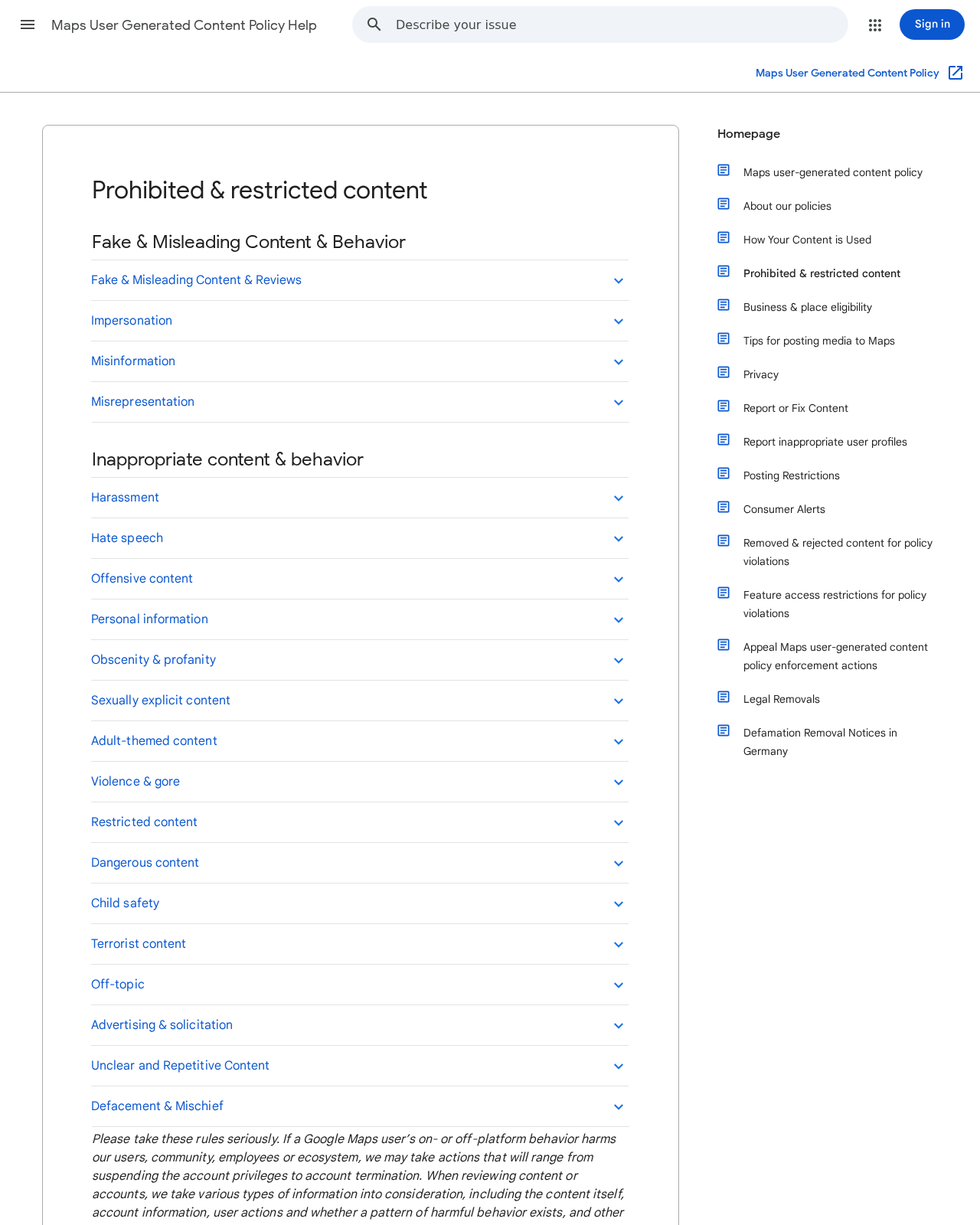
Platform policies may be stricter still. Google’s Maps contribution policy prohibits fake engagement and incentivized review activity.
Step 3: Uncomfortable information is pushed out of the picture
A manipulation service may also offer to remove negative reviews. Losing genuine complaints can change the apparent balance even without adding another positive comment.
That does not mean every missing review was secretly bought away. Platforms remove material for legitimate policy reasons, and contributors can edit or delete their own posts.
Trustpilot says businesses cannot purchase the removal of a review merely by paying for its services. A seller promising that outcome should not be treated as speaking for Trustpilot.
Keep the distinction clear: a disputed review needs a fair assessment, not an automatic assumption that either the reviewer or business must be lying.
Step 4: The improved-looking score changes a purchase decision
The shopper sees the finished result rather than the transaction behind it. A high score appears to settle doubts about a merchant they would otherwise investigate.
That is where the manipulation becomes costly. The rating may encourage a larger order, a nonrefundable booking, or trust in an unsupported health claim.
The words can also answer exactly the fears holding someone back: the item really arrived, support really helped, or the refund really worked.
Before accepting that reassurance, look for independent detail you can compare with the actual offer. A positive conclusion without an identifiable experience is less useful.
Warning Signs That Deserve a Closer Look, Not an Instant Accusation
A sudden burst of reviews can be worth examining. It can also follow a genuine campaign inviting recent customers to leave feedback.
Repeated wording may suggest a template, but customers sometimes repeat phrases from a product description or a common service interaction.
Reviews that discuss the wrong product are more directly concerning. They may not help assess the item now being sold, regardless of how they arrived there.
Check whether the reviewer gives enough context to understand the purchase: a size, model, delivery problem, duration of use, or explanation of how support responded.
No single detail authenticates a review. A fraudster can invent specifics, and an honest customer may choose to write only one short sentence.
Use patterns to decide how much confidence to place in the material. Do not turn your suspicion into a public allegation about an identifiable person.
A sensible outcome may simply be deciding not to buy. You do not need to expose a particular reviewer to protect your own money.
The Difference Between a Testimonial, a Review, and a Test
A testimonial on a seller’s page is selected for marketing. Its placement tells you whose message it supports, even when the quoted experience is authentic.
An independent review platform offers a different setting, but it still needs moderation and authenticity controls. Its overall score should not replace reading the actual reports.
A product test answers another question again. A review saying a heater feels warm is not a measured test of room coverage or energy savings.
The same applies to supplements. A personal story cannot establish that a product treats a disease, and a rating cannot substitute for relevant clinical evidence.
For a booking, the review should concern the correct property and current service. For electronics, the exact model and seller can matter as much as the brand.
Match the evidence to what you need to know. An authentic five-star comment about fast dispatch does not establish long-term durability.
Also check whether the ratings belong to the item in your basket. A marketplace listing can include variations, and an older version may differ materially from today’s product.
Read the model or variant beside each useful review. This simple check can explain a mismatch without assuming that someone deliberately invented the customer’s experience.
What the FTC Rule Does and Does Not Mean
The FTC’s consumer review guidance explains prohibited fake-review practices, sentiment-conditioned incentives, and certain forms of suppression.
It does not make every incentive unlawful in every context. An offer for honest feedback without a required sentiment still needs appropriate disclosure and compliance with platform rules.
Nor does simply sorting reviews automatically constitute prohibited suppression. The way information is presented and represented matters.
Businesses can challenge reviews that genuinely violate a platform’s standards. That process should not be confused with buying a guarantee that truthful criticism will disappear.
A legal rule also does not mean every deceptive review is caught immediately. Consumers still need a practical way to assess a transaction before paying.
Finally, these are US rules and guidance. Readers elsewhere should use their own consumer-protection channels rather than assuming the same procedure or remedy applies everywhere.
What to Do If Fake Reviews Influenced Your Purchase
-
Save the offer and the review that mattered. Keep the product page, seller identity, rating display, relevant comment, and purchase confirmation.
Record why the information affected your decision. A promise about returns or a particular product feature is more useful than a general statement that the stars looked good.
-
Identify the actual problem with the transaction. Was the order missing, materially different, defective, or associated with an undisclosed charge?
A suspicion about reviews is not the same as evidence of non-delivery. Describe the purchase problem accurately when seeking a refund or payment dispute.
-
Request the appropriate remedy from the seller. Put the order number, dates, promised feature, and requested resolution into a concise written message.
Keep the response and any deadline. Do not accept a request to post praise as a substitute for addressing the original problem.
-
Ask your payment provider about unresolved losses. Supply the receipt, original description, delivery information, photographs, and correspondence.
Explain what was authorized and what went wrong. Your provider’s process and deadlines depend on the payment method; a manipulated rating alone does not guarantee reimbursement.
-
Flag suspicious reviews through the hosting platform. Use the relevant reporting tool and identify a concrete policy concern.
For example, note the wrong product or a documented offer of payment for a required rating. Do not coordinate mass reports simply because you dislike the business.
-
Keep your own review factual. Describe what you ordered, what happened, the dates, and the response you received.
Retain receipts privately in case the platform asks for support. Do not publish full order identifiers, your home address, payment details, or another person’s private information.
-
Report evidence of manipulation to consumer authorities. US readers can use ReportFraud.ftc.gov and explain the fake-review concern in their report.
Include the business, website, relevant screenshots, and any message tying compensation to a rating. Separate documents you possess from claims you only suspect.
-
Ignore anyone charging to guarantee a result. A stranger promising to recover the payment or force a review deletion may be starting another deceptive transaction.
Use the payment provider, platform, and legitimate reporting routes directly. No one needs your banking password to investigate a customer-review complaint.
If You Are Offered Money to Post or Change a Review
Do not agree to describe an experience you did not have. A script supplied by a company does not become your honest opinion because you paste it yourself.
If an offer requires five stars, keep a copy before deciding whether to report it. Adding a disclosure does not erase a required positive sentiment.
A refund for a defective product and a review are separate matters. Ask for the refund decision without accepting an obligation to misrepresent what happened.
If a company resolves your complaint, you can update your review truthfully. Explain the resolution rather than pretending the original problem never occurred.
Business owners should likewise decline guaranteed-star and guaranteed-deletion services. Legitimate feedback collection and a clear moderation policy are not the same thing as reputation fabrication.
Frequently Asked Questions
Can a five-star review be fake even if a real person wrote it?
Yes. A person may be paid to describe an invented experience or required to give a favorable rating. Human authorship alone does not establish authenticity.
Does a sudden increase in reviews prove fraud?
No. It is a reason to examine timing and content, not a verdict. Genuine customer invitations can also produce a burst of feedback.
Can a business pay Trustpilot to remove honest criticism?
Trustpilot says payment does not buy that privilege. A review may still be assessed under its guidelines, whether the business has a free or paid account.
Are all incentivized reviews treated the same way?
No. Legal disclosure requirements and platform rules differ. Requiring a favorable rating is especially problematic, and some platforms prohibit incentives more broadly.
Should I rely on an AI detector to identify fake reviews?
No. Writing style cannot reliably establish a genuine purchase or honest experience. Look at the transaction context and corroborating information instead.
What should I do if an item was never delivered?
Pursue the non-delivery directly with the seller and payment provider. Save the misleading reviews too, but do not let that separate issue delay your dispute.
The Bottom Line
Do not let purchased praise make a questionable offer look safe. Read beyond the score and decline a purchase whose main reassurance is an unverifiable wall of stars.
If you already paid, focus on the actual order problem, preserve the review evidence, and use legitimate refund, dispute, and reporting channels. Do not buy a promised recovery.

Join the discussion
0 commentsShare your experience or ask a question about this article.
Discussion
Start the conversation
Have a question or something useful to share? Add the first comment.