


The first interview went well. So did the technical round. Then an email said the data analyst job was yours.
Before the offer letter could go out, the recruiter said there was one course you had to take.
Overview
The job had interviews, a test and a promised offer
The fake KreditBee job scam used a familiar hiring process to make an unfamiliar payment request feel routine.
The advertised position was data analyst, and the supposed recruiter claimed to represent KreditBee.
An applicant described an HR interview, an online skills assessment and a technical discussion over Microsoft Teams.
They were told they had been selected and asked to send documents for onboarding.
The supposed recruiter then wanted ₹27,000 for a mandatory NumPy course and promised reimbursement. The applicant reported that KreditBee’s official channels told them the recruitment was an impersonation.
The fee and the document request were separate risks
The applicant said they paid nothing but had already shared identity documents.
The requested package included Aadhaar, PAN, passport, previous employer details and bank account information. Exactly which documents were sent remains private.
The training site in the account was numpyverse[.]com. The available evidence describes how the recruiter presented the site.
It doesn’t establish who operated it or what would have happened after payment.
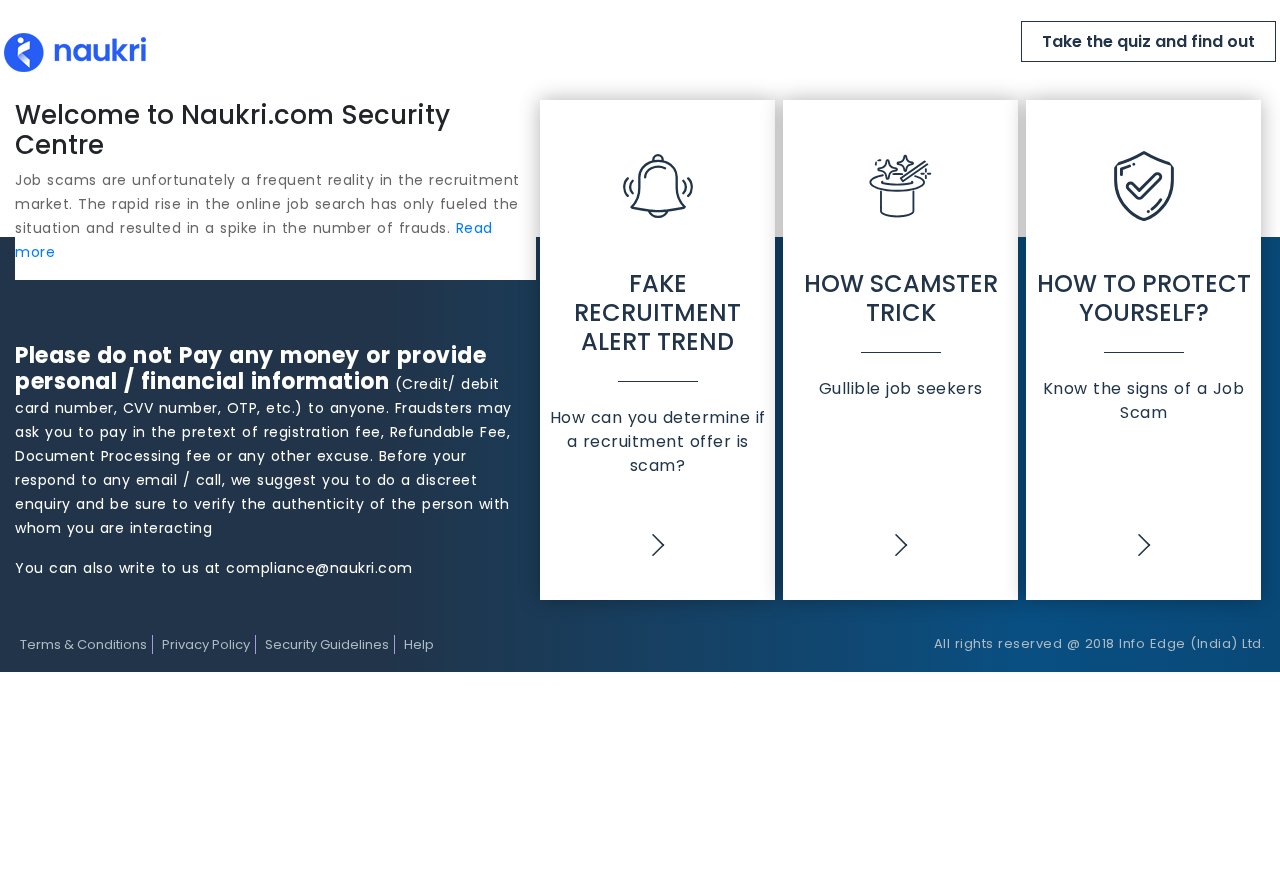
Naukri’s Security Centre, shown above, warns that recruitment fraud can involve demands for refundable payments or document fees. A second public account described a similar certification demand using KreditBee’s name.
The point to stop and verify
- Someone says you have been selected but withholds the formal offer until you pay.
- A training site is chosen for you, and the recruiter tells you to use your own money.
- Reimbursement is offered as an answer to concerns about the cost.
- Sensitive onboarding documents are requested before the company confirms the hiring process.
Open a separate conversation through the company’s own channels. Give them the role and recruiter’s claimed identity, and ask whether the offer and paid course are part of their process.
How the Fake KreditBee Job Scam Works
Step 1: The message lands after a job application
The applicant reported receiving an email and phone call after applying for a data analyst role. Because they were already looking for work, an invitation to interview made sense.
A reply can refer to your skills or recent applications and still come from an impostor.
Keep a record of the listing, job reference and the company that actually advertised it.
If you applied through a job board, check your application history there. Use that record to confirm the posting’s details before sending anything the new contact asks for.
Step 2: A real meeting platform makes it feel official
The reported process included a technical interview on Teams and a skills assessment on a separate platform. A convincing interview can take time and include questions specific to the job.
Teams tells you where the meeting takes place. A testing platform tells you where the test is hosted. The employer still needs to confirm who organized them.
When you receive the meeting invite, look at the organizer’s complete address. If anything differs from the company’s published contact details, independently verify who is handling the recruitment.
Step 3: Onboarding starts before you can verify the offer
Being told you have the job changes the conversation. Questions about payroll and identification may feel reasonable once you expect a start date.
In this case, the request for sensitive records came before the official offer letter was due. That timing left the applicant relying on what the recruiter said about the job.
Ask the employer which records it actually needs, at what stage, and where to submit them.
A chat, shared link or unexpected form deserves a separate check before you upload anything.
Step 4: The recruiter introduces the ₹27,000 course
The fee was framed as a requirement for the role. The applicant said the recruiter promised reimbursement within a week if they paid for the course upfront.
NumPy is a real tool used in data analysis. The NumPy project’s learning page lists ways to learn it. None of that verifies a particular employer’s demand for payment.
In the report, the supposed recruiter also mentioned a later hiring cycle without the requirement.
That made waiting feel like the price of declining. Give yourself time to check with the employer.
Step 5: The job offer falls apart outside the recruiter’s channel
The applicant said they reached KreditBee through official channels and learned that the people who contacted them were impersonators. They stopped before paying.
They still had a problem to deal with. Documents had already been shared. The applicant reported the incident through India’s cybercrime portal and to the company.
If you are at this point, stop the payment discussion and make a list of what you sent.
Your bank and the authorities will need different information depending on the exposure.
How to Verify an Offer That Includes Training
Begin with the employer’s own website or an established company contact. Locate a recruiting address independently.
Ask whether the job reference, role and person contacting you belong to a real vacancy.
Give HR the information it needs to locate the request, such as the listing and the sender’s address. You can ask for verification without attaching your identity or financial documents.
If training really is required, ask whether the employer sponsors it, whether another provider is accepted and what the requirement looks like in writing.
Then check the training company independently. A genuine course can exist without any connection to the employer named in the pitch. Buying a course cannot make an unverified offer real.
Look closely at the onboarding stage
Ask when a written offer will be issued and who signs it. Get the answer through a verified route before entering information into a payroll form.
If the offer mentions a refund, ask who would pay you back, under what terms and where that obligation is recorded. Leave payment paused while you check.
Keep the job opportunity separate from the course. If you want to learn NumPy, you can choose your own resources and set a budget without pressure from a recruiter.
Which details will help the genuine employer?
Save the role title, job reference and the complete sender address. Give the company the date of the interview and the name the person used.
Keep copies of the offer, assessment and fee request, including a screenshot of the destination. Send them through a verified reporting channel if the company wants to see them.
If the recruiter pointed you to a real person’s profile, mention where the profile appeared. The named individual could be dealing with someone copying their identity.
Check what the course page actually promises
Open the official NumPy project separately if you want to understand what the skill involves. Compare that with what the recruiter says the employer requires.
Ask who issues the proposed certificate and where the company’s real hiring team documents that requirement. A certificate that exists can still be irrelevant to the job you applied for.
If the recruiter tells you the provider must be paid before HR can talk, leave the payment alone.
The person who wants the money should not be your only source of confirmation.
If you have a screenshot of the payment request, save the named recipient and any reference shown. Keep it private and pass it to your bank if you paid.
If you already shared your documents
Start by listing every document you remember sending and the method you used. Note whether it went through email, a messaging app or an upload page.
Make a separate entry for any password, OTP or approval. That tells your bank whether it needs to review actual account access as well as possible use of the documents.
Check for credit activity you don’t recognize. If someone contacts you about an unfamiliar application, call the named lender through its published number and ask for the details.
If you shared a document belonging to somebody else, tell that person. They may need to contact the issuing authority themselves or check their own accounts.
If you still have access to the original upload page, preserve what you can from your existing records.
Avoid logging in again just to see whether the files are still there.
Tell the platform which part was deceptive
When reporting a job listing, include the job reference and the sequence that followed. Explain that an impersonator linked a certification payment to the promised offer.
Give the platform the amount and the sender’s contact details through its reporting channel. That helps it look for repeat approaches involving the same identity or payment instructions.
If a real recruiter’s name was used, report the account that contacted you. Keep private individuals out of public warnings unless you can verify their actual role.
The FTC’s job scam guidance also identifies training and certification charges as common reasons fake recruiters give for demanding payment.
Keep your real job search moving
Save the original vacancy and the version of your résumé you sent. If you hear from genuine HR later, you’ll be able to establish what you applied for and when.
Start a fresh conversation using a contact you located independently. Ask for a job reference you can verify and for the company’s own explanation of the hiring stages.
Some roles ask about training during interviews. You can discuss the skill and its relevance without paying a third party or submitting sensitive documents before the employer confirms the offer.
If you reused an account password on the assessment or onboarding page, protect that account before applying elsewhere. The same email may receive interview invitations and password reset messages.
What to Do if You Have Fallen Victim to This Scam
-
Stop dealing with the recruiter and leave the course unpaid. Contact KreditBee through a channel you find independently to confirm what you were told.
-
If you paid, contact your bank, card issuer or payment app immediately. Give it the transfer reference, date and amount and ask about fraud procedures.
-
In India, call 1930 or use the National Cyber Crime Reporting Portal. The government’s reporting guidance lists both routes. Keep the acknowledgement.
-
List the documents and details you actually shared. Contact the relevant bank or document authority and ask what steps fit that exposure.
-
If you shared an Aadhaar copy, check UIDAI’s guidance and review authentication history. Ask UIDAI about locking biometrics if you suspect misuse.
-
Save the original messages, assessment invitations, job listing and payment request. Report the recruiting profile and the listing through the platform that hosted them.
-
Change any password you entered on an unfamiliar site. Review your email’s sessions and recovery settings before using it for more applications.
UIDAI’s Aadhaar guidance explains authentication history and available locks. Keep checking for misuse involving other documents, such as PAN or a passport, separately.
If you shared an account number, tell the bank exactly what went out with it. An account number alone raises different questions from a password or a one-time code.
If you think you see a new loan in your name, obtain the account information through a trusted route and contact the named lender to dispute it. Keep the response.
If a recruitment page asked you to download and open a file, secure the affected device before banking on it. Malwarebytes can help check for unwanted software.
AdGuard can reduce exposure to some deceptive links and ads. Keep verifying the employer yourself, especially before a payment or an upload of identity documents.
Frequently Asked Questions
Did KreditBee really require the ₹27,000 course?
The applicant said the real company identified the recruitment as impersonation. Confirm any training requirement directly with the employer before paying or sending documents.
Does an interview on Teams mean the offer is genuine?
Teams can host a genuine interview or a conversation with someone impersonating a recruiter. Verify the organizer with the employer through a separate route.
Is learning NumPy itself part of the scam?
NumPy is a real software library. The scam used its name in a demand to pay for a specific course before receiving a supposed job offer.
What if I paid through a UPI app?
Contact the bank and payment app immediately. Give them the transaction reference and explain how the payment was induced. Report financial cyber fraud through India’s official channels.
What if I sent documents but never paid?
Make a private list of what you sent, report the impersonation and contact the relevant bank or issuing authority. Check for unexpected authentication or credit activity.
Should I accept the promise of reimbursement?
Pause before paying. Ask the employer independently whether the offer exists and whether it authorises the course. Keep any reimbursement promise as evidence if you already responded.
The Bottom Line
Don’t pay ₹27,000 to a course site to unlock a KreditBee offer letter. Verify the role and any training requirement through the company’s own contact details.
If you already shared documents or made a payment, call the appropriate bank or issuing authority and use India’s official cybercrime reporting route. Keep the original messages.

Join the discussion
0 commentsShare your experience or ask a question about this article.
Discussion
Start the conversation
Have a question or something useful to share? Add the first comment.