

Scams and phishing attempts have become increasingly prevalent in the digital age, with cybercriminals constantly devising new ways to deceive unsuspecting individuals. One such scam that has gained significant attention is the FedEx ‘We Have Sent You A Message’ spam email. This article aims to provide a comprehensive overview of this scam, including what it is, how it works, what to do if you have fallen victim, technical details, and relevant statistics.
What is the FedEx ‘We Have Sent You A Message’ Spam Email?
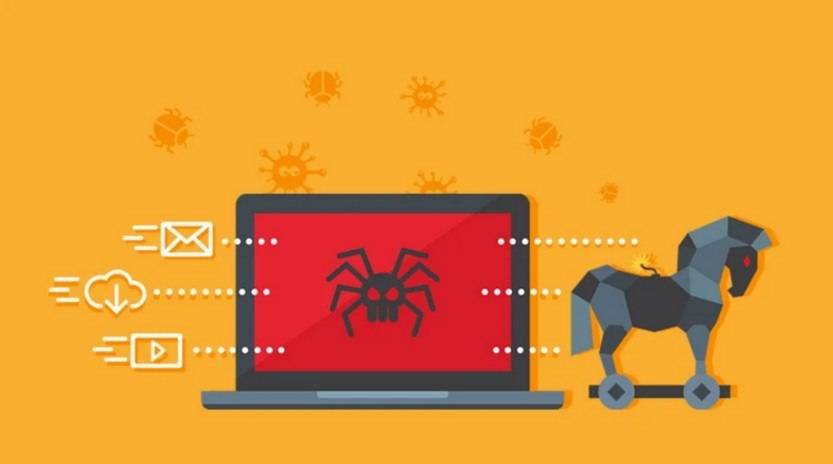
The FedEx ‘We Have Sent You A Message’ spam email is a phishing attempt that aims to trick recipients into clicking on a malicious link or downloading a harmful attachment. The email typically appears to be sent from FedEx, a well-known and trusted courier service, and claims that the recipient has a pending package or message that requires immediate attention.
These emails often use official FedEx branding, including logos and color schemes, to make them appear legitimate. They may also include personalization elements, such as the recipient’s name or address, to further deceive the recipient into believing the email is genuine.
How Does the Scam Work?
The FedEx ‘We Have Sent You A Message’ spam email follows a common phishing technique known as social engineering. The email is designed to create a sense of urgency and exploit the recipient’s trust in FedEx to manipulate them into taking action.
Here is a step-by-step breakdown of how the scam typically unfolds:
- The recipient receives an email with a subject line related to a pending package or message from FedEx.
- The email appears to be sent from a legitimate FedEx email address and includes official branding elements.
- The email contains a message that urges the recipient to take immediate action, such as clicking on a link or downloading an attachment.
- If the recipient falls for the scam and clicks on the link or downloads the attachment, they may unknowingly install malware on their device or be redirected to a fake website designed to steal their personal information.
What to Do If You Have Fallen Victim?
If you have fallen victim to the FedEx ‘We Have Sent You A Message’ spam email or suspect that you may have, it is crucial to take immediate action to minimize the potential damage:
- Disconnect from the internet: If you suspect that malware has been installed on your device, disconnect from the internet to prevent further communication between your device and the attacker’s server.
- Scan your device for malware: Run a thorough scan of your device using reputable antivirus software, such as Malwarebytes Free, to detect and remove any malicious software.
- Change your passwords: If you have entered any passwords or sensitive information on a fake website, immediately change those passwords to prevent unauthorized access to your accounts.
- Report the incident: Inform FedEx about the phishing attempt by forwarding the suspicious email to their dedicated email address for reporting scams and phishing attempts.
- Stay vigilant: Be cautious of similar phishing attempts in the future and educate yourself about common scam techniques to avoid falling victim again.
Technical Details of the FedEx ‘We Have Sent You A Message’ Spam Email
Understanding the technical aspects of the FedEx ‘We Have Sent You A Message’ spam email can provide valuable insights into the methods used by cybercriminals. Here are some key technical details:
- Email headers: Analyzing the email headers can reveal important information, such as the sender’s IP address, the email’s route, and any suspicious or forged elements.
- Malicious links: The links included in the email can be analyzed to determine the destination URL and whether it leads to a legitimate FedEx website or a malicious site.
- Malware payloads: If the email contains an attachment, it is essential to analyze the file for any malware payloads. This can be done using antivirus software or online malware analysis tools.
- Domain analysis: Checking the domain used in the email address or the URL can help identify any inconsistencies or signs of a fake website.
Statistics on Phishing Attempts and Scams
Phishing attempts and scams, such as the FedEx ‘We Have Sent You A Message’ spam email, continue to pose a significant threat to individuals and organizations worldwide. Here are some eye-opening statistics:
- In 2020, the FBI’s Internet Crime Complaint Center (IC3) received over 791,790 complaints related to cybercrime, resulting in losses exceeding $4.1 billion.
- According to the Anti-Phishing Working Group (APWG), there were 241,324 unique phishing attacks reported in the first quarter of 2021 alone.
- Phishing attacks targeting delivery services, such as FedEx and UPS, have increased by 440% since the beginning of the COVID-19 pandemic.
- Approximately 30% of phishing emails are opened by targeted individuals, and 12% of those individuals click on the malicious links or attachments.
Summary
The FedEx ‘We Have Sent You A Message’ spam email is a phishing attempt that aims to deceive recipients into clicking on malicious links or downloading harmful attachments. By exploiting the trust in FedEx and creating a sense of urgency, cybercriminals attempt to trick individuals into compromising their personal information or installing malware on their devices.
If you have fallen victim to this scam, it is crucial to disconnect from the internet, scan your device for malware using reputable antivirus software like Malwarebytes Free, change your passwords, report the incident to FedEx, and stay vigilant to avoid future scams.
As phishing attempts and scams continue to evolve, it is essential to educate yourself about the latest techniques and remain cautious when interacting with suspicious emails or messages. By staying informed and taking proactive measures, you can protect yourself and your sensitive information from falling into the hands of cybercriminals.

Join the discussion
0 commentsShare your experience or ask a question about this article.
Discussion
Start the conversation
Have a question or something useful to share? Add the first comment.