

Spotted those tempting ads for 90% off Frankie4 clothes? Don’t let the hype hypnotize you. This is a siren song leading shoppers into dangerous waters.
Scammers are running amok on social media right now promoting fake Frankie4 sales. Their illusion is convincing. But behind the curtain lies an elaborate ruse to pilfer your money and steal your personal data.
This guide will help you avoid treacherous rocks by showing you how to identify deceptive Frankie4 scams. We’ll explore exactly how these fraudsters exploit the brand’s virality to reel in unsuspecting parents and gift-givers. By understanding their tricks, we can outsmart them at their own game.
Let’s debunk these despicable scams to keep your hard-earned money safe and get legit Frankie4 styles at fair prices. We wouldn’t want scammers making off like bandits in their Burberry diaper bags now would we? Read on to uncover their secrets.
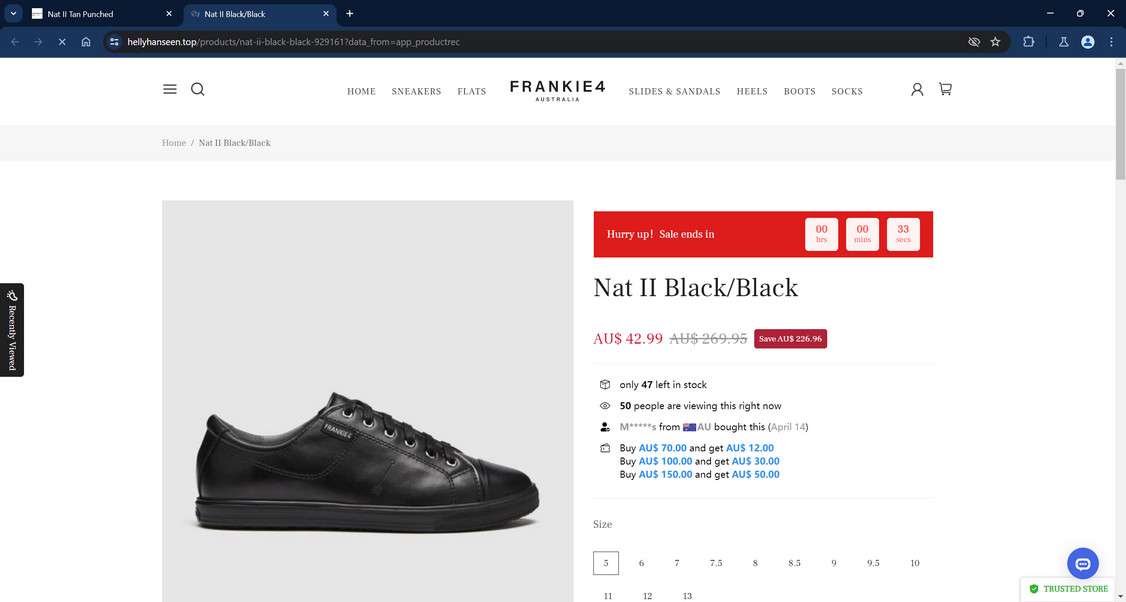
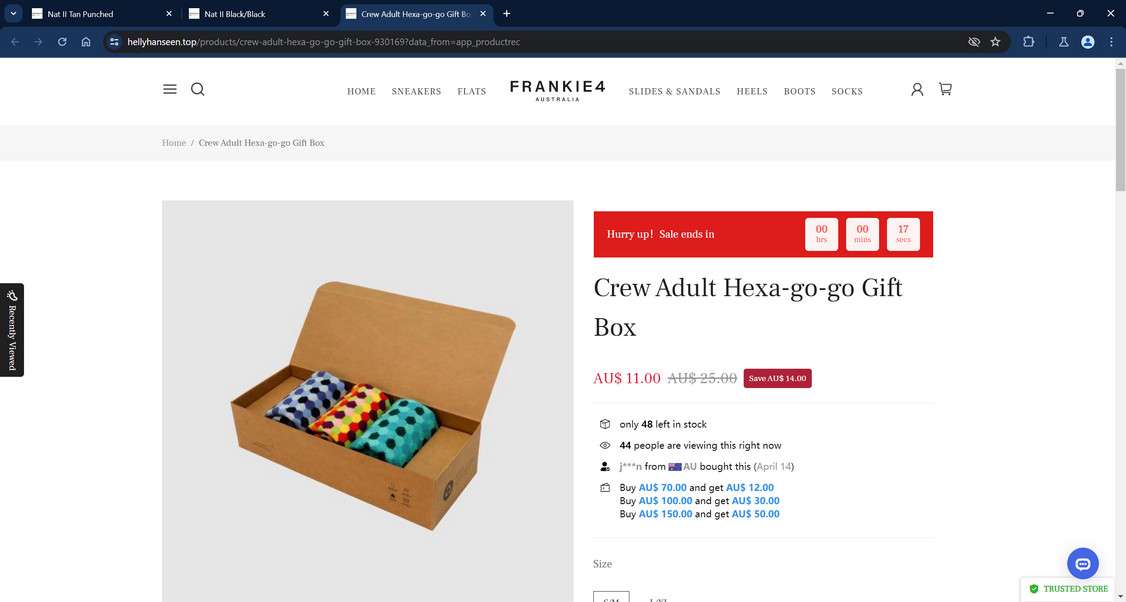
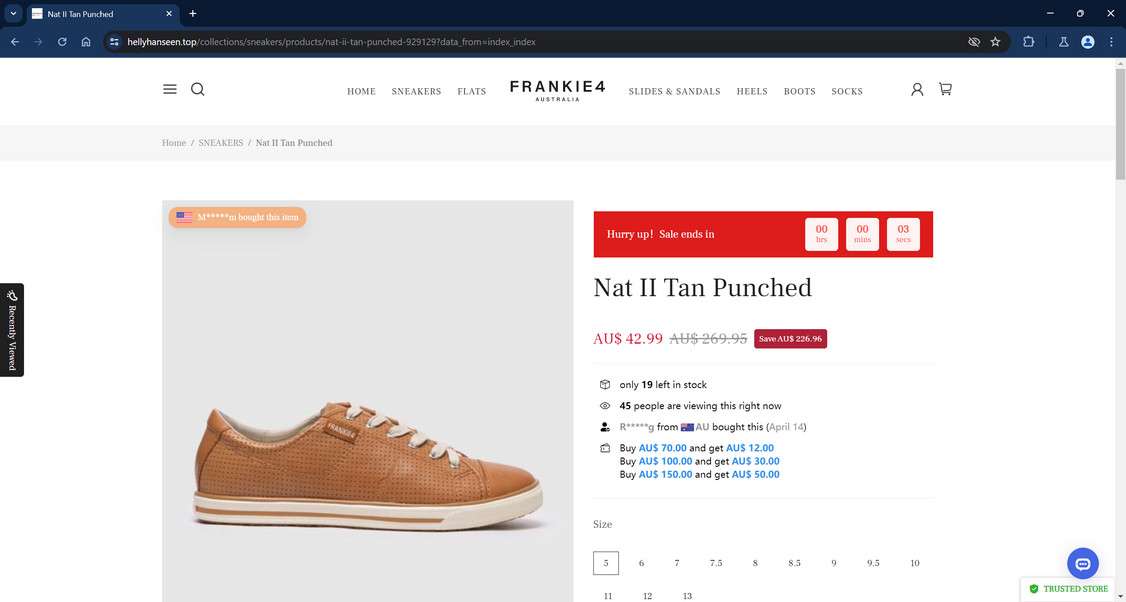
Overview of the Frankie4 90% Off Scam
Frankie4 first launched in 2018 and has since taken off among millennial parents seeking trendy kids clothes with a nostalgic 90s/Y2K vibe. Their t-shirts, hoodies, dresses, and accessories quickly garnered buzz on Instagram and TikTok. However, such rapid growth and visibility made the brand a prime target for counterfeiters and scammers.
These fraudsters create elaborate fake websites, social media profiles, and ads that appear to offer Frankie4 items for 90% off or more. The scam banks on the brand’s popularity and the enticement of extremely low prices. But the scammed shoppers who purchase from these sites either receive fake low-quality products – or nothing at all.
The deceptive websites use terms like “warehouse clearance” or “going out of business sale” while displaying stolen Frankie4 images and logos. This tricks victims into believing the sales are legitimate. Scammers also create fake ads across Facebook, Instagram and TikTok promoting these fraudulent sites.
Once victims place orders and enter payment info, they never receive any items. Or they get cheap knockoffs clearly not worth the price paid. Either way, the scammers pocket the money and stolen personal information. Duped shoppers have little recourse with the untraceable fake businesses.
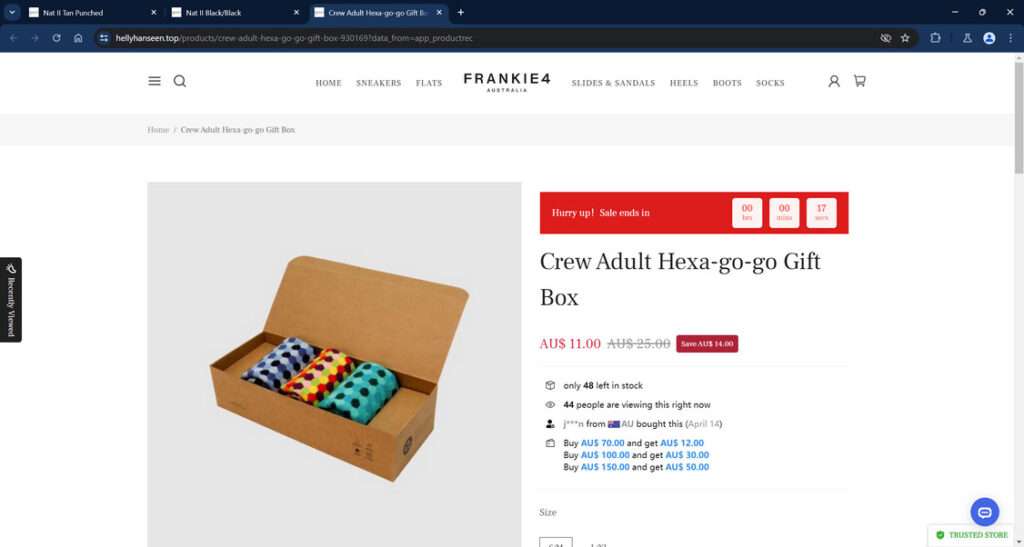
By understanding the motivations and techniques behind this scam, consumers can recognize the obvious red flags to avoid getting ripped off. Don’t let shady imposters leverage Frankie4’s reputation to steal your hard-earned money.
How the Frankie4 90% Off Scam Works
The fraudsters running this scam use a variety of deceitful tactics to dupe social media users into purchasing nonexistent or low-grade Frankie4 items. Here is a step-by-step look at how the scam unfolds:
1. Scammers Set Up Fake Ecommerce Sites and Social Accounts
The scam begins by fraudsters registering domain names like “frankie4wholesale” or “frankie4closeout” to create fake ecommerce websites. The sites closely mimic the look of legitimate Frankie4 online stores using the brand’s name, logos, fonts, and product imagery.
In addition, scammers make social media accounts on platforms like Instagram, Facebook and TikTok using Frankie4 in the handle. For example, @frankie4_outlet_store or @frankie4sales. These accounts allow them to directly promote the fake discounts.
2. Fake Ads Spread Across Social Media
Once the fraudulent sites and accounts are ready, the scammers launch campaigns of paid social media ads promoting their fake 90% off Frankie4 sales. The ads target parents, grandparents and gift givers with messages like “Going out of business!” and “Last chance for 90% off!”
On Instagram, they may work with influencers to post about the fraudulent deals. Facebook ads reach victims directly in their feeds using urgent hooks about flash sales.
3. Shoppers Hooked by the Big Discounts
When a potential victim engages with the fraudulent social media ads, they are taken to the scam websites littered with Frankie4 logos and supposedly discounted products. Prices on shirts and accessories slashed from $48 to $4.99 seem like unbelievable steals from a hot brand.
This convinces many shoppers that the scam sites are legitimate Frankie4 outlets offering real closeout deals. But it’s all an illusion to elicit purchases.
4. Scammers Steal Personal and Payment Details
During checkout on the fake Frankie4 websites, unsuspecting shoppers enter private information including names, shipping addresses, email addresses, and credit card numbers.
The checkout forms look professional, but are just a front to siphon sensitive user data directly into the hands of scammers. Victims remain unaware as no legitimate transaction takes place.
5. Fake Order Confirmations Finalize the Ruse
In some cases, victims receive fake order confirmation emails made to appear as if they came from Frankie4 or a shipping company. These emails seek to dispel any doubts victims have about the legitimacy of the scam sites.
Of course, no order is actually placed or processed. But the deceptive confirmation email leads victims to believe their discounted items will arrive soon.
6. No Products Arrive, Just Knockoffs
Eventually victims realize they have been scammed when no items ever arrive from their supposed 90% off Frankie4 order. Or they receive very poor quality knockoffs that look and feel nothing like real Frankie4 apparel.
The scammers have already moved on with their stolen money and data, leaving victims empty-handed with little hope of recovering funds from the fake sites. Avoiding the scams altogether is the only sure way to protect yourself.
How to Spot Fake Frankie4 Discount Websites
While the scammers behind the fake Frankie4 sites try hard to precisely mimic the real website, some red flags can expose their trickery to savvy shoppers. Here’s what to look out for when assessing a site advertising unbelievable Frankie4 markdowns:
Double Check the Domain Name
Shady sites use names like “frankie4blowoutsale” or “frankie4clearancehub” instead of the real Frankie4.com. Search the ICANN Whois database for any unfamiliar domains to see when they were registered. Scam sites tend to have new registration dates within the last few months.
No Contact Information
Authentic businesses always provide real contact info like a phone number, corporate address, customer service emails, etc. Fake Frankie4 sites either leave this info totally blank or populate it with laughable made-up details. A quick Google search reveals the lies.
Dramatically Low Prices
While Frankie4 runs sales often, they’d never offer a laughable 90% off everything. If the entire site has tees discounted from $36 to $3.99 and hoodies from $75 to $7.99, run away because it’s clearly bogus. Legit sales discount certain items, not the whole inventory.
Copied Website Design and Content
Do a quick reverse image search on product photos shown. Fraud sites steal imagery directly from Frankie4.com to Fake it. Product descriptions are also usually completely copied from the real site with zero original unique content.
Dubious Slogans in the URLs
Phrases like “closing down” or “liquidation blowout” in the fraudulent site URLs aim to mislead. Frankie4 is a popular brand rapidly expanding, so they’d never advertise a going out of business sale.
Staying vigilant for these telltale signs of scam websites can steer you toward legit Frankie4 deals and away from shady scammers seeking to steal your coins.
Spotting Frankie4 Scams on Social Media
In addition to shady websites, the Frankie4 discount scam is all over social media using deceptive posts, ads, and impersonator accounts. Here’s how to detect the scam on popular platforms:
Watch out for Facebook ads in your feed using attention-grabbing phrases about warehouse clearances, final sales before closing, and more – all claiming to offer Frankie4 at 90% off or more. The ads often contain stolen Frankie4 images and lead to external scam sites when clicked.
Also beware fake Frankie4 accounts on Facebook promoting the unbelievable discounts through Group posts and on their own Pages. The accounts tend to be recently created, use stock images for their profile picture, and have generic names like “Frankie4OutletStore”.
Only trust the verified official Frankie4 Facebook page. Report any suspicious duplicate accounts or ads immediately.
Fraudulent Instagram accounts act like they are official Frankie4 outlets or warehouses clearing out inventory with huge markdowns on apparel and accessories. The posts contain eye-catching captions about final sales along with stolen images of Frankie4 items.
Check account creation date and follower count – scams tend to be recently made accounts with super low engagement. And click any links to scrutinize the related site for scam red flags. Don’t trust random DMs about sales either.
TikTok
Like Instagram, scam TikTok accounts pose as Frankie4 reps clearing out stock and offering once-in-a-lifetime markdowns in videos. The ads rapidly promote the fake sales while displaying stolen product images and video meant to dupe viewers.
Confirm any account is the real @frankie4 account with a blue verification checkmark before trusting huge sale claims. Also beware video ads running before unrelated content.
Staying alert on social channels and checking for verification is key to avoiding this widespread scam. Only shop Frankie4 through their official accounts and ads.
What to Do if You’ve Been Scammed
If you placed an order through a fraudulent Frankie4 website or social media profile, take these steps immediately:
- Contact your credit card company – Report the charges as fraudulent so they can reverse the payment and issue a new card.
- Monitor accounts – Check your credit and bank accounts thoroughly for any signs of misuse of your information.
- Change passwords – If you used the same password on the scam site as other accounts, change it everywhere immediately.
- Review credit reports – Request your free annual credit reports and check for any suspicious inquiries or accounts. Consider putting a credit freeze in place.
- File complaints – Report the scam to the FTC, state attorney general, IC3, social media sites, etc. to try to get fraudulent pages removed.
- Warn others – Share your experience in parenting groups and forums to help prevent others from falling for the same scam.
Staying vigilant following a scam is crucial to limit the potential damage done by the misuse of your personal information.
Frequently Asked Questions About the Fake Frankie4 90% Off Scam
1. How does the Frankie4 90% off scam work?
The scam typically operates like this:
- Scammers create fake ecommerce sites and social media accounts mimicking Frankie4’s official pages. They steal the brand’s images, logos, product info, etc.
- Fake ads on Facebook, Instagram, etc. promote the scam sites with “hard to resist” offers of getting 90%+ off all Frankie4 items. Targeting parents and gift-givers.
- Victims click the ads and are led to the fraudulent sites where everything seems 90% off.
- At checkout, unsuspecting shoppers enter their personal and payment details which are stolen.
- No items ever ship, or low quality knockoffs arrive instead. Scammers pocket the money and data.
2. What are some red flags of a fake Frankie4 website?
Warning signs of a scam site include:
- Recently created domain names (within past 6 months)
- Prices that seem too good to be true (ex. 90% off site-wide)
- Missing or fake physical addresses and contact information
- Plagiarized product images, descriptions, and content
- Typos, grammatical errors, and other sloppy mistakes
3. How can I spot Frankie4 Instagram scams?
Clues that an Instagram account is a scam:
- Account was recently created and has low/fake follower count
- Offering giveaways, huge discounts that seem bogus
- Posting stolen Frankie4 product images
- Lack of engagement on posts; comments/questions go unanswered
- No blue verification check mark; not the real @frankie4 account
4. What are signs of Frankie4 scams on TikTok?
On TikTok, avoid accounts that:
- Are recently created, have limited followers/views on videos
- Post videos with stolen Frankie4 product footage
- Offer too-good-to-be-true deals in captions
- Have links in bios that go to shady sites
- Have zero comments and no verification badge
5. What should I do if I already purchased from a scam site?
If you placed an order through a scam website, immediately:
- Call bank/credit card company to report fraudulent charges
- Monitor your statements closely for any signs of identity theft
- Change any passwords you used on the fake site
- File complaints with the FTC, state attorney general, IC3, etc.
- Warn others to avoid the scam website and account
6. How can I find real Frankie4 deals safely?
Only shop Frankie4:
- Directly through their official website Frankie4.com
- At authorized online retailers like Nordstrom, Revolve, etc.
- Through Frankie4’s verified social media accounts
- At select brick-and-mortar stores like Nordstrom, Revolve, etc.
Avoid unbelievable discounts from unverified sites or social accounts.
The Bottom Line
The Frankie4 90% off scam preys on the brand’s viral popularity and parents’ desire for bargains. But consumers can protect themselves by watching for red flags like unbelievable prices, recently created domains, fake contact info, bad reviews, and lack of social verification.
Spreading awareness about these deceptive techniques also helps curb the scammers’ ability to repeatedly dupe shoppers. Steer clear of shady websites mimicking real brands and only shop the official Frankie4 site and social channels to best avoid scams.

Join the discussion
0 commentsShare your experience or ask a question about this article.
Discussion
Start the conversation
Have a question or something useful to share? Add the first comment.