

Finding a new job brings hope for career growth and stability. But be wary of offers that seem too good to be true – they may be ploys to steal your money and data. Devious scammers are exploiting the name Global Healthcare Resources to trap eager job seekers with fake opportunities. Messages promoting lucrative Global Healthcare roles aim to dupe applicants. Any unprompted Global Healthcare job offer is likely a scam.
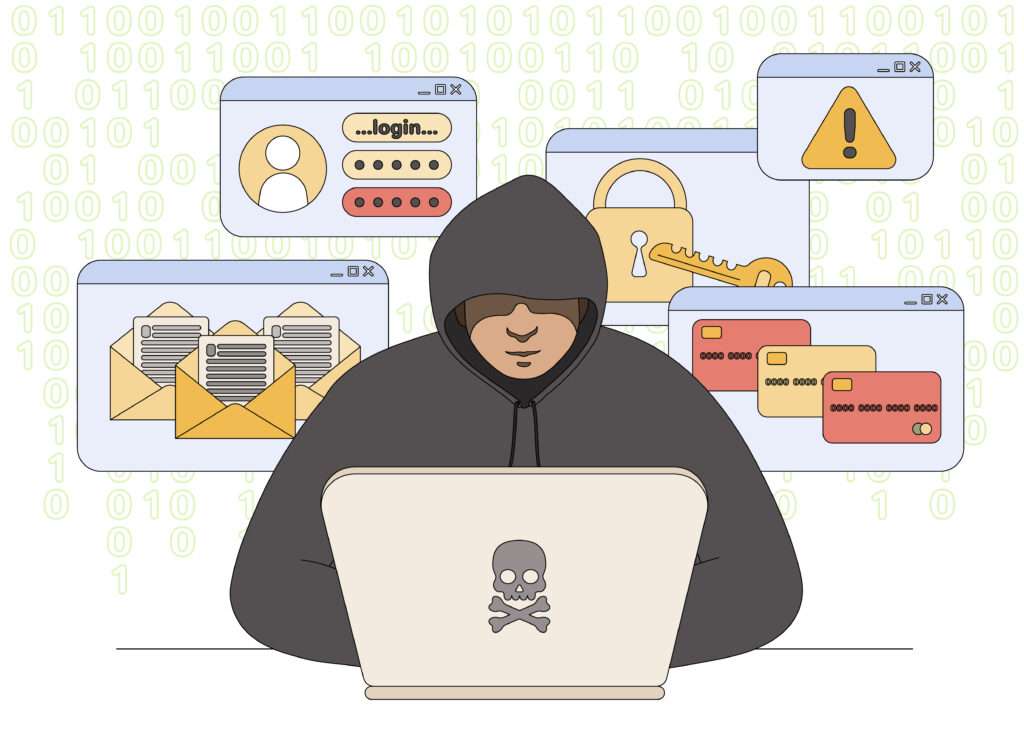
Overview of the Global Healthcare Resources Job Scam
This scam starts when potential victims receive a message on social media or text, posing as a Global Healthcare Resources recruiter. The texts describe desirable remote medical positions with great pay and flexibility. Recipients are told to respond for details.
The fake “Global Healthcare recruiter” then gathers personal information while selling the dream job. Ultimately victims are convinced to send money for alleged licensing fees, training costs, or equipment. But Global Healthcare is not recruiting for these roles. Scammers impersonate Global Healthcare employees to deceive applicants with fraudulent opportunities that don’t exist. Any funds paid go straight into scammers’ pockets.
Scammers Exploit Global Healthcare’s Strong Reputation
Global Healthcare Resources is a large healthcare staffing agency operating nationwide since 2003. They provide skilled medical professionals to healthcare facilities across the U.S. Global Healthcare’s success makes their respected name valuable for scammers.
By falsely claiming to represent Global Healthcare, fraudsters gain instant credibility with victims. People are more likely to trust communications seemingly coming from this established medical staffing firm. The scammers exploit Global Healthcare’s reputation to make the job scam more believable.
Fake Medical Jobs Look Highly Appealing
The scam job offers describe exciting and lucrative remote medical positions like:
- Work-from-home telehealth nurse
- Virtual medical biller
- Remote patient coordinator
Scammers tout exceptional pay, flexible hours, and advancement opportunities to entice interest from applicants. These roles sound ideal for those desiring remote medical work. Dangling such appealing opportunities convinces victims to provide personal details and ultimately money.
True Goal is Stealing Money and Sensitive Data
Despite discussing a fantastic job, the scammers never intend to hire anyone. Their real objectives are obtaining funds from fake “fees” and harvesting sensitive personal information.
They’ll request data like SSN, driver’s license, bank accounts, and medical credentials. This facilitates identity theft and financial fraud down the line. The scammers also convince applicants to pay for bogus requirements like licensing, training, and home office equipment. No services are rendered in return for these fees.
Scam Hits After Victims Pay the Fees
By the time applicants send money for “fees”, the false Global Healthcare recruiters cut off communication. Victims eventually realize there is no job, but the damage is done. The scammers disappear richer, having extracted hard-earned money and valuable personal data. These cons prey on people’s need for employment and desire for appealing remote medical work.
How the Fake Global Healthcare Job Scam Unfolds
Fraudsters conduct this scam through the following general steps:
Step 1: Initiate Contact Promoting Enticing Medical Jobs
Scammers send text messages or social media posts to potential victims describing appealing remote medical positions. Posing as Global Healthcare hiring coordinators, they promise exceptional pay, flexibility, and advancement opportunities. The messages provide instructions to “apply” by responding.
Step 2: Gather Information from Interested Parties
If interested, victims reply to the message. The fake recruiters begin gathering personal details under the pretense of “assessing eligibility.” Data collected includes full name, email, phone number, resume credentials, and more. Over time, they obtain increasingly sensitive information enabling future identity theft and financial fraud.
Step 3: Make Formal Job Offer to Build Trust
After enough details are gathered, scammers formally offer the job. They fabricate official documentation like:
- Offer letter listing salary, benefits, start date
- Job description
- Company policies
- Training program
This makes the opportunity seem real. Victims become invested after a “formal offer” and tend to comply with financial requests.
Step 4: Invent Fees Claiming Immediate Payment Needed
Right after extending the fake offer, scammers invent mandatory fees to be paid upfront. Examples include fees for licensing, training, background checks, or home office equipment. Urgency is conveyed around sending money quickly to secure the job. In reality, any funds paid are stolen.
Step 5: Disappear After Receiving Money
Once victims pay the fees, the fake recruiters cut off all communication. Attempts to reach them are met with silence. At this point, the victim realizes they’ve been scammed and there is no job.
Meanwhile, the fraudsters disappear richer with the stolen money and personal data. They are ready to target other individuals with the same scam routine.
Warning Signs of the Global Healthcare Job Scam
Job seekers can identify this scam by watching for these common red flags:
- Unsolicited contact about a medical job opportunity. Global Healthcare recruiters wait for direct applications.
- Vague details about the role initially. Scammers don’t actually know specifics.
- Requests for private data like SSN, bank accounts, and medical credentials. Unnecessary for initial vetting.
- Pressure to pay fees upfront for licensing, training, or equipment. Never legitimate.
- Pushes for quick action to accept offer before formal interviews. Real hiring takes time.
- Communication exclusively via text/messaging. Professional recruiters prefer phone.
- Poor spelling, grammar, or unnatural wording. Scammers typically operate overseas.
- Recruiter disappears completely after receiving money. Real recruiters maintain contact.
Exercise caution when interacting with unverified medical recruiters. Verify any offers by contacting Global Healthcare Resources directly before providing personal data or money.
What to Do if You’re Victimized by This Scam
If you lost money or personal data to a fake Global Healthcare job offer, take the following steps immediately:
Step 1: Cease All Contact with the Scammer
Immediately cut off contact with the fraudulent recruiter. Block their number to avoid re-victimization. Report them to authorities to help protect others.
Step 2: Notify Your Bank of Unauthorized Charges
If you paid fake fees, call your bank ASAP. Alert them to any fraudulent wire transfers or check payments. See if they can stop transactions in progress and reverse any processed.
Step 3: Place a Fraud Alert on Your Credit
Since scammers have your info, put an alert on your credit through Equifax, Experian, and TransUnion. This flags your credit report to show potential ID theft.
Step 4: Reset All Account Passwords
Change passwords on all online accounts, especially financial accounts. Use strong, unique passwords that scammers can’t guess. Enable two-factor authentication where possible.
Step 5: File Reports with Police and the FTC
Submit reports about the scam with your local police and the Federal Trade Commission. This can help authorities track and stop the fraudsters.
Step 6: Monitor Financial Accounts Closely
Watch all financial accounts vigilantly over the next few months. Scammers may use your information to commit theft or fraud. Report any suspicious activity immediately.
Seek assistance if you are victimized by an employment scam. Taking quick action helps minimize damages from the ordeal.
Avoiding Job Scams Altogether
Savvy job seekers can steer clear of scams completely by using these smart techniques:
- Verify any offers directly with the hiring company’s human resources department before providing personal data. Never trust unvalidated recruiters.
- Conduct thorough research on companies before applying. Look for legitimate web presence, office locations, and contact info.
- Avoid disclosing sensitive personal or financial information until undergoing formal interviews. This data is unnecessary early in the vetting process.
- Reject any request to pay upfront for your own licensing, training, background checks, or equipment. Real employers cover these mandatory costs.
- Be wary of unsolicited contact regarding job opportunities, especially via unconventional channels like text messages.
- Only use reputable medical job search platforms. Scammers target less regulated boards where they can impersonate recruiters more easily.
Trust your instincts – if an opportunity seems questionable, proceed with caution. Taking your time to thoroughly vet jobs protects you from employment scams.
Frequently Asked Questions About the Global Healthcare Resources Job Scam
What exactly is the Global Healthcare Resources job scam?
This scam starts with a text or social media message offering a remote medical job and claiming to represent Global Healthcare Resources. The “recruiter” gathers personal information and convinces victims to pay fake “fees” for licensing, training, etc. In reality, there is no job – it is a scam to steal money and data.
How can I recognize this scam?
Watch for these red flags:
- Unsolicited contact about a medical job opening
- Vague details initially about the role
- Requests for sensitive personal/financial information
- Asks you to pay upfront fees
- Poor grammar/spelling
- Recruiter disappears after getting money
Why do scammers use Global Healthcare Resources’ name?
Global Healthcare Resources is a large, reputable medical staffing agency. Scammers exploit their respected industry reputation to make the job offers appear more legitimate.
What should I do if I shared my information?
If you provided sensitive data, take steps like placing a fraud alert on your credit, changing passwords, and monitoring financial accounts. This can prevent identity theft and fraud.
What if I already paid money to the scammers?
If you paid by wire or check, contact your bank immediately to try stopping payments. File a police report. Watch financial accounts closely for unauthorized charges and report fraudulent activity ASAP. Unfortunately, recovering lost funds is very difficult.
How can I avoid job scams like this?
Tips to avoid job scams:
- Verify job offers directly with the hiring company
- Research companies making offers
- Don’t provide personal info to unvalidated recruiters
- Never pay upfront fees for your own licensing, training, equipment
- Use reputable job sites instead of unregulated boards
What should I do if I get a Global Healthcare Resources job offer?
Do not engage with the “recruiter.” Contact the real Global Healthcare Resources to confirm if the job offer is legitimate. You can also report the scam number to authorities. Ignore suspicious, unsolicited job offers.
The Bottom Line on the Global Healthcare Resources Job Scam
The Global Healthcare Resources job scam illustrates how fraudsters impersonate real companies and exploit eager applicants. By posing as Global Healthcare recruiters, scammers ensnare victims with fake medical job opportunities using the company’s respected reputation.
They leverage Global Healthcare’s trusted brand to build credibility and convince applicants to hand over personal details under the pretense of vetting qualifications. After securing sensitive information, the fraudsters pressure victims to pay bogus fees before disappearing completely.
This deceptive scam capitalizes on people’s need for stable employment and desire for lucrative, flexible medical work. In their eagerness to land a good job, unsuspecting applicants provide scammers the money and data they desire. Losses also include compromised identities and financial accounts.
Avoiding this type of fraud requires proactive awareness and skepticism. Verify recruiters’ identities directly with actual hiring companies before providing any personal data. Never pay upfront fees for your own employment requirements. With proper diligence, job seekers can recognize and evade employment scams.

Join the discussion
0 commentsShare your experience or ask a question about this article.
Discussion
Start the conversation
Have a question or something useful to share? Add the first comment.