

Task Manager is a powerful tool in Windows that allows users to monitor and manage running processes on their computer. It provides valuable insights into the performance and resource usage of various applications and services. However, sometimes users may come across unfamiliar processes running in Task Manager, such as the “Groove Music” process. In this article, we will explore why the Groove Music process appears in Task Manager and what it means for your system.
What is Groove Music?
Groove Music is a music streaming service developed by Microsoft. It allows users to stream and download music from a vast library of songs. Groove Music was initially introduced as Xbox Music in 2012 but was later rebranded as Groove Music in 2015. It is integrated into the Windows operating system and comes pre-installed on Windows 10.
With Groove Music, users can create playlists, explore new music, and listen to their favorite songs on various devices. It offers both a free ad-supported version and a premium subscription-based version called Groove Music Pass.
Why is Groove Music Running in Task Manager?
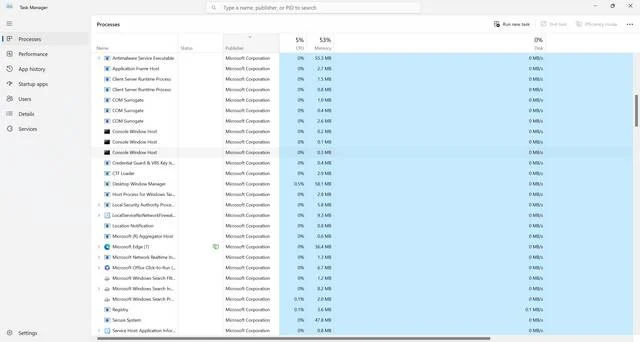
When you see the Groove Music process running in Task Manager, it indicates that the Groove Music app or service is currently active on your system. There are several reasons why Groove Music may be running:
- Background Music Playback: Groove Music has a feature that allows users to play music in the background while performing other tasks. When you close the Groove Music app window, the process may continue running in the background to ensure uninterrupted music playback.
- Automatic Startup: By default, Groove Music is set to start automatically when you log in to your Windows account. This ensures that the app is ready to play music whenever you want. The process running in Task Manager indicates that Groove Music has started with your system.
- Syncing and Updates: Groove Music may also run in the background to sync your music library across devices or to check for updates. This ensures that you have the latest features and bug fixes.
It’s worth noting that the Groove Music process consumes minimal system resources when running in the background. It is designed to be lightweight and efficient, so it should not significantly impact your system’s performance.
Is Groove Music a Virus or Malware?
Some users may be concerned that the Groove Music process running in Task Manager is a virus or malware. However, Groove Music is a legitimate application developed by Microsoft and is not malicious in nature. It is a built-in feature of Windows 10 and is not known to cause any security issues.
That being said, it’s always a good practice to regularly scan your system for viruses and malware to ensure the overall security and performance of your computer. If you suspect any malicious activity or want to be extra cautious, you can use a reliable antivirus software like Malwarebytes Free to scan your system.
How to Disable or Remove Groove Music?
If you don’t use Groove Music or prefer to use a different music player, you can disable or remove it from your system. Here’s how:
- Disable Groove Music: To disable Groove Music from automatically starting with your system, open the Groove Music app, go to Settings, and toggle off the “Autoplay at startup” option. This will prevent the Groove Music process from running in the background when you log in.
- Uninstall Groove Music: If you want to completely remove Groove Music from your system, you can uninstall it like any other app. Open the Start menu, search for “Groove Music,” right-click on the app, and select “Uninstall.” Confirm the uninstallation when prompted.
Keep in mind that uninstalling Groove Music will remove all associated data, including your music library and playlists. Make sure to back up any important data before uninstalling the app.
Conclusion
The Groove Music process running in Task Manager is a normal occurrence when the Groove Music app or service is active on your system. It indicates background music playback, automatic startup, or syncing and updates. Groove Music is a legitimate application developed by Microsoft and is not a virus or malware.
If you don’t use Groove Music, you can disable it from automatically starting with your system or uninstall it entirely. However, it’s important to note that Groove Music is a lightweight and efficient application that consumes minimal system resources. Removing it will remove all associated data, so make sure to back up any important files before uninstalling.
Remember to regularly scan your system for viruses and malware using reliable antivirus software like Malwarebytes Free to ensure the overall security and performance of your computer.

Join the discussion
0 commentsShare your experience or ask a question about this article.
Discussion
Start the conversation
Have a question or something useful to share? Add the first comment.