

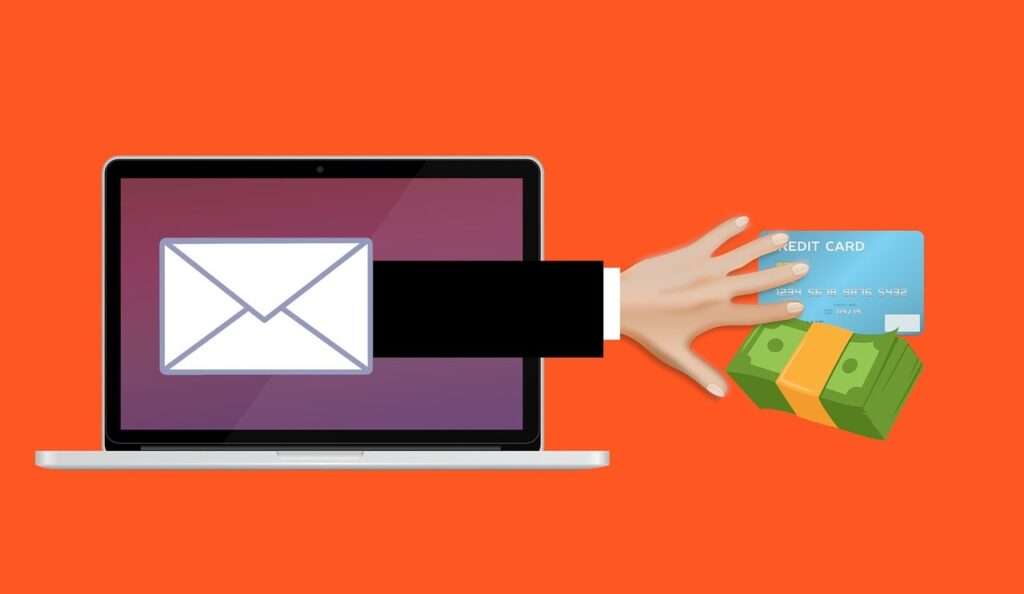
The “Hello My Perverted Friend” email scam is a deceptive phishing campaign targeting many innocent victims. This fraudulent email threatens to leak explicit videos of you to extort money. Here’s what you need to know about spotting and stopping this scam.
Overview of the Scam
The “Hello My Perverted Friend” phishing email starts off addressing recipients as “my perverted friend”, pretending to be a hacker who has known the victim for a while and implying they have been spying on online activities.
Building upon friendship familiarity, the scam email asserts that months ago access was achieved to the target’s personal devices, including gaining total visibility of browsing history and private webcam footage. It threatens to have recorded videos of the victim masturbating to hardcore pornography.
In intimidating and shaming language, the message describes supposed embarrassing sexual acts captured on tape through illegal webcam access, hoping to provoke a panic response in the reader. It alleges to have easily bypassed security protections using advanced malware.
Amping up threats further, the email warns it will virally spread explicit videos depicting illegal sexual situations across social media sites, porn sites and video platforms to ruin the victim’s reputation. It gives the impression that the footage could end up physically impossible to remove once propagated publicly.
The fraudulent email tries to manipulate recipients by claiming the only way to contain this fabricated sex scandal is by urgently paying a ransom of $500 or more in anonymous cryptocurrency like Bitcoin. Payment timeframe demands are short, typically 24 to 48 hours at most. Bitcoin wallet addresses are provided to submit funds.
Of course in reality no such hacking, malware infections or inappropriate video recordings actually occurred. The criminals never gained access to anyone’s accounts or devices as claimed. There is absolutely zero truth behind any of their technical mumbo-jumbo or explicit imagery threats designed to intimidate.
The “Hello My Perverted Friend” email is a deceitful phishing scam aimed at swindling money from victims through raw fear. By preying on people’s anxieties surrounding reputation damage from leaked sexual material, the cybercriminals hope to exploit confusion and urgency to trick targets into complying with ransom payment instructions.
Here’s an example excerpt of what one of these fake malicious sextortion emails looks like:
Hello, my perverted friend. We’ve actually known each other for a while, at least I know you. You can call me Big Brother or the All-Seeing Eye. I’m a hacker who a few months ago gained access to your device, including your browser history and webcam. I recorded some videos of you jerking off to highly controversial “adult” videos. I doubt you’d want your family, coworkers, and your entire contact list to see footage of you pleasuring yourself, especially considering how kinky your favorite “genre”. I will also publish these videos on porn sites, they will go viral and it will be physically impossible to remove them from the Internet.
How did I do this? Because of your disregard for internet security, I easily managed to install a Trojan on your hard disk. Thanks to this, I was able to access all the data on your device and control it remotely. By infecting one device, I was able to gain access to all the other devices.
My spyware is embedded in the drivers and updates its signature every few hours, so no antivirus or firewall can ever detect it. Now I want to offer a deal: a small amount of money in exchange for your former worry free life.
Transfer $890 USD to my bitcoin wallet: 1LbbzFmNMMFMwsketCSzxAur6yinXBSiQQ
As soon as I receive confirmation of the payment, I will delete all the videos that compromise you, remove the virus from all your devices and you will never hear from me again. It’s a very small price for not destroying your reputation in the eyes of others, who think that you are a decent man, according to your messengers. You can think of me as some sort of life coach who wants you to start appreciating what you have.
You have 48 hours. I will receive a notification as soon as you open this email, and from this moment, the countdown will begin. If you’ve never dealt with cryptocurrency before, it’s very easy. Simply type “cryptocurrency exchange” into a search engine, and then all set.
This is what the “Hello My Perverted Friend” phishing email looks like. Here’s how the criminals carry out this deceitful sextortion scheme.
How the “Hello My Perverted Friend” Email Scam Works
The cybercriminals behind this scam utilize devious social engineering techniques to extort money from victims. Here is the step-by-step process:
1. Obtain Email Addresses
Scammers acquire enormous lists of potential targets through various deceitful means, including:
- Buying stolen email lists on the black market dark web
- Hacking into databases and websites to steal user account info
- Using email harvesting tools to scrape addresses found online
- Exploiting vulnerabilities in sites to access contact data
- Getting email lists leaked from data breaches
Large batches of emails allow them to launch wide-scale scam campaigns.
2. Craft a Threatening Extortion Email
The criminals carefully compose the phishing email to maximize intimidation and provoke panic. The message refers to the recipient as “my perverted friend” to invoke vulnerability.
The email claims they’ve recorded inappropriate masturbation videos of the victim through accessed devices and spyware. It threatens to post the supposed explicit videos publicly and virally share them if the demanded ransom isn’t promptly paid.
3. Demand Bitcoin Ransom
The scammers insist on payment through Bitcoin within 48 hours due to its anonymity. Bitcoin transactions are very difficult to trace back to the scammer.
The email includes a Bitcoin wallet address and payment amount. This allows panicked victims to easily submit extortion payments while avoiding traceable bank transactions.
4. Wait for Victims to Pay Up
After blasting out countless intimidating phishing emails, the scammers await payments to roll in from frightened recipients who believe the threats. Even a low 1% response rate results in major ill-gotten gains.
They never actually possess or distribute any compromising victim videos, since the entire extortion premise is fabricated. Their sole aim is to trick victims out of money.
What to Do If You’re Targeted by This Scam
Here are important steps to take if you receive this “Hello My Perverted Friend” phishing email demanding Bitcoin:
Don’t Pay the Ransom
No matter how frightening the email seems, do not pay the ransom under any circumstances. The scammers never truly accessed your devices or recorded inappropriate videos of you. Paying them will only fund more criminal operations.
Report the Email as Phishing
Forward the scam email to your email provider’s abuse department so they can block the fraudulent account sending these emails. Reporting phishing scams disrupts their infrastructure.
Run Anti-Virus Software
It’s highly doubtful any malware is installed as claimed, but running an anti-virus scan removes any potential threats present. Make sure your security software is up-to-date.
Change Passwords and Enable 2FA
Reset the passwords for your email account and other important online accounts, making them long and strong. Turn on two-factor authentication for an added layer of security against break-ins.
Ignore Follow-Up Extortion Emails
If the first scam email goes unpaid, the crooks may send more threats demanding Bitcoin. Ignore these demands – do not engage with the scammers.
Frequently Asked Questions About the “Hello My Perverted Friend” Email Scam
This phishing scam raises many concerns. Here are comprehensive answers to key questions recipients have about the fraudulent “Hello My Perverted Friend” sextortion email:
What exactly is the “Hello My Perverted Friend” email scam?
This is a phishing campaign where scammers send messages pretending to have hacked into your devices to record inappropriate videos to blackmail victims. The email threatens to publicly share the supposed explicit videos unless bitcoin is paid. But it’s completely fabricated with no truth behind the threats.
How does the “My Perverted Friend” sextortion bitcoin scam work?
The email claims remote access to accounts and webcams was achieved to record embarrassing sexual videos. It threatens to publish these fictional videos online unless the ransom is paid in bitcoin within 48 hours. No real hacking or recordings took place.
Are the hackers’ claims in the “My Perverted Friend” email real?
No, the scammers have not actually hacked into anyone’s system, accessed devices/webcams, recorded inappropriate videos, or obtained any personal information as claimed. It’s all lies designed to trick victims into paying bitcoin.
Should I pay the bitcoin ransom demanded by the “My Perverted Friend” email?
No, never pay ransoms to unknown scammers, especially through untraceable cryptocurrency like bitcoin. The hacking threats are completely fabricated to manipulate you. Paying them will only enable these phishing scams to continue.
What if I already paid the bitcoin ransom requested by the “My Perverted Friend” email?
If you did already pay, contact your bank and the bitcoin exchange you used to see if the transaction can be stopped, reversed or refunded. You can also report it to the FBI Internet Crime Complaint Center at www.ic3.gov.
How are the scammers getting people’s email addresses?
These phishing scams harvest thousands of emails through buying stolen data online, hacking websites, exploiting vulnerabilities, phishing sites, using email scrapers, and other deceitful tactics. Email lists also get leaked from data breaches.
How can I recognize this “My Perverted Friend” phishing scam?
Look for poor grammar, anonymous bitcoin payment instructions, threats and short deadlines, alarming sexual extortion claims with no evidence, and other telltale signs of phishing. Contact companies directly if unsure of an email’s authenticity.
What should I do if I receive the “My Perverted Friend” sextortion email?
Do not pay any ransom. Report the email as phishing to your provider. Scan devices for malware and reset passwords just in case. Monitor financial statements for misuse and watch for other odd activity.
How can I avoid becoming a victim of this scam?
Using strong unique passwords, enabling two-factor authentication, keeping software updated, and being vigilant against phishing can help protect you. Anti-virus software and regular system back-ups are also beneficial precautions.
Who can I contact if I’m targeted by this “My Perverted Friend” scam?
You can report these phishing scams to the Anti-Phishing Working Group (info@apwg.org), Google Safe Browsing, PhishTank, and the FBI Internet Crime Complaint Center (www.ic3.gov).
The Bottom Line
The “Hello My Perverted Friend” email scam preys on victims’ fears of inappropriate or embarrassing videos being leaked. In reality, the scammers never accessed your accounts – they simply hope to intimidate recipients into paying Bitcoin ransoms.
Recognize these messages as fraudulent extortion attempts. Avoid falling for demanding threats, report the phishing scams, and implement stronger security practices. Make others aware of cybercriminal deception tactics to help prevent these scams from claiming more victims.

Join the discussion
0 commentsShare your experience or ask a question about this article.
Discussion
Start the conversation
Have a question or something useful to share? Add the first comment.